Get book recommendations that actually understand why you liked something. Built for readers who know why a book worked.

Memoir Book Recommendations

Browse 141 hand-picked memoir book recommendations matched by tone, themes, pacing, character dynamics, and what to read next after books you already love.

Memoir
Cover of A Little Bit Wicked

A Little Bit Wicked

If you loved Minnelli's mix of camp and consequence—the sensory backstage details, the campy anecdotes that pivot into real vulnerability—Chenoweth delivers that same theatrical whiplash with belt-out-loud performance energy and Oklahoma grit. You get the named-player insider stories, the Great American Songbook nerding-out, and diva narrative held together by faith and restraint.

Cover of A Long Way Gone: Memoirs of a Boy Soldier

A Long Way Gone: Memoirs of a Boy Soldier

Night gripped you with its raw portrayal of a boy's innocence crumbling amid Holocaust horrors, forcing a confrontation with spiritual crisis and moral betrayals that linger long after the last page. Like Wiesel's spare, shattering prose, A Long Way Gone plunges into the nightmare of child soldier life in Sierra Leone, humanizing war's dehumanization through unfiltered memoir. It's the perfect follow-up for those seeking profound reflections on resilience, evil, and redemption without easy answers.

Cover of A Year Without a Name

A Year Without a Name

Elliot Page's Pageboy didn't just tell a story—it ripped open the reality of what it costs to become yourself when the world demands you stay small and legible. If you're craving that same raw refusal to soften the edges of transition, dysphoria, and self-reckoning, Cyrus Dunham's A Year Without a Name holds you in the necessary discomfort without apology or ornament.

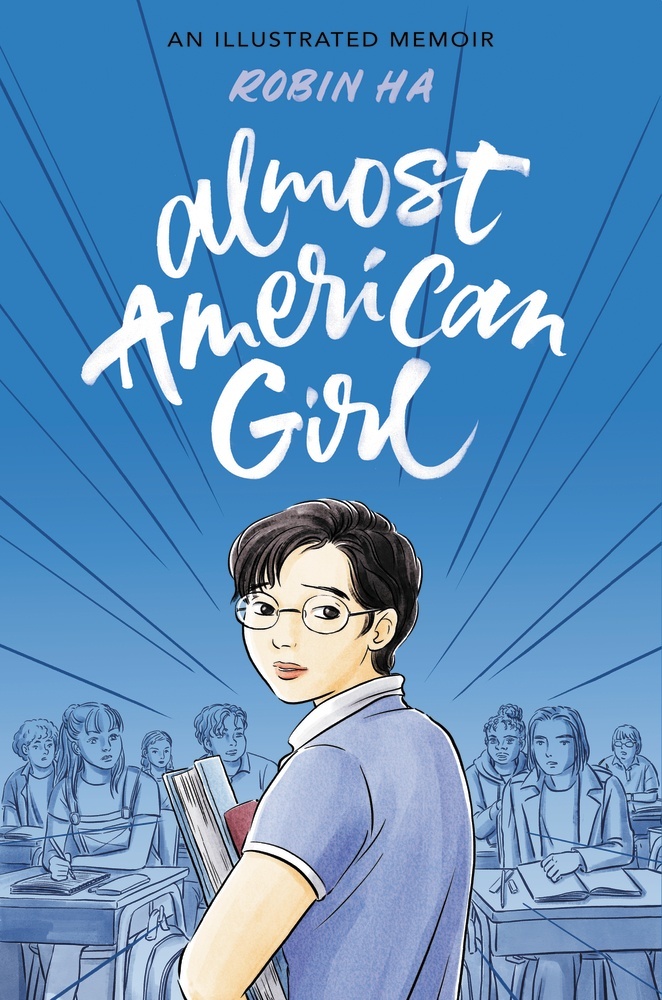
Cover of Almost American Girl

Almost American Girl

Bottom of the Pyramid hooked you with Nia's fierce climb from overlooked dancer to self-empowered star, skewering biases and embracing Black identity amid catty rivals. Almost American Girl delivers that same raw energy through an immigrant's journey of cultural shocks, family drama, and triumphant resilience. It's the graphic memoir that validates your petty grudges and fuels underdog dreams, perfect for sharing with fellow divas.

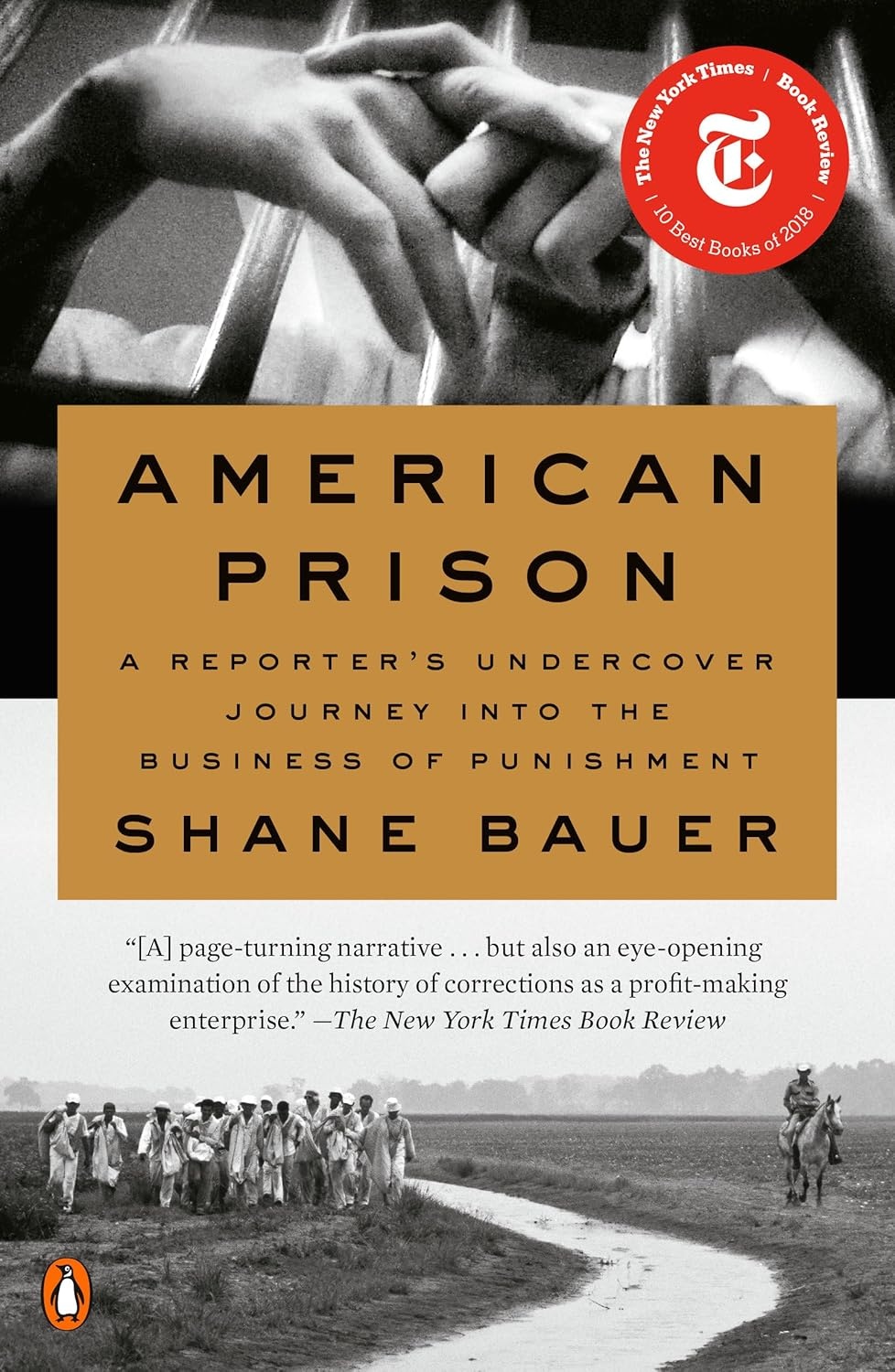
Cover of American Prison

American Prison

You fell for The Tragedy of True Crime because Lennon refused to sanitize guilt or excuse the system that bred it—writing from a life sentence with zero outsider speculation. That same unflinching, insider authenticity is exactly what drives readers to devour books that dismantle the prison-industrial complex from within, exposing how corporate profit feeds on human cages while society looks away.

Cover of Assata: An Autobiography

Assata: An Autobiography

Malcolm X's autobiography hooked you with its unflinching dive into street life, prison redemption, and fiery critiques of white supremacy that sparked real awakening. Fans love how it mirrors personal evolution amid oppression, blending gritty storytelling with intellectual fire for Black empowerment. If that raw truth ignited your drive for justice, this recommendation delivers the same no-holds-barred intensity on activism and identity.

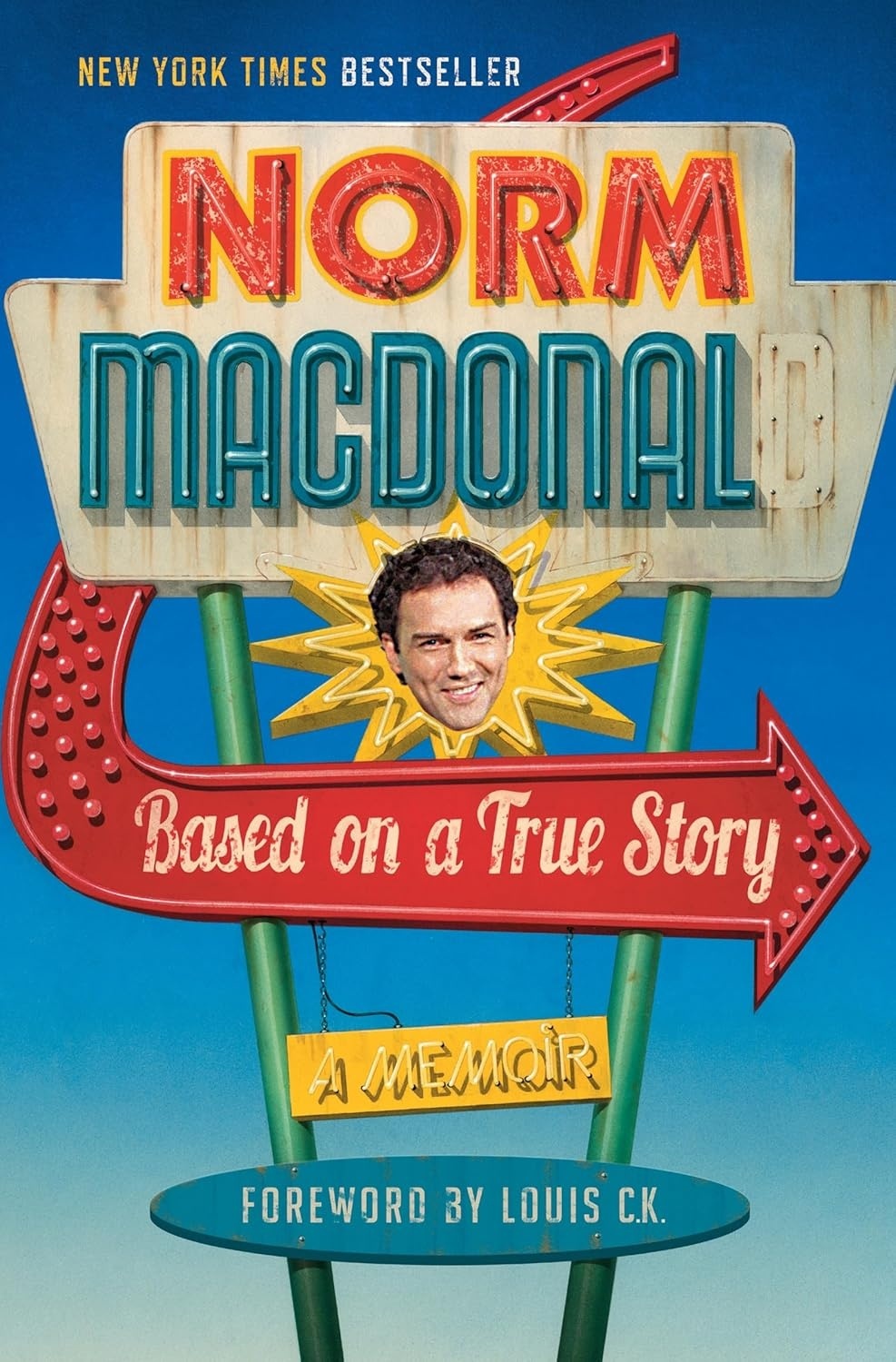
Cover of Based on a True Story

Based on a True Story

If Charlie Sheen's tiger-blood manifesto spoke to your soul, Norm Macdonald's pseudo-memoir picks up where that chaos left off—same scorched-earth honesty, same middle-finger energy, zero apologies. This is celebrity confession as guerrilla theater: erratic structure, dark humor about addiction and fame, and philosophical detours that feel like eavesdropping on someone too damaged and too brilliant to sanitize their story. Macdonald serves Hollywood gossip with the unvarnished messiness that made Sheen's rants so addictively real.

Cover of Beautiful Country

Beautiful Country

That piercing nostalgia in Stay True, blending 90s indie vibes with identity crises and profound loss, hits different for immigrant kids and outsiders. Beautiful Country amps it up with Qian Julie Wang's gritty New York tale of cultural clashes, family grief, and debunking model minority myths. Dive in if you're craving more raw emotional honesty that validates your hybrid heart and rejects parental pressures.

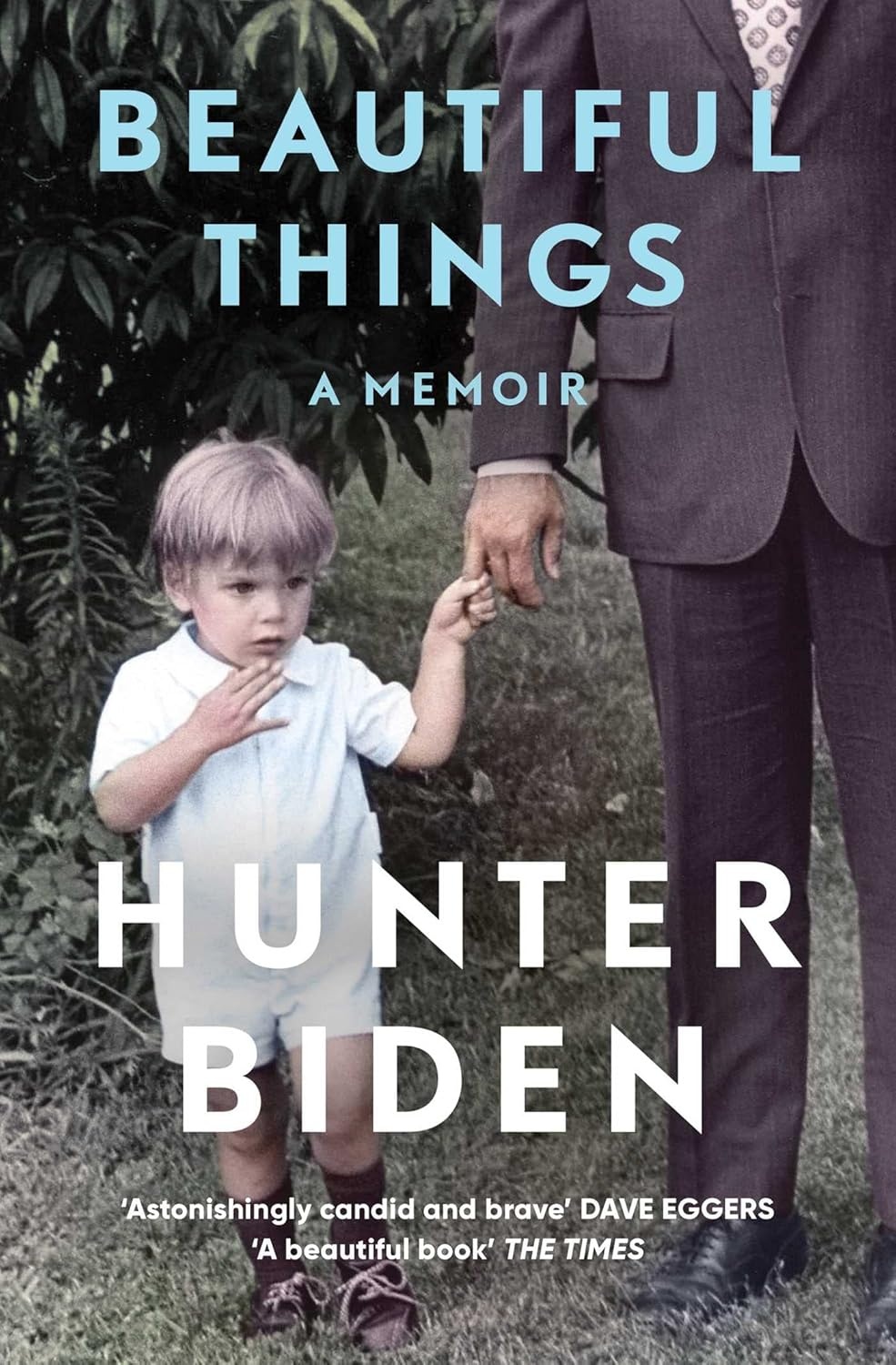
Cover of Beautiful Things

Beautiful Things

If Unthinkable's blend of personal tragedy and January 6th chaos wrecked you, this memoir hits the same nerve—addiction and loss colliding with Trump-era political storms. Hunter Biden channels private hell into public reckoning, delivering that raw insider access and moral clarity exhausted progressives crave. It's grief as political weapon, unflinching and literary.

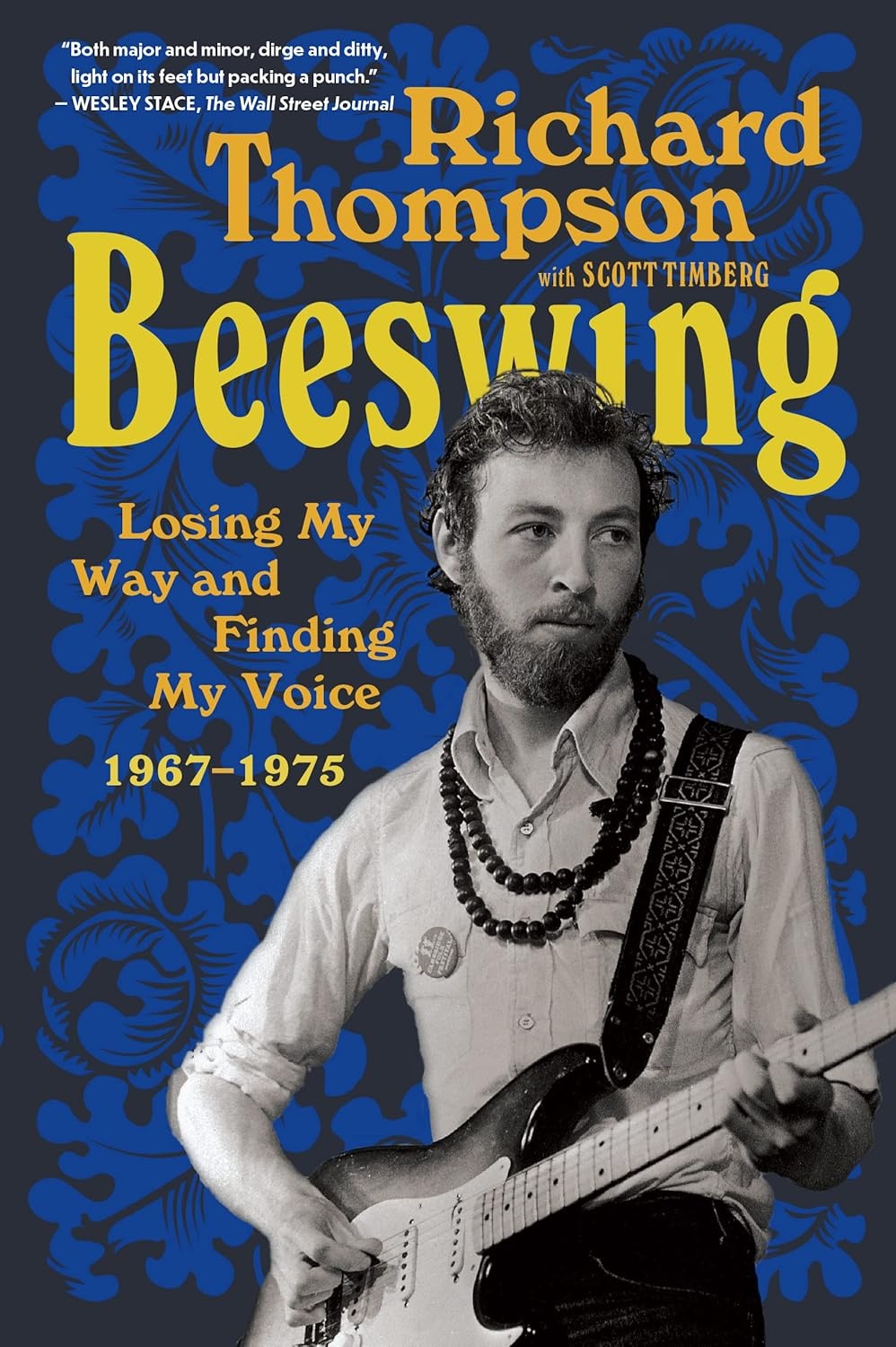
Cover of Beeswing

Beeswing

Paul McCartney taught you how personal wreckage becomes Yesterday. Richard Thompson shows you how folk-rock's golden age was built from collaboration, loss, and creative doubt—with the same professorial curiosity and zero mythologizing. This is the blueprint for understanding how artists transmute life into enduring songs, told by a truth-teller who knows the difference between nostalgia and honest excavation.

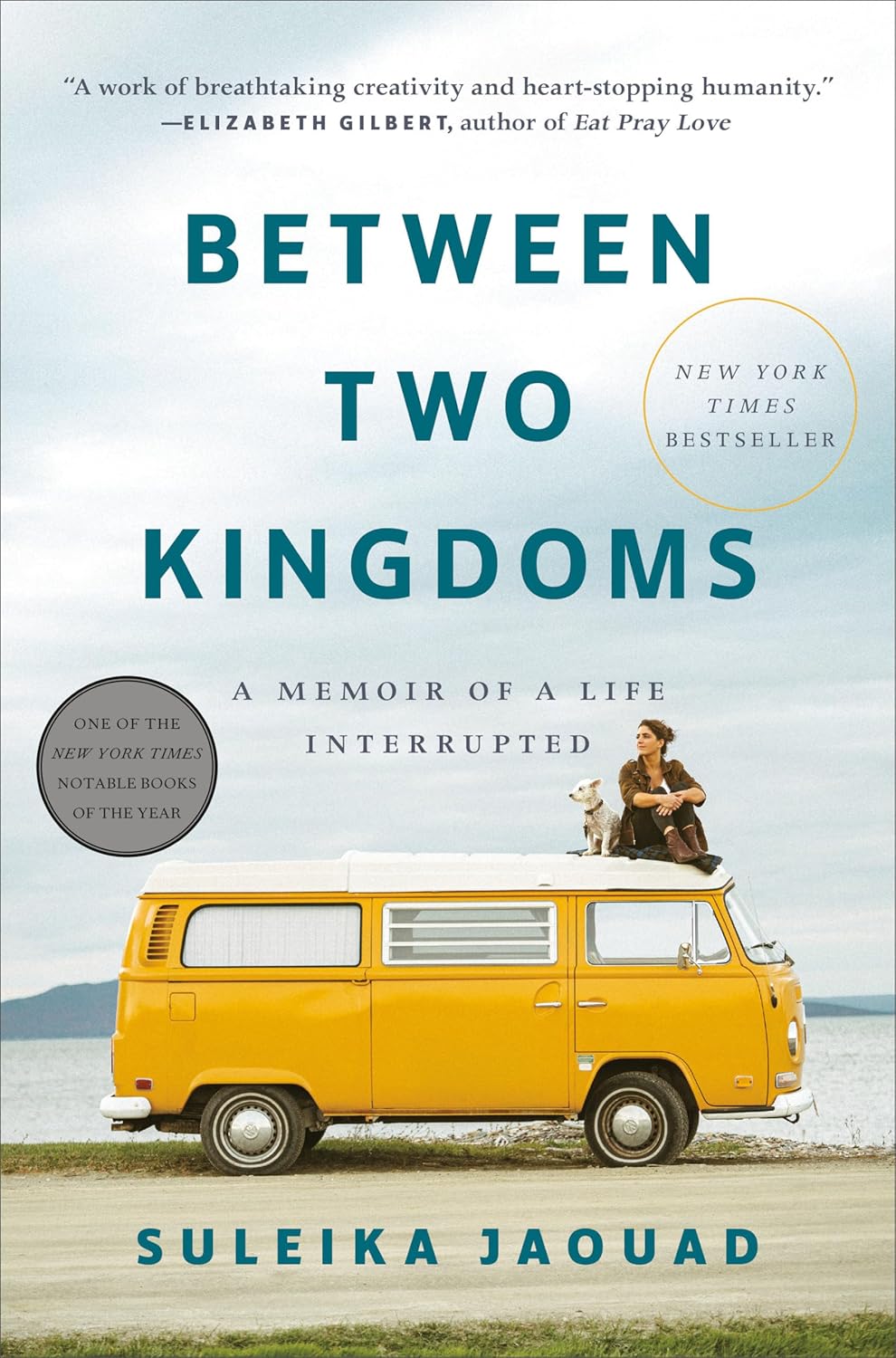
Cover of Between Two Kingdoms

Between Two Kingdoms

If you fell for Humans because it showed strangers telling the truth without performance, Between Two Kingdoms takes that documentary-style empathy on the road. Suleika Jaouad's cross-country journey collects intimate confessions from people wrestling with illness, identity, and fracture—messy, poignant, and utterly real. This is vulnerability in motion, proving connection blooms in the unlikeliest places.

Cover of Black Privilege

Black Privilege

If 2 Chainz's charismatic blend of braggadocio and prayer left you wanting more, Charlamagne tha God delivers the same unapologetic swagger wrapped in confession-booth honesty. Black Privilege serves up punchy, quotable chapters built for screenshots, hot takes that land like punchlines, and life lessons that refuse to choose between self-serving and sincere—it's the same productive mess you loved, but with even more actionable blueprint moments.

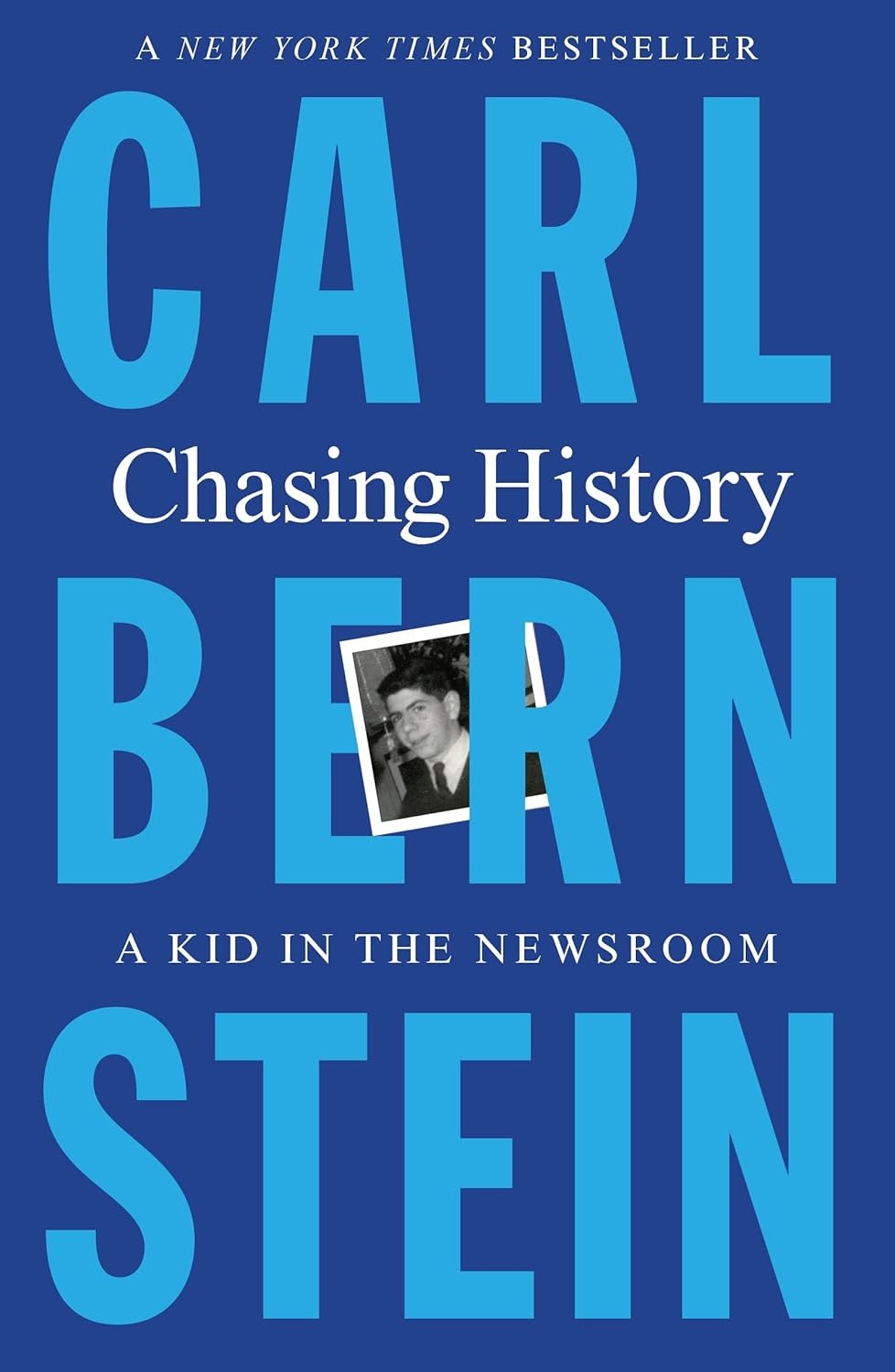
Cover of Chasing History

Chasing History

If Goodwin's tender excavation of Kennedy-Johnson idealism left you aching for more, Bernstein's Chasing History delivers that same bittersweet nostalgia—a young reporter finding his voice amid national upheaval, legendary mentors brought to life with empathetic credibility, and the quiet conviction that journalism once mattered. It's the reflective journey through 1960s America you didn't know you needed next.

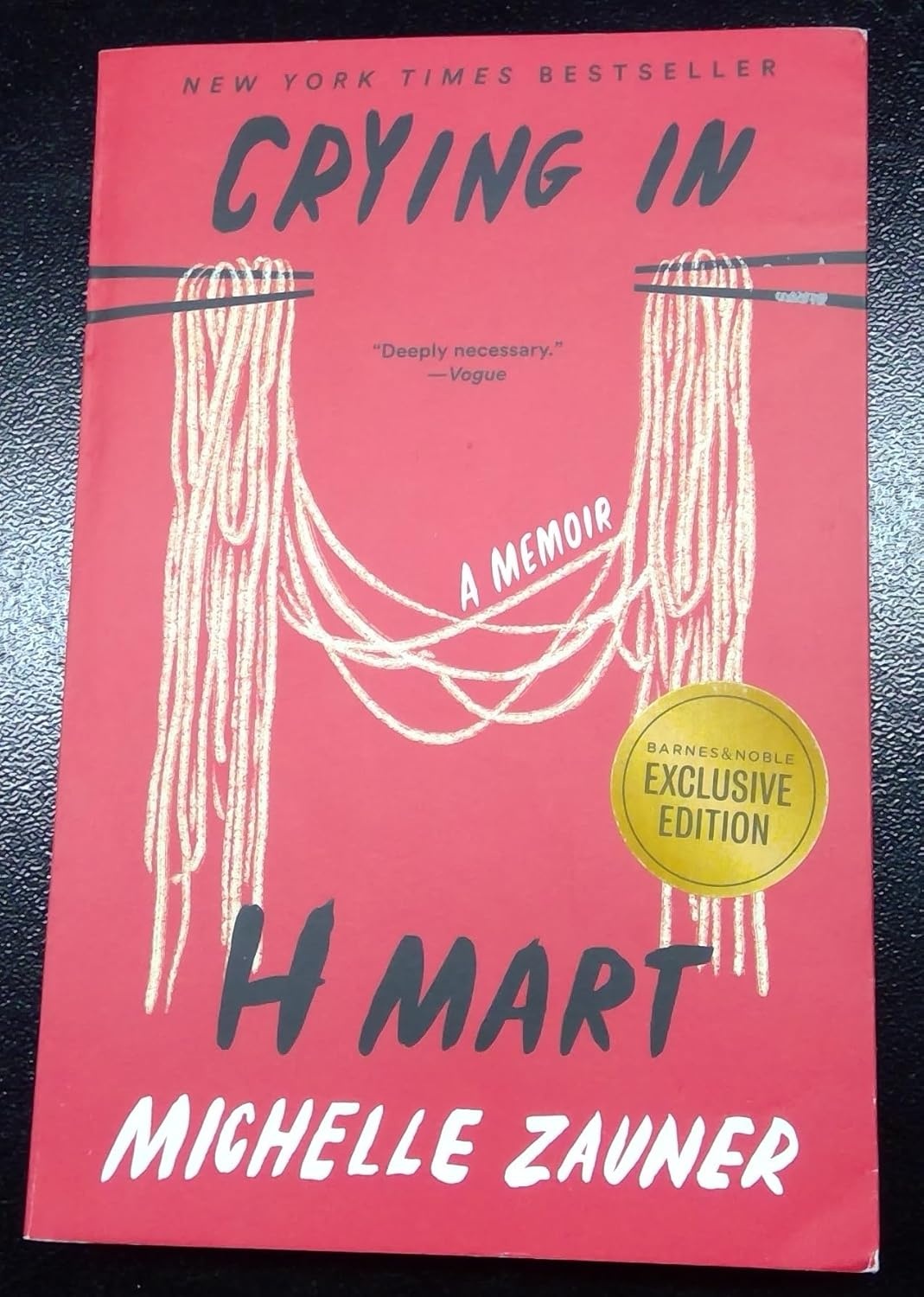
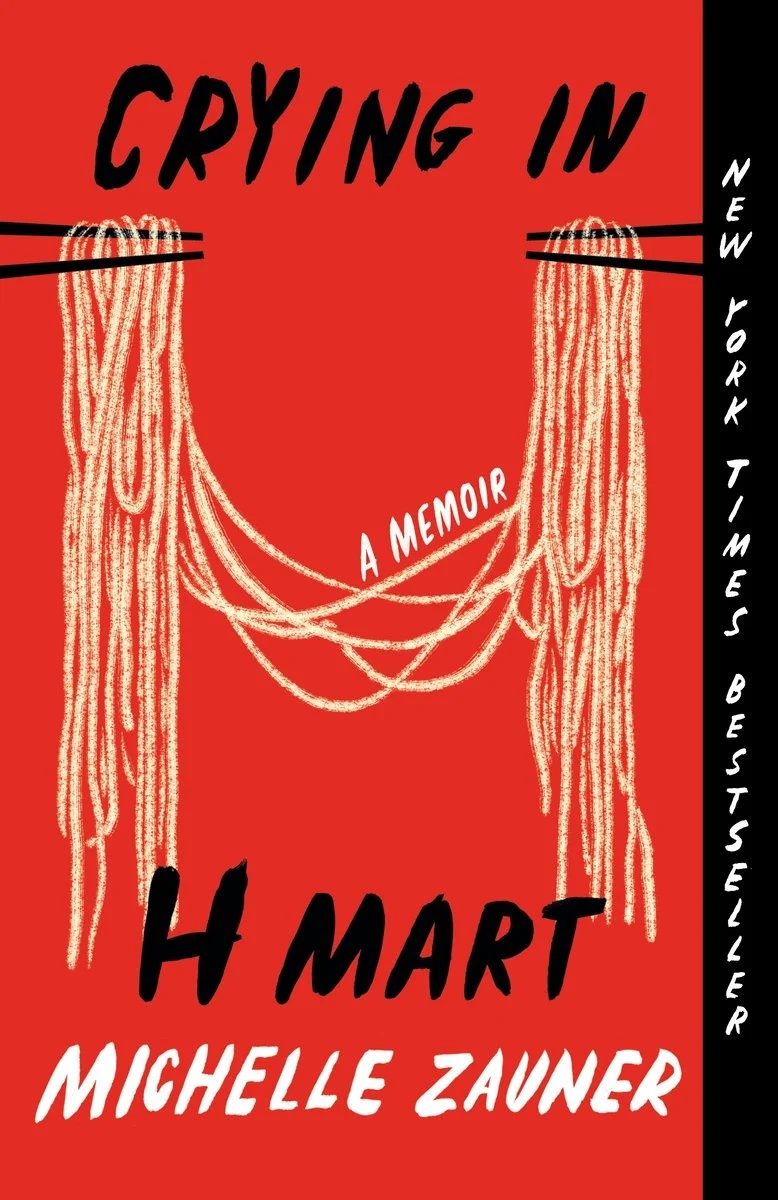
Cover of Crying in H Mart

Crying in H Mart

If you loved how John Green turned disease into a meditation on human fragility, Michelle Zauner does the same with Korean food and mother-loss—memoir as cultural archaeology, where every recipe becomes a reckoning with belonging. Sharp, unvarnished, and bracingly intimate without a single maudlin moment.

Cover of Crying in H Mart

Crying in H Mart

If you loved hearing Brandy speak plainly about recording booths, career pressure, and turning private struggle into insight, Michelle Zauner's Crying in H Mart does the same—except the studio is grief, Korean-American identity, and indie rock. You get the unglamorous grind, the obsessive craft detail, and the way food and family encode creative voice, all in prose that reads like a musician talking: rhythmic, wry, and surgically honest.

Cover of Daring to Drive: A Saudi Woman's Awakening

Daring to Drive: A Saudi Woman's Awakening

If Malala's unyielding spirit against oppression set your pulse racing, Manal al-Sharif's fearless defiance of Saudi guardianship laws delivers that same adrenaline rush of personal rebellion. This is authentic, unfiltered activism from inside a patriarchal stronghold—no savior narratives, just raw courage and the urgent call to witness systemic injustice through a self-taught engineer's eyes.

Cover of Dispatches from Pluto: Lost and Found in the Mississippi Delta

Dispatches from Pluto: Lost and Found in the Mississippi Delta

If Savannah's sultry social theater hooked you—where gossip dripped like Spanish moss and eccentricity was currency—the Mississippi Delta awaits with the same humid decay and voyeuristic thrill. Richard Grant trades garden parties for juke joints, but that eavesdropping intimacy remains: you're the trusted outsider sipping secrets alongside authentically strange characters who'd make Lady Chablis blush.

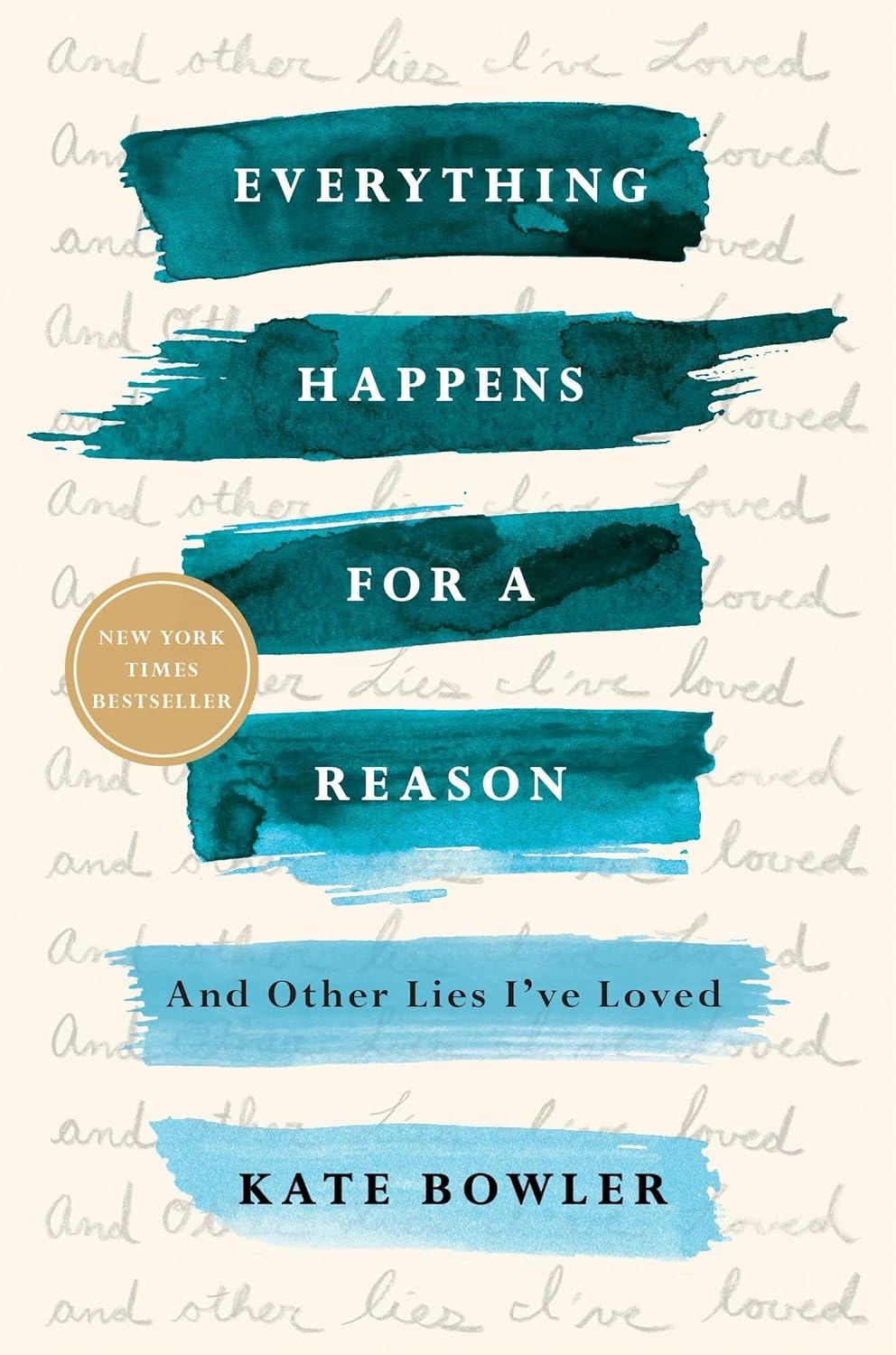
Cover of Everything Happens for a Reason

Everything Happens for a Reason

Finding Chika gutted you with its raw confrontation of terminal illness and grief transformed into spiritual hope. Kate Bowler's Everything Happens for a Reason gives you that same cathartic honesty—a cancer diagnosis dismantled through faith, doubt, and the messy family bonds that hold us together when certainty crumbles. No sugarcoating, just the validating conversation you crave.

Cover of Finding Me

Finding Me

If Harris's prosecutorial honesty about political hypocrisy made you feel seen, Davis brings that same combustible candor to Hollywood's racial and gender gatekeeping. This is unvarnished memoir as strategic armor—poverty, abuse, and industry exclusion dissected with the brutal clarity that turns rage at systemic barriers into actionable resilience.

Cover of Finding Me

Finding Me

Katie Couric's brutal honesty about broadcasting's boys' club left you hungry for more? Viola Davis brings that same ferocious candor to Hollywood's double standards—poverty, trauma, and the exhausting mask of belonging, all served without apology. This is the messy, gorgeous truth from another woman who refused to stay small, told with the wit and scars only survival can forge.

Cover of Finding Me

Finding Me

Cicely Tyson taught us resilience isn't a performance—it's a negotiation with dignity paid for in scars. Viola Davis refuses to let you romanticize that cost. This is another Black woman dissecting imposter syndrome, industry gatekeeping, and the brutal toll of being first, written with the same elegant fury: vulnerability as strength, survival as truth.

Cover of Finding Me

Finding Me

If Ketanji Brown Jackson's refusal to shrink in elite spaces left you breathless, Viola Davis excavates the same truth in Finding Me—poverty, prejudice, and the relentless cost of proving your right to exist in rooms that weren't built for you. This is Black excellence stripped of platitudes, where Hollywood's glitter can't hide the South Carolina dirt that shaped an icon.

Cover of Finding Me

Finding Me

You loved how Tina Knowles refused to polish her truth—now Viola Davis strips away every layer of the strong Black woman myth with the same unapologetic force. Finding Me excavates the cost of survival from South Carolina poverty to Oscar stages, serving the messy, spiritual labor behind every triumph without a single sugarcoated platitude.

Cover of Finding Me

Finding Me

Will Smith's memoir gutted you with its refusal to hide behind the superstar smile—the daddy wounds, the rage, the cost of perfection. Viola Davis goes deeper: Finding Me is survival as performance art, where hunger, childhood trauma, and Hollywood's machinery collide in a reckoning that makes Oscar glory feel earned through scars, not just applause. Zero gloss, all truth.

Cover of Get in the Van

Get in the Van

You devoured 'The Uncool' for its unfiltered dive into drug-fueled rock excess and narcissistic stars, loving how Cameron Crowe exposed the fragile egos and lost innocence of the 70s scene. Now imagine swapping arena jets for punk's busted vans, where betrayal and desperation hit harder in a pre-digital rebellion that romanticizes gritty realism and cultural decay. It's the same chaotic thrill, fueled by adrenaline and faded glory, perfect for Gen Xers chasing that nostalgic spark of authentic music mayhem.

Cover of Girlvert: A Porno Memoir

Girlvert: A Porno Memoir

If Xaviera Hollander's fearless dive into sex work spoke to your hunger for rebellion and raw truth, Oriana Small's Girlvert delivers that same unfiltered candor from the porn industry's chaotic heart. Small reclaims her narrative with witty defiance, turning explicit encounters and power dynamics into empowering tales that feel like forbidden gossip with an irreverent insider who refuses to apologize.

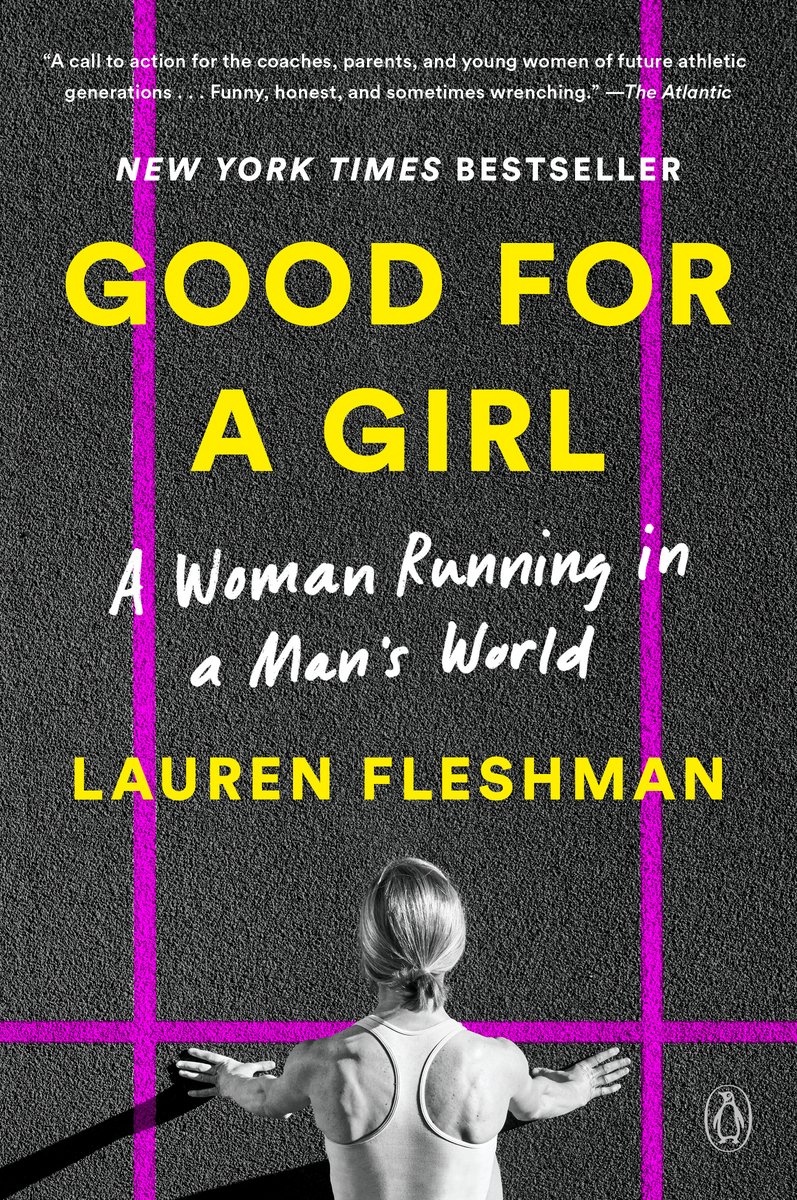
Cover of Good for a Girl

Good for a Girl

If Mary Cain's takedown of the Oregon Project left you shaking with validation, Lauren Fleshman delivers the same blazing insider fury—this time weaponizing her own body's betrayals into a full-scale feminist dismantling of elite running's toxic machinery. No recovery porn, no tidy bows, just visceral proof that distance running systematically devours young women.

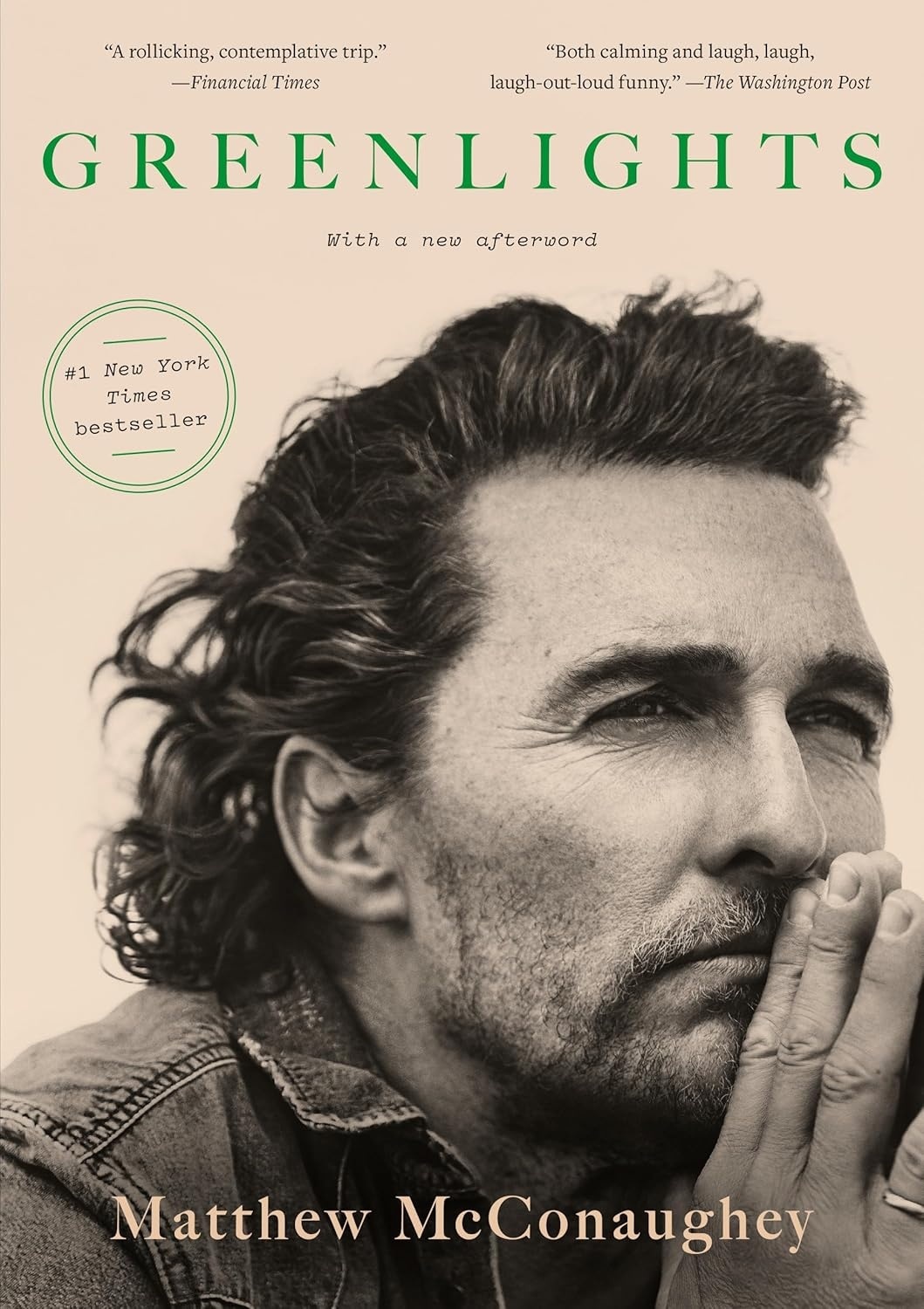
Cover of Greenlights

Greenlights

Kenny Chesney's 'Heart Life Music' hooked you with its unfiltered tales of blue-collar heartbreak, patriotic grit, and island escapism that make mundane lives feel epic. It's the ultimate feel-good dive into rugged redemption, barroom wisdom, and loving hard through life's chaos. If that raw vulnerability mixed with tailgate party spirit resonated, 'Greenlights' by Matthew McConaughey delivers the same adventurous spirit and insider stardom vibes.

Cover of Guardians of the Trees

Guardians of the Trees

If Junglekeeper left you craving another competence-driven, callus-earned conservation story where the jungle isn't backdrop but co-author, this one delivers. Webb builds clinics in downpour conditions, renegotiates supply chains mid-crisis, and works shoulder-to-shoulder with Bornean communities who hold veto power over every decision—the hazards are real, the setbacks documented, and the wins arrive in hectares saved, not speeches.

Cover of Heartland

Heartland

Hillbilly Elegy struck a nerve because it refused to romanticize poverty or apologize for hard truths about personal responsibility. Sarah Smarsh's Heartland delivers that same raw honesty from the Midwest—wheat country struggles, generational poverty, and the kind of resilience that doesn't wait for rescue. If you connected with Vance's refusal to sugarcoat dysfunction or play victim, this is your next read.

Cover of Heat: An Amateur's Adventures as Kitchen Slave, Line Cook, Pasta-Maker, and Apprentice to a Dante-Quoting Butcher in Tuscany

Heat: An Amateur's Adventures as Kitchen Slave, Line Cook, Pasta-Maker, and Apprentice to a Dante-Quoting Butcher in Tuscany

If you devoured 'Kitchen Confidential' for its unfiltered dive into the gritty chaos of professional kitchens, complete with drug-fueled all-nighters and tyrannical chefs, you'll crave more of that rebellious ethos. Bill Buford's 'Heat' delivers the same no-BS authenticity, swapping New York's hierarchies for Tuscany's blood-soaked apprenticeships with dark humor and flawed antiheroes. It's the perfect fix for foodies hooked on insider secrets and punk rock vibes in the culinary world.

Cover of Heavy: An American Memoir

Heavy: An American Memoir

If Coates handed you fury wrapped in poetry, Laymon offers devastation laced with love. Heavy trades the letter to a son for one to a mother, dismantling American mythology through the weight of a body that carries generations of violence. This isn't memoir as comfort food—it's Baldwin-esque fire that refuses resolution and demands you sit in the wreckage of race, class, and family without tidy conclusions.

Cover of Heavy: An American Memoir

Heavy: An American Memoir

You felt the bone-deep ache of Jesmyn Ward's 'Men We Reaped,' tracing forgotten Southern towns haunted by poverty and young Black men crumbling under vulnerability and despair. Now, dive into Kiese Laymon's 'Heavy: An American Memoir,' where intergenerational scars and fierce Black women's resilience mirror that raw emotional punch against systemic inequities. It's the cathartic follow-up that transforms personal tragedy into enlightened art, fueling your craving for honest social commentary.

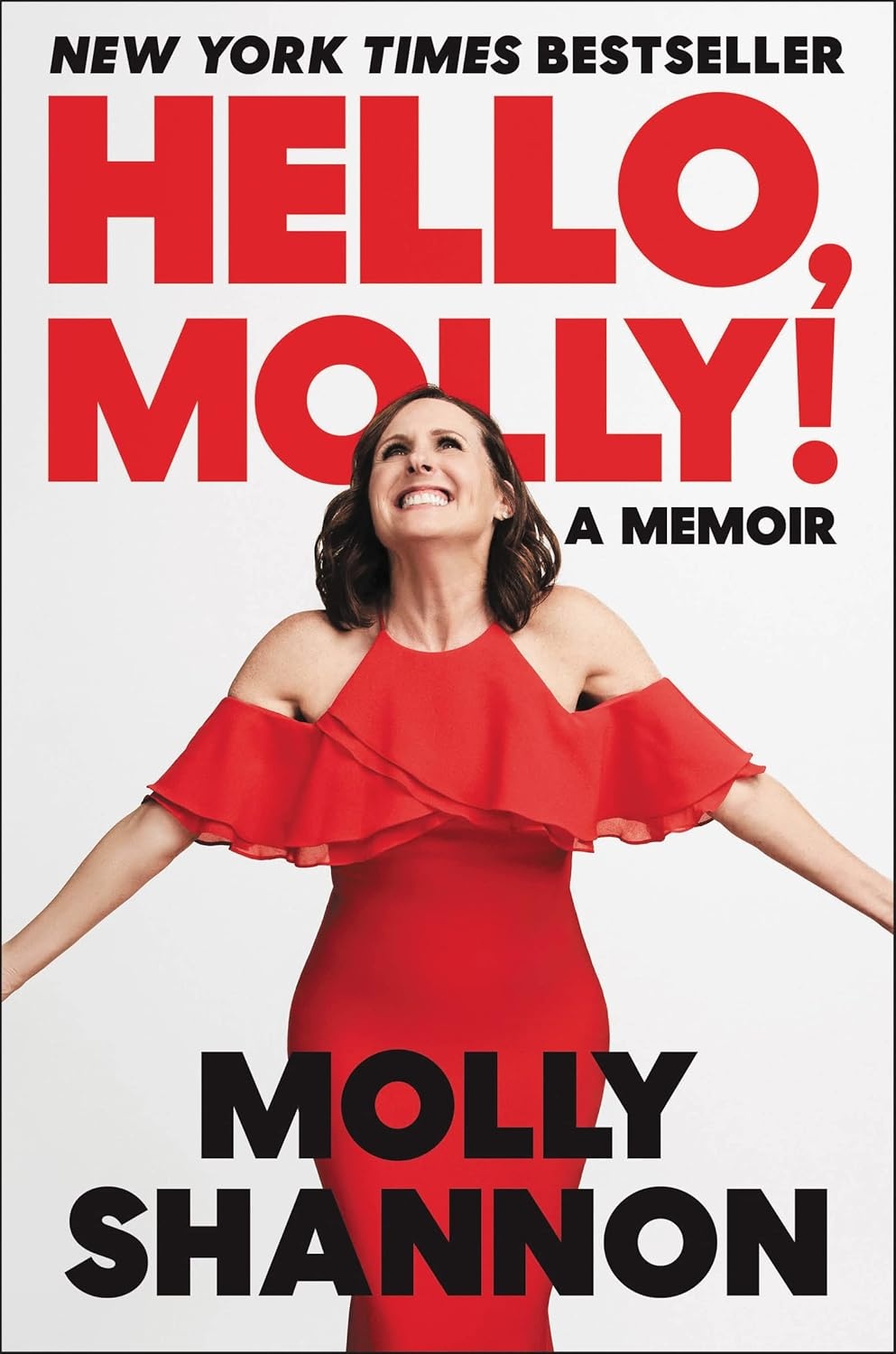
Cover of Hello, Molly!

Hello, Molly!

If The Office BFFs gave you that intoxicating rush of peeking behind the comedy curtain, Molly Shannon's Hello, Molly! delivers the same unfiltered thrill—only this time you're backstage at SNL with a woman who turned awkwardness into art. Shannon serves the heartfelt female friendship and relatable humor you crave, blending laugh-out-loud escapades with tender confessions about imposter syndrome and navigating comedy's boys' club. This is your next nostalgia fix where vulnerability meets hilarity, no pretense required.

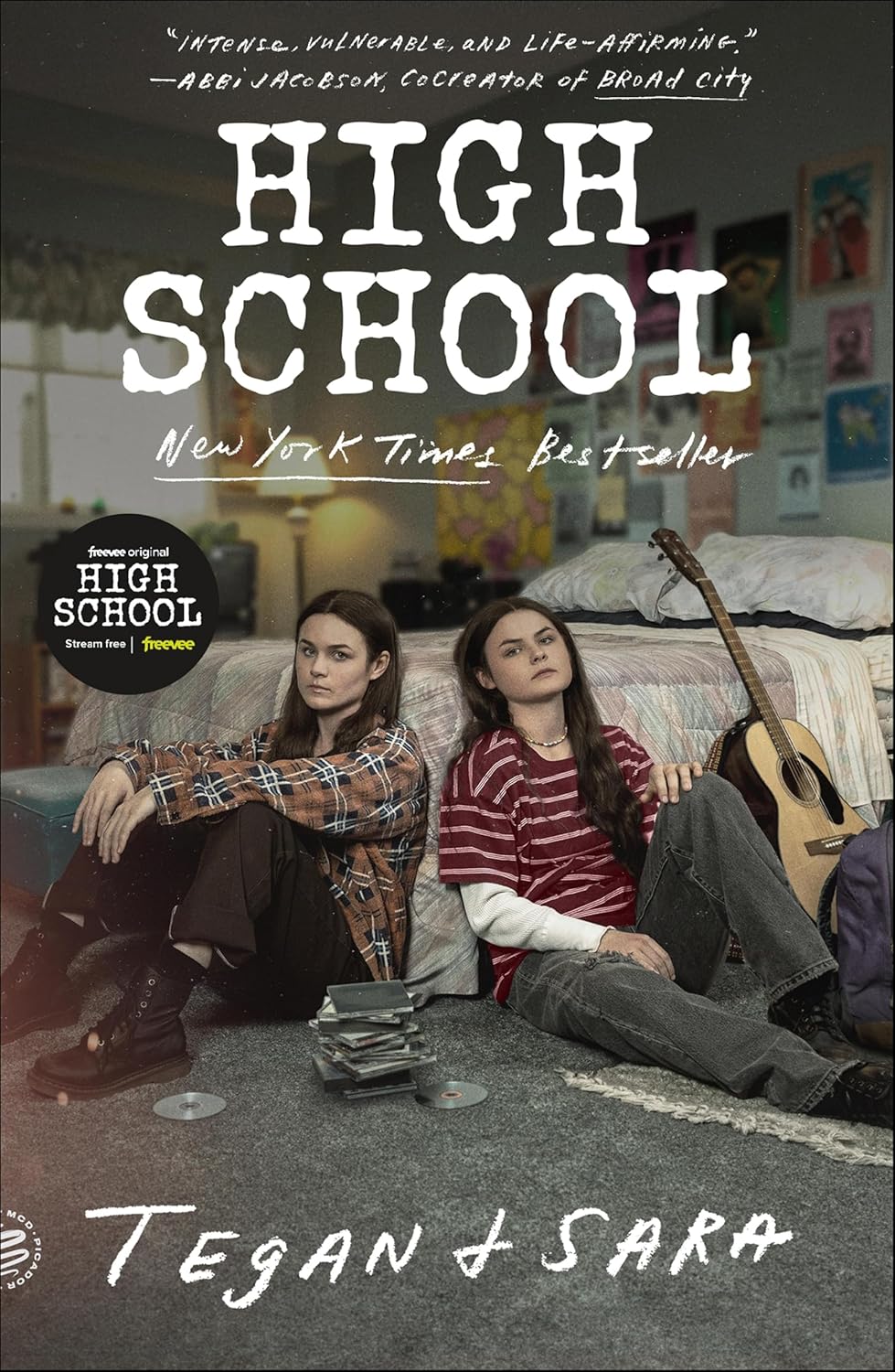
Cover of High School

High School

Beyond the Story proved that the most powerful music memoirs strip away the mythology to reveal the psychological toll of chasing dreams. High School by Tegan and Sara delivers that same radical honesty—twin narratives excavating their teenage years when identity crises, sibling rivalry, and garage-band ambitions collided with queer awakening. This is the messy, defiant origin story that turns fandom into cultural validation.

Cover of High School

High School

Brandi Carlile made you feel seen with her unfiltered queer awakening in rural America—now Tegan and Sara Quin double down on that gut-punch honesty. High School chronicles twin sisters carving out identity in a Canadian prairie town that demanded silence, blending sibling rivalry, first acid trips, and the salvation of making noise into a memoir that reads like their best album liner notes come to life.

Cover of High-Risk Homosexual

High-Risk Homosexual

RuPaul's memoir hooked you with its unflinching dive into queer survival, drag culture's sweat-stained reality, and philosophical musings on self-invention. Edgar Gomez delivers that same electric honesty—Orlando's Latinx queer nightlife replaces Atlanta's underground, but the stakes remain identical: navigating cultural erasure, immigrant family chaos, and societal rejection through humor sharp enough to scar. This is another memoir that refuses to polish the wreckage, turning personal devastation into a masterclass on resilience.

Cover of Hollywood Park

Hollywood Park

If McCurdy's refusal to forgive felt like permission to stay angry, Mikel Jollett's Hollywood Park doubles down—cult childhood, parental manipulation, and messy survival without a single redemption arc. This is catharsis for readers who crave raw honesty over polished healing, where dark humor becomes the survival toolkit and resentment gets validated.

Cover of Homie

Homie

If 'Night Watch' by Kevin Young gripped you with its rhythmic verses on racial vigilance and cultural critique, 'Homie' by Danez Smith delivers that same unflinching poetic power, blending queer Black experiences with witty humor and emotional depth. It's the armor of friendship against erasure, mirroring Young's blues-infused storytelling in a fresh, intimate voice. Perfect for readers seeking authentic narratives that provoke and heal without preaching.

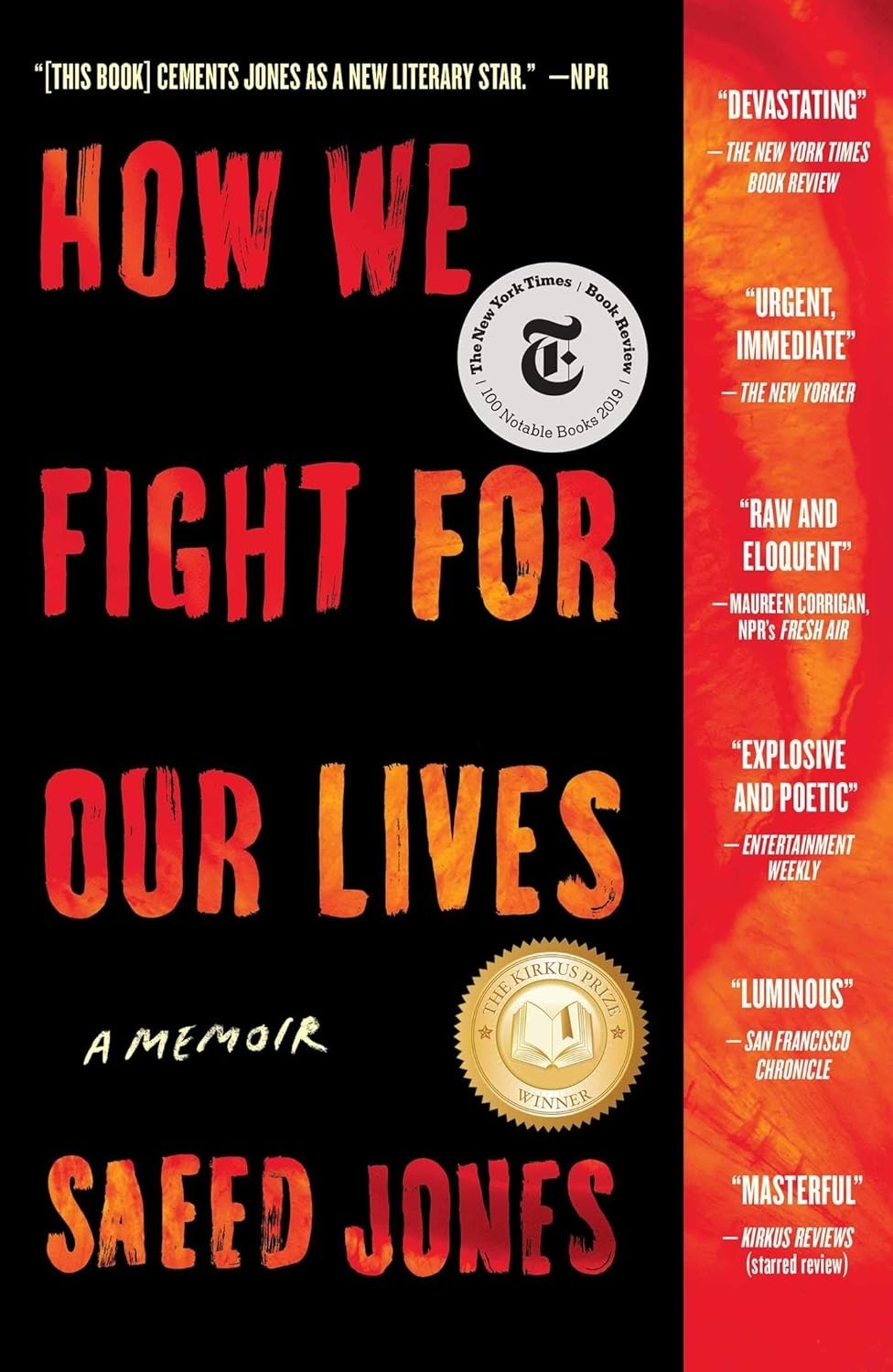
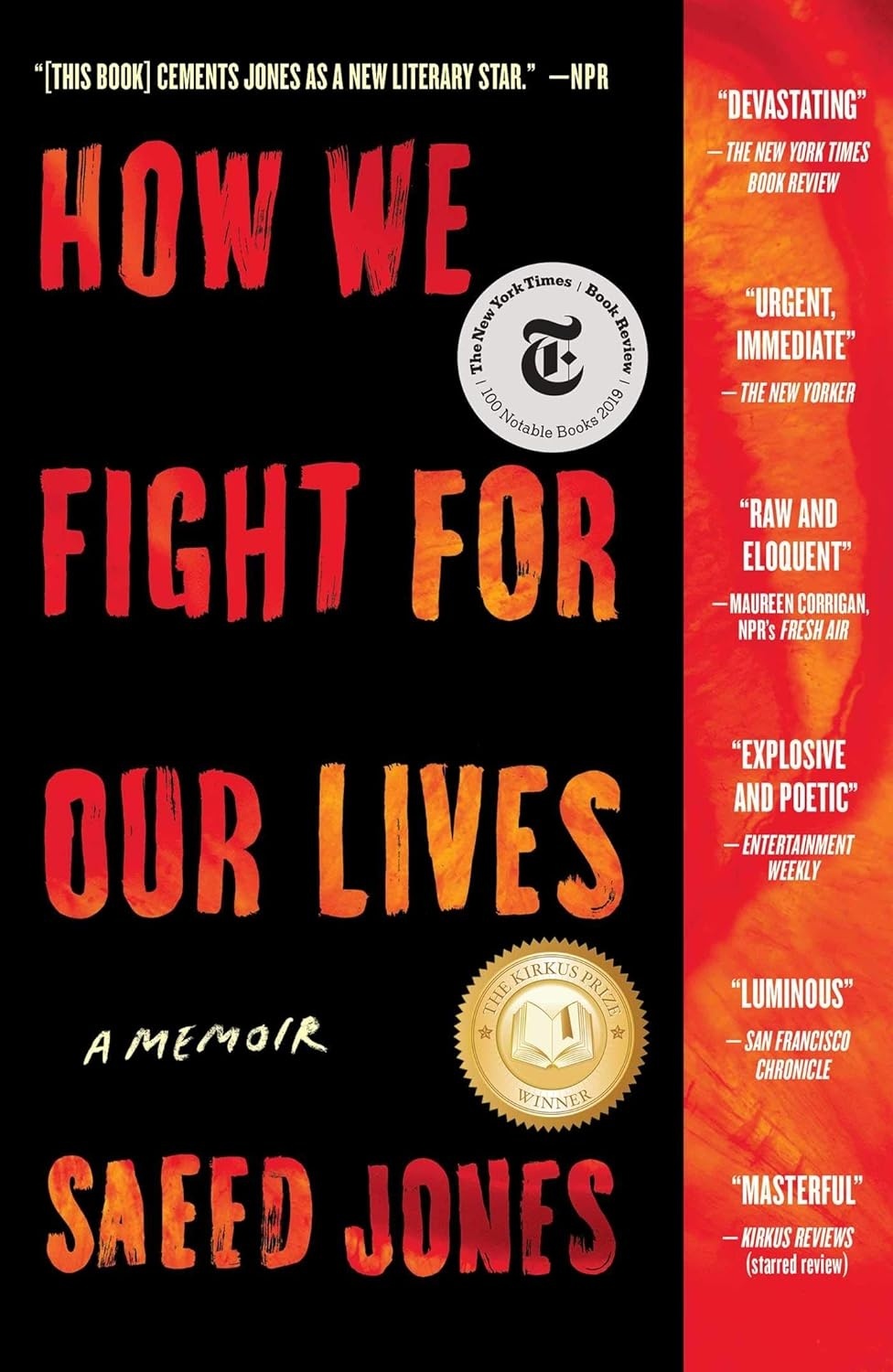
Cover of How We Fight for Our Lives

How We Fight for Our Lives

You loved Baldwin: A Love Story because it refused to sanitize queer desire or soften the brutality of racism—it showed you intellect on fire, love as defiance, and a life lived unrepentant. The readers who craved that raw, unsanitized intimacy, who wanted to see messy queer Black lives rendered with literary precision and zero apology, found something sacred in Boggs' refusal to mythologize. This is for you.

Cover of How We Fight for Our Lives

How We Fight for Our Lives

If Heavy's refusal to sugarcoat trauma hit you where you live, Saeed Jones brings that same weaponized vulnerability—this time dissecting black queer identity in the South with poetic brutality. No tidy endings, no performative polish, just the exhausting truth of staying alive when silence is expected. Read it for unmarketable honesty that validates your rage.

Cover of How to Say Babylon

How to Say Babylon

Viola Davis didn't flinch when exposing her scars. Safiya Sinclair brings that same unsparing honesty to dismantling Rastafarian patriarchy and inherited shame. If Finding Me's refusal to perform strength hit you hard, this memoir's excavation of silenced girlhood under a father's tyrannical devotion will wreck you in the best way.

Cover of I'd Like to Play Alone, Please

I'd Like to Play Alone, Please

If you loved how Sedaris turned pandemic chaos and family dysfunction into cathartic comedy gold, Tom Segura's essays hit the same nerve—skewering consumer culture, aging, and relationship absurdities with the kind of dry sarcasm that makes you laugh until you feel seen. This is for readers who want truth over inspiration, delivered with NPR-level intellect and zero punches pulled.

Cover of I'd Like to Play Alone, Please

I'd Like to Play Alone, Please

Ingram hooked you with its brutal honesty on personal scandals and middle-aged angst, turning flaws into cathartic laughs that expose societal hypocrisies. Readers bond over that unapologetic wit, craving stories that own up to embarrassing impulses without forced redemption. Dive into Tom Segura's 'I'd Like to Play Alone, Please' for the same dark humor and observational takes on unheroic realities.

Cover of I'm Glad My Mom Died

I'm Glad My Mom Died

Loved Ina Garten's refusal to pretend success was effortless? Jennette McCurdy delivers that same fierce honesty about building agency from wreckage, swapping Hamptons charm for Hollywood's brutal machinery. Another woman who chose herself when every system told her otherwise—with dark humor that makes you laugh before you realize you're learning something essential about resilience.

Cover of I'm Glad My Mom Died

I'm Glad My Mom Died

If you survived Jenny Lawson's chaotic therapy fails and taxidermied raccoons, Jennette McCurdy's weaponized dysfunction will feel like reuniting with your most unhinged friend. Same unfiltered honesty about anxiety spirals and eating disorders, same self-deprecating humor that makes your own disasters look reasonable—but this time the wreckage unfolds on Nickelodeon sets with a title that's already a confession.

Cover of I'm Glad My Mom Died

I'm Glad My Mom Died

If Rookie's no-filter timeline of auditions and scrutiny pulled you in, Jennette McCurdy's memoir is the unflinching next chapter—tracking how sitcom fame reshaped boundaries, mental health, and family ties in real time. This is the sustained honest reckoning with self-doubt and survival that made you trust Bassett's voice, extended into territory most celebrity books avoid.

Cover of I'm Glad My Mom Died

I'm Glad My Mom Died

If Kelly Bishop's 'The Third Gilmore Girl' hooked you with its no-holds-barred dive into TV stardom's underbelly and family dysfunction, Jennette McCurdy's 'I'm Glad My Mom Died' delivers even more unflinching truths about abuse survival and industry sexism. Relish the dark humor and female resilience that mirror Bishop's empowering tales of overcoming personal traumas. It's the perfect follow-up for fans craving cathartic, gossip-fueled escapes from Hollywood's harsh realities.

Cover of In the Days of Rain

In the Days of Rain

Christine Brown Woolley pulled back the curtain on polygamous chaos with zero filter—the jealousy, the patriarchal stranglehold, the spiritual justifications for emotional wreckage. Rebecca Stott does the same for the Exclusive Brethren, where devotion and doubt wage war in every interaction, and leaving means losing everything. This is insider testimony that refuses to sanitize the cost of belonging.

Cover of In the Dream House

In the Dream House

If Jill Ciment's Consent hooked you with its raw interrogation of consent, memory, and complicity in a May-December romance, prepare for Carmen Maria Machado's In the Dream House to shatter expectations further. This experimental memoir mirrors Consent's intellectual rigor, using innovative structures to expose emotional manipulation in queer relationships without easy morals. It's a bold, unsettling dive into agency and abuse that sophisticated readers can't stop debating.

Cover of In the Dream House

In the Dream House

If The Argonauts hooked you with its bold blend of memoir and philosophy, exploring queer love, gender fluidity, and feminist critique through unflinching vulnerability, you're in for a treat. In the Dream House by Carmen Maria Machado echoes that magic, weaponizing literary tropes to dissect abuse in same-sex relationships with intellectual rigor and emotional rawness. It's the perfect follow-up for fans craving stories that dismantle clichés and affirm chaotic, transformative identities.

Cover of In the Dream House

In the Dream House

If The Years taught you to crave memoir that refuses sentimentality, In the Dream House delivers that same detached excavation—but through queer domestic abuse dissected via cultural tropes. Machado's fragmented vignettes transform personal horror into collective reckoning with the intellectual rigor Ernaux perfected, making the intimate universal through radical structure.

Cover of Inside Out

Inside Out

Jessica Simpson pulled back the curtain on fame's ugliest corners—now Demi Moore takes you deeper into Hollywood's predatory machinery with zero filter. Inside Out serves the same intoxicating mix of A-list scandal and soul-baring vulnerability, from brutal relationship autopsies to the addiction battles that nearly destroyed her. This is the midlife reckoning you've been craving: raw, unmanaged, and ruthlessly honest about what it costs to survive your own choices.

Cover of Invisible Storm

Invisible Storm

If Josh Shapiro's pastoral register—competence, conscience, and family as moral ballast—hit you in the chest, Jason Kander's Invisible Storm operates in the same key. Another public servant who chose healing over ambition, vulnerability as leadership, and incremental repair over résumé polish. Magazine-sharp, restorative, and anchored in spousal partnership and duty—timely without the outrage cycle.

Cover of It Is What It Is

It Is What It Is

Susie Wolff's no-BS cockpit confessions left you craving more? Billy Monger strips motorsport memoir to metal and bone—same insider eye for tire degradation and throttle feel, same pragmatic barrier-smashing, but the stakes are life-altering. If you chased Wolff's 300-mph obsession and cutthroat garage politics, Monger's relentless comeback will leave you breathless.

Cover of It's Not Yet Dark

It's Not Yet Dark

The Last Lecture taught us that terminal diagnosis doesn't mean surrendering purpose—it means claiming it harder. Pausch's blend of unflinching cancer honesty with legacy-driven optimism resonated because it felt earned, not manufactured. For readers who crave that same fierce humanity wrapped in mortality's shadow, there's another voice worth hearing.

Cover of Kitchen Confidential: Adventures in the Culinary Underbelly

Kitchen Confidential: Adventures in the Culinary Underbelly

If Thompson's neon-soaked paranoia and profane rage against the machine left you craving more unfiltered truth-telling, Bourdain's kitchen memoir delivers that same gonzo energy—swapping Vegas casinos for restaurant underbellies, ether for cocaine, but keeping every ounce of the conspiratorial fury and dark humor that made Fear and Loathing a countercultural grenade. This is the same savage dive into institutional decay, just with sharper knives.

Cover of Know My Name

Know My Name

Nobody's Girl hooked you with Virginia Roberts Giuffre's unflinching takedown of predatory elites and her rise from victim to avenger. Know My Name by Chanel Miller amps up that female rage, diving into the Brock Turner courtroom nightmare where a survivor exposes systemic gaslighting and privilege. It's the cathartic follow-up for anyone obsessed with underdogs flipping the script on corrupt power structures.

Cover of Koshersoul

Koshersoul

What Is Queer Food? proved the kitchen is where identity gets forged and erased in equal measure, where recipes become resistance and meals turn into manifestos. If you're hungry for more food writing that refuses to let mainstream narratives dictate whose stories get seasoned and served, you need books that wield cultural critique like a knife—sharp, necessary, and unafraid to draw blood from sanitized histories.

Cover of Lab Girl

Lab Girl

If H is for Hawk gripped you with its fierce dive into grief through falconry's wild metaphor, Lab Girl echoes that intensity by rooting a woman's turmoil in obsessive plant science and untamed resilience. Feel the lyrical prose unflinchingly trace mental health shadows amid scholarly detours into nature's depths, much like Macdonald's hawk-soaring revelations. It's cathartic therapy in rugged fields, where human-nature bonds foster profound introspection and escape from urban chaos.

Cover of Loopers

Loopers

If Coyne's unsentimental reckoning with turf conditions and scattered middle age felt like home, Loopers extends that same honest caddie-yard logic across an entire season where weather, pace, and small exchanges quietly anchor a life refusing to resolve itself into transformation. Golf routines impose order without pretending to fix anything—just the credible admission that walking the course matters even when nothing gets solved.

Cover of Madness: A Bipolar Life

Madness: A Bipolar Life

If Kaysen's wry dissection of psychiatric labels made you feel seen in your own unglamorous chaos, Hornbacher delivers that same brutal candor with bipolar disorder as her unwilling muse. She refuses to tidy the mess or play the victim, offering instead a defiant manifesto laced with dark humor that punches back at a world desperate to pathologize women's emotional storms.

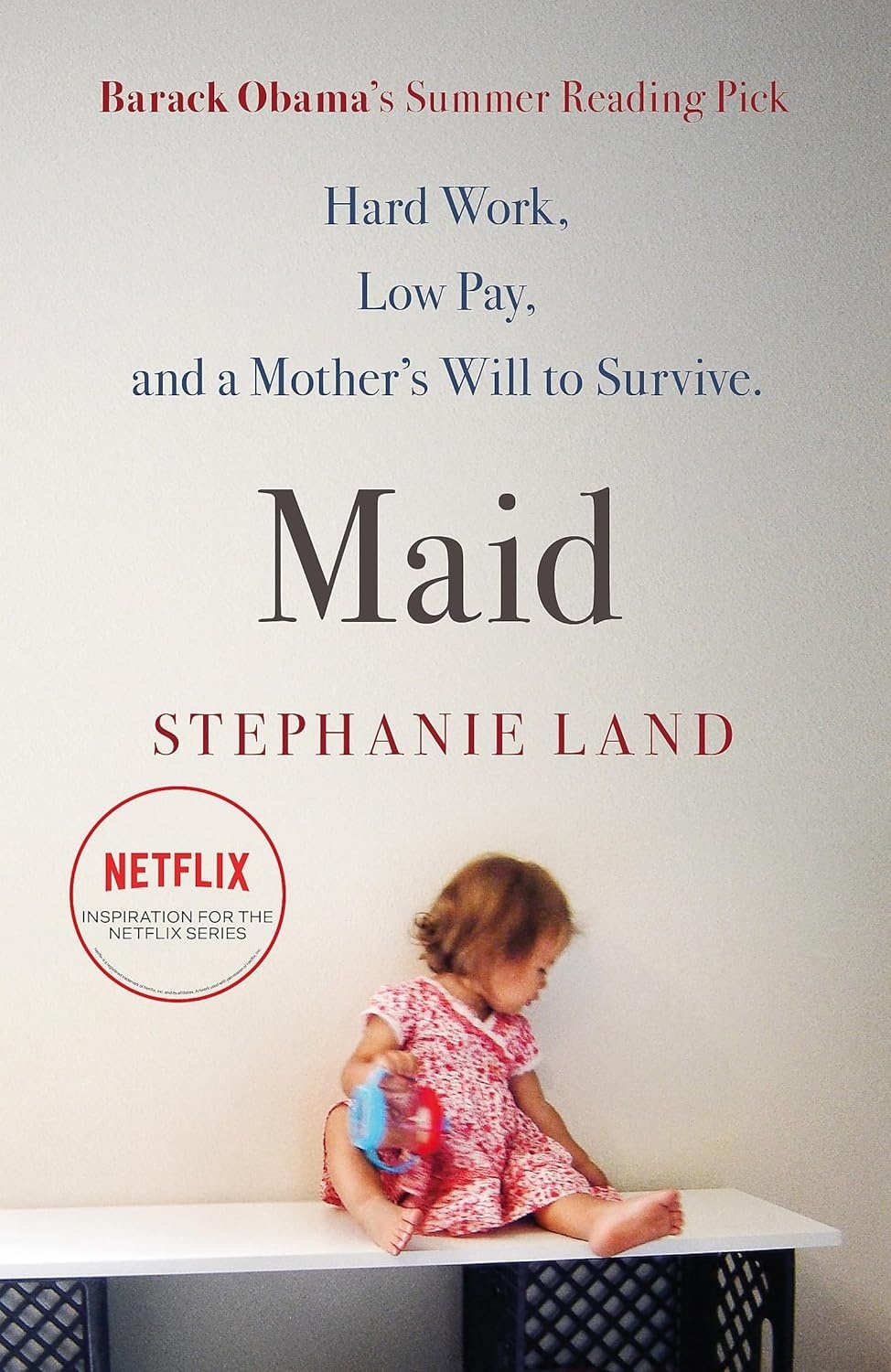
Cover of Maid: Hard Work, Low Pay, and a Mother's Will to Survive

Maid: Hard Work, Low Pay, and a Mother's Will to Survive

Ehrenreich dragged low-wage America into brutal daylight with punchy outrage and sharp humor. Stephanie Land's Maid answers that craving with a mother scrubbing toilets, dodging eviction, and skewering systemic traps—same visceral fury, amplified stakes, zero sugarcoating.

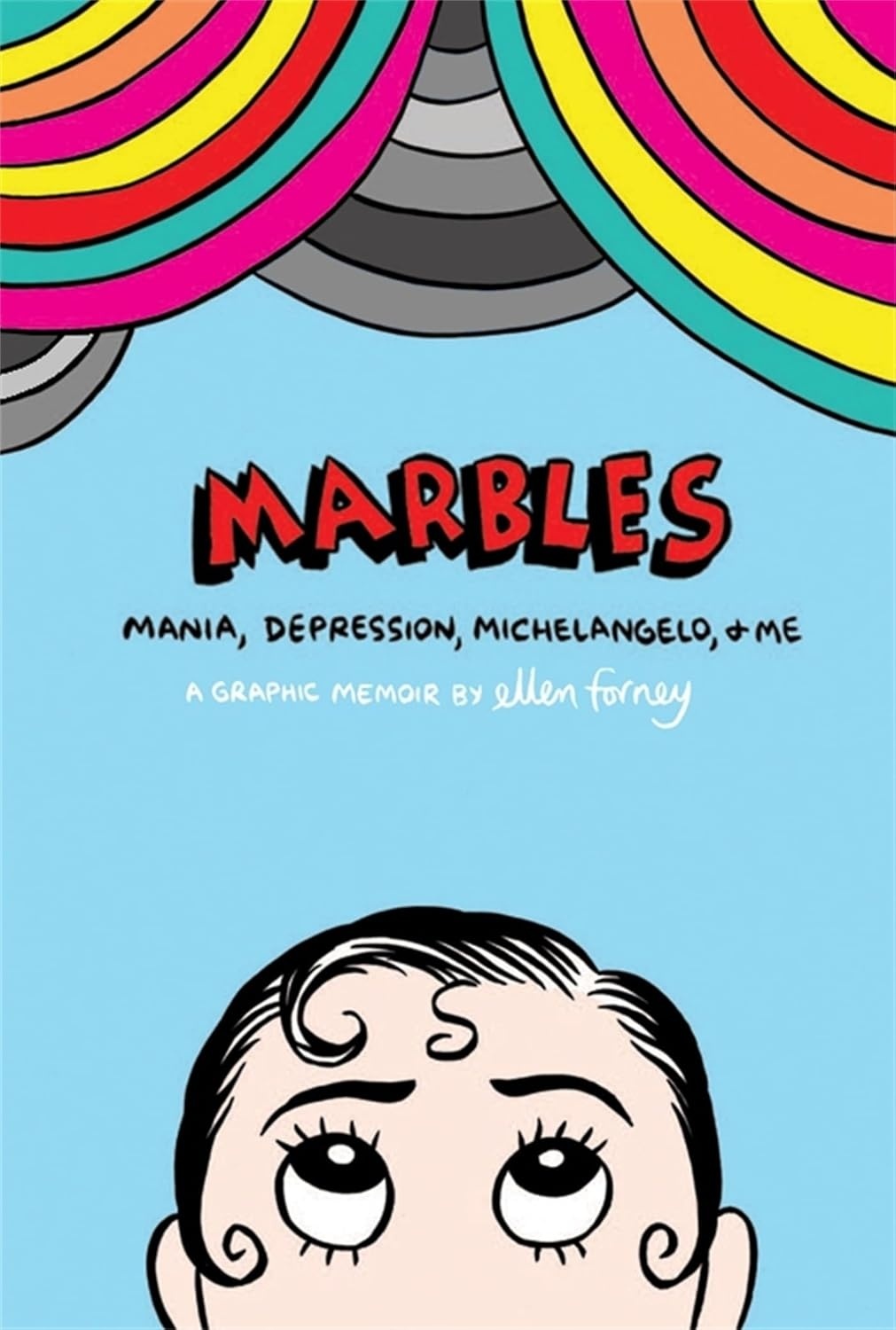
Cover of Marbles: Mania, Depression, Michelangelo, and Me

Marbles: Mania, Depression, Michelangelo, and Me

If Allie Brosh's Hyperbole and a Half had you cackling through your own mental meltdowns with her crude drawings and brutal honesty about flawed coping, you're not alone in that chaotic vibe. Ellen Forney's Marbles amps up the mayhem with bipolar twists, turning artistic spirals into hyperbolic sagas of vulnerability and dark comedy. It's the perfect follow-up for quirky overthinkers who laugh at life's dumpster fires.

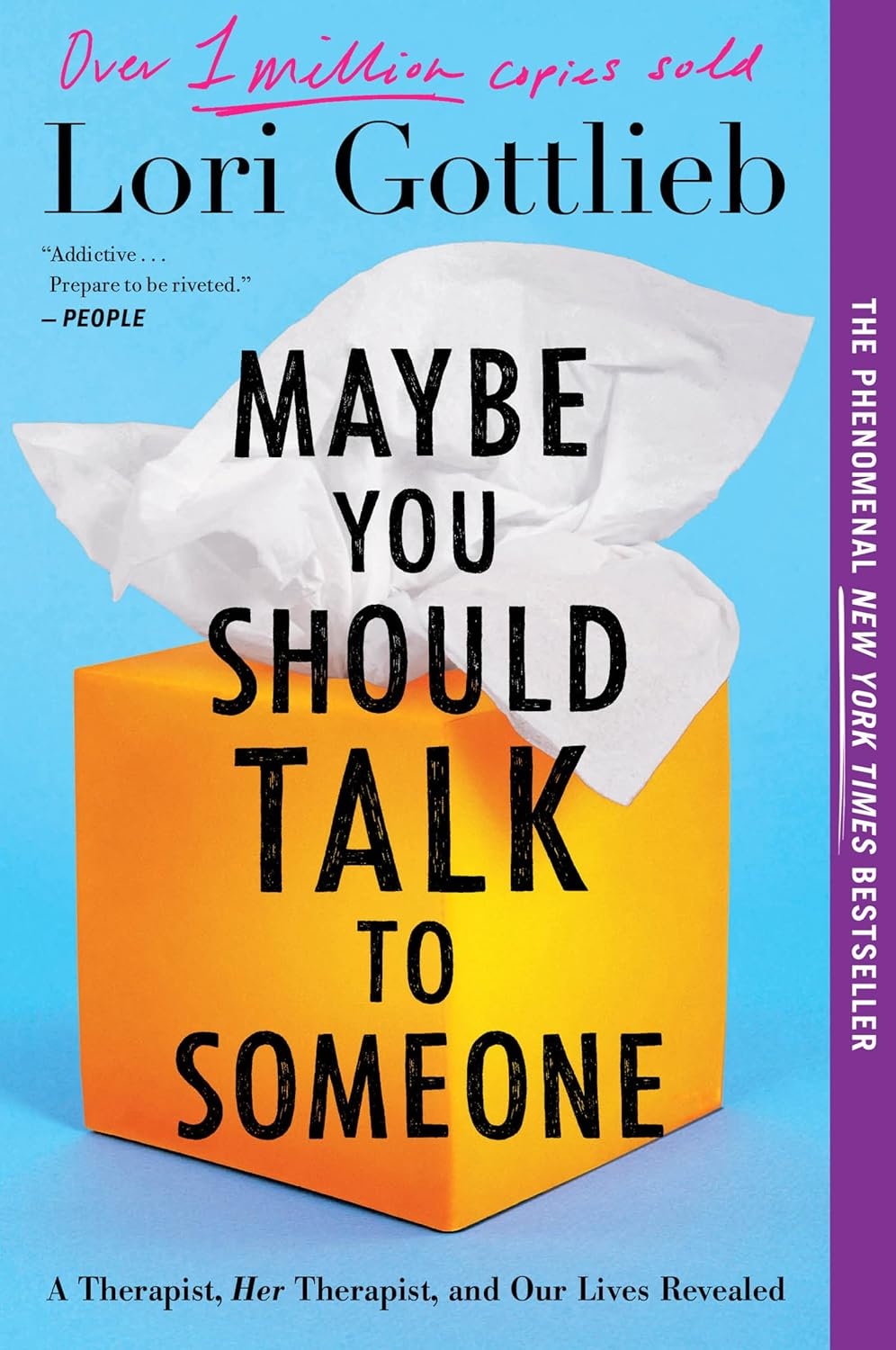
Cover of Maybe You Should Talk to Someone

Maybe You Should Talk to Someone

If Elizabeth Gilbert's bold escape to Italy, India, and Bali ignited your wanderlust for self-reinvention, Lori Gottlieb's 'Maybe You Should Talk to Someone' delivers that same raw vulnerability from the therapist's couch. Dive into her hilarious, heartfelt tales of emotional breakdowns and breakthroughs, blending client stories with her own therapy arc for an uplifting path to healing without the passport. It's the perfect follow-up for fans hooked on humor-infused personal growth and relatable life struggles.

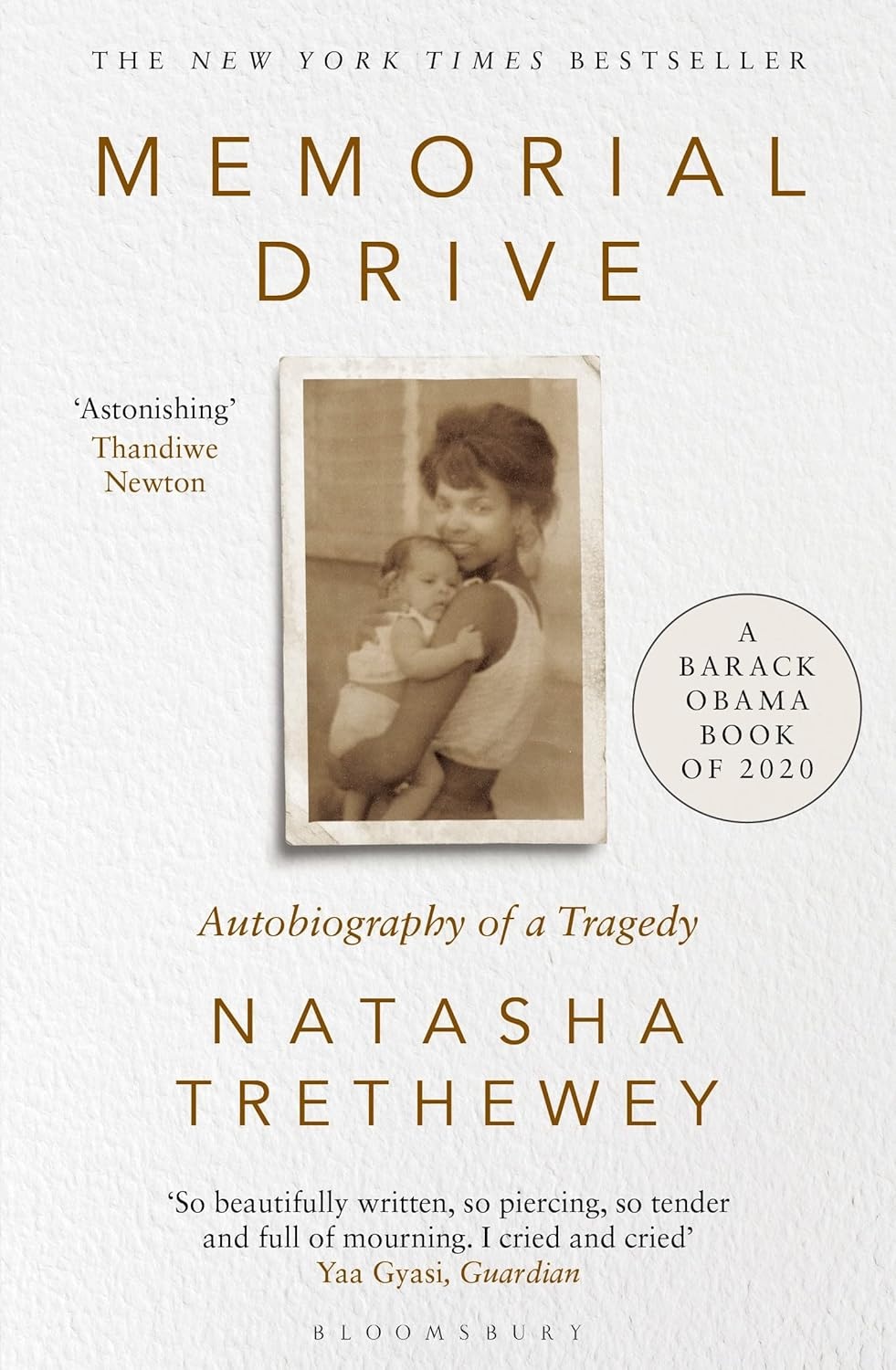
Cover of Memorial Drive

Memorial Drive

Memorial Days captivated you because Brooks refused to perform grief—she dissected it with a journalist's precision and a survivor's honesty. You loved how she turned personal tragedy into cultural commentary without inflating its scale, weaving memory and historical change into something that felt like truth, not therapy. That rare blend of intellectual rigor and raw vulnerability is exactly what makes our recommendation unforgettable.

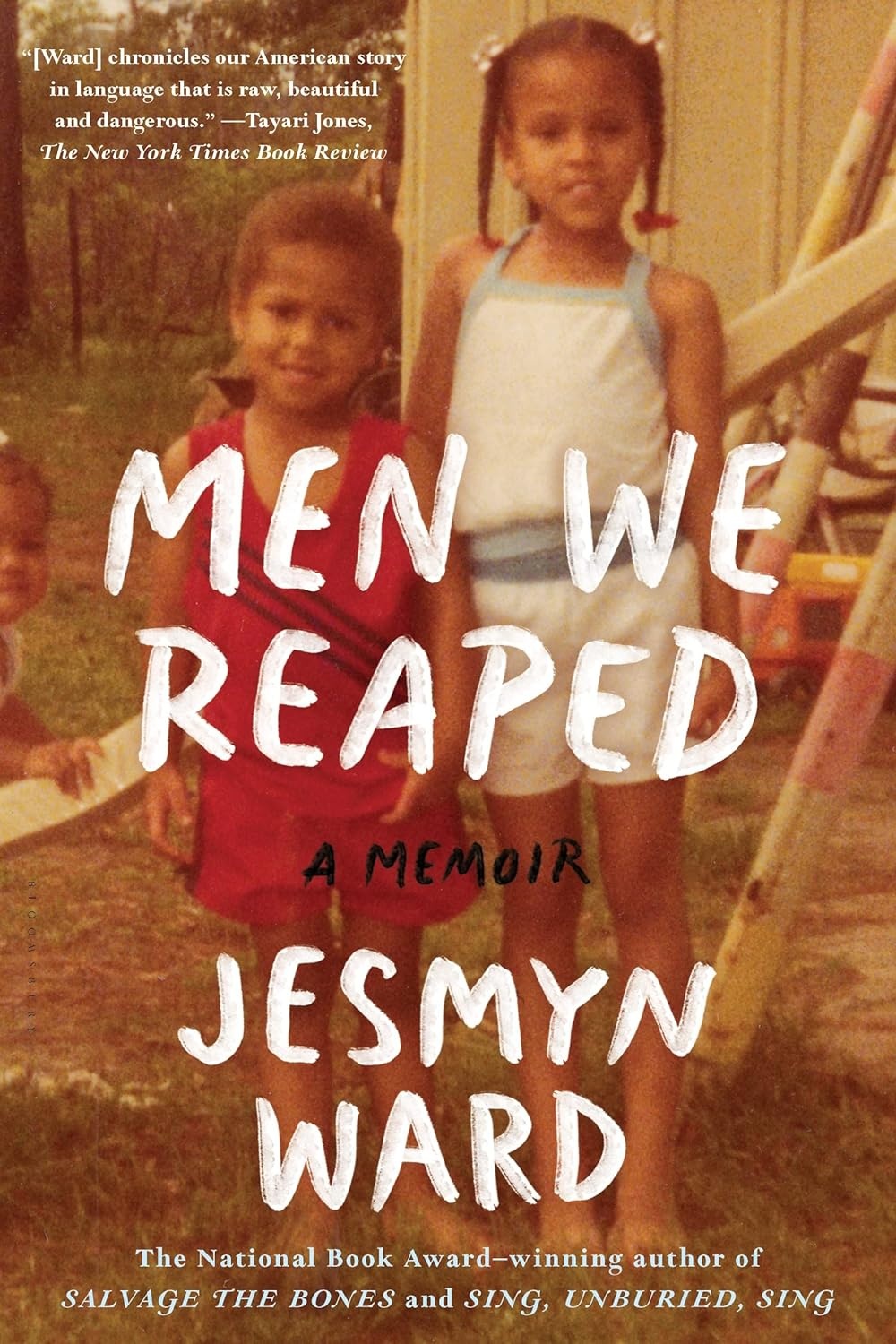
Cover of Men We Reaped

Men We Reaped

If Angelou's refusal to prettify trauma hit you in the chest, Ward's Men We Reaped continues that brutal honesty in the modern South. Five deaths, one coming-of-age, zero easy answers—just the same poetic precision that makes survival unforgettable. This is grief as truth-telling, not inspiration porn.

Cover of Merle's Door: Lessons from a Freethinking Dog

Merle's Door: Lessons from a Freethinking Dog

If Marley's destructive chaos validated your messy, imperfect life, Merle takes that untamed energy into the Wyoming backcountry—where loyalty doesn't need a leash and life lessons arrive muddy-pawed. Ted Kerasote's freethinking dog dismantles every assumption about what it means to let an animal live on his own terms, delivering the same tear-streaked laughter and emotional gut-punches that made you fall for Grogan's Lab. This is your next fix for authentic, hilarious, heartbreaking pet memoir magic.

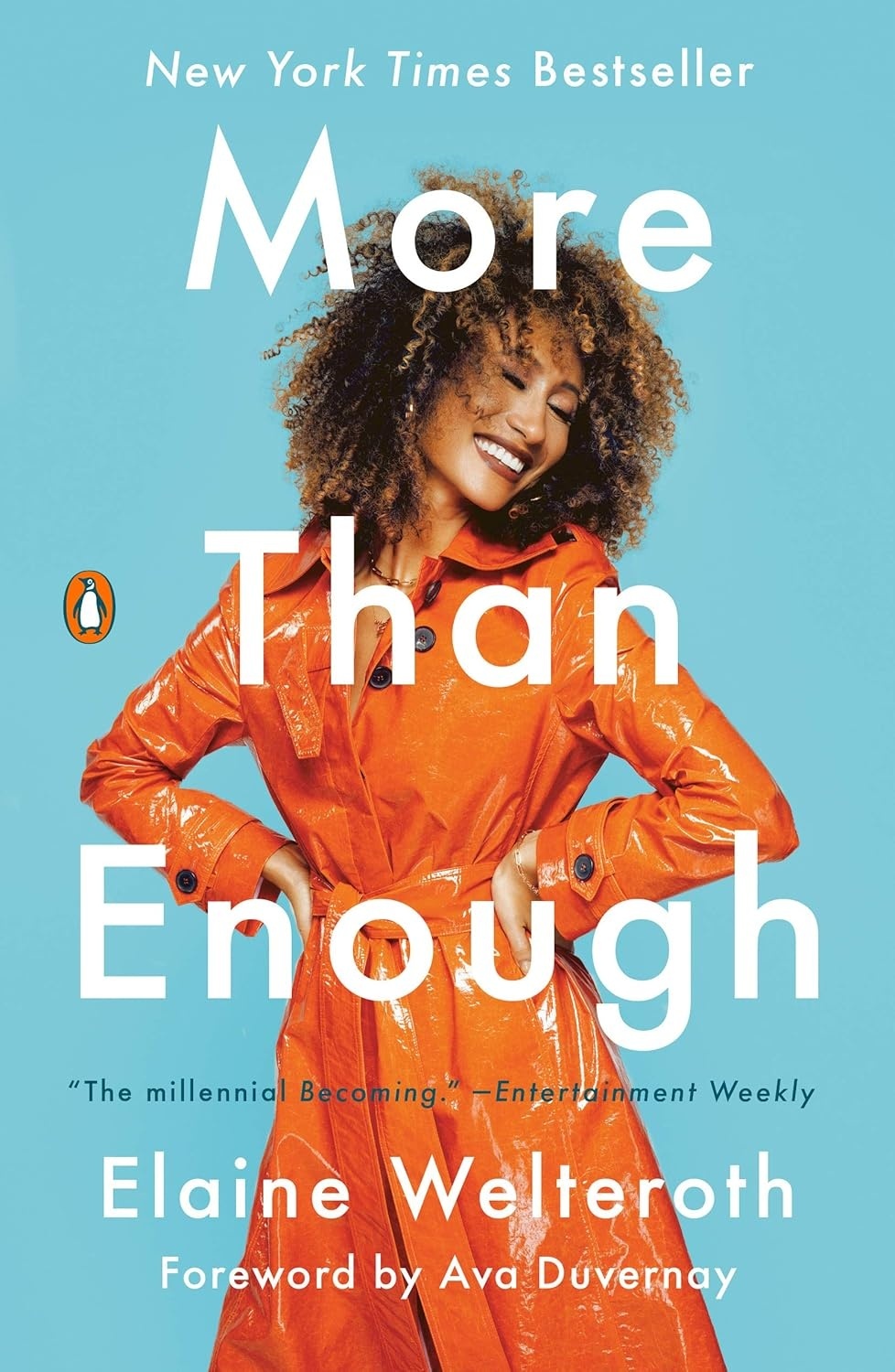
Cover of More Than Enough

More Than Enough

Simply More captivated with its unapologetic dismantle of the 'strong Black woman' trope, exposing the exhausting realities of racial barriers and industry biases through Cynthia Erivo's lyrical, vulnerable prose. Fans loved how it blended personal triumph with motivational insights, rejecting sanitized success for authentic self-love journeys that resonate deeply with marginalized voices. Dive into More Than Enough by Elaine Welteroth for that same rhythmic manifesto of empowerment, turning systemic struggles into actionable blueprints for ambition without apology.

Cover of More Than Enough

More Than Enough

You fell hard for 'The Look' because it decoded Michelle Obama's wardrobe as armor against adversity, blending personal stories with style tips that scream feminine invincibility. It's that vicarious thrill of watching a strong Black woman rise from humble roots to global icon, inspiring your own quest for poised resilience without the grit. Now imagine amplifying that empowerment with another trailblazer's journey through media empires, weaponizing wit and fashion for unfiltered self-worth.

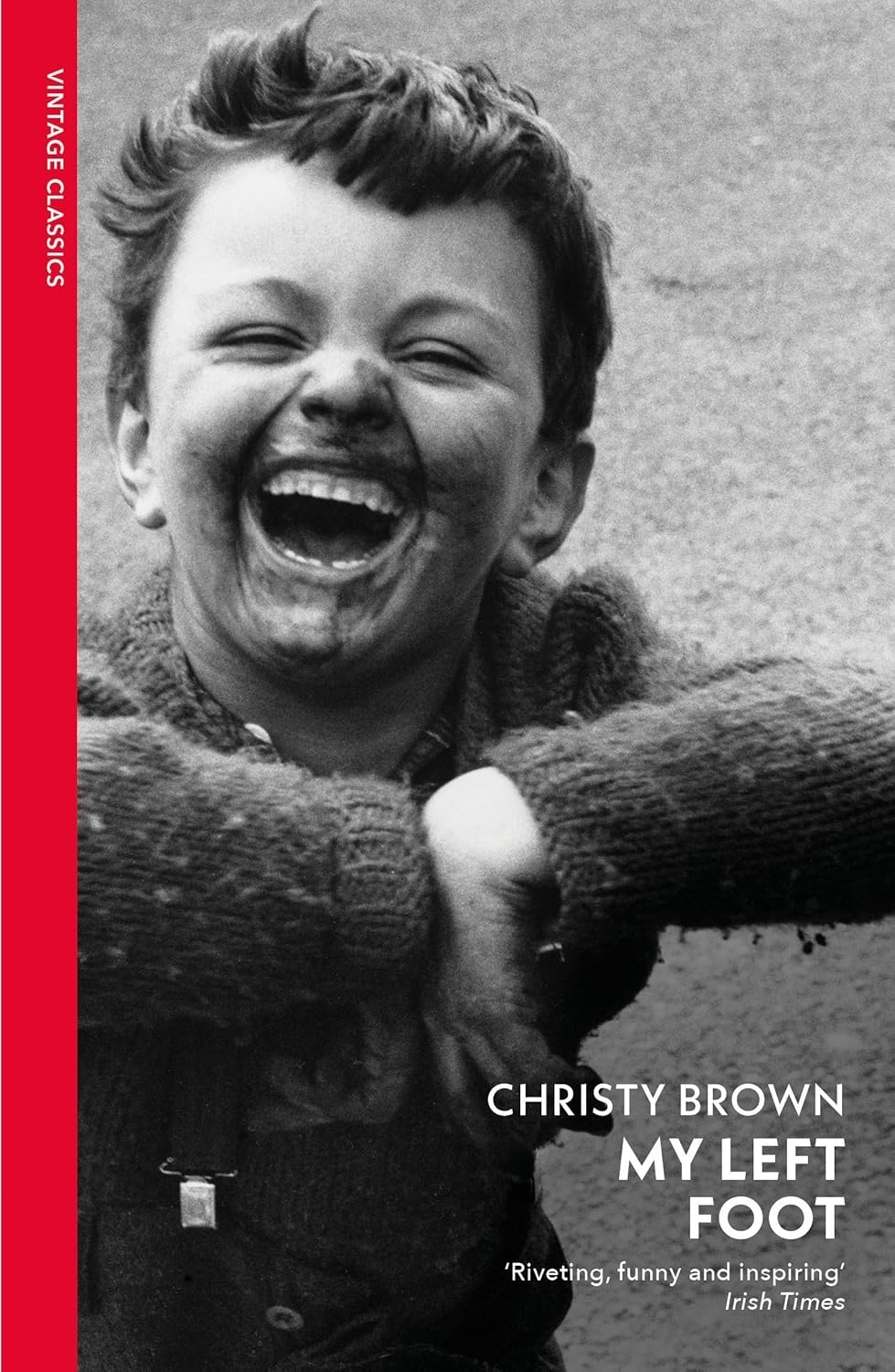
Cover of My Left Foot

My Left Foot

Helen Keller's 'The Story of My Life' captivated with its unyielding triumph over sensory isolation, turning barriers into beacons of hope through education and inner strength. 'My Left Foot' by Christy Brown mirrors this pulse of resilience, chronicling a young man's rise from cerebral palsy constraints to artistic brilliance amid family grit. Share the inspiration of these stories that prove adversity forges unbreakable spirits.

Cover of Not That Fancy

Not That Fancy

Dolly Parton's Star of the Show hooked you with its raw celebration of Southern grit, glamorous resilience, and wisecracking anecdotes from a self-made icon who rose from humble roots without playing the victim. Reba McEntire's Not That Fancy pulls up a chair with the same down-home charm, spilling hilarious showbiz secrets laced with faith, family values, and no-nonsense life lessons that mirror your own triumphs. It's the ultimate feel-good escape for fans of authentic country music lore and strong women who sparkle through adversity.

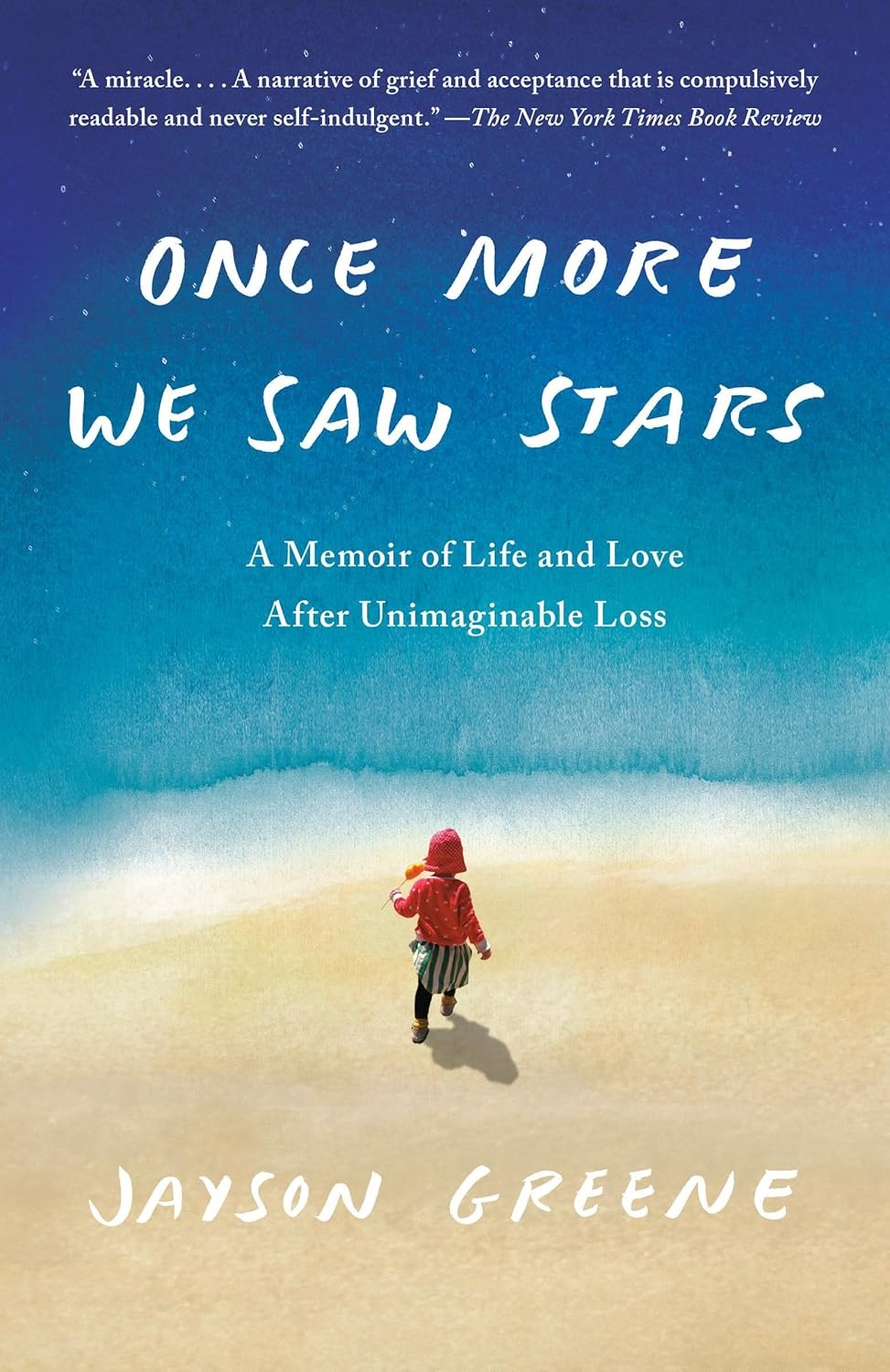
Cover of Once More We Saw Stars

Once More We Saw Stars

Joan Didion's 'The Year of Magical Thinking' resonates with its cool, precise dissection of bereavement, turning personal devastation into a meditative art form without saccharine platitudes. Readers adore how it validates magical thinking and suppressed vulnerabilities through journalistic rigor and emotional honesty. For a follow-up like 'Once More We Saw Stars' by Jayson Greene, dive into recommendations that mirror that stoic introspection on human frailty and resilience.

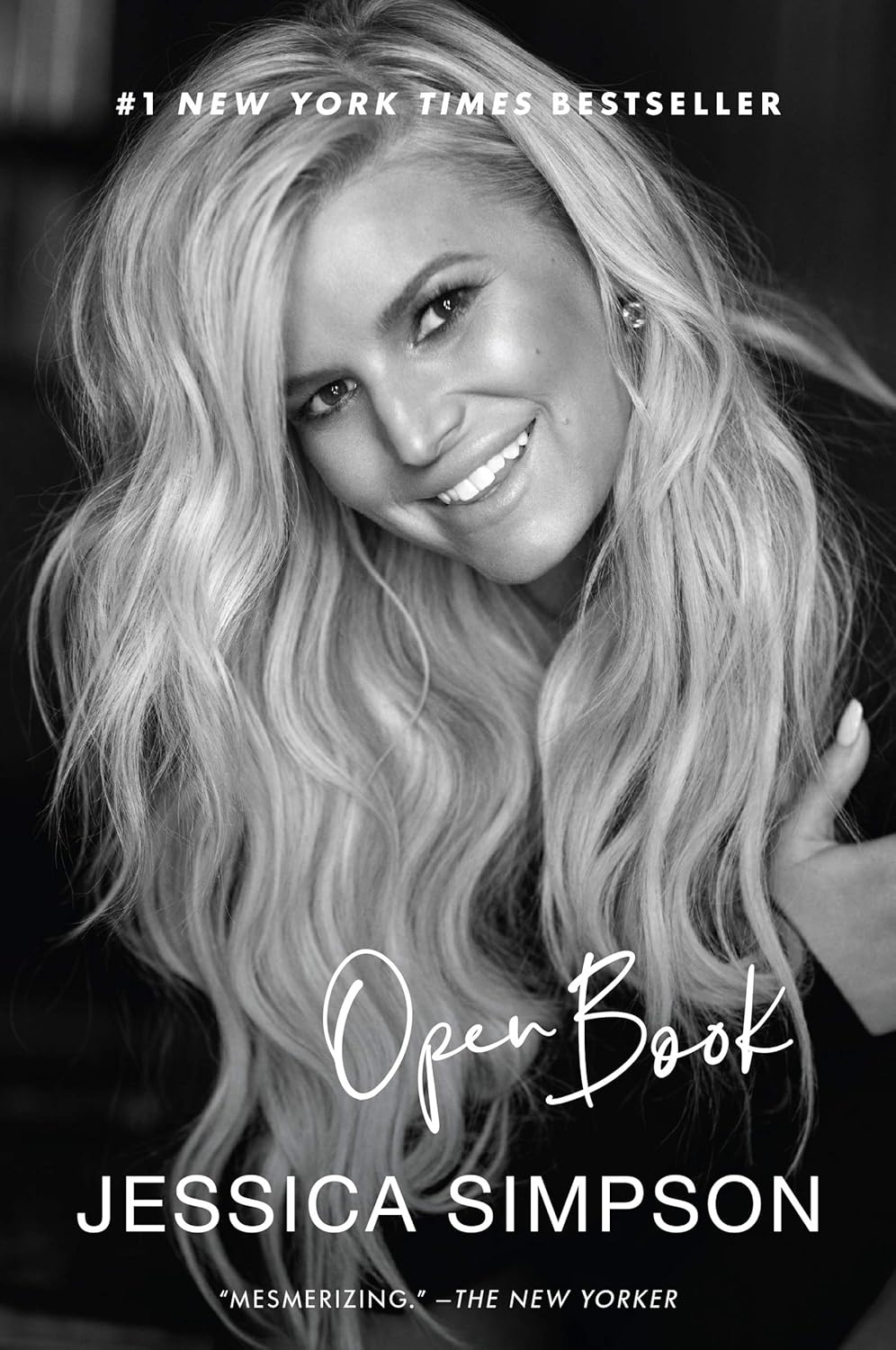
Cover of Open Book

Open Book

Tom Felton pulled back the Hogwarts curtain with raw honesty about fame's toll—Jessica Simpson does the same for early-2000s pop stardom. If you loved Felton's refusal to sanitize his rehab struggles and typecasting battles, Simpson's confessions about tabloid chaos, romantic disasters, and the messy reality behind her polished pop princess image will hit the same unfiltered nerve. It's nostalgic, wickedly honest, and built for readers who crave authenticity over Instagram perfection.

Cover of Open Book

Open Book

Valerie Bertinelli made you feel seen with her unflinching confessions about dieting, divorce, and Hollywood's impossible standards. Jessica Simpson's memoir hits with that same gut-punch honesty—another familiar face tearing down the glossy facade to reveal emotional eating, relentless scrutiny, and messy comebacks. This is catharsis for women who've loved imperfectly and emerged stronger without pretending they've got it all figured out.

Cover of Open Book

Open Book

If you loved Rinna's Bravo-style confessional—glossy, theatrical, performative honesty that gives you permission to gawk and empathize—Jessica Simpson's Open Book serves the same velvet-rope access with actual emotional stakes. You get the industry dirt, the wardrobe forensics, and Instagram-ready lines, but also messy domesticity and reinvention arcs that feel earned, not just branded.

Cover of Operation Pineapple Express

Operation Pineapple Express

Benjamin Hall's Saved hit hard because it refused to soften the wreckage—no media gloss, just survival and the bureaucratic betrayal that followed. If that raw honesty about what war costs and who gets abandoned resonated, Operation Pineapple Express takes you into Kabul's final collapse, where Green Berets stopped waiting for permission and launched an off-the-books mission to save their own. It's the patriotic fury and faith-fueled grit you crave, documented by operators who know institutional failure isn't an excuse.

Cover of Priestdaddy

Priestdaddy

If Sedaris's weaponized family dysfunction made you ugly-laugh in public, Priestdaddy serves that same cathartic chaos—but with a gun-hoarding priest father who shreds metal guitar in his underwear. Lockwood's self-deprecating scalpel cuts just as deep, transforming religious absurdity into the kind of hilariously human memoir that validates every neurotic impulse you've ever had.

Cover of Red Comet: The Short Life and Blazing Art of Sylvia Plath

Red Comet: The Short Life and Blazing Art of Sylvia Plath

Dark Renaissance captivated you with its surgical dissection of Marlowe's reckless brilliance—a dangerous artist whose atheism and ambition collided with Elizabethan brutality. If you craved that raw, unsanitized portrait of genius weaponizing language against an era desperate to silence them, brace yourself for another archival deep dive into a literary provocateur's short, blazing life where ambition met suffocation.

Cover of Shoe Dog

Shoe Dog

If Steve Jobs hooked you with its raw portrait of a flawed visionary bending reality through sheer willpower, Shoe Dog delivers that same addictive formula: Phil Knight's unfiltered confession of building Nike from countercultural wanderer to corporate titan, exposing every financial crisis, legal battle, and personal sacrifice along the way. It's the blueprint for obsessive ambition you've been craving, just swap Cupertino for swooshes.

Cover of Shortest Way Home

Shortest Way Home

If Obama's prose made presidential struggle feel intimately human, Buttigieg's Rust Belt memoir does the same for local power—transforming municipal governance into profound reflections on leadership, vulnerability, and the cost of breaking barriers as an outsider. It's that rare political book that chooses moral clarity over résumé-building, offering the same articulate hope that made A Promised Land so comforting.

Cover of Shy

Shy

If you loved Shaiman's raconteur swagger and backstage honesty, Shy delivers that same insider energy—Mary Rodgers and Jesse Green trade self-deprecating quips across the margins, turning memoir into master class without losing the glee or the grind. It's unsentimental, affectionate, and packed with the process wisdom craft-minded readers crave: collaboration etiquette, killing darlings, and why longevity taxes matter more than opening-night champagne.

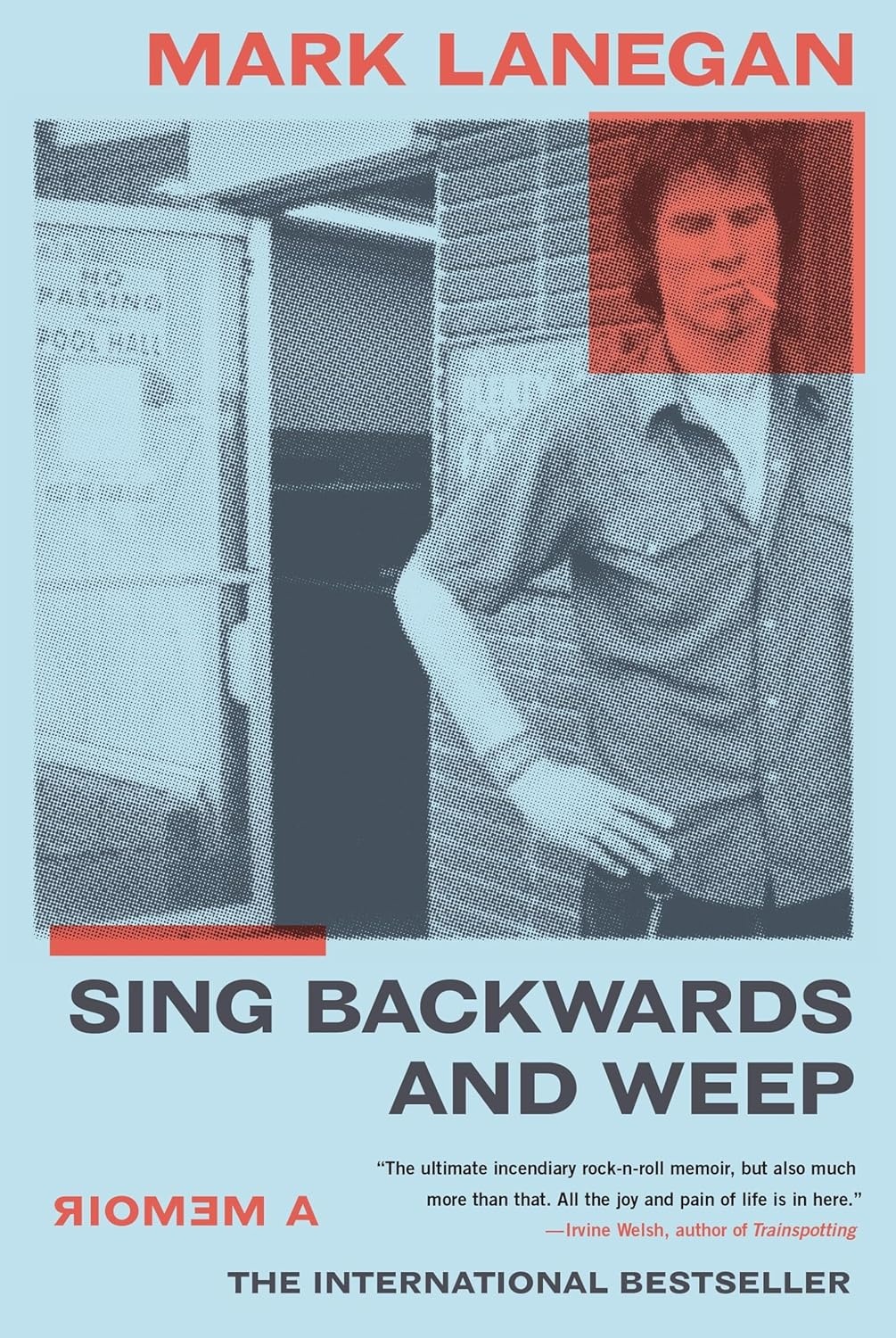
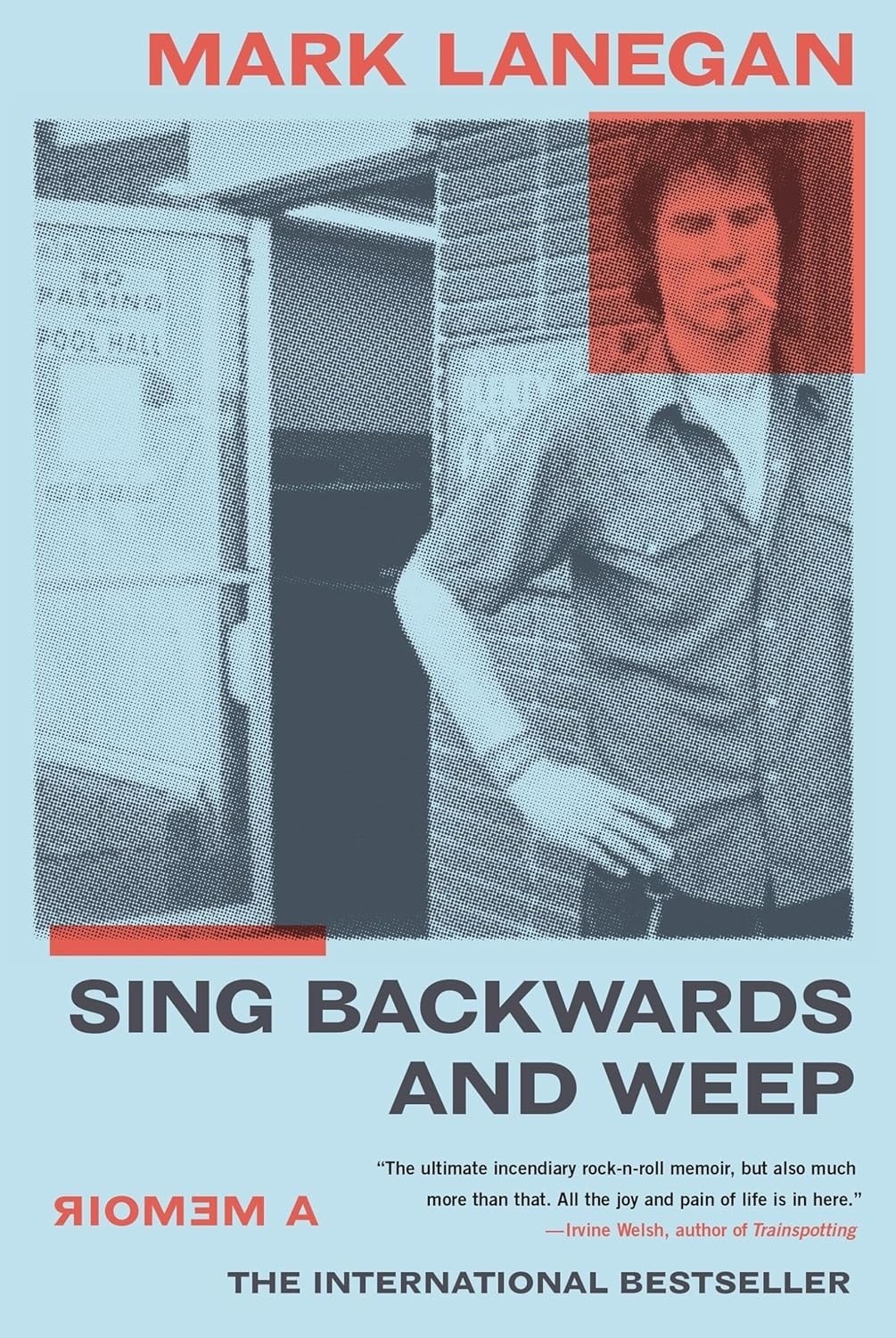
Cover of Sing Backwards and Weep

Sing Backwards and Weep

Dave Grohl made you laugh through every tour van disaster. Mark Lanegan stayed up till dawn confessing what survival in the Seattle grunge scene actually cost. Same unvarnished honesty, same refusal to sanitize the myth—but this is the darker twin, dragging you through the beautiful wreckage with brutal humor and zero apologies.

Cover of Sing Backwards and Weep

Sing Backwards and Weep

If Layne Staley's 'This Angry Pen of Mine' hooked you with its unflinching plunge into heroin's grip and the music industry's hypocritical rot, brace for more. Mark Lanegan's 'Sing Backwards and Weep' mirrors that Pacific Northwest shadow, blending dark humor with visceral confessions of fame's wreckage. It's the raw extension grunge fans crave—no sugarcoating, just pure cathartic truth.

Cover of Sociopath

Sociopath

If Crum's chaotic bestie energy felt like the first time someone didn't flinch at your worst impulses, this memoir doubles down with the same raw honesty—only this time, it's sociopathy laid bare. Expect gallows humor about stealing, masking the razor-sharp crazy behind a normal face, and zero therapy-speak platitudes. Just blood-soaked validation and the sticky aftermath of impulses that make you laugh and wince simultaneously.

Cover of Speaking for Myself

Speaking for Myself

If Melania's elegant defiance against tabloid hysteria left you craving more dignified White House truth-telling, Sarah Huckabee Sanders delivers the same steely grace from the podium's front lines. Here is another woman who refused to flinch under the klieg lights, who balanced motherhood and duty while the media machine churned, who chose loyalty and faith over performative outrage. This is dignified insider truth-telling for readers who know grace under fire when they see it.

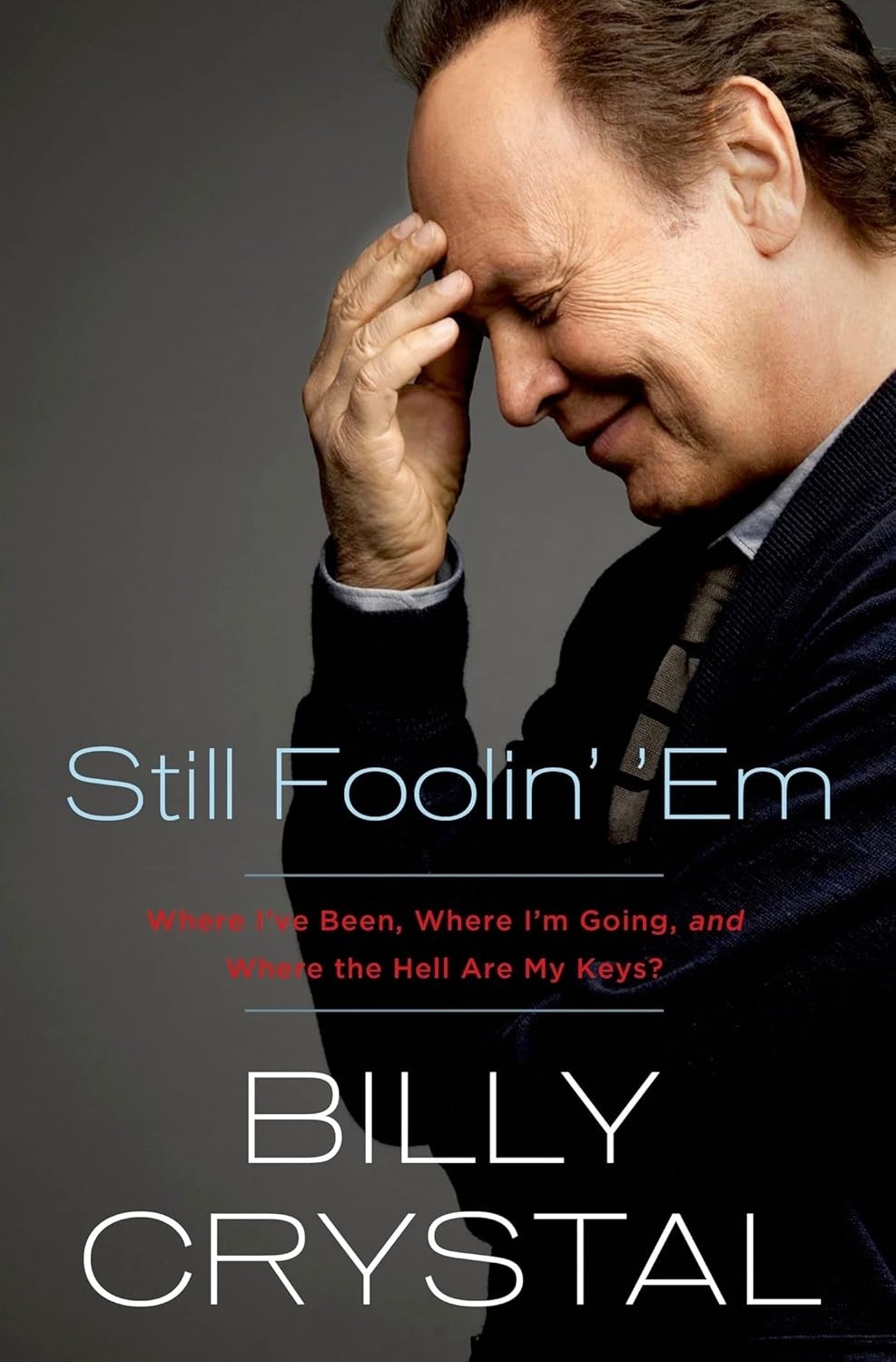
Cover of Still Foolin' 'Em: Where I've Been, Where I'm Going, and Where the Hell Are My Keys?

Still Foolin' 'Em: Where I've Been, Where I'm Going, and Where the Hell Are My Keys?

You fell hard for Dick Van Dyke's nostalgic charm and light-hearted wisdom in '100 Rules for Living to 100,' where he turns aging into a joyful dance with punchy anecdotes and zero gloom. Billy Crystal's 'Still Foolin' 'Em' amps up that same showbiz sparkle, roasting life's absurdities with resilient humor that proves Hollywood icons only get funnier with time. If Van Dyke's grandfatherly vibe empowered you to embrace longevity with a wink, this follow-up delivers the same empowering laughs and timeless tips for thriving beyond midlife.

Cover of Taste: My Life Through Food

Taste: My Life Through Food

Henry Winkler's 'Being Henry' captivated with its unfiltered Hollywood anecdotes, self-deprecating humor, and vulnerable dyslexia journey that resonated like a comforting chat with an old friend. Stanley Tucci's 'Taste: My Life Through Food' echoes that magic, blending witty food stories, cancer battles, and family nostalgia into a heartfelt feast of resilience and laughs. It's the perfect follow-up for fans seeking authentic celeb insights without the gloss.

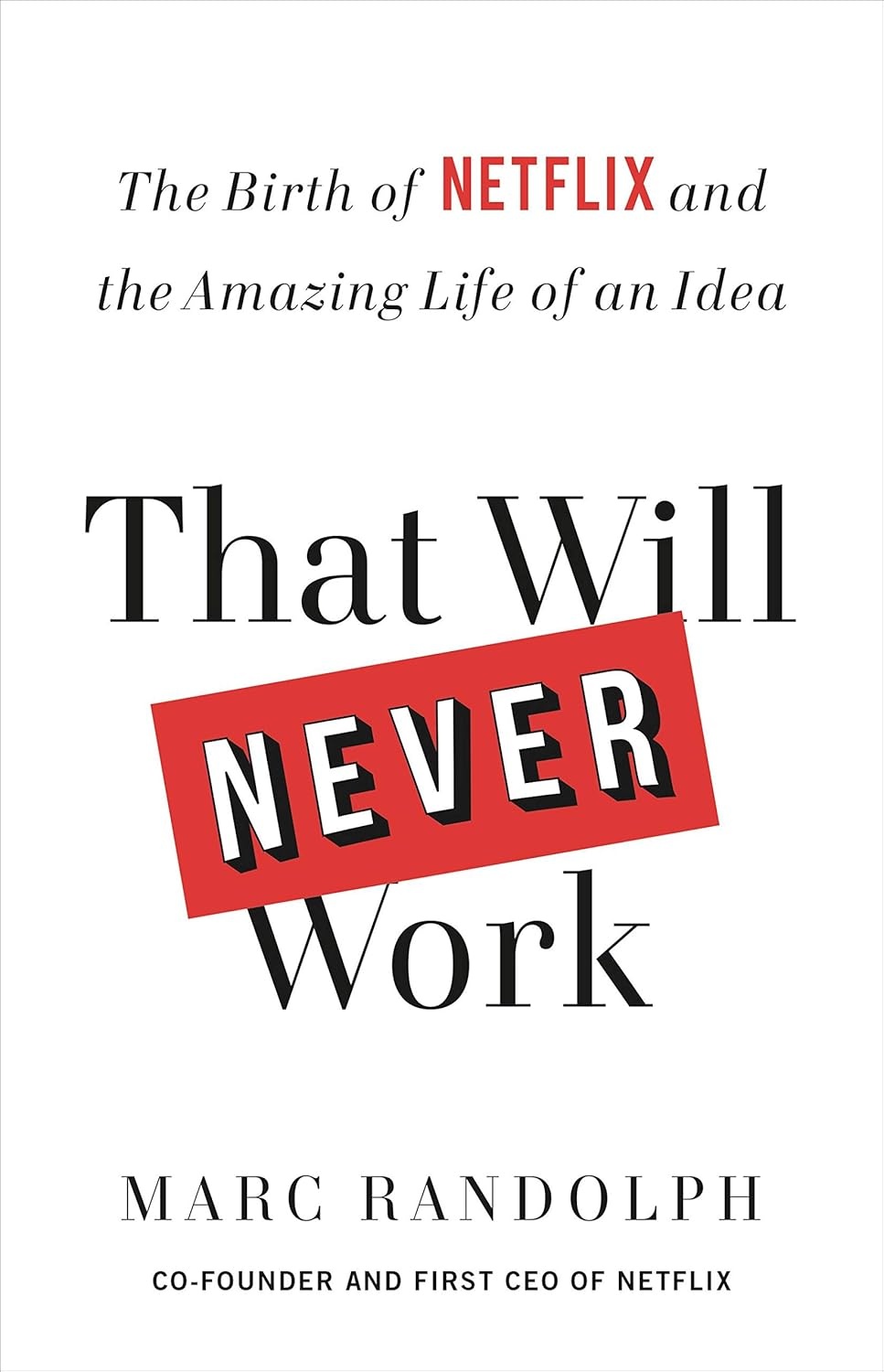
Cover of That Will Never Work

That Will Never Work

If Gates' unfiltered ambition in Source Code hit you hard, Marc Randolph's Netflix origin story delivers the same garage-hacker intensity—brutal pivots, laughable pitches turned industry-shaking, and the moral gray zones founders navigate when survival demands impossible choices. It's the insider blueprint for building something wild, strategic blunders included.

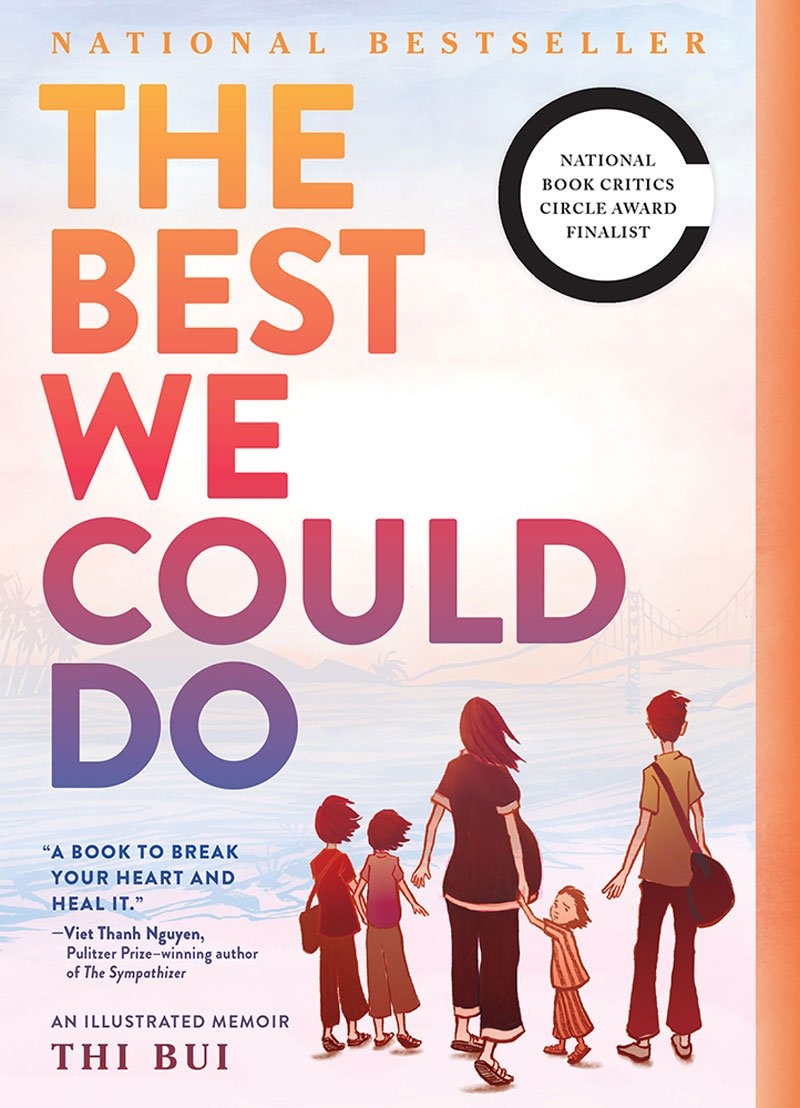
Cover of The Best We Could Do

The Best We Could Do

Persepolis hooked you with its stark black-and-white visuals capturing a girl's rebellious spirit amid Iran's political chaos, blending humor, irony, and brutal honesty about family dynamics and personal freedoms. Thi Bui's 'The Best We Could Do' delivers that same punch through subtle shading and expressive lines, demystifying Vietnam's war-torn history via a daughter's unflinching look at her parents' sacrifices and immigrant struggles. It's the perfect follow-up for fans craving authentic, non-Western narratives that provoke empathy without preachiness.

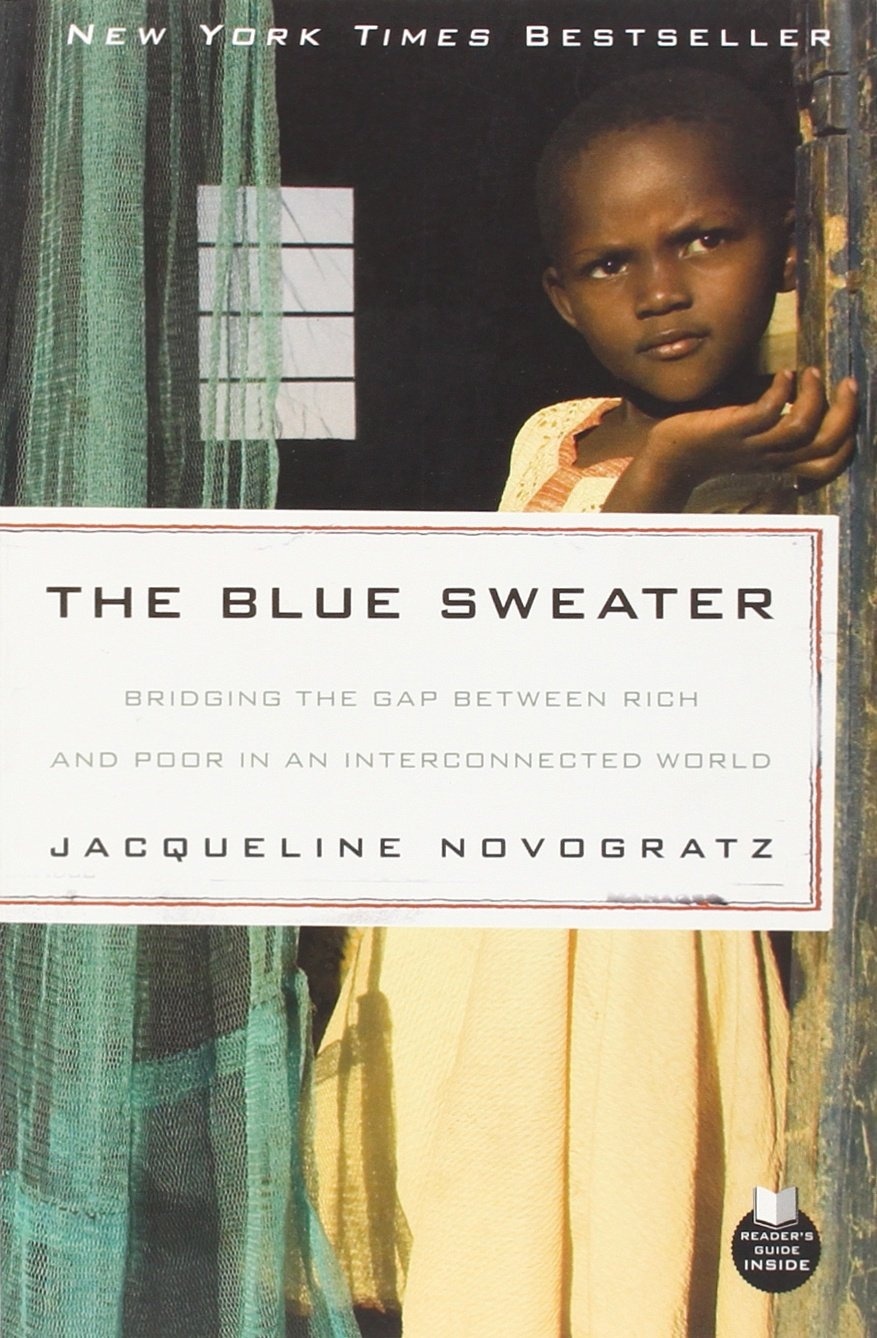
Cover of The Blue Sweater

The Blue Sweater

You devoured Three Cups of Tea for its raw adventure in remote peaks, where a flawed everyman builds schools and forges cross-cultural bonds amid peril and promise. Now, The Blue Sweater delivers that same thrill of grassroots triumph, with a protagonist's redemption through African villages, empowering women and sparking hope against poverty's grip. It's the feel-good escapism that affirms your inner humanitarian, blending memoir magic with optimistic vibes for liberal souls craving vicarious heroism.

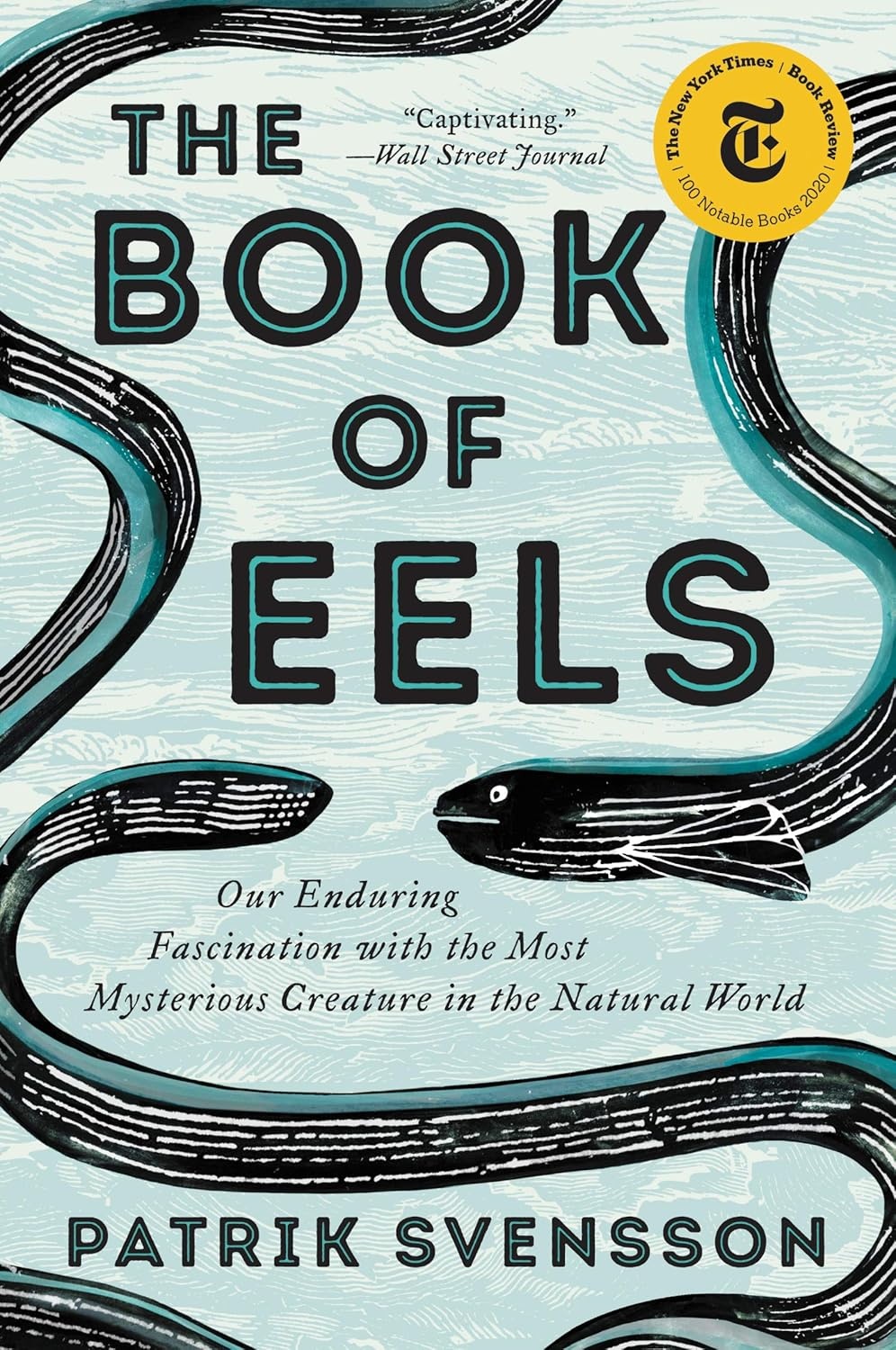
Cover of The Book of Eels

The Book of Eels

You loved Raising Hare because it refused to prettify chaos—just a woman, a talking hare, and the messy work of finding meaning without platitudes. If that blend of tactile wonder and unflinching vulnerability hooked you, you need stories that mirror that same quiet rebellion: nature's enigmas as catalysts for grief, renewal, and the ache of things we can't name.

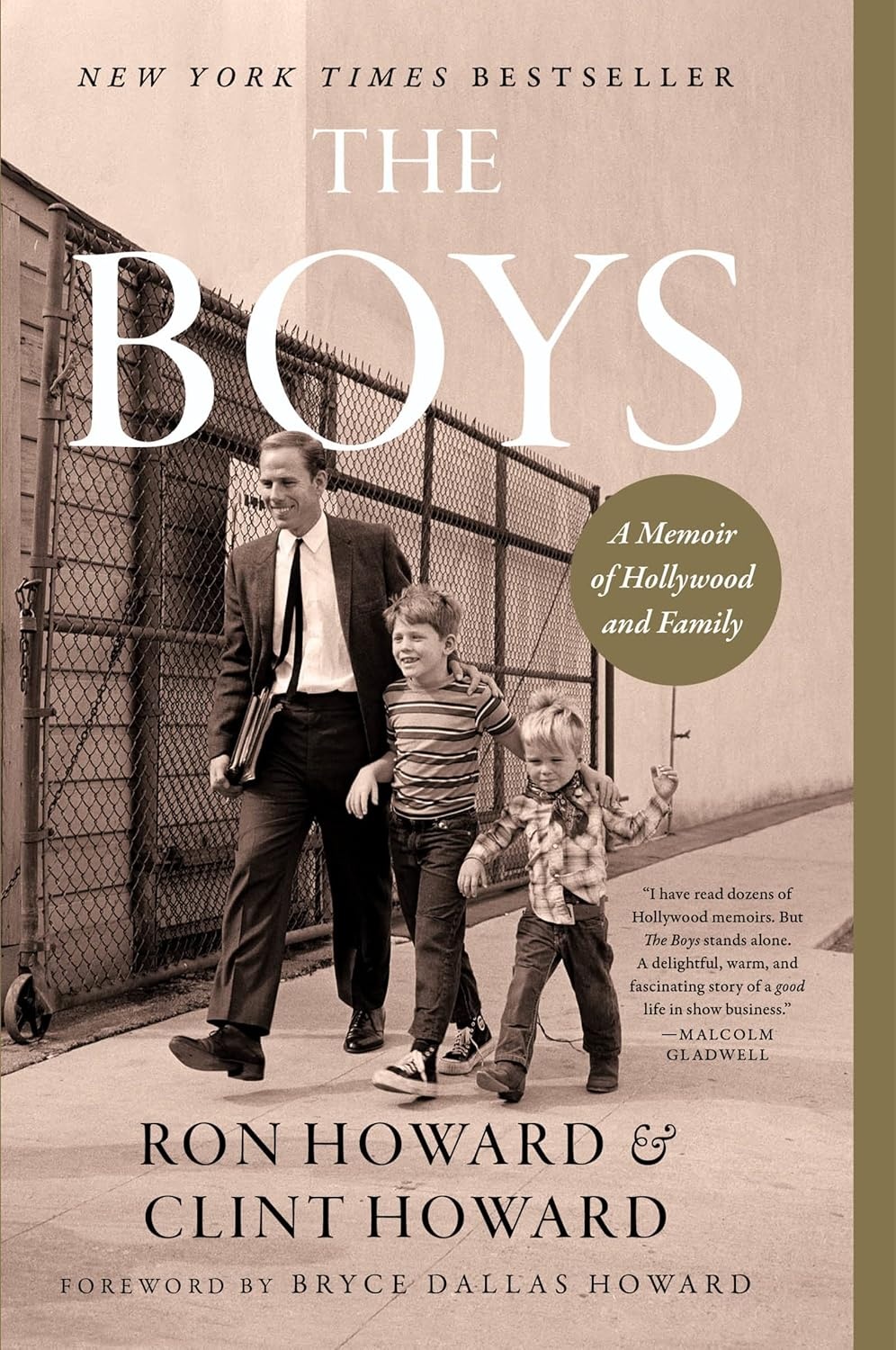
Cover of The Boys

The Boys

You fell for The Office BFFs because Jenna and Angela's friendship felt like the real magic behind the cameras. Ron and Clint Howard's memoir delivers that same intimate warmth through sibling bonds and Hollywood stories—trading Scranton for Mayberry, but keeping all the cozy nostalgia, vintage photos, and low-stakes backstage gossip that made you feel like an insider. It's affirming, binge-readable, and wrapped in the kind of humorous family resilience that reminds you why these shows mattered in the first place.

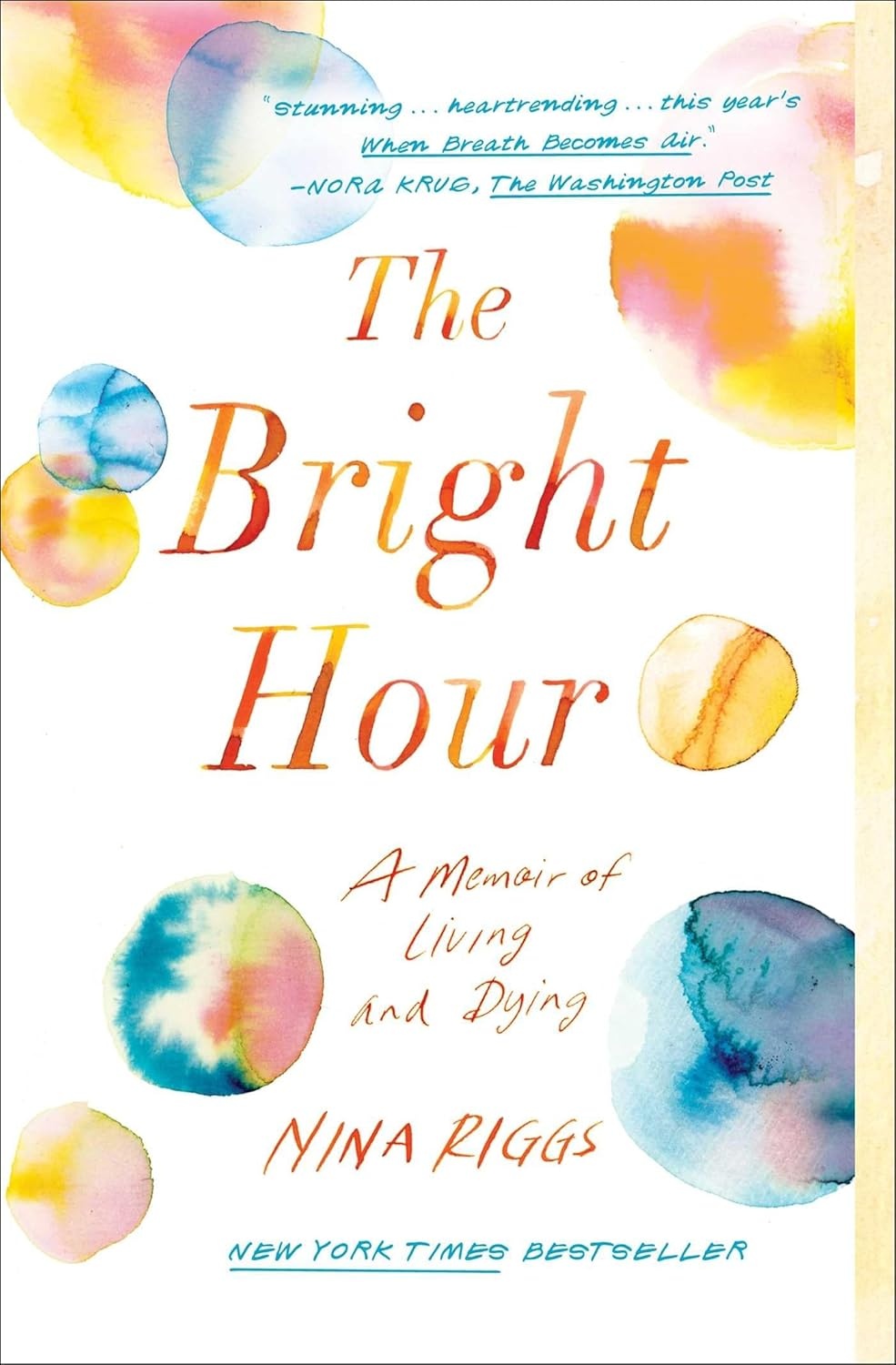
Cover of The Bright Hour

The Bright Hour

Paul Kalanithi's 'When Breath Becomes Air' hit hard with its neurosurgeon's unflinching stare into death's abyss, blending clinical precision with profound philosophical insights that make you question life's meaning. Fans adored the raw vulnerability of a high-achiever humbled by cancer, turning personal despair into a universal meditation on resilience and impermanence. For those seeking more of that intellectual catharsis, 'The Bright Hour' by Nina Riggs echoes it perfectly—poetic, witty, and brutally honest in facing mortality as a mother and writer.

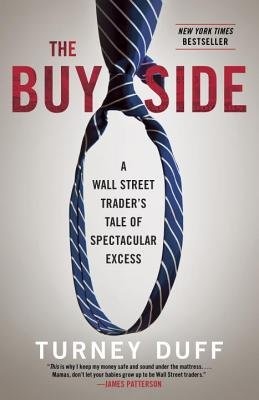
Cover of The Buy Side

The Buy Side

Streetwise gave you the closed-door deals room—now Turney Duff takes you onto the trading floor where every late-night decision is a masterclass in reading counterparties, surviving reputational fallout, and weaponizing ambition. The Buy Side is confession as mentorship: same schadenfreude, same arrogance, same intoxicating mix of complicity and competence that made you screenshot Blankfein's maxims.

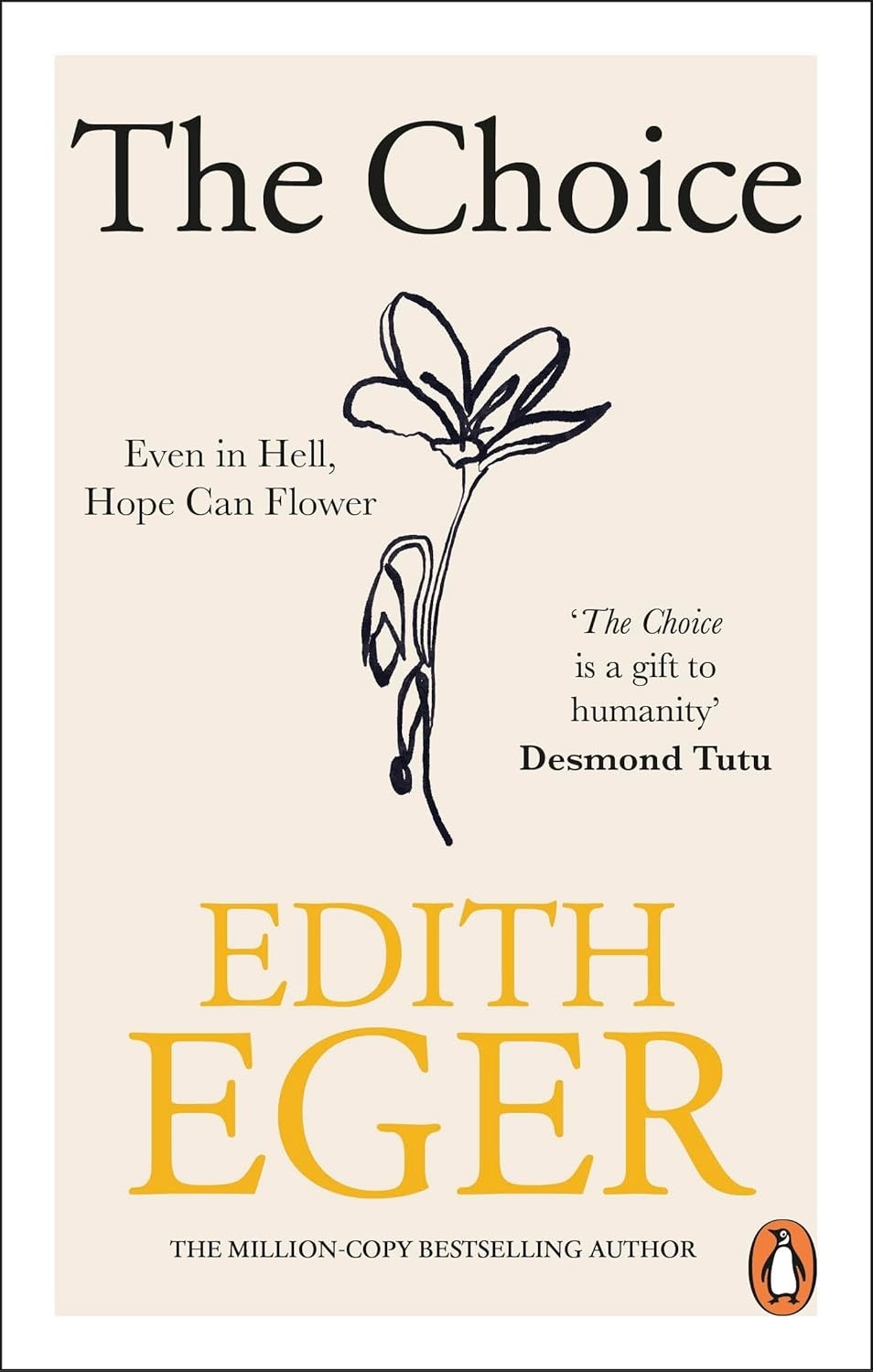
Cover of The Choice: Embrace the Possible

The Choice: Embrace the Possible

Born Lucky hooked you with its raw, no-excuses take on navigating adversity through humor and family grit. Edith Eger's The Choice delivers that same unfiltered energy—a Holocaust survivor who turned unimaginable trauma into a masterclass on choosing resilience, blending wry wisdom with pragmatic empowerment that validates self-reliance over systemic blame.

Cover of The Choice: Embrace the Possible

The Choice: Embrace the Possible

Viktor Frankl's 'Man's Search for Meaning' hit hard with its unflinching Holocaust survival stories and logotherapy's power to forge meaning from suffering, resonating with anyone battling burnout or existential drift. Fans love its secular optimism and attitude-shifting insights, born from real atrocity, that validate struggles in a superficial world. Dive into Edith Eger's 'The Choice: Embrace the Possible' for that same gritty authenticity, blending memoir with practical tools for emotional healing and personal triumph.

Cover of The Comfort of Crows

The Comfort of Crows

If Amy Tan's backyard birds taught you that stillness is a form of courage, Margaret Renkl proves it's also resistance. The same self-aware humor, the same conviction that watching crows and cardinals isn't escapism but radical presence. Tennessee yard observations meet spare illustrations in a book that hums with quiet epiphanies—grief, hope, and the stubborn return of spring, all with binoculars optional and existential comfort guaranteed.

Cover of The Copenhagen Trilogy

The Copenhagen Trilogy

If Patti Smith's Bread of Angels pulled you into her world of mystical musings on loss, love, and countercultural rebellion, you'll devour The Copenhagen Trilogy's sharp Nordic reckoning with addiction, poverty, and creative defiance. Tove Ditlevsen mirrors Smith's bohemian edge in fragmented, poetic vignettes of urban outsider life, blending raw vulnerability with spiritual seeking. It's the unflinching follow-up for aging free spirits craving validation of their faded dreams as timeless journeys.

Cover of The Education of an Idealist

The Education of an Idealist

If you craved Hillary Clinton's unfiltered truth-telling about power and resilience, Samantha Power's journey from war correspondent to UN Ambassador offers that same electric intimacy—a woman navigating genocide sites and Situation Room dilemmas while raising kids and refusing to let disillusionment win. This is diplomacy stripped of polish: messy, heartbreaking, and insistent that change remains possible even when institutions fail us.

Cover of The Exvangelicals

The Exvangelicals

If Jen Hatmaker's Awake cracked open the door to progressive theology and gave you permission to question the evangelical script, you're ready for the book that walks you all the way through it. This is for the women who've evolved faster than their church directories—the ones trading midnight doubts for validated daylight, seeking raw honesty about purity culture, LGBTQ erasure, and megachurch posturing without the guilt trip.

Cover of The Home That Was Our Country

The Home That Was Our Country

If 'The Return' by Hisham Matar gripped you with its poetic unraveling of loss under authoritarian shadows, 'The Home That Was Our Country' by Alia Malek echoes that intimate grief through Syria's chaotic history. Dive into a family's resilient saga of betrayal and identity, where elegant prose transforms personal exile into universal truths. Perfect for those who savor sophisticated tales of cultural upheaval and quiet rage against oppression.

Cover of The Liars' Club

The Liars' Club

You fell for Angela's Ashes because McCourt turned unthinkable hardship into dark comedy without lying about the damage. That child's voice—sharp enough to cut, tender enough to forgive—made you feel seen. If you're craving another memoir that refuses to pretty up dysfunction but finds the savage wit in survival, you need this next read.

Cover of The Liars' Club

The Liars' Club

If Jeannette Walls' raw honesty about chaotic family life and resilient self-discovery hooked you, get ready for another memoir that dives deep into parental flaws and emotional rollercoasters without sugarcoating the mess. Mary Karr's The Liars' Club echoes that vivid storytelling of squalor turned enchanting, blending humor with heartbreak for a cathartic read. It's the perfect follow-up for fans craving complex humanity and triumph over adversity.

Cover of The Long Goodbye

The Long Goodbye

If you treasured Radziwill's refusal to perform grief—the way What Remains trusted you with unsentimental, exacting scenes instead of easy uplift—Meghan O'Rourke delivers the same radical restraint. Here is another writer who understands that loss lives in the clinic's waiting room, the kitchen drawer, the unreturned phone call. O'Rourke renders mourning with reportorial precision and lyric economy, never mistaking spectacle for truth.

Cover of The Meaning of Mariah Carey

The Meaning of Mariah Carey

Cher's raw honesty about Sonny's control and her fight for freedom left you wanting more unfiltered truth from icons who survived the industry's cage. Mariah's memoir delivers that same cocktail of glamour and grit—marriage entangled with management, resilience forged through sexism, and zero apologies for plastic surgery or speaking her truth. It's the '90s diva version of everything that made Cher's story breathtaking, with biracial identity struggles and wit sharp enough to cut glass.

Cover of The Meaning of Mariah Carey

The Meaning of Mariah Carey

Britney's memoir taught us that the women we worshipped were the ones we broke first. Mariah Carey's story delivers that same raw fury, exposing decades of exploitation before #FreeBritney existed—with a voice that never apologized for surviving. This is what reclaiming the narrative looks like when you refuse to play nice.

Cover of The Prairie Homestead Cookbook

The Prairie Homestead Cookbook

If Ree Drummond's 'The Pioneer Woman Cooks' hooked you with its unpretentious comfort food and vivid ranch life stories, 'The Prairie Homestead Cookbook' by Jill Winger is your next obsession—delivering the same practical recipes and homesteading wisdom that celebrate family bonds and rural simplicity. Fans love how both books skip trendy diets for indulgent, meat-heavy dishes that evoke grandma's kitchen, fostering that wholesome escape from modern chaos. Share if you're ready for more butter-slathered nostalgia and down-to-earth empowerment!

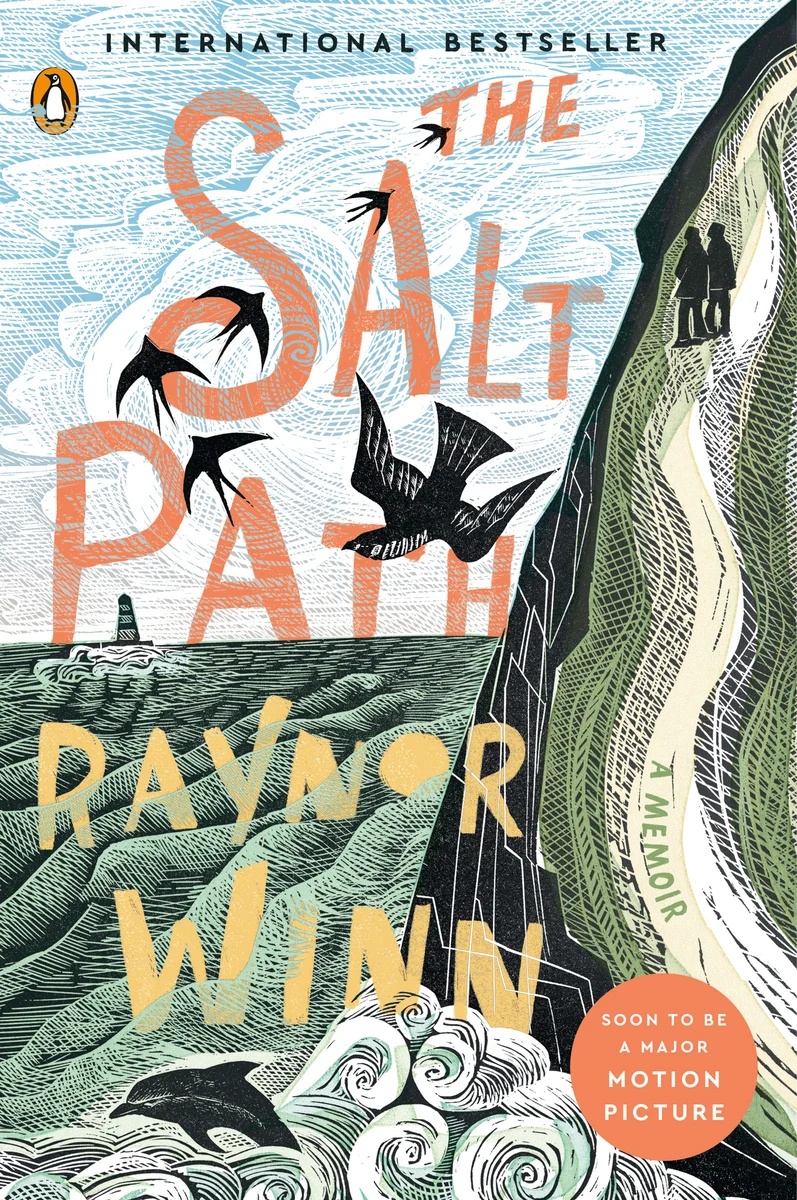
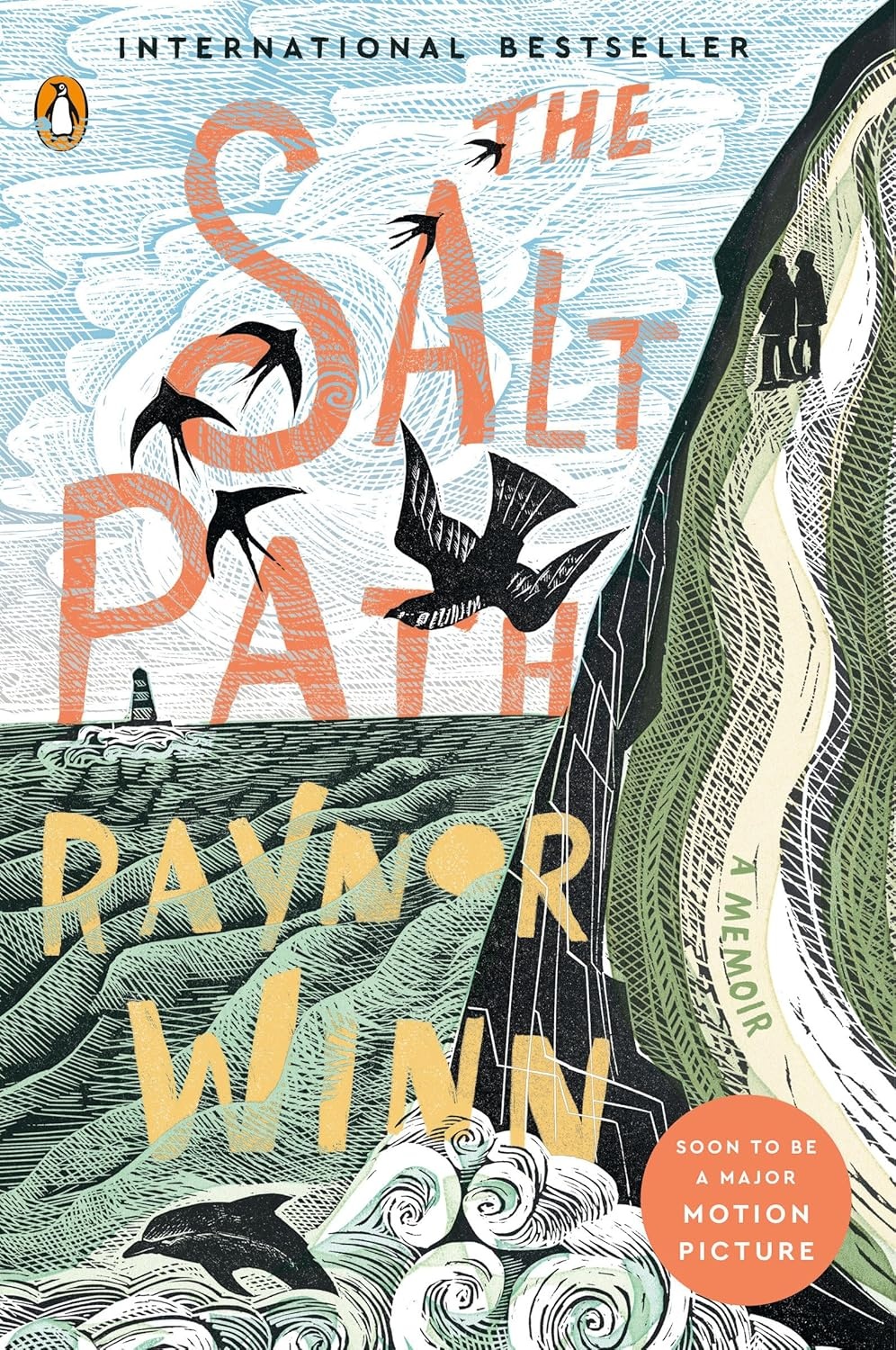
Cover of The Salt Path

The Salt Path

If A Hymn to Life gave you plainspoken moral clarity and small rituals that speak louder than proclamations, The Salt Path carries that same unshowy rigor onto England's coastal cliffs. Raynor Winn walks beside her terminally ill husband, homeless and stripped down, finding consolation not in sentimentality but in the earned tenderness of tea brewed on a headland. This is memoir as moral reckoning without sermon—dignity observed in the everyday, belief built scene by scene.

Cover of The Salt Path

The Salt Path

Wild gave you permission to be broken on the trail, to let nature strip away the lies you told yourself about healing. For readers who craved that raw contract—where every blister and breakdown counted, where redemption was messy and hard-won—there's a follow-up that honors the same brutal honesty without flinching.

Cover of The Storyteller

The Storyteller

If Mark Hoppus taught you that arrested development and existential dread can coexist in a pop-punk prophet, Dave Grohl's odyssey delivers the same confessional energy with a different drum track. Raw stories about band implosions, grief, and the absurd privilege of making noise for a living, all told with bone-deep humor that validates your Gen-X hangover one anecdote at a time.

Cover of The Storyteller

The Storyteller

You loved Patterson's blue-collar blueprint to empire, complete with bite-sized wins and celebrity handshakes. Dave Grohl's memoir serves the same addictive formula—punchy stories about climbing from dive bars to stadiums, zero pretension, maximum heart. It's proof that discipline and self-deprecating charm beat divine talent every time.

Cover of The Storyteller: Tales of Life and Music

The Storyteller: Tales of Life and Music

If Lionel Richie's vulnerable rise from Tuskegee moved you, Dave Grohl's memoir brings that same unfiltered magic with a rock-and-roll edge—turning disasters into kitchen-table confessions and pulling you backstage with legends like McCartney. It's the grunge generation's love letter to messy triumphs, where fame feels absurd yet precious, and every failure becomes a relatable lesson that proves hard work and grit still conquer all.

Cover of The Stranger in the Woods

The Stranger in the Woods

If McCandless's fatal idealism left you craving more stories of souls who burned the social contract entirely, this is your next obsession. Twenty-seven years in the Maine woods without a single human conversation—told with the same unflinching investigative honesty and philosophical weight that made Into the Wild unforgettable. For readers who want the transcendental high and the intellectual reckoning, no sugarcoating included.

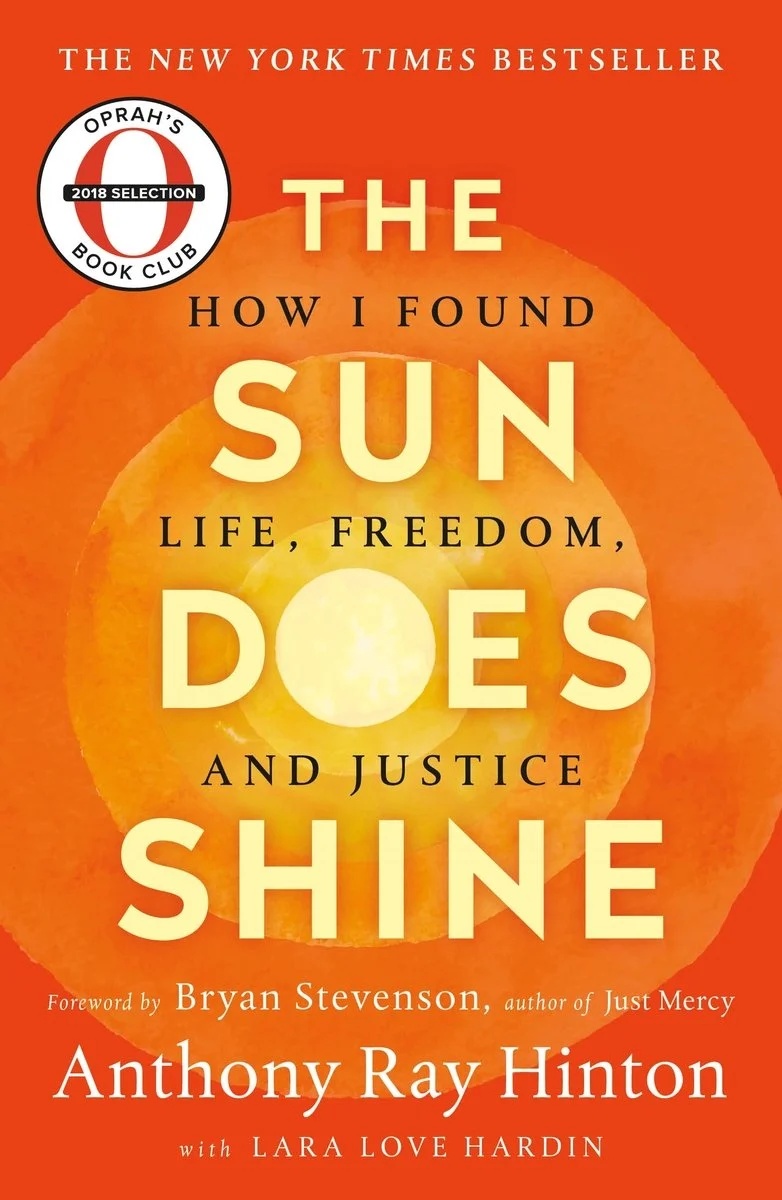
Cover of The Sun Does Shine

The Sun Does Shine

If you believed Aziz Abu Sarah and Maoz Inon when they proved empathy can emerge from unthinkable tragedy, Anthony Ray Hinton's thirty-year death row memoir is your next obsession. Here's another firsthand account where loss becomes a laboratory for radical forgiveness—complete with book clubs that turned white supremacists into confidants and guards into allies. No sanitized hope, just the gritty mechanics of choosing vision over vengeance and winning.

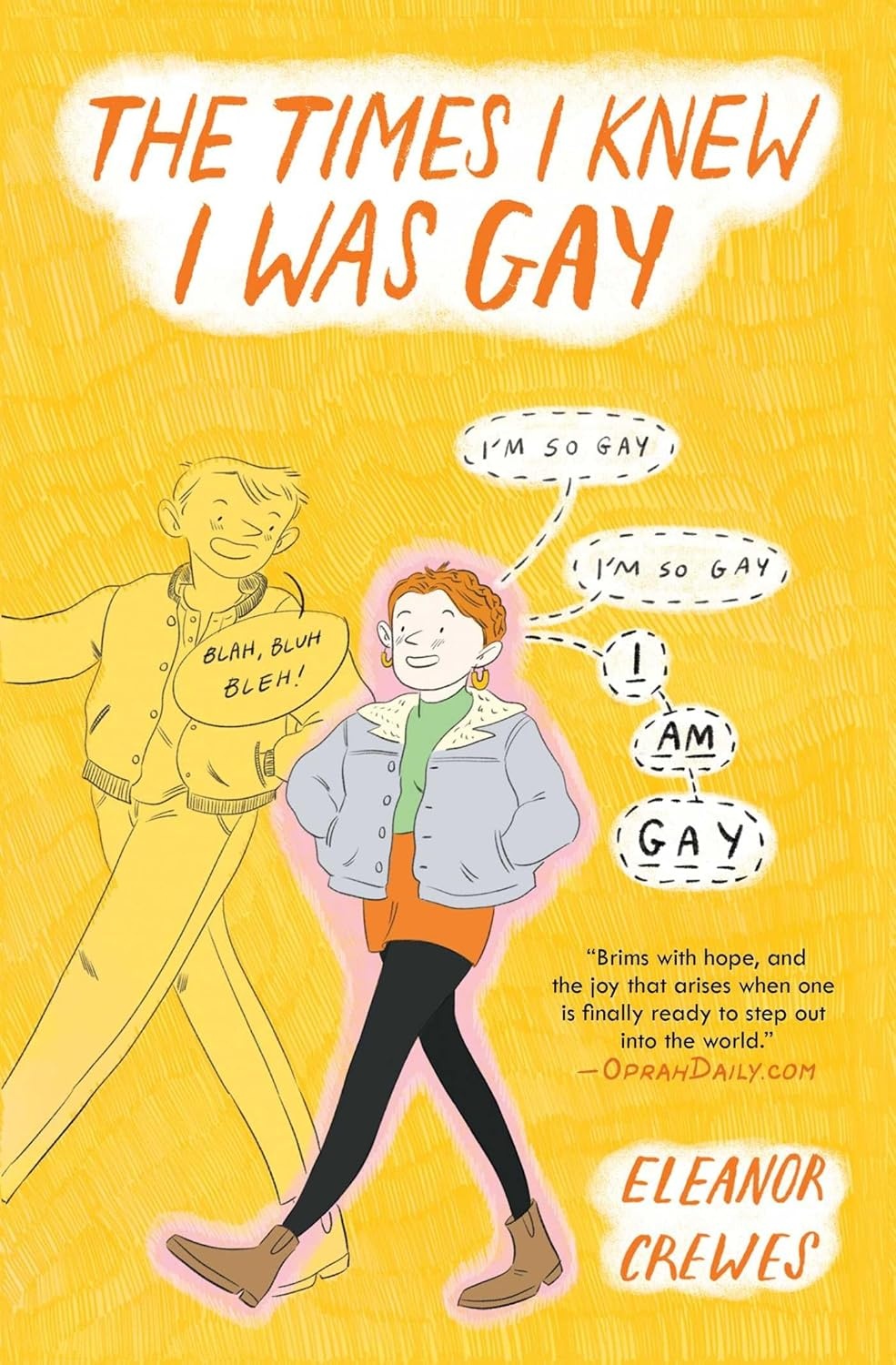
Cover of The Times I Knew I Was Gay

The Times I Knew I Was Gay

Fun Home readers know the power of excavating queer identity through unflinching family analysis and literary rigor. Eleanor Crewes' graphic memoir delivers that same raw honesty—sketching delayed realizations and heteronormative wreckage with dark wit, meta-narrative self-awareness, and visuals that turn repressed desire into resonant truth. No inspirational platitudes, just messy, hard-won authenticity for late-bloomers and creative souls who intellectualize their chaos.

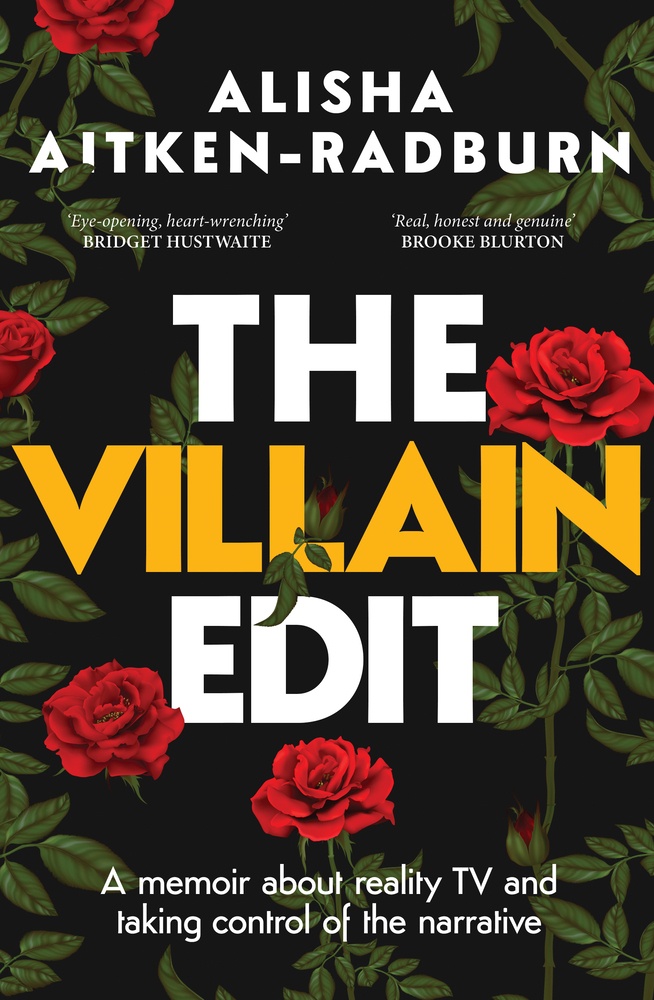
Cover of The Villain Edit

The Villain Edit

Spencer Pratt gave you the heel's playbook—now get the narrator who walked back into the arena knowing the cameras would sharpen the knives again. The Villain Edit unpacks confessional cubicles, producer tropes, and the exact moment a storyline pivots to character assassination, all with receipts-first, meme-literate candor that gossip natives will devour.

Cover of The Way I Heard It

The Way I Heard It

If you loved Nate Bargatze's gift for wringing comedy from everyday absurdities without picking cultural fights, Mike Rowe delivers that same affable, non-threatening charm—but through bite-sized historical footnotes that feel like swapping stories with your funniest neighbor. Low-stakes, high-reward storytelling that treats the ordinary like hidden treasure, no agenda required.

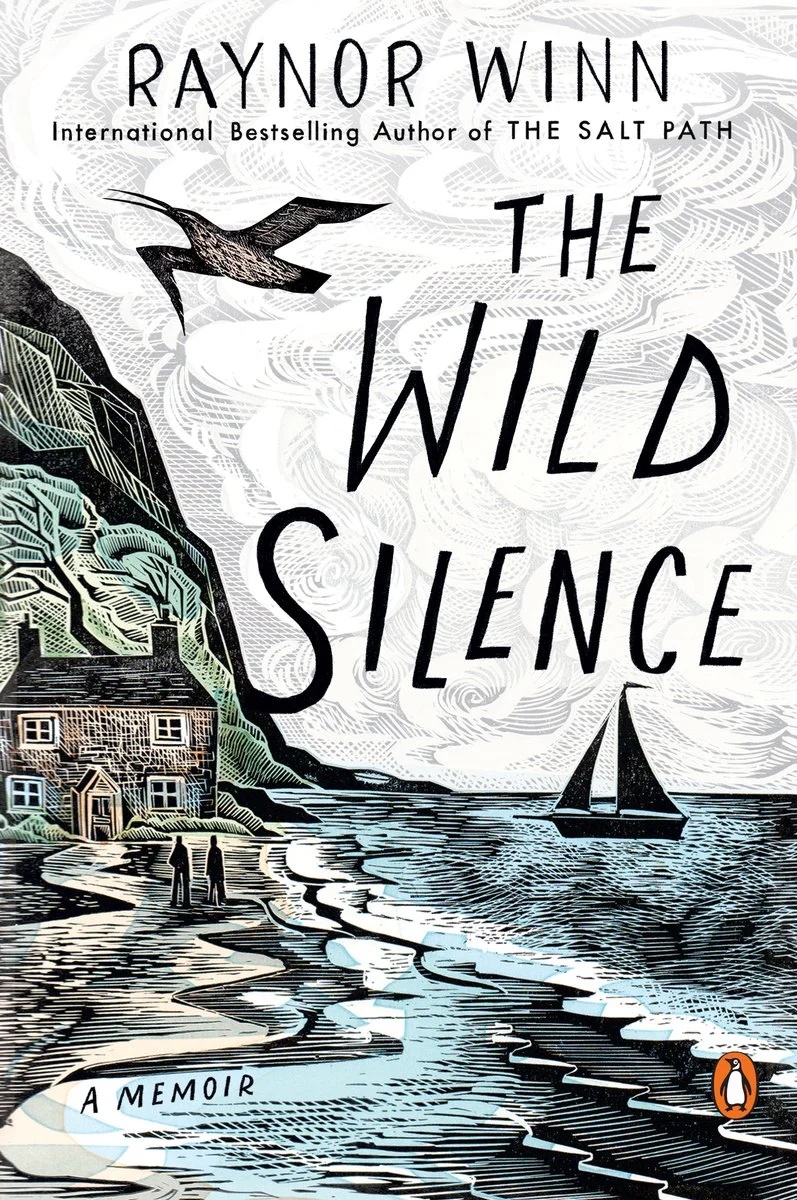
Cover of The Wild Silence

The Wild Silence

If Raising Hare gave you permission to romanticize the mess—the feed schedules, the weather-watching, the quiet ache of tending something fragile—The Wild Silence extends that invitation into a full season of repair. Raynor Winn writes with the same tea-at-the-kitchen-table honesty, chronicling shoreline walks and the slow, unglamorous work of rebuilding after loss, letting landscape and a beloved dog anchor her back to steadiness. This is nature writing for the fussy and devoted: transformation that feels earned rather than curated.

Cover of The Woman in Me

The Woman in Me

If Spare hooked you with Harry's unfiltered takedown of family dysfunction and royal cruelty, Britney Spears' The Woman in Me brings that same visceral energy—only the cage here is a conservatorship, not a crown. Spears exposes exploitative systems, media invasion, and the wreckage of being controlled by those who should protect you, all with the confessional punch that made Harry's memoir unmissable.

Cover of They Called Us Enemy

They Called Us Enemy

If Maus shattered you with its unflinching panels of survival, They Called Us Enemy wields the same graphic scalpel to expose American internment camps. George Takei turns childhood barbed wire into stark testimony, blending family strain with systemic betrayal—no sanitized history, just raw truth that disturbs and enlightens.

Cover of They Called Us Enemy

They Called Us Enemy

If Anne's unguarded teenage voice made the Holocaust feel unbearably personal, George Takei's graphic memoir does the same for Japanese American internment—a boy parsing family dinners and government betrayal with that same raw precision. You get the visual intimacy of ink and memory, the mundane shadowed by terror, and resilience that never pretends survival was simple. This is history refusing to fade into comfortable abstraction.

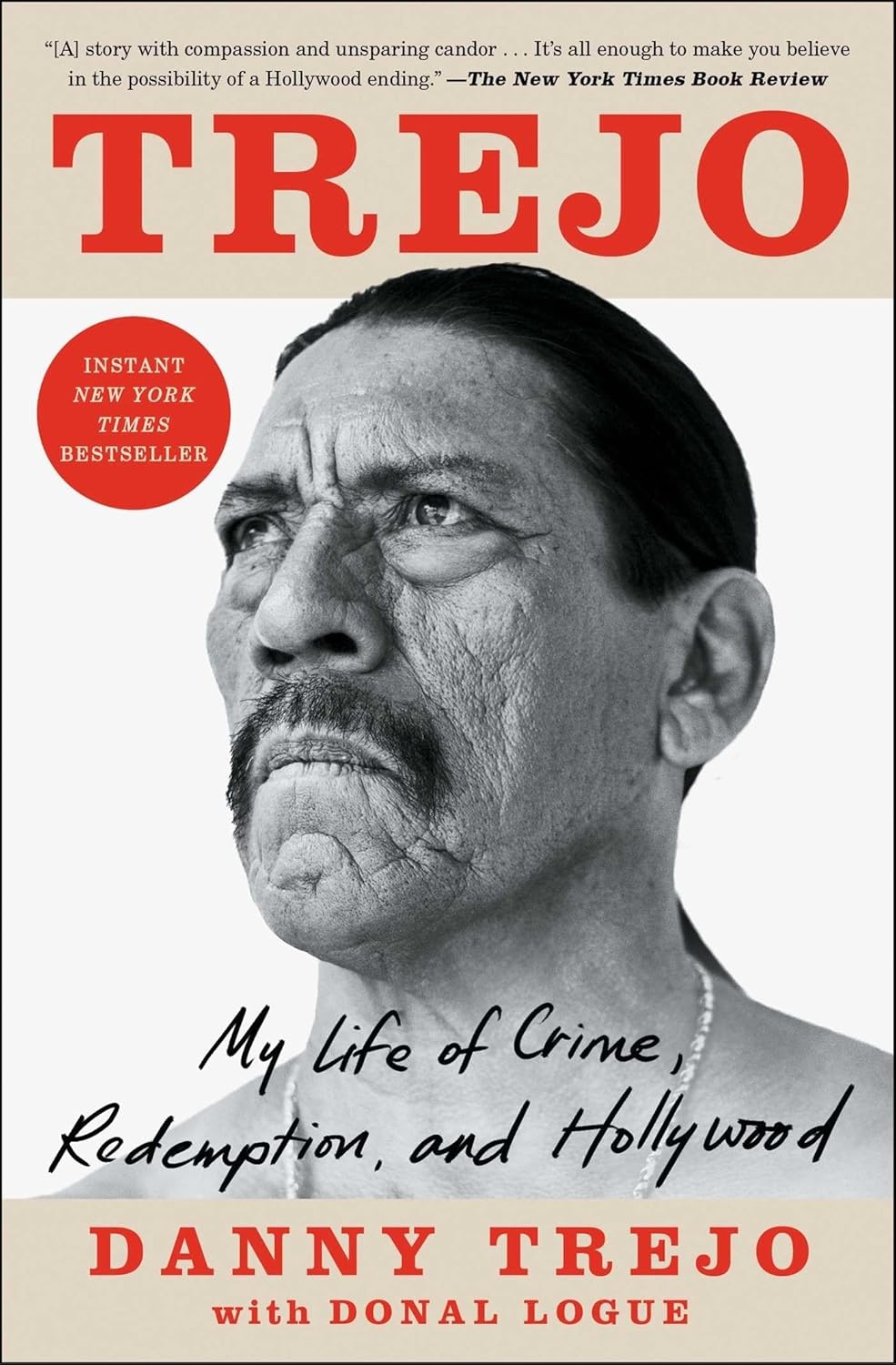
Cover of Trejo

Trejo

Matthew Perry's brutal honesty about addiction hit hard. Danny Trejo's memoir delivers that same unflinching reckoning—only his rehab stories start in San Quentin. It's redemption without the gloss, told with dark wit earned from decades of actual chaos, serving hope with a switchblade for readers who loved Perry's raw vulnerability.

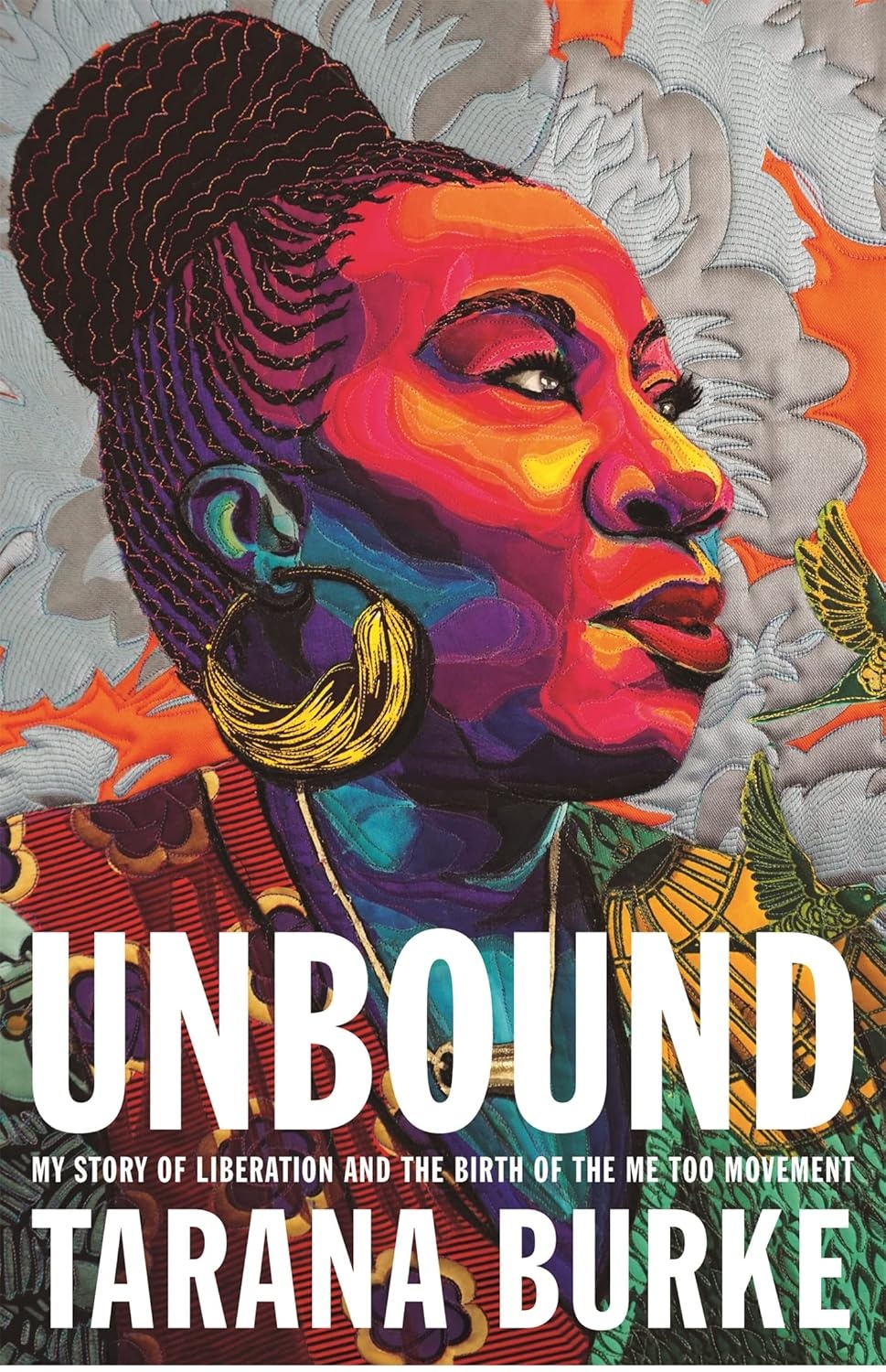
Cover of Unbound

Unbound

If Michelle Obama's graceful resilience left you craving more raw truth from women who've dismantled barriers, Tarana Burke arrives with the same generous wisdom but cuts deeper. Unbound delivers that wise-aunt energy wrapped in urgency—intimate stories of trauma, power, and healing that turn vulnerability into collective empowerment. This is the book club conversation that changes you.

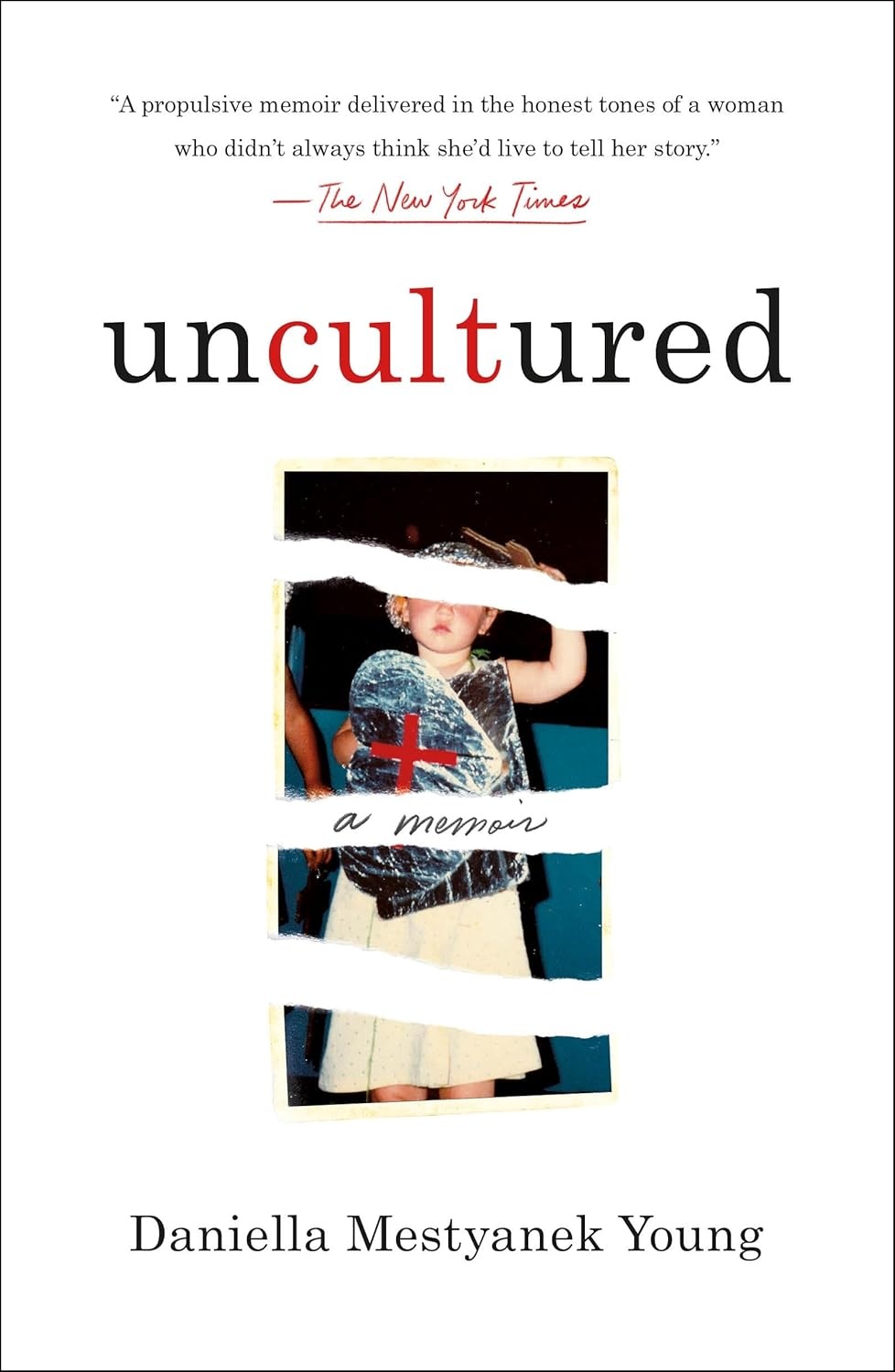
Cover of Uncultured

Uncultured

If Shari Franke's takedown of religious control masquerading as family values left you electrified, this is your next read. Daniella Mestyanek Young rips apart cult machinery with the same unflinching precision—no sanitized recovery, no mandatory forgiveness, just raw truth about faith weaponized and bystanders who architect trauma. The rebellion you craved? Sharpened to a blade.

Cover of Unfollow

Unfollow

If Educated's raw triumph over fundamentalist control left you breathless, you need this equally ferocious memoir of breaking free from the Westboro Baptist Church's hate machinery. Same gut-punch estrangement, same self-taught wisdom forged in gaslighting, same choice of growth over toxic family bonds—but with picket lines and Twitter wars that unravel a zealot into a free thinker.

Cover of Unthinkable

Unthinkable

Adam Schiff gave you the impeachment insider view that validated every ounce of democratic rage. Jamie Raskin's Unthinkable goes further—braiding the insurrection with unspeakable personal loss into a narrative that refuses to look away. If you needed Schiff's authority, you need Raskin's resilience.

Cover of Waking Up White

Waking Up White

White Fragility named your discomfort—now see what an actual awakening looks like. Waking Up White turns intellectual understanding into visceral recognition, trading abstract concepts for one woman's messy, intimate reckoning with privilege she never knew she inherited. This is the memoir that walks you through discovery, not just diagnosis.

Cover of We Are Never Meeting in Real Life

We Are Never Meeting in Real Life

Amy Poehler taught us that admitting you're a mess is revolutionary. Samantha Irby takes that permission slip and runs with it—skewering romantic disasters, health crises, and everyday humiliations with the same irreverent feminist lens that made Yes Please feel like a cold drink in a desert of curated perfection. This is vulnerability without performance, wit without apology, and the kind of brutal honesty that makes you ugly-laugh while thinking, 'Oh god, that's me.'

Cover of We're Going to Need More Wine

We're Going to Need More Wine

Valerie Bertinelli made you feel seen in her kitchen; Gabrielle Union pours the wine and keeps talking past midnight. We're Going to Need More Wine brings the same friend-in-your-living-room honesty—Hollywood access included—but with sharper edges around marriage, motherhood, and rewriting your story when the script doesn't fit. Humor, vulnerability, and real takeaways for readers ready to repair, not just confess.

Cover of When Breath Becomes Air

When Breath Becomes Air

Being Mortal gripped you with its compassionate dive into aging, medicine's limits, and dignified death—those quiet ward battles and systemic critiques that sparked honest talks on mortality. Now, When Breath Becomes Air echoes that resonance through Paul Kalanithi's singular lens as both healer and patient, weaving poetic urgency into a chronological odyssey of illness and purpose. It's the heart-piercing follow-up for anyone craving deeper philosophical insights and emotional payoff on life's big questions.

Cover of When Breath Becomes Air

When Breath Becomes Air

If Morrie's conversations stopped you cold, Kalanithi's memoir will finish what you started. A neurosurgeon facing terminal illness trades his scalpel for raw introspection, delivering the same electric clarity about mortality and meaning in chapters that breathe in short, unforgettable bursts. This is the unfiltered wisdom you crave when career wins feel hollow and time suddenly matters.

Cover of White Line Fever

White Line Fever

You devoured Ozzy Osbourne's Last Rites for its unfiltered dive into heavy metal excess, flawed anti-heroes, and profane humor that validates rebellious regrets. Echo that thrill with Lemmy Kilmister's White Line Fever, packed with drug-fueled antics, industry critiques, and the dark side of fame for aging metal fans. It's the vicarious rebellion you crave, blasting away the mundane with gritty, unapologetic lore.

Cover of Why Be Happy When You Could Be Normal?

Why Be Happy When You Could Be Normal?

If Tove Ditlevsen's raw confessions in The Copenhagen Trilogy left you aching for more unflinching honesty about personal turmoil and societal oppression, Why Be Happy When You Could Be Normal? by Jeanette Winterson delivers that same blade-sharp gaze into flawed lives and mental breakdowns. Her gritty portrayal of working-class struggles and codependent family ties mirrors Ditlevsen's underbelly of poverty and artistic frustration, offering no tidy redemptions—just messy, cathartic truth. Perfect for brooding readers who romanticize misery and crave minimalist prose that dissects emotions without mercy.

Cover of Why We Did It

Why We Did It

Cassidy Hutchinson showed you what courage looks like when the machinery breaks. Tim Miller built that machinery, then watched it devour itself—and here's his unflinching account of why smart people rationalized the unthinkable and what it cost to finally walk away. This is the reckoning you've been craving, stripped of spin and performance.

Cover of Why We Did It

Why We Did It

Boehner's barroom candor about GOP dysfunction was just the appetizer. Tim Miller serves the main course: a bridge-burning confessional from someone who built the machine before it devoured itself, naming names with the kind of profane, self-aware savagery that makes you laugh and cringe in equal measure. This is what happens when a political operative gets brutally honest about selling souls for relevance.

Cover of Wintering

Wintering

If Bittersweet gave you permission to honor melancholy, Wintering extends that validation into the seasons of withdrawal we all endure but rarely name. Katherine May romanticizes rest with the same vulnerable intelligence and cultural richness that made Cain's work feel like someone finally gets it—philosophy dressed in warm prose for souls who find beauty in life's inevitable imperfections.

Cover of With the Old Breed

With the Old Breed

Atkinson showed you the Allied war machine with a historian's rigor and a novelist's pulse. Sledge gives you something rawer: a mortarman's diary from Peleliu and Okinawa, written with the unflinching clarity of someone who refuses to let memory soften what coral dust, exhaustion, and terror actually felt like. This is the Pacific Theater without the propaganda filter, and it will wreck you.

Cover of You Could Make This Place Beautiful

You Could Make This Place Beautiful

Anne Lamott's Somehow gave you permission to sit in the wreckage without fixing it—just wise-cracking through the grief with someone who gets it. Maggie Smith's poetic memoir does the same excavation work: dismantling a marriage with unflinching honesty, self-deprecating wit, and zero interest in selling you easy answers. It's hope earned through mess, not manufactured from motivational quotes.


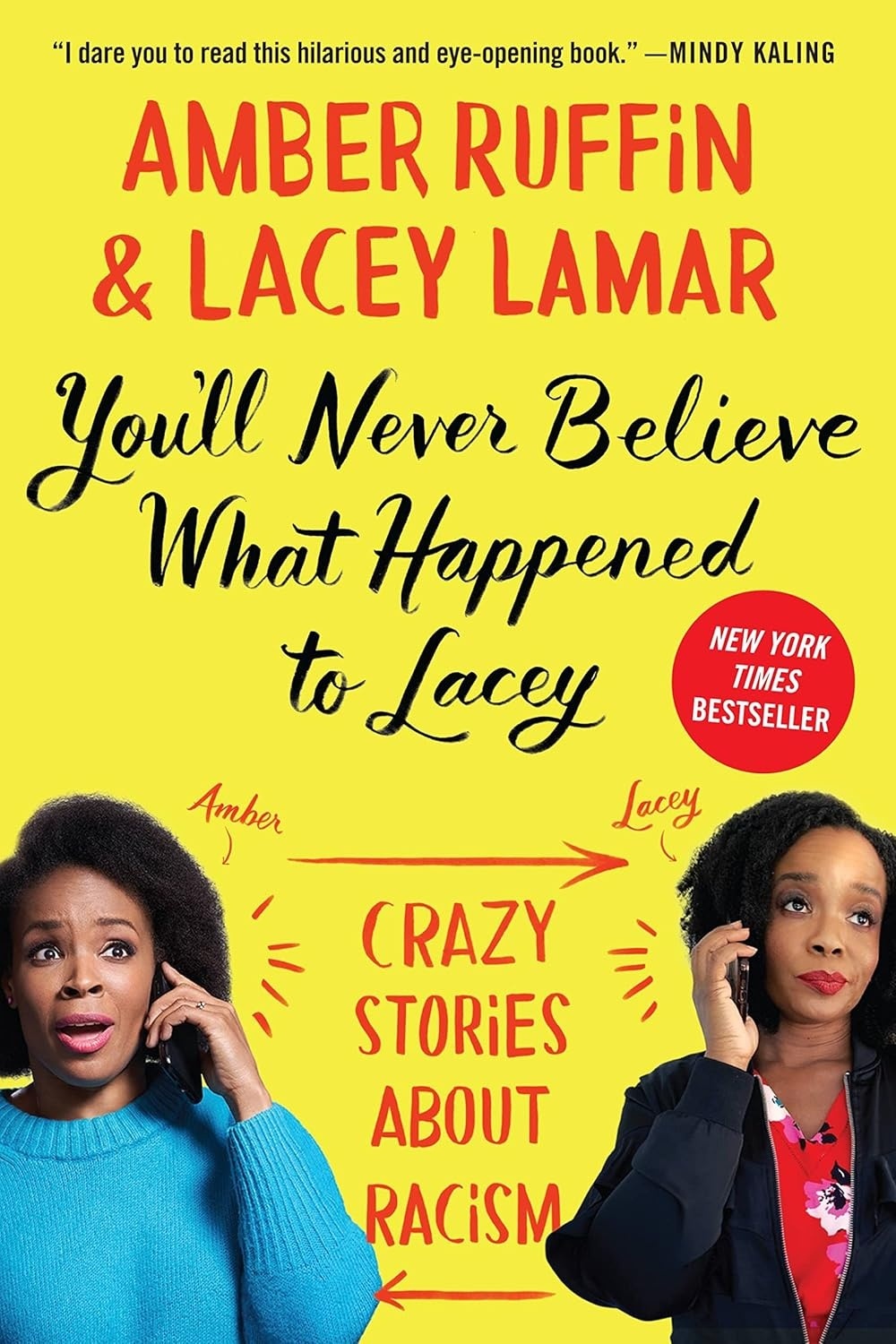
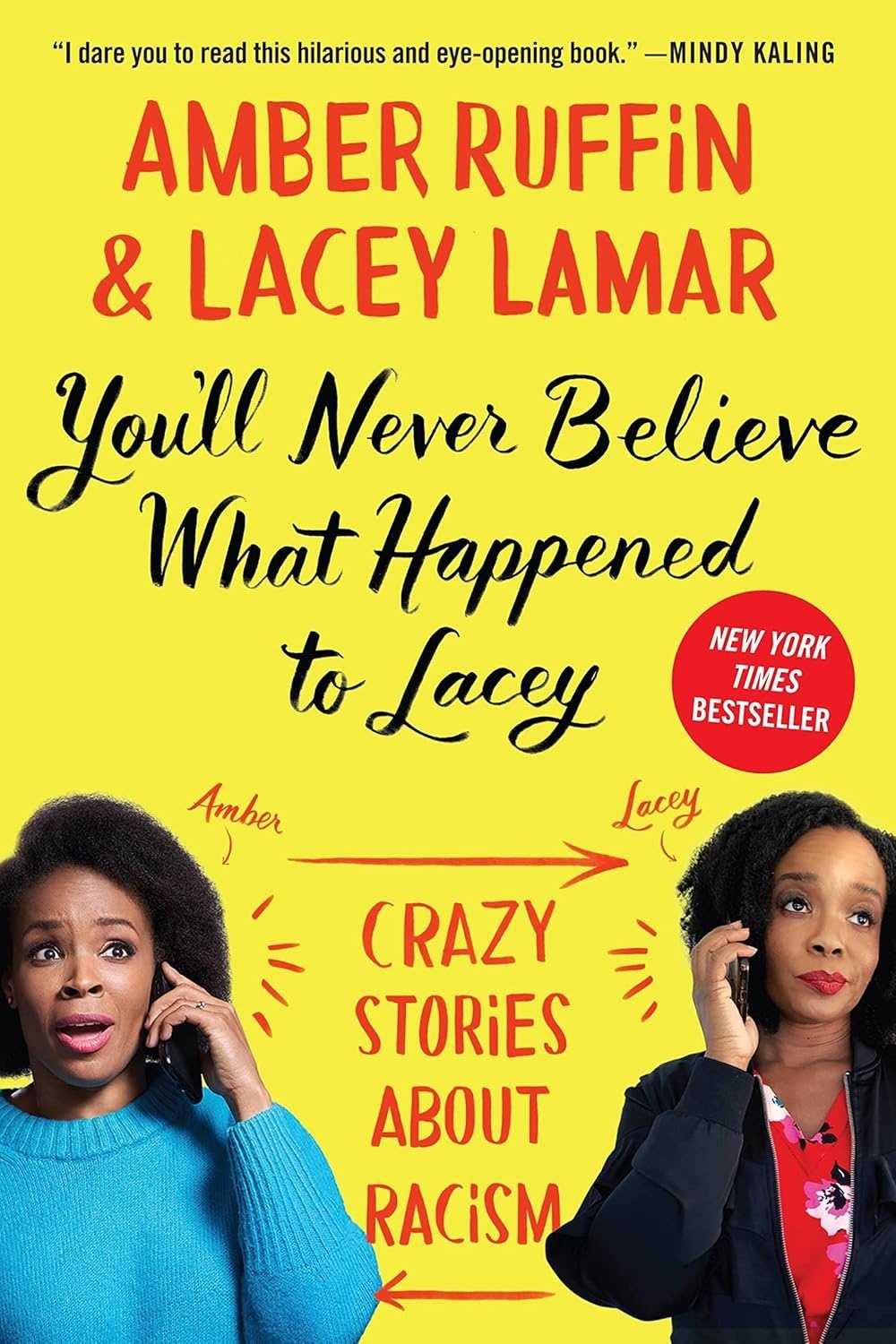
Cover of You'll Never Believe What Happened to Lacey

You'll Never Believe What Happened to Lacey

Trevor Noah's Born a Crime hooked you with its irreverent comedy on everyday racism, blending laugh-out-loud anecdotes with poignant cultural critique that validates outsider struggles. It's the ultimate underdog story of resilience, like Noah's matriarchal mom dodging prejudice with sass, making systemic nonsense both hilarious and heartbreaking. Perfect for liberal readers seeking enlightened vibes through self-deprecating tales of belonging in a divided world.

Cover of You'll Never Believe What Happened to Lacey: Crazy Stories about Racism

You'll Never Believe What Happened to Lacey: Crazy Stories about Racism

If Black AF History hit you with that raw, hilarious gut-punch exposing America's whitewashed lies and connecting past exploitation to today's disparities, you're in for a treat. Amber Ruffin and Lacey Lamar's 'You'll Never Believe What Happened to Lacey' mirrors that unapologetic vibe with absurd personal stories of racism that make you laugh, rage, and rethink everything. It's the witty, no-holds-barred follow-up that validates marginalized experiences through sharp satire and sisterly bonding.