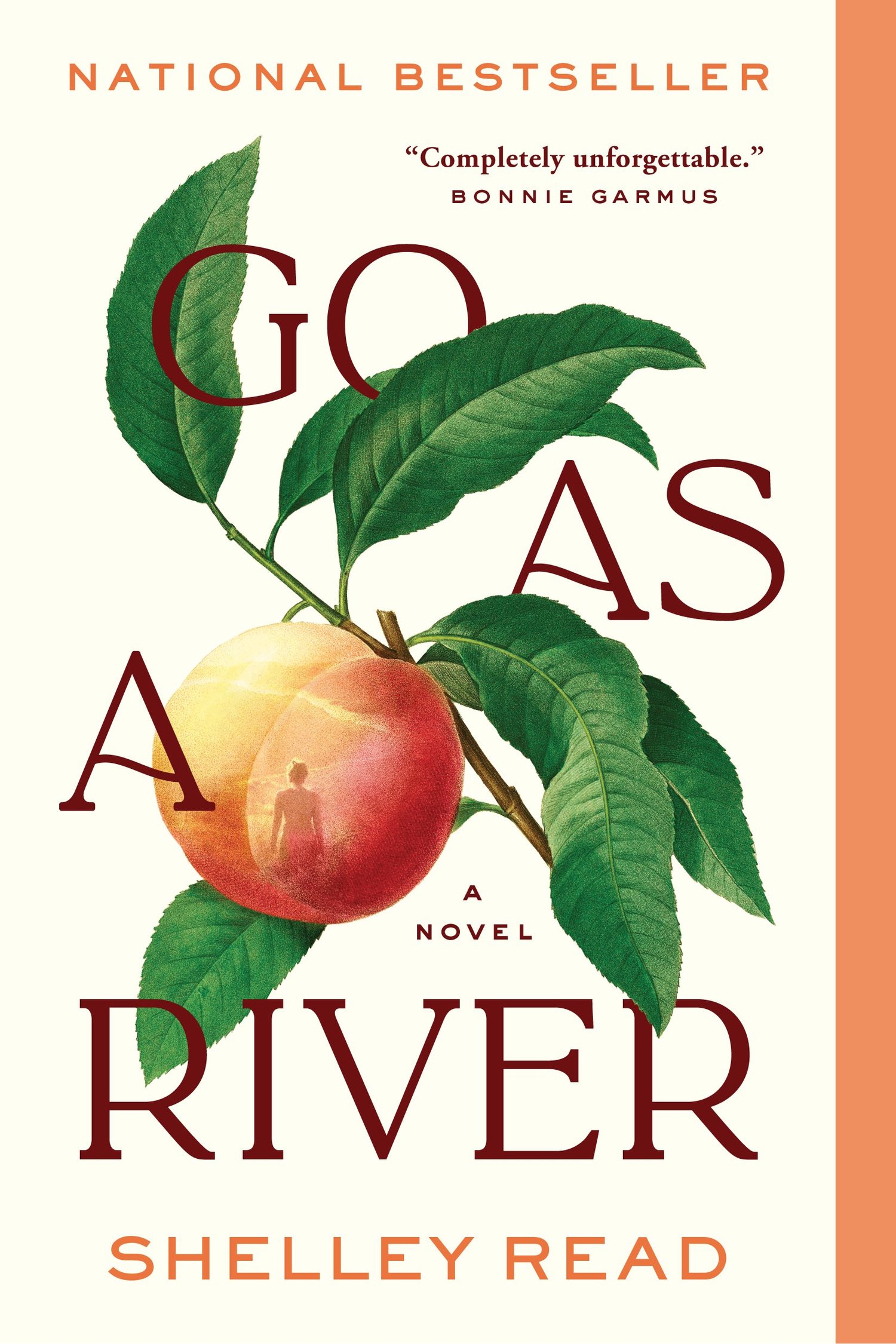
In 1948 Colorado, seventeen-year-old Victoria Nash meets a young drifter whose arrival awakens her to love and sets off losses that redirect her life for decades. As family violence, prejudice, motherhood, and a drowned hometown remake her world, she learns to carry grief toward a hard-won sense of home.
If Sunlight Finds You held you inside Nora's openness while adult hindsight warned that first love would echo for years, Go as a River offers another intimate consciousness gathering weight across time. Victoria begins at seventeen in 1948 Colorado, where her bond with Wil collides with racism and a hostile household; Shelley Read then follows the consequences through motherhood, displacement, and the flooding of her hometown, keeping Victoria's own voice at the center. Colorado's orchards, mountains, and river make beauty feel both refuge and pressure, much as Moriarty's Florida sunlight sharpens the contrast with confinement.
Another candid young woman discovers how one first love can redirect an entire life.
The match is not a romantic duplicate. Victoria and Wil's courtship is briefer, and the middle of the novel turns toward solitary survival, land, motherhood, and the work of making a home rather than an extended cycle of reunion and concealment. Yet the emotional contract stays close: a young woman's limited understanding acquiring retrospective ache, severe loss without nihilism, and hope earned through her own judgment.
The river carries first love forward without letting loss have the final word.