Literary Fiction · Female Resilience

4 hand-picked literary fiction and female resilience books curated by NextBookAfter.

Literary FictionFemale Resilience
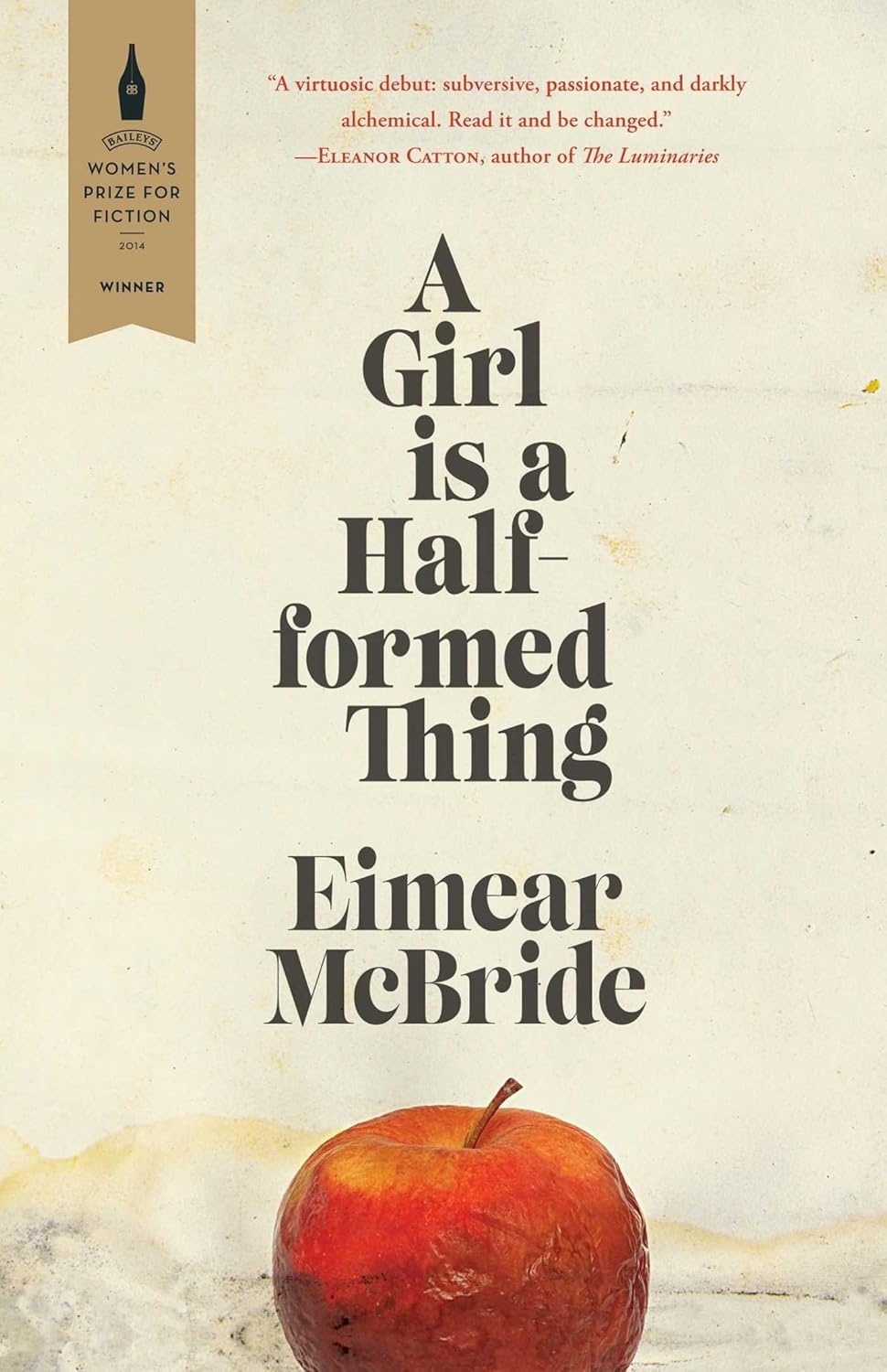
Cover of A Girl Is a Half-formed Thing

A Girl Is a Half-formed Thing

Veronica by Mary Gaitskill captivated you with its unflinching gaze on sexuality's brutal undercurrents and emotional fragmentation—now imagine that intensity amplified in A Girl Is a Half-formed Thing by Eimear McBride, where stream-of-consciousness prose unravels family trauma and religious repression. Fans love how both books refuse redemption arcs, diving into messy abusive dynamics and psychological depths with surgical precision. Share if you're ready for literature that confronts life's ugliest truths head-on.
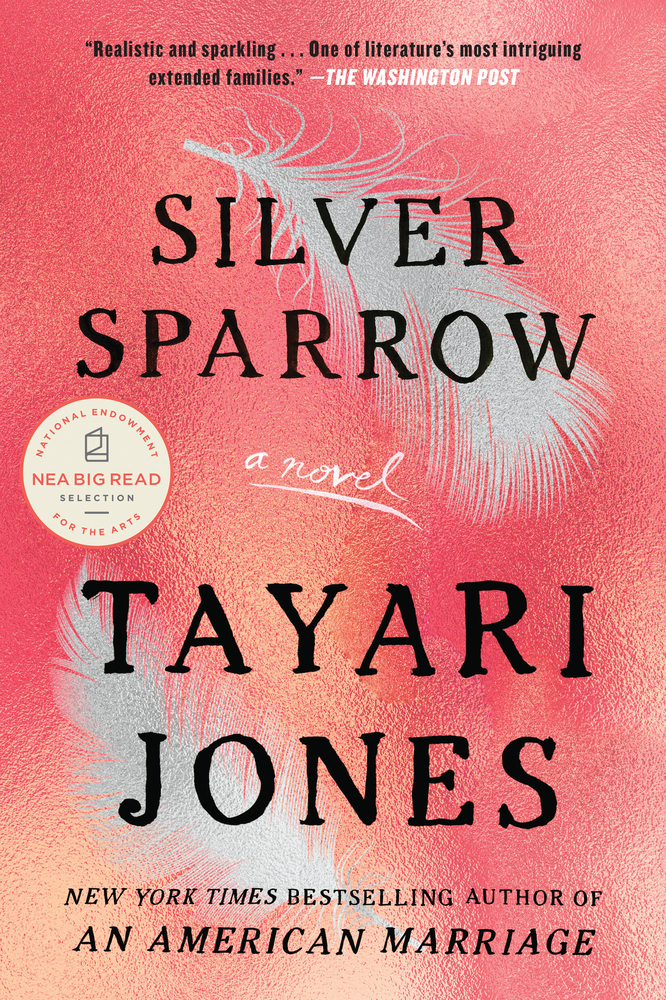
Cover of Silver Sparrow

Silver Sparrow

The Vanishing Half hooked you with secrets that calcify into identity, with sisters whose divergent paths mirrored your own internal conflicts about belonging and reinvention. You loved how Bennett made you complicit in family betrayals without preaching, how generational trauma felt like a thriller you couldn't put down. That addictive ache when choices architect futures and resilience tastes like resentment? We found the book that delivers that exact fix.

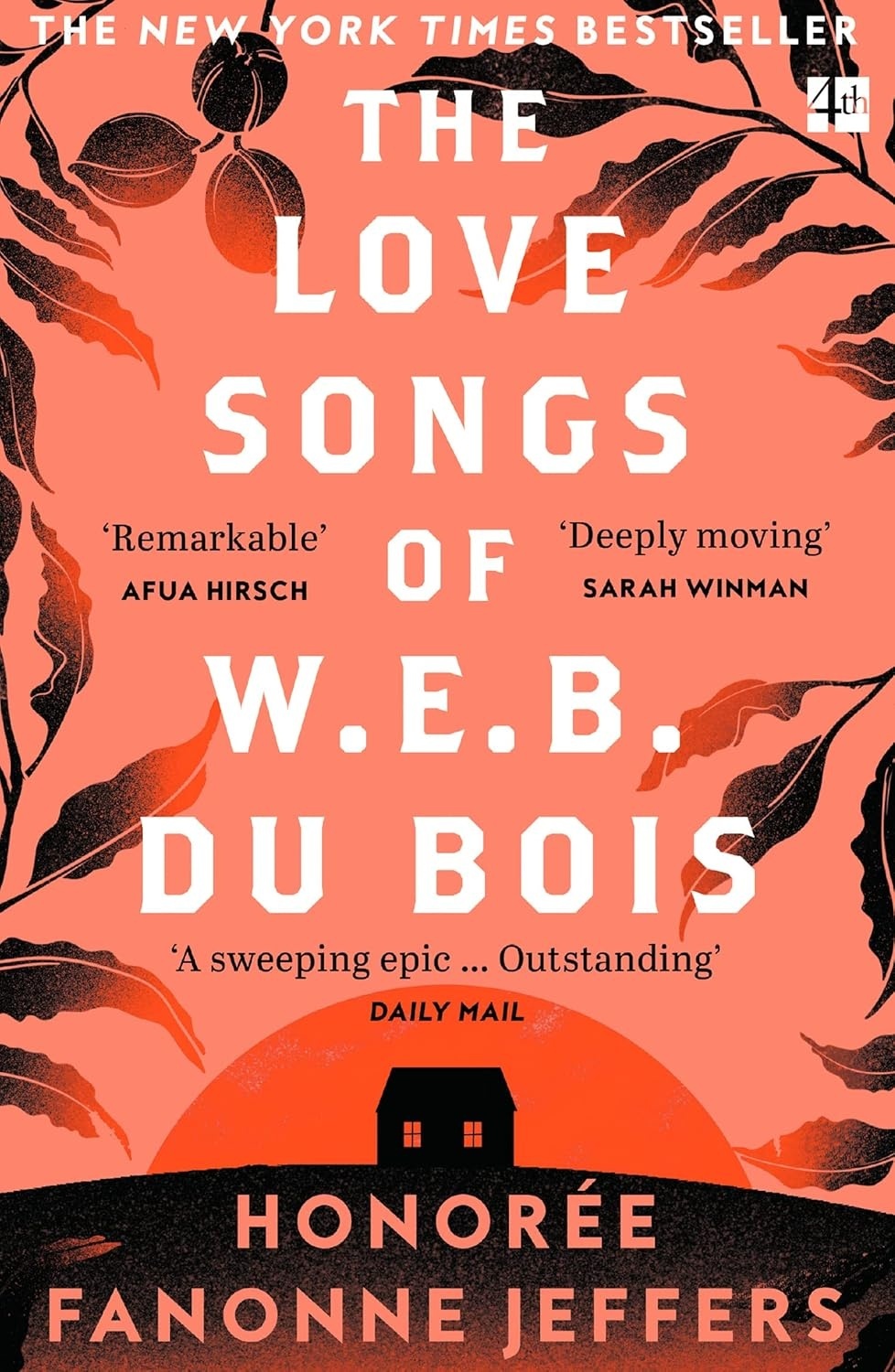
Cover of The Love Songs of W.E.B. Du Bois

The Love Songs of W.E.B. Du Bois

Those Bones Are Not My Child pulls no punches on the scars of racial violence and institutional betrayal in black Atlanta, centering fierce, flawed women who anchor fractured families amid hidden traumas. For readers craving more unflinching social realism blended with lyrical prose on historical injustices, The Love Songs of W.E.B. Du Bois delivers an epic multigenerational saga of resilience and cultural identity. Dive in if you're hooked on narratives that humanize systemic failures without preaching.

Cover of The Street

The Street

The Bluest Eye hits hard with its unflinching look at internalized racism and beauty myths that destroy black girls' self-worth, leaving readers gutted by Pecola's tragic unraveling amid societal hypocrisy. Fans crave that poetic brutality exposing segregation's scars on fractured families and resilient women. Dive into The Street for a haunting mirror in 1940s Harlem, where Lutie Johnson's dreams clash with urban decay and systemic injustice.