Memoir · Graphic Memoir

6 hand-picked memoir and graphic memoir books curated by NextBookAfter.

MemoirGraphic Memoir
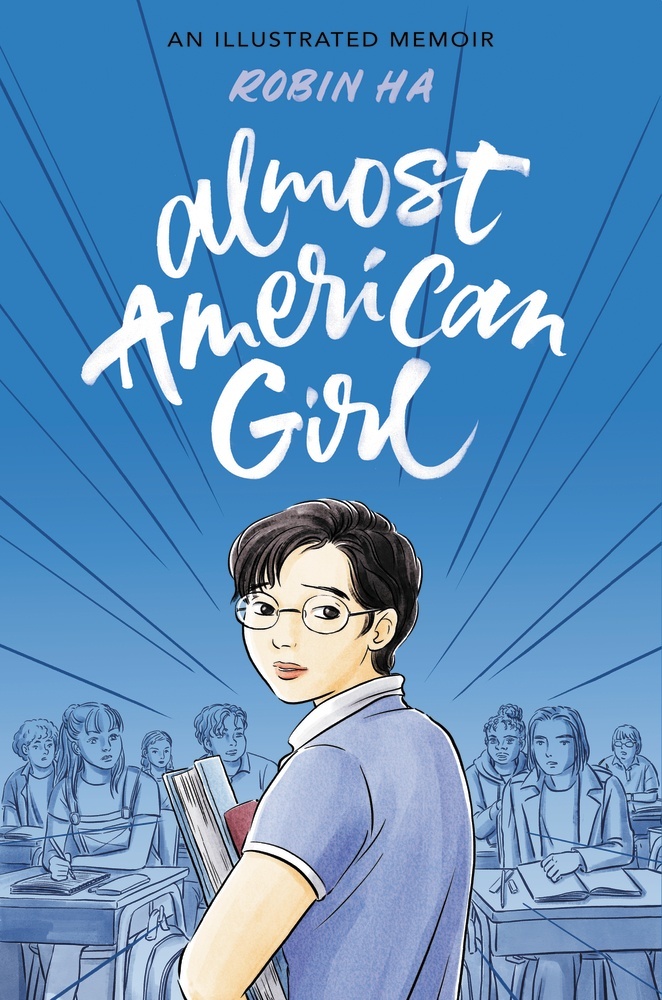
Cover of Almost American Girl

Almost American Girl

Bottom of the Pyramid hooked you with Nia's fierce climb from overlooked dancer to self-empowered star, skewering biases and embracing Black identity amid catty rivals. Almost American Girl delivers that same raw energy through an immigrant's journey of cultural shocks, family drama, and triumphant resilience. It's the graphic memoir that validates your petty grudges and fuels underdog dreams, perfect for sharing with fellow divas.
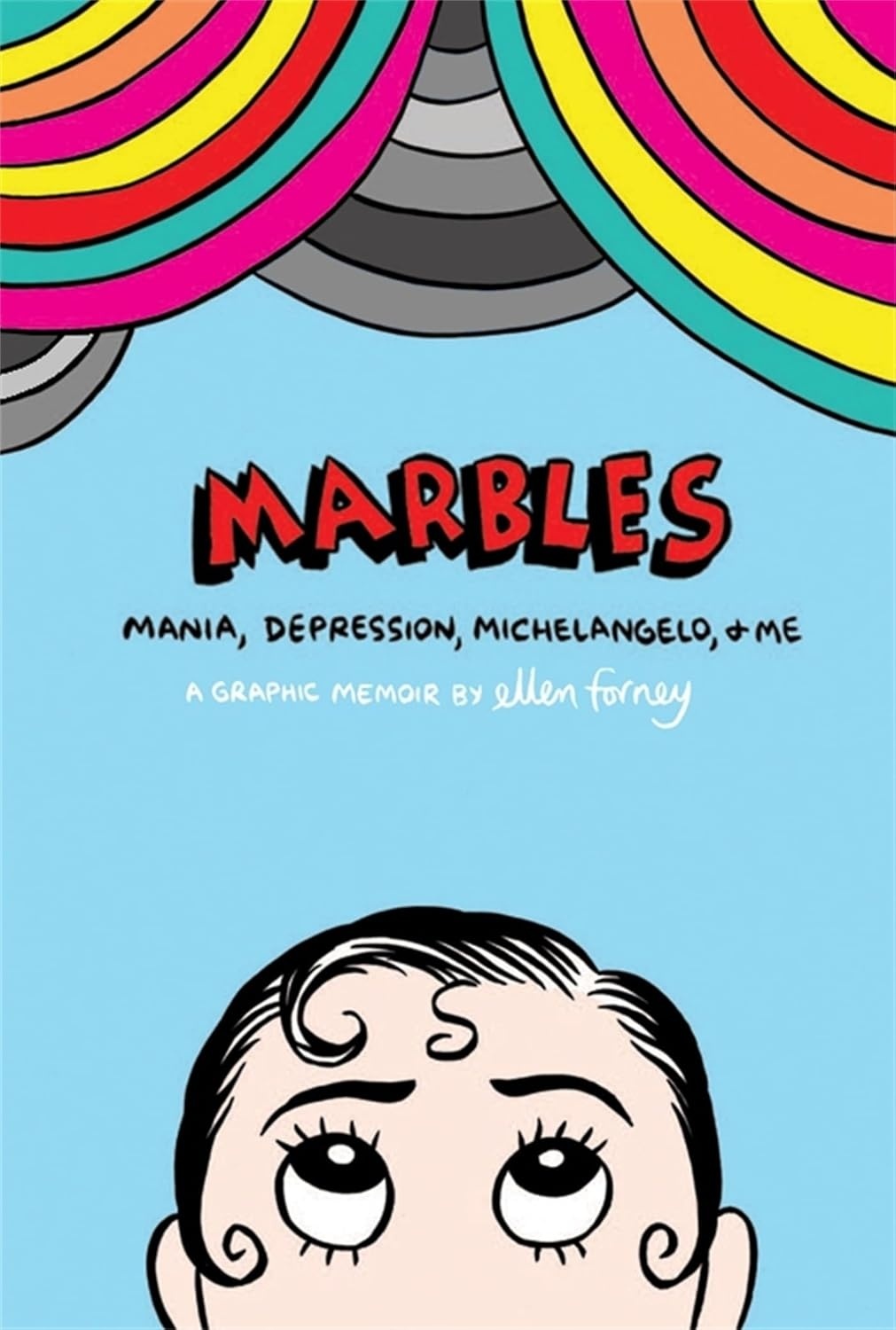
Cover of Marbles: Mania, Depression, Michelangelo, and Me

Marbles: Mania, Depression, Michelangelo, and Me

If Allie Brosh's Hyperbole and a Half had you cackling through your own mental meltdowns with her crude drawings and brutal honesty about flawed coping, you're not alone in that chaotic vibe. Ellen Forney's Marbles amps up the mayhem with bipolar twists, turning artistic spirals into hyperbolic sagas of vulnerability and dark comedy. It's the perfect follow-up for quirky overthinkers who laugh at life's dumpster fires.

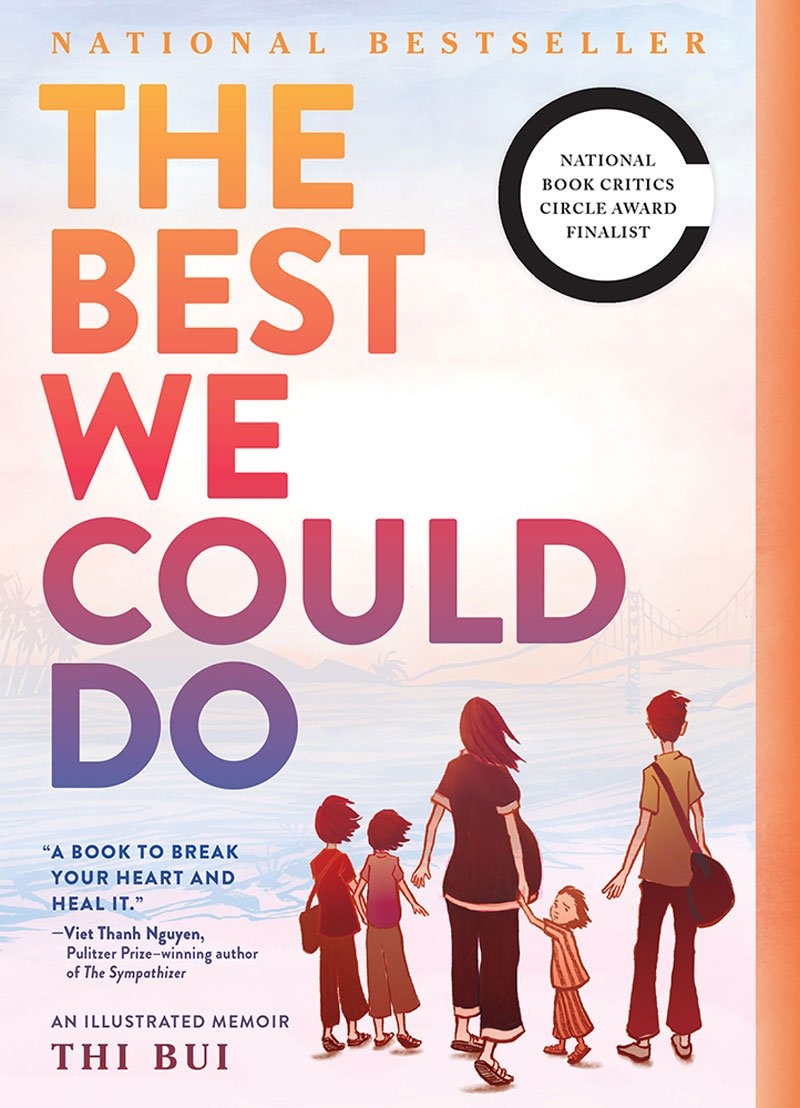
Cover of The Best We Could Do

The Best We Could Do

Persepolis hooked you with its stark black-and-white visuals capturing a girl's rebellious spirit amid Iran's political chaos, blending humor, irony, and brutal honesty about family dynamics and personal freedoms. Thi Bui's 'The Best We Could Do' delivers that same punch through subtle shading and expressive lines, demystifying Vietnam's war-torn history via a daughter's unflinching look at her parents' sacrifices and immigrant struggles. It's the perfect follow-up for fans craving authentic, non-Western narratives that provoke empathy without preachiness.

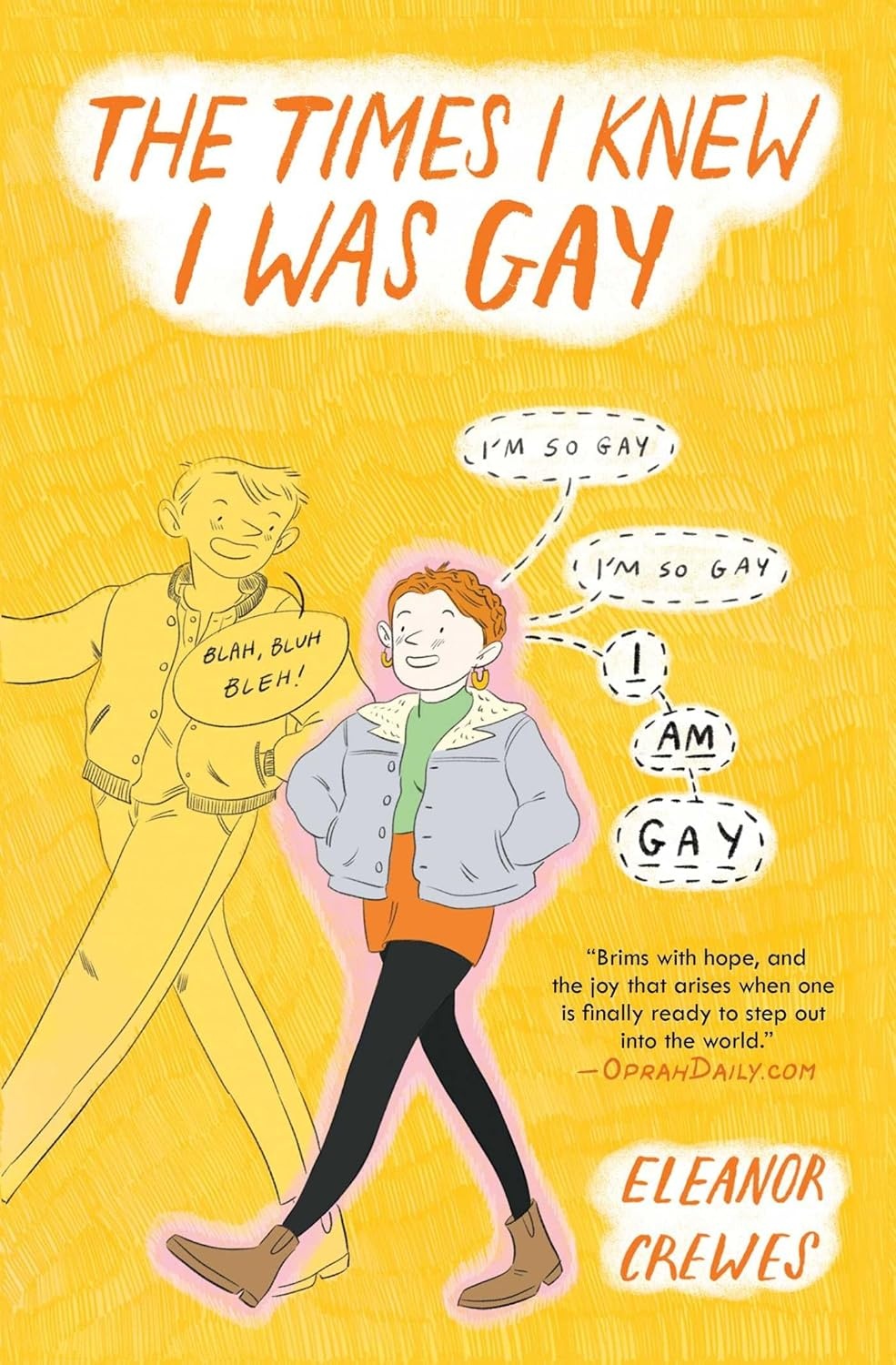
Cover of The Times I Knew I Was Gay

The Times I Knew I Was Gay

Fun Home readers know the power of excavating queer identity through unflinching family analysis and literary rigor. Eleanor Crewes' graphic memoir delivers that same raw honesty—sketching delayed realizations and heteronormative wreckage with dark wit, meta-narrative self-awareness, and visuals that turn repressed desire into resonant truth. No inspirational platitudes, just messy, hard-won authenticity for late-bloomers and creative souls who intellectualize their chaos.

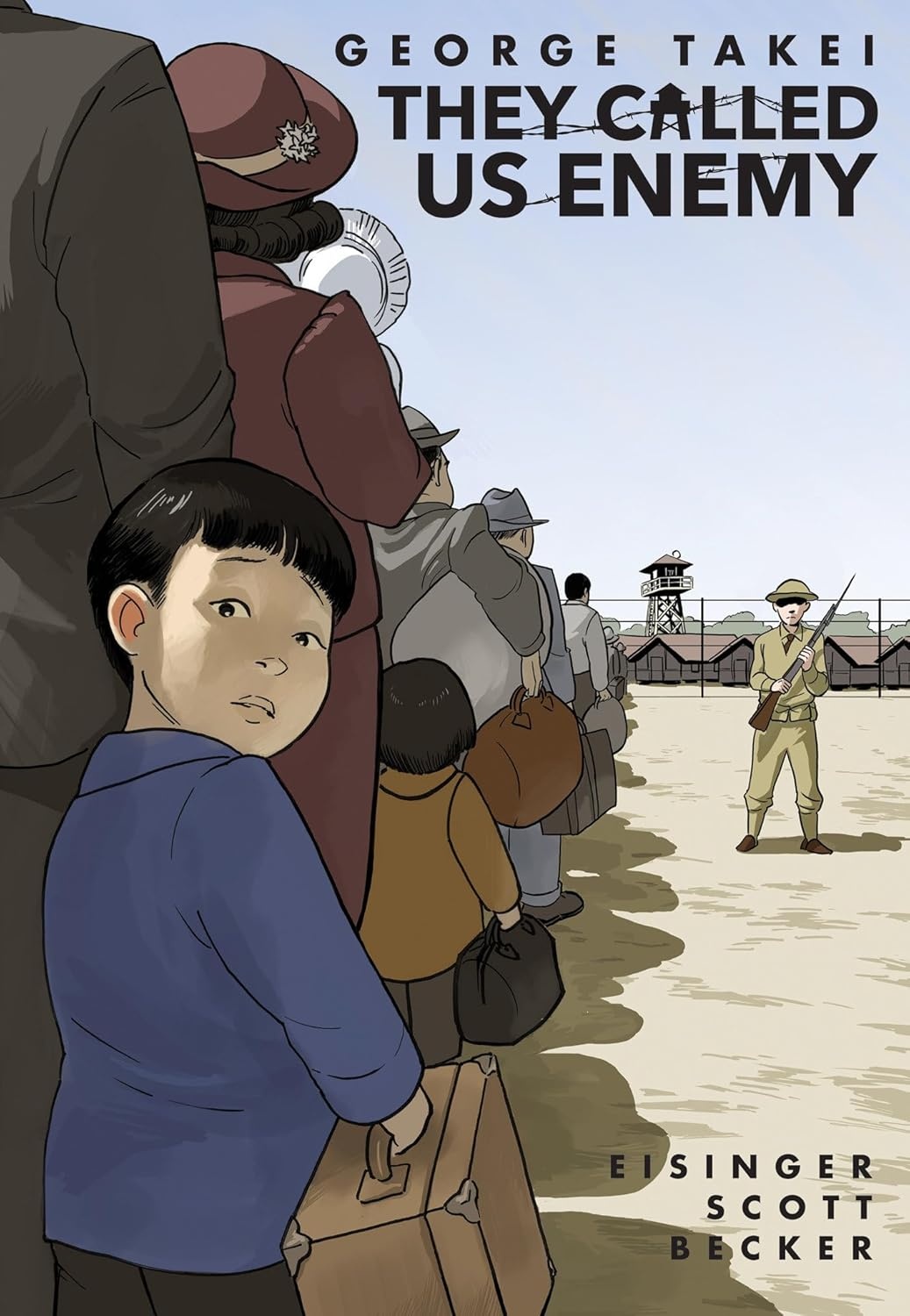
Cover of They Called Us Enemy

They Called Us Enemy

If Maus shattered you with its unflinching panels of survival, They Called Us Enemy wields the same graphic scalpel to expose American internment camps. George Takei turns childhood barbed wire into stark testimony, blending family strain with systemic betrayal—no sanitized history, just raw truth that disturbs and enlightens.

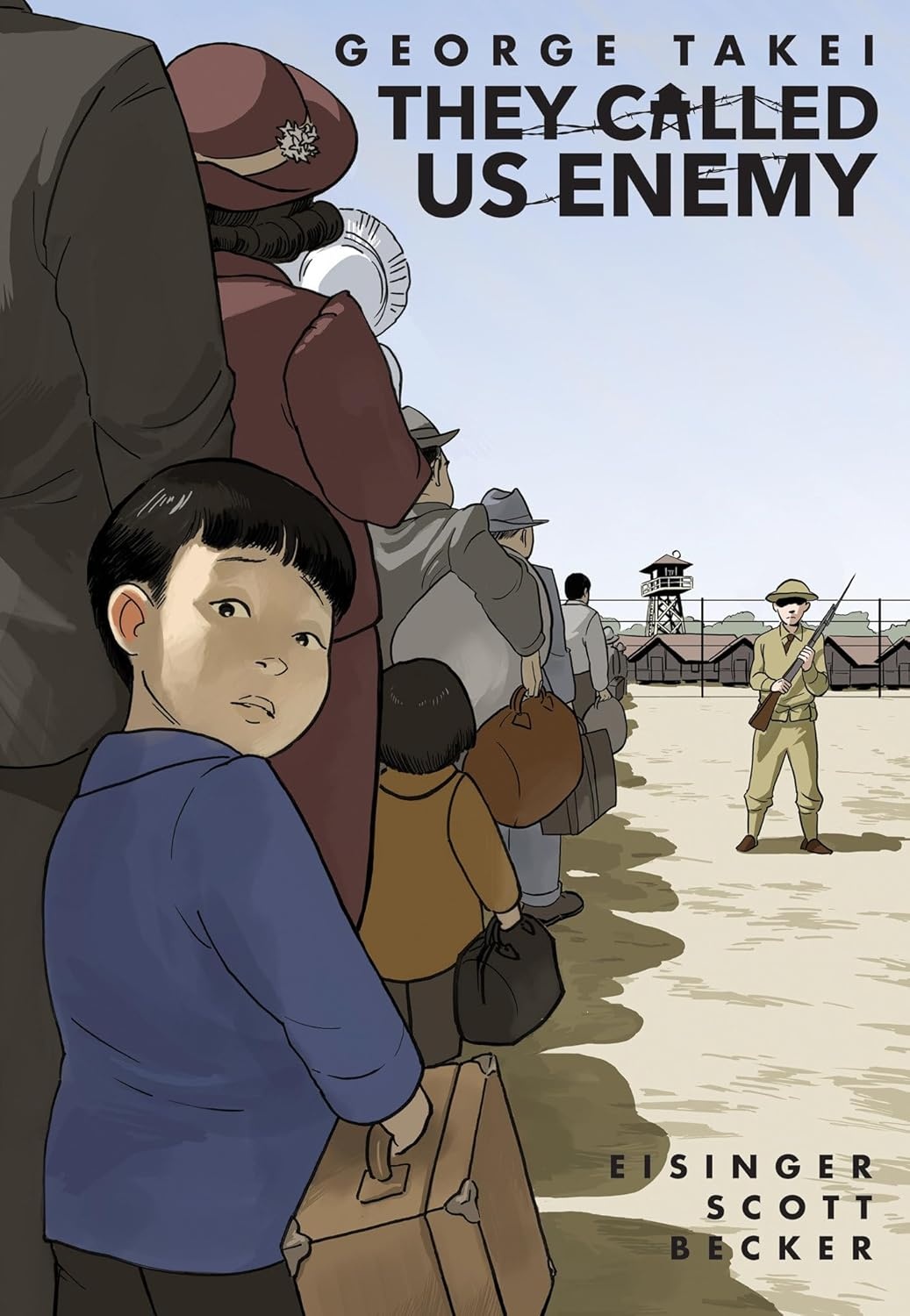
Cover of They Called Us Enemy

They Called Us Enemy

If Anne's unguarded teenage voice made the Holocaust feel unbearably personal, George Takei's graphic memoir does the same for Japanese American internment—a boy parsing family dinners and government betrayal with that same raw precision. You get the visual intimacy of ink and memory, the mundane shadowed by terror, and resilience that never pretends survival was simple. This is history refusing to fade into comfortable abstraction.