Literary Fiction · Mental Health Struggles

12 hand-picked literary fiction and mental health struggles books curated by NextBookAfter.

Literary FictionMental Health Struggles
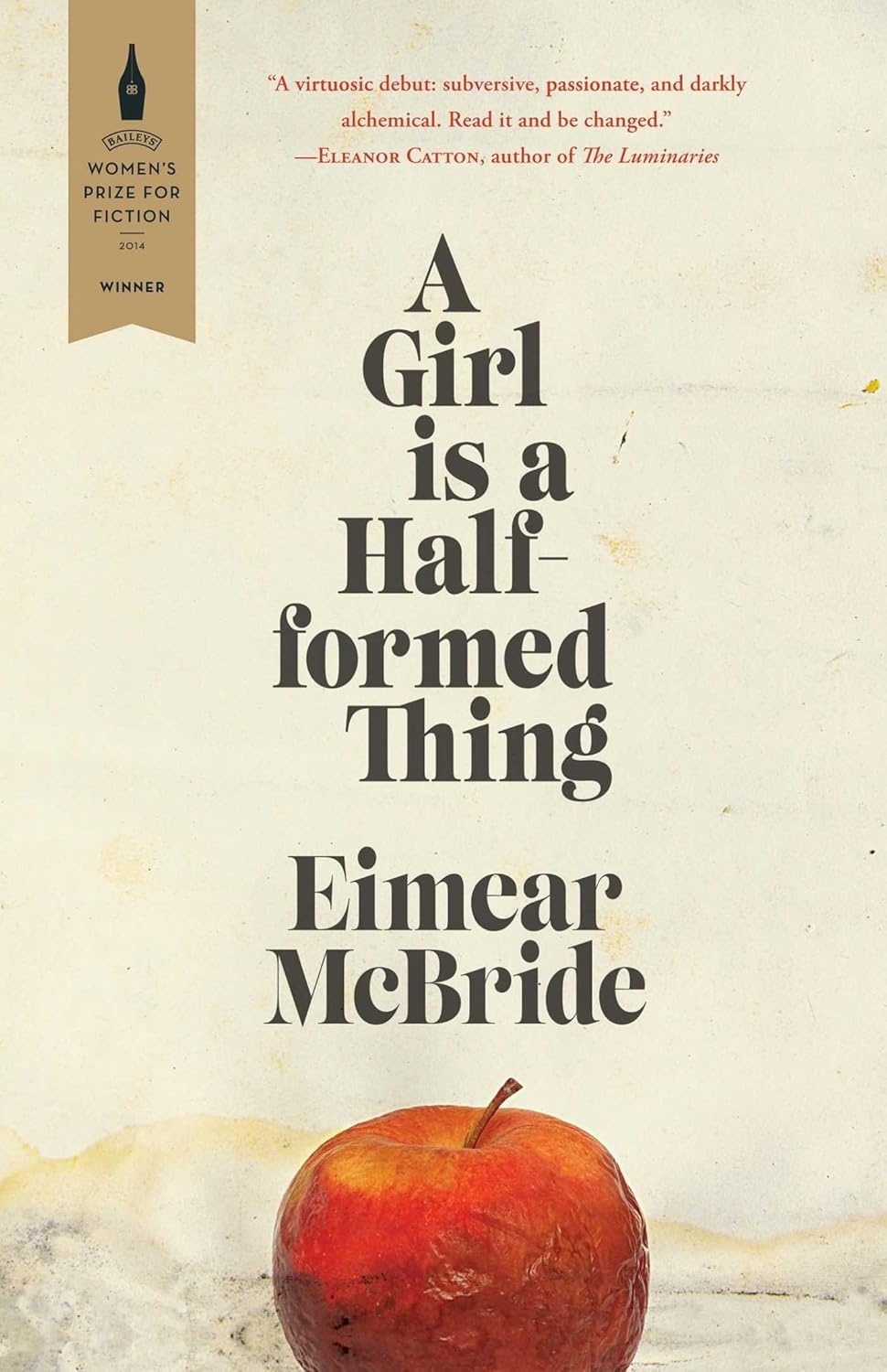
Cover of A Girl Is a Half-formed Thing

A Girl Is a Half-formed Thing

Veronica by Mary Gaitskill captivated you with its unflinching gaze on sexuality's brutal undercurrents and emotional fragmentation—now imagine that intensity amplified in A Girl Is a Half-formed Thing by Eimear McBride, where stream-of-consciousness prose unravels family trauma and religious repression. Fans love how both books refuse redemption arcs, diving into messy abusive dynamics and psychological depths with surgical precision. Share if you're ready for literature that confronts life's ugliest truths head-on.
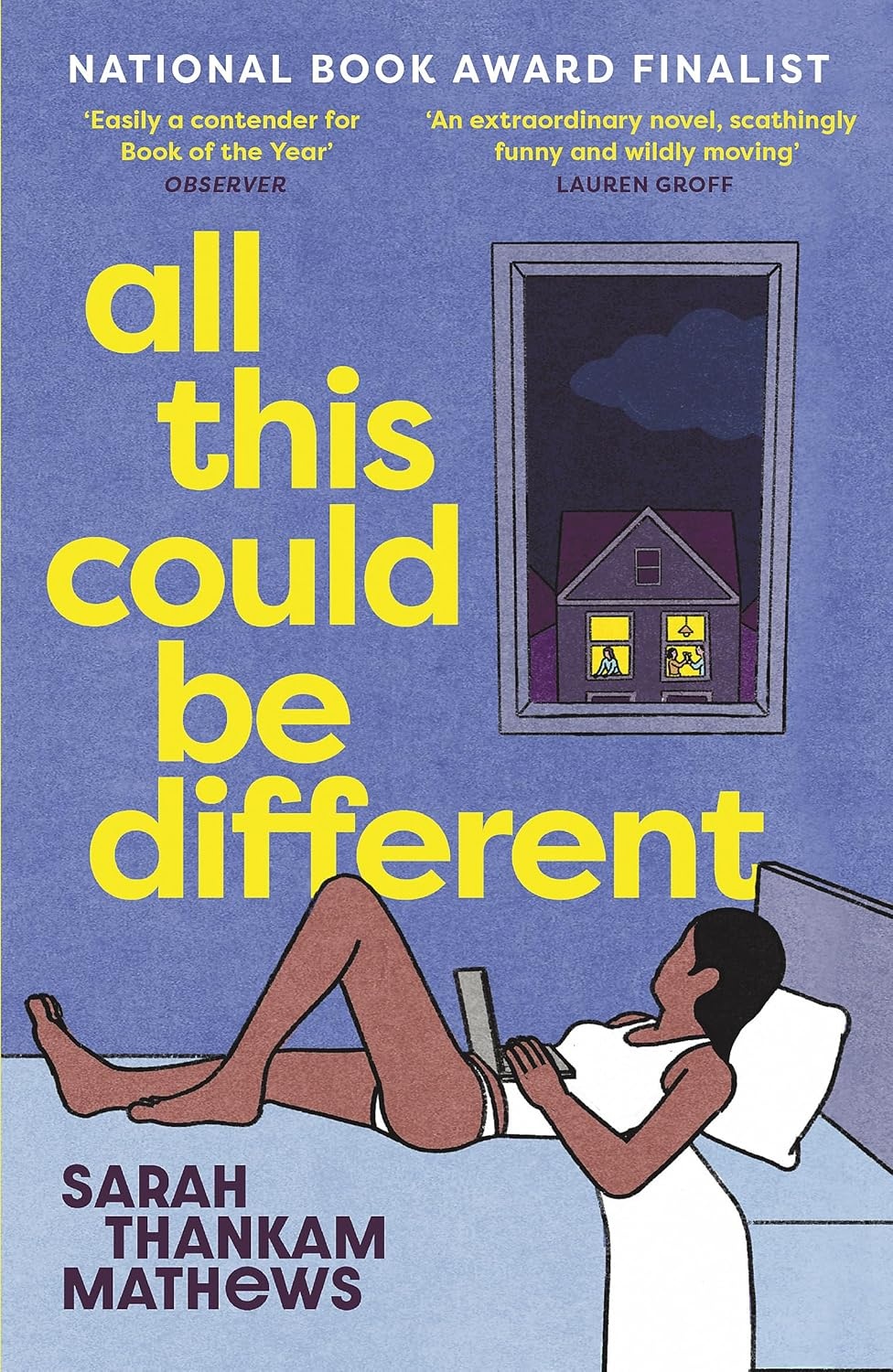
Cover of All This Could Be Different

All This Could Be Different

If Grace Porter's post-PhD spiral felt like watching your own quarter-life crisis in slow motion, this is your next devastation. All the raw vulnerability, impulsive romance, and found family ache you loved in Honey Girl—but angrier at the systems grinding us down. Sarah Thankam Mathews writes queer immigrant exhaustion with the same poetic precision that made Rogers' debut feel like expensive therapy.

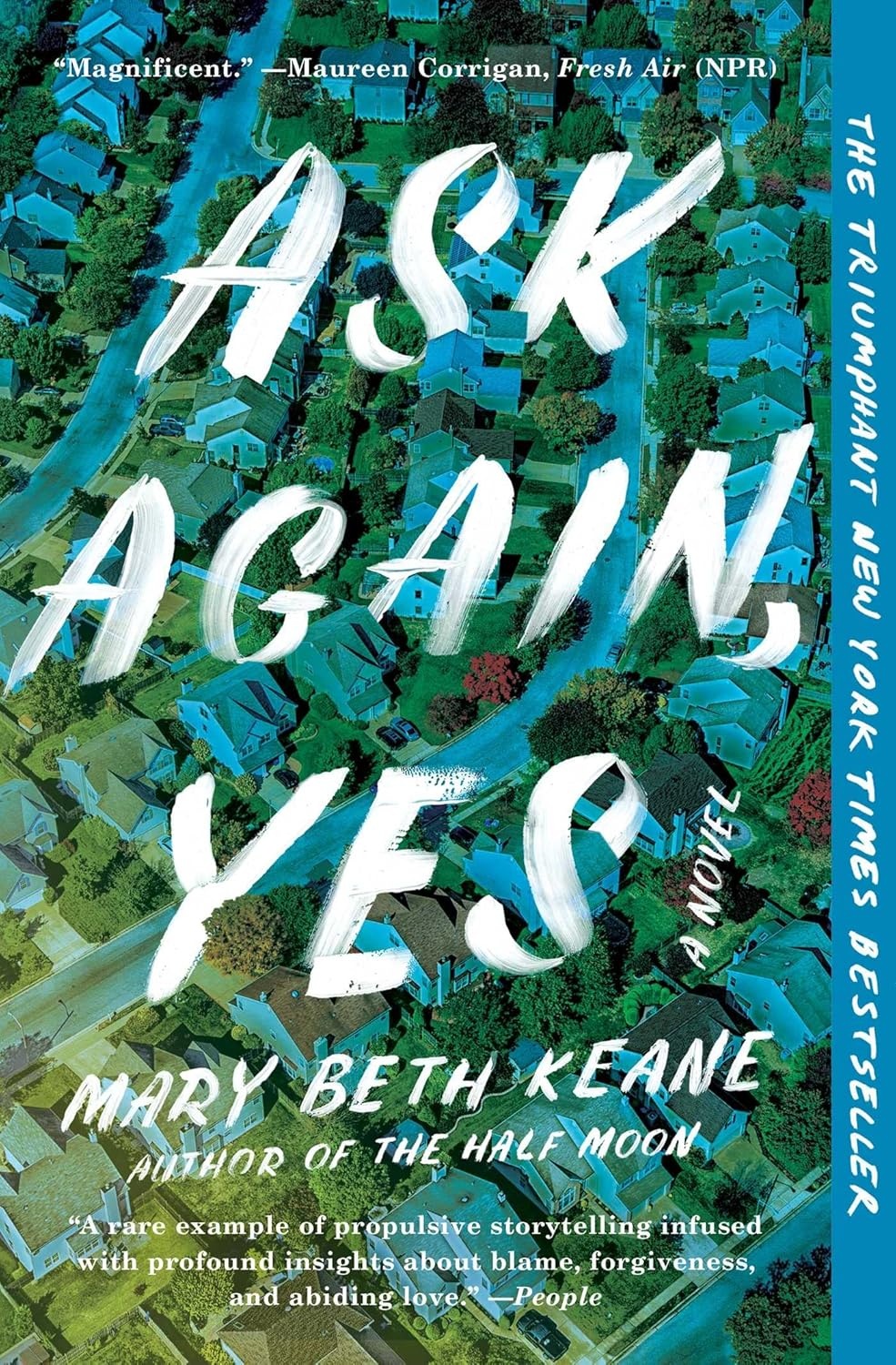
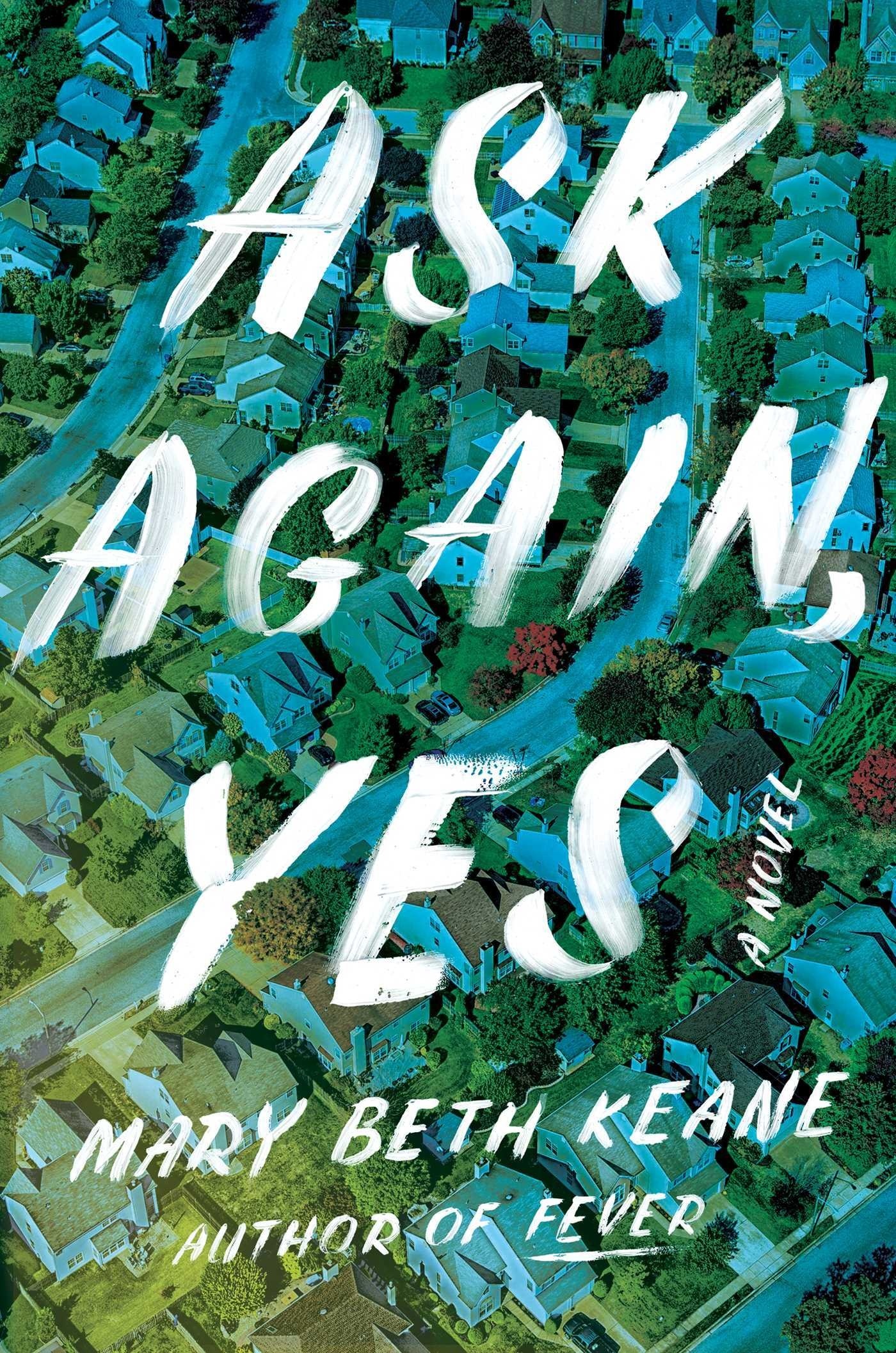
Cover of Ask Again, Yes

Ask Again, Yes

Fly Away gripped you with its unflinching look at flawed women masking pain with sarcasm, navigating addiction and loss in suburban America's hidden chaos. Now, Ask Again, Yes echoes that emotional rollercoaster through two families shattered by mental illness and one unforgivable act, exploring forgiveness and multi-generational bonds that refuse to break. It's the cathartic, tear-jerking follow-up for readers craving resilient heroines who turn suffering into growth.

Cover of Assembly

Assembly

If Lonely Crowds hit you with its unflinching take on urban isolation and the emotional burnout of chasing capitalist dreams in a diaspora haze, you're not alone—readers rave about its dark humor slicing through social media facades and family judgments. This follow-up echoes that raw authenticity, diving deeper into identity crises and mental health struggles with cynical wit that calls out societal bullshit. Get ready for a narrative that feels like a mirror to your own alienated ambitions, no easy answers included.

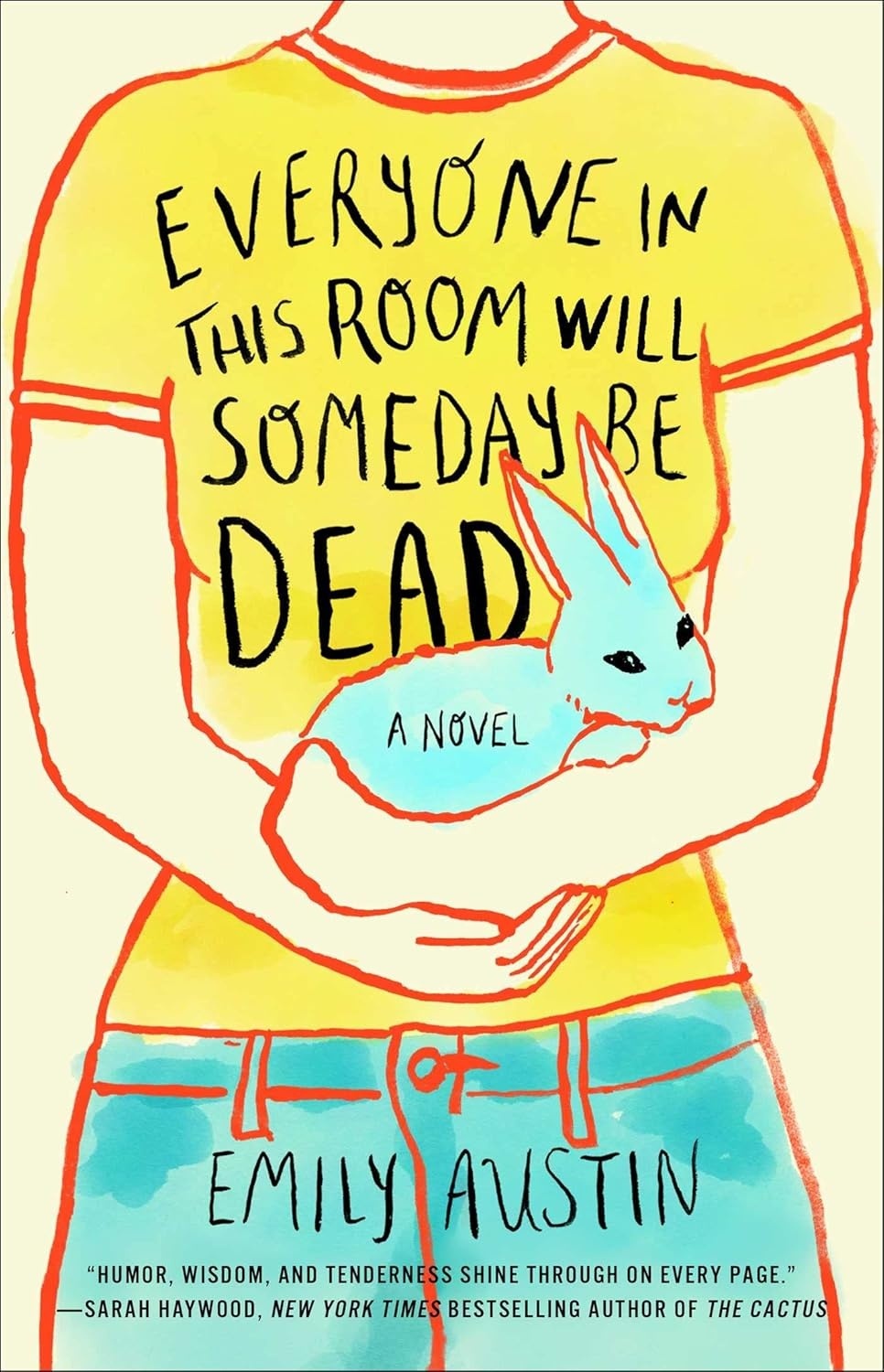
Cover of Everyone in This Room Will Someday Be Dead

Everyone in This Room Will Someday Be Dead

If you loved how Ali Smith made duality a narrative playground, Austin turns anxiety itself into structure—fragmented, darkly funny, and unapologetically queer. Same intellectual playfulness, same emotional punch, but here the puzzle lives inside one unraveling consciousness navigating mortality and Catholic guilt with razor-sharp vulnerability.

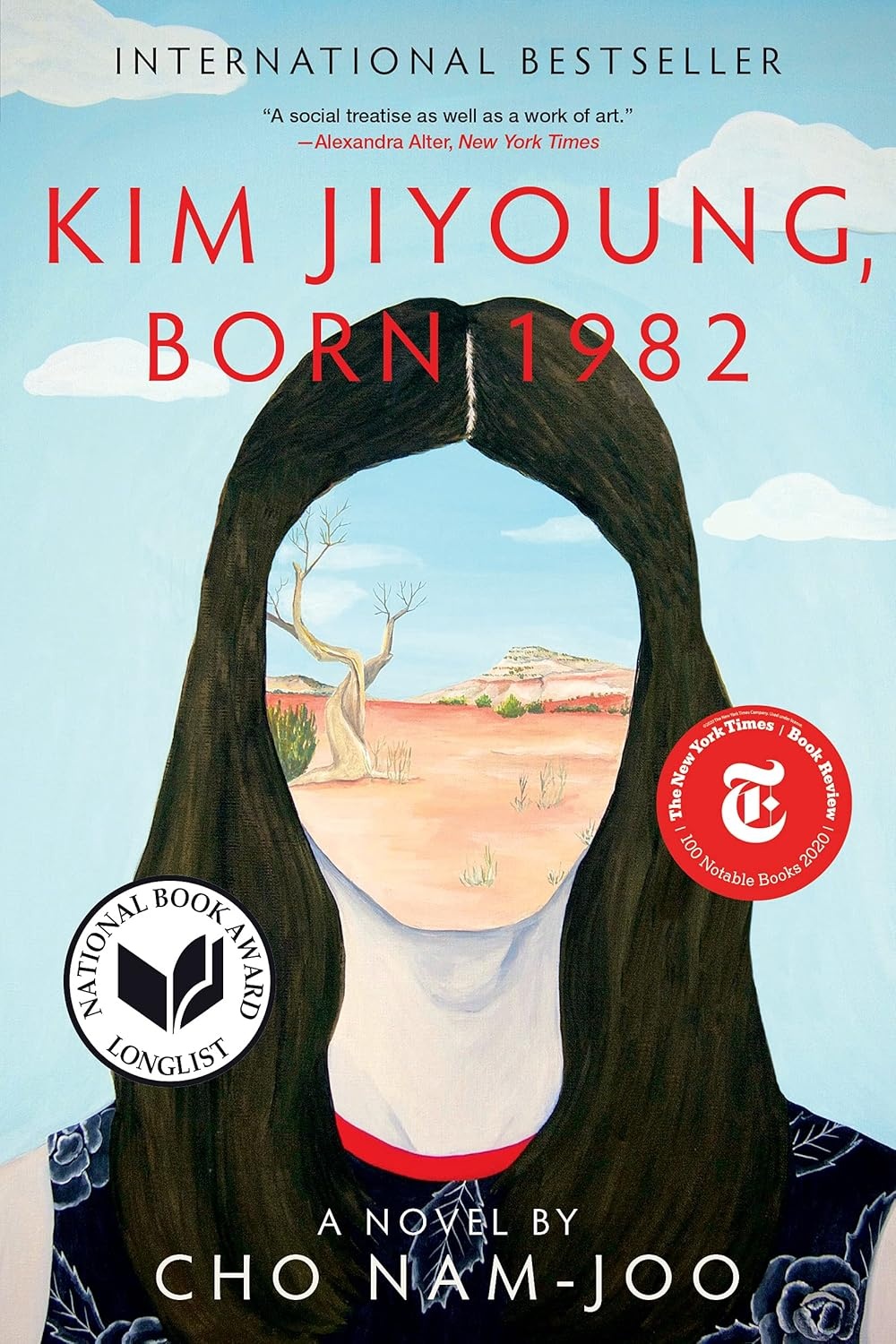
Cover of Kim Jiyoung, Born 1982

Kim Jiyoung, Born 1982

Kawakami stripped away the gloss on women's bodies and class wounds—Cho Nam-Joo does the same through Seoul's crushing gender machinery. This is the unglamorous feminist fiction that catalogues microaggressions into structural rage, testimony without therapy-speak, where a woman's entire biography becomes evidence against the culture that shaped her.

Cover of Kim Jiyoung, Born 1982

Kim Jiyoung, Born 1982

If The Women's Room gave you that combustible validation of every swallowed insult, Kim Jiyoung, Born 1982 reignites the fury with devastating precision. This is second-wave feminism's righteous anger reborn in a Korean woman's polite breakdown—everyday sexism catalogued as evidence, not entertainment, building toward that same collective scream.

Cover of Norwegian Wood

Norwegian Wood

You loved Holden because he refused to lie about the world's phoniness, because his depression didn't come with a redemption arc, because his rage felt like validation. That unvarnished voice—the one that saw through everyone's BS and couldn't pretend grief makes you whole—is rare, addictive, and waiting for you in stories that honor the messy, unresolved truth of youth lived without scripts.

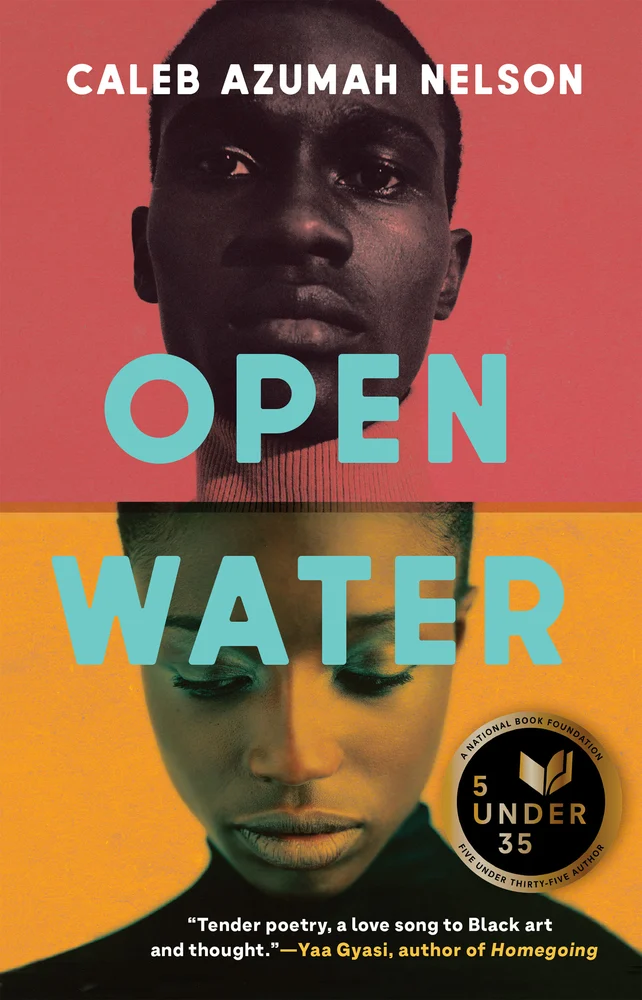
Cover of Open Water

Open Water

Normal People's raw emotional honesty in depicting the turbulent push-pull of young love, flawed protagonists navigating anxiety and self-sabotage, and subtle class commentary resonated deeply with readers craving authentic millennial struggles. Open Water echoes this with its unflinching portrayal of a tender romance between Black artists, delving into racial dynamics, mental health insights, and unspoken desires in minimalist, poetic prose. It's the intimate, ambiguous ache you can't shake, layered with sharp societal critique on identity and vulnerability.

Cover of Sunburn

Sunburn

You devoured The Adult because it refused to sanitize queer coming-of-age—because Natalie's unraveling felt like your own confusion mirrored back. That same unflinching honesty, that blend of dark humor and psychological turbulence, that sparse prose that cuts deeper than it comforts: it all lives in stories that treat identity formation like the raw, obsessive, alienating experience it truly is.

Cover of The Most Fun We Ever Had

The Most Fun We Ever Had

You fell hard for Hello Beautiful's fierce sisterly loyalty amid heartbreak and mental fragility, where the Padavano women's resilience shines through chaos without sugarcoating the pain. It's that cathartic realism—exploring depression, forgiveness, and intergenerational ties—that makes it unforgettable, echoing your own messy family truths. Discover a follow-up like The Most Fun We Ever Had that delivers the same brutal beauty in sibling rivalries and quiet healing.

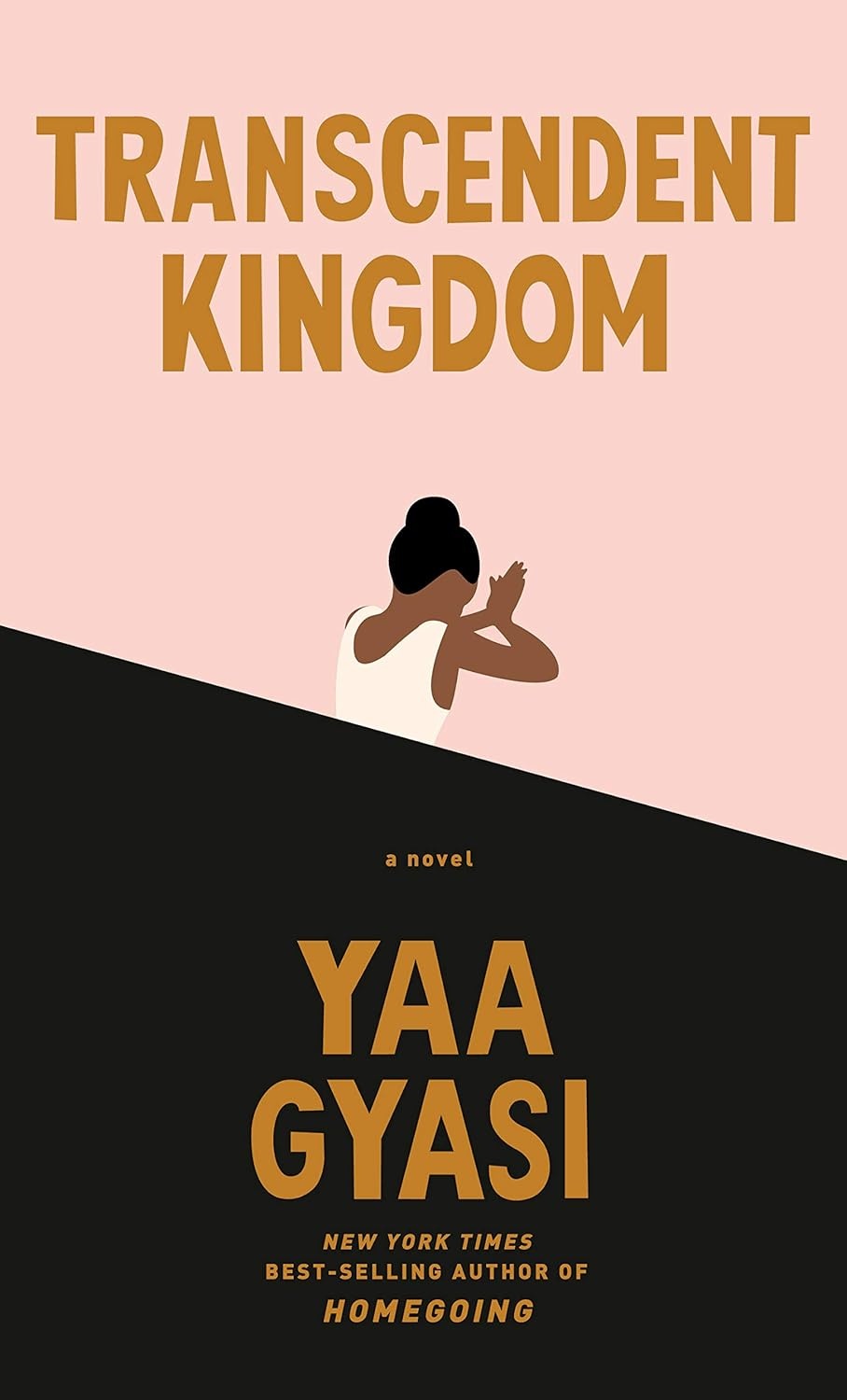
Cover of Transcendent Kingdom

Transcendent Kingdom

If Winter Santiaga's spiritual reckoning with consequence spoke to you, meet Gifty—a neuroscience PhD candidate dissecting family addiction, faith versus dopamine receptors, and Ghanaian-American identity with the same unflinching ferocity. Yaa Gyasi delivers the grit, the flawed Black female ambition, and the cultural specificity Sister Souljah trained you to demand, minus the afterlife detours.