Why Everyone's Talking About Elderhood — And What to Read Next
Each reading path is curated by NextBookAfter Editors around tone, themes, pacing, character dynamics, and the specific reader payoff that carries from one book to the next. Read the recommendation methodology.
1. Start with the book that turns diagnosis into action
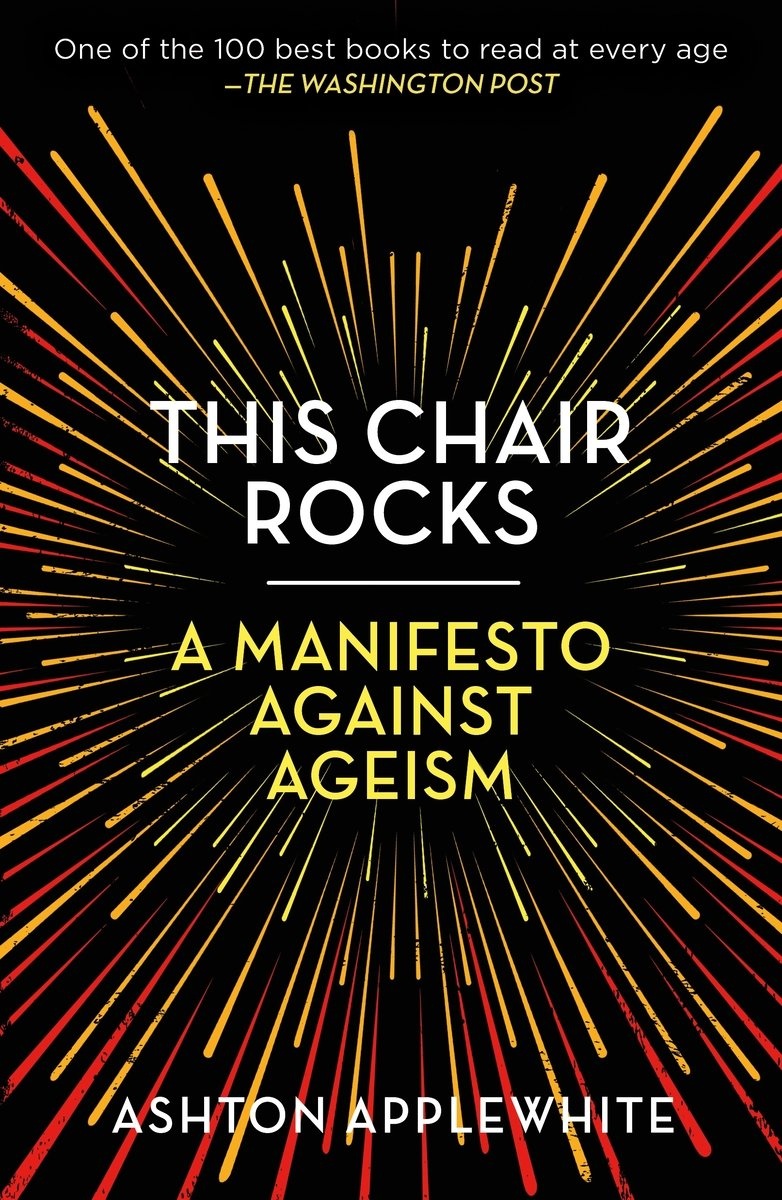
This Chair Rocks picks up right where Elderhood leaves you: newly alert to the system, a bit annoyed by it, and ready for sharper tools. On the NextBookAfter catalog page, Ashton Applewhite's argument lands as ageism critique with practical bite, blending research, personal stories, and a welcome refusal to speak about older adults as a tidy abstraction.
If Aronson gave you the anatomy lesson, Applewhite gives you the talking points, the nerve, and the crowbar. The tone is brisk and wry rather than scolding, which helps when the subject is a social bias most people are still pretending not to notice.
- Ageism critique
- Practical activism
- Wry voice
2. For readers who want the critique to get more structural
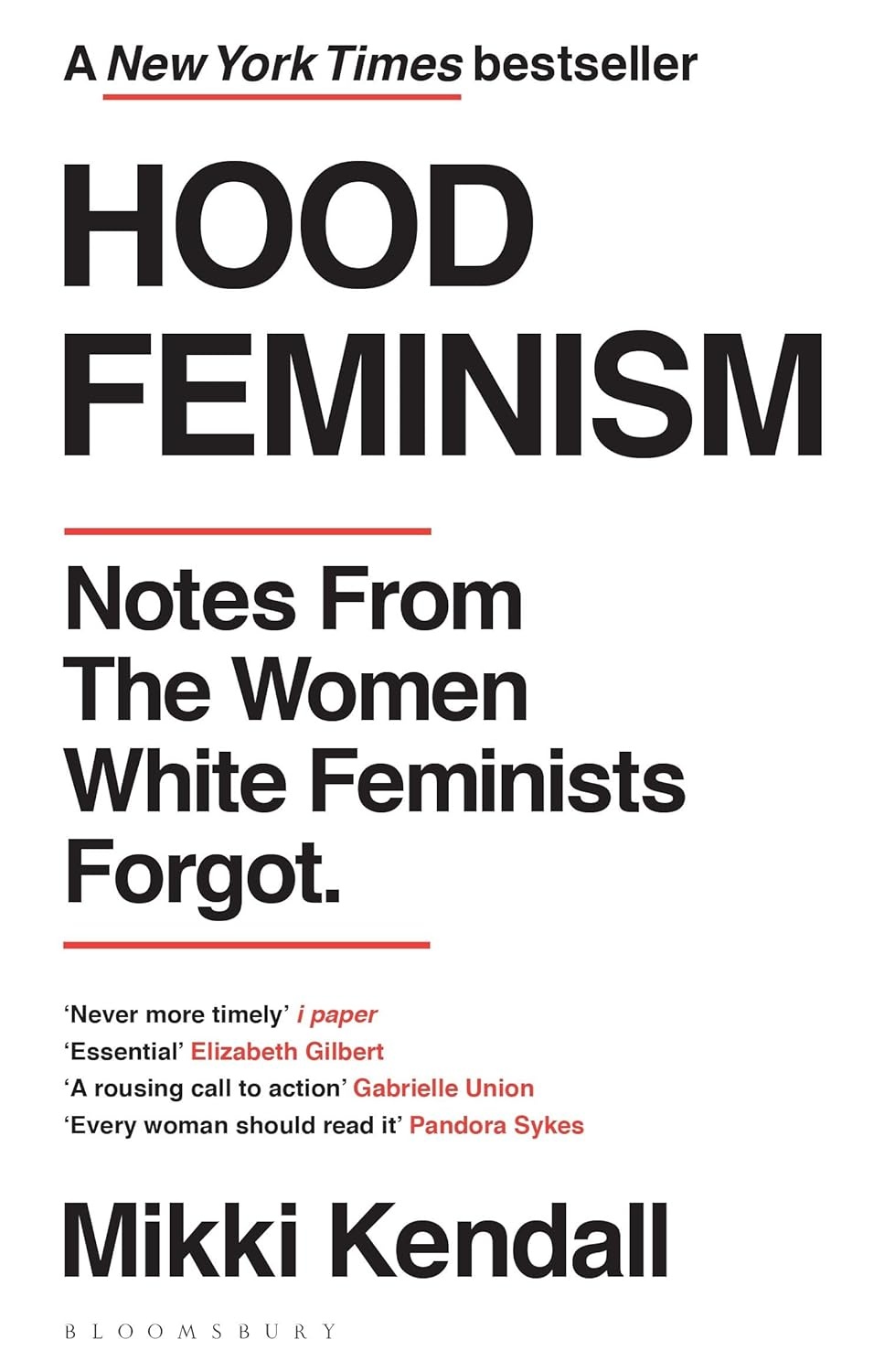
Hood Feminism is a smart next move if what hooked you in Elderhood was the insistence that private problems are rarely just private. Mikki Kendall's catalog match pushes that same inclusive social critique into feminism, race, hunger, healthcare, and the daily logistics of who gets protected and who gets ignored.
It is not gentle, exactly, but it is clarifying in the best way. If Applewhite helps you name one bias cleanly, Kendall reminds you that every bias likes company.
- Inclusive critique
- Social commentary
- Radical honesty
3. If you want the wit, but with weeknight survival on the table
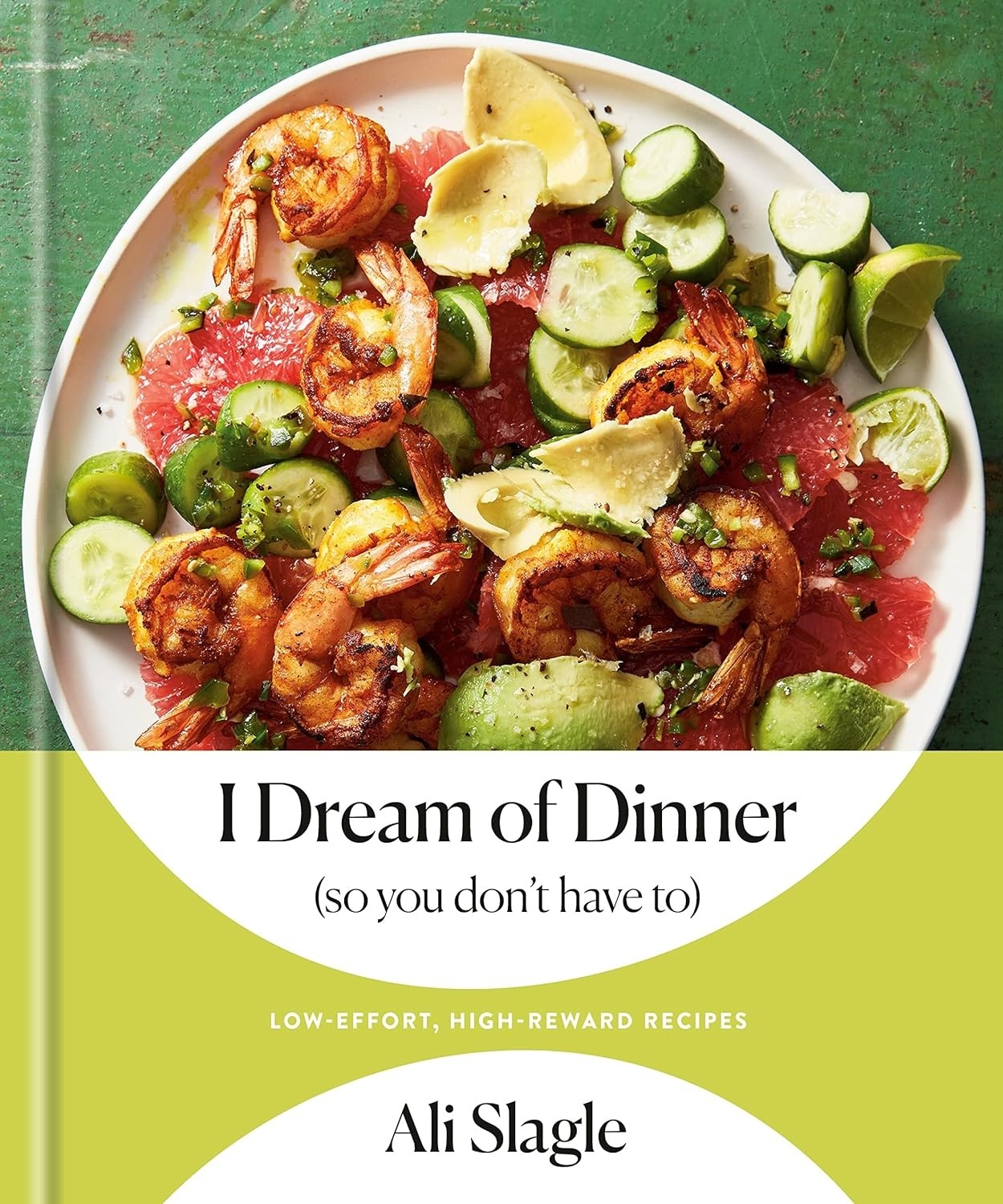
I Dream of Dinner (So You Don't Have To) is the oddball detour that still makes sense here. On its catalog page, Ali Slagle leans into practical intelligence with irreverent charm, which turns out to pair surprisingly well with readers who loved Elderhood's no-nonsense refusal to romanticize hard realities.
This one trades medical institutions for a chaotic kitchen, but the underlying pleasure is similar: someone competent, funny, and unfooled by prestige culture showing you a saner way through. Sometimes the next right book is not a direct thematic twin; it is a tonal rescue mission.
- Bold flavors
- Irreverent essays
- Low-effort life
4. End with essays that understand generational ache from the inside
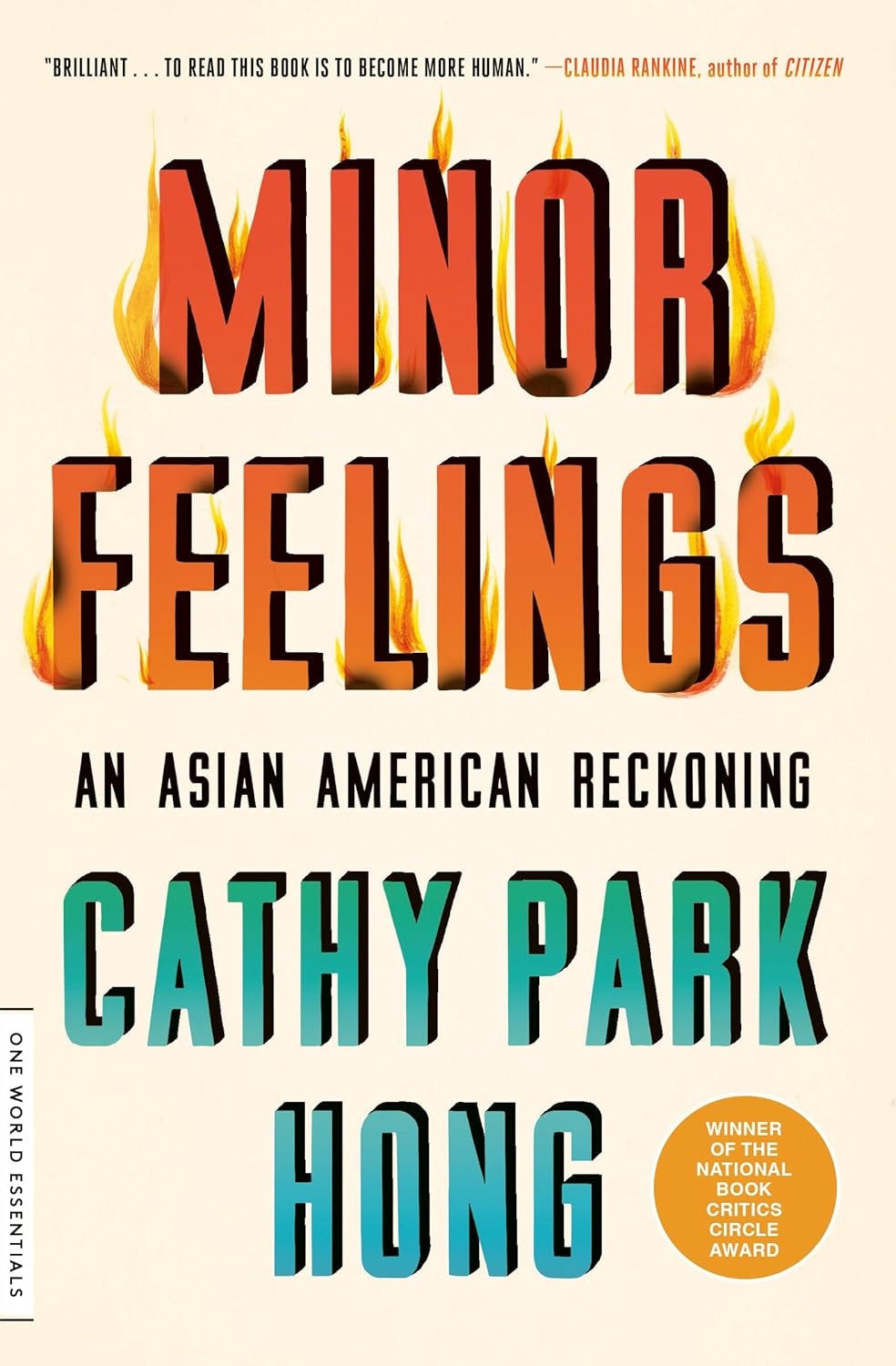
Minor Feelings is the best closer if what stayed with you from Elderhood was its tenderness toward vulnerability without any loss of edge. Cathy Park Hong's catalog recommendation brings generational dynamics and cultural critique into the same frame, tracing identity, shame, anger, and inheritance with unnerving precision.
These essays are more lyrical than Aronson's, but they scratch a related itch: how do we speak honestly about the stories societies and families tell about who matters? If that question is still rattling around after page one, this is your book.
- Generational tension
- Identity essays
- Emotional candor
Browse the full NextBookAfter catalog for more nonfiction pairings that connect memoir, criticism, and lived-in intelligence without the book-club fluff.