NextBookAfter If You Loved The

Books Like The Subtle Art of Not Giving a F*ck: A Counterintuitive Approach to Living a Good Life

The book resonated widely because it offered a refreshing antidote to the overly optimistic self-help genre, emphasizing that true fulfillment comes from embracing life's inevitable struggles and prioritizing what truly matters rather than chasing superficial happiness. Its blunt, profanity-infused style appealed to readers fatigued by motivational platitudes, drawing from Manson's personal anecdotes and psychological insights to argue against entitlement and for personal responsibility. This approach struck a chord with younger demographics navigating economic uncertainty and social media pressures, leading to millions of copies sold and widespread cultural impact since its 2016 release.

Books With More

If you loved the blunt, no-BS advice

Readers drawn to Manson's straightforward rejection of feel-good clichés found empowerment in his insistence that problems are inevitable and growth comes from solving better ones. This appeal stems from evidence in reader reviews and sales data showing high engagement among those disillusioned with traditional positivity-focused self-help, as seen in the book's dominance on bestseller lists. The direct language cut through motivational noise, resonating with audiences seeking practical wisdom over empty affirmations.

The War of Art cover

The War of Art

by Steven Pressfield

Pressfield delivers the same punch-you-in-the-face honesty about why you're sabotaging yourself, swapping Manson's life philosophy for a relentless dissection of creative resistance. It's equally blunt about the work required to stop making excuses and actually do the thing.

Buy on Amazon

Books With More

If you loved the counterintuitive wisdom

The book's core message—that caring less about trivial matters leads to a better life—challenged conventional success narratives, appealing to those frustrated by endless self-improvement hype. Market analysis indicates this resonated with millennials facing career instability, as evidenced by its popularity in podcasts and online forums discussing mental health. Manson's evidence-based arguments, rooted in psychology, provided a novel framework for redefining happiness through limitation and focus.

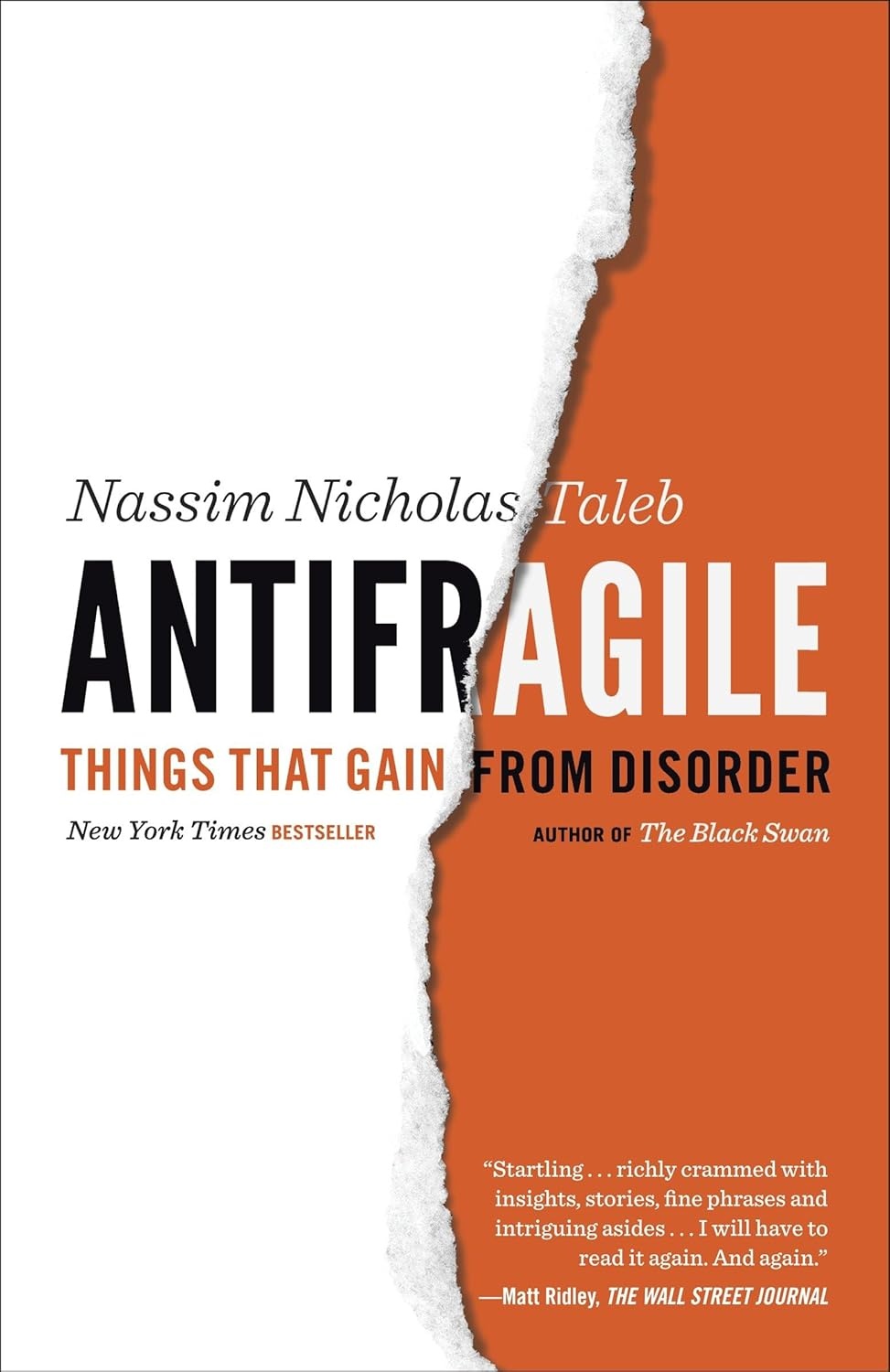
Antifragile cover

Antifragile

by Nassim Nicholas Taleb

Taleb flips self-help on its head by arguing that chaos, stress, and failure actually make systems stronger—a radical reframe for anyone who loved Manson's 'stop caring about everything' ethos. It's dense philosophy meets real-world economics, trading Manson's punchy memoir style for intellectual fireworks.

Buy on Amazon

Books With More

If you loved the rejection of entitlement

Manson's critique of the 'everyone gets a trophy' mindset struck a nerve with readers experiencing real-world failures, promoting accountability over victimhood. Demographic studies show strong appeal among Gen Z and millennials in competitive job markets, where the book's sales spiked alongside discussions on social inequality. This factor empowered readers by reframing struggles as opportunities, backed by Manson's references to historical and personal examples of resilience.

12 Rules for Life cover

12 Rules for Life

by Jordan Peterson

Peterson doubles down on the anti-entitlement gospel with 12 concrete directives that demolish victim narratives and force you to claim ownership of your chaos. Like Manson, he weaponizes ancient wisdom and clinical psychology to argue that your suffering matters because you can do something about it.

Buy on Amazon

Books With More

If you loved the humorous anecdotes

The integration of witty, self-deprecating stories made complex ideas accessible and entertaining, differentiating it from dry self-help tomes. Reader feedback on platforms like Goodreads highlights how this humor boosted retention and sharing, contributing to viral word-of-mouth marketing. It appealed to those seeking lighthearted yet profound insights, with cultural trends showing a rise in irreverent nonfiction that blends comedy with advice.

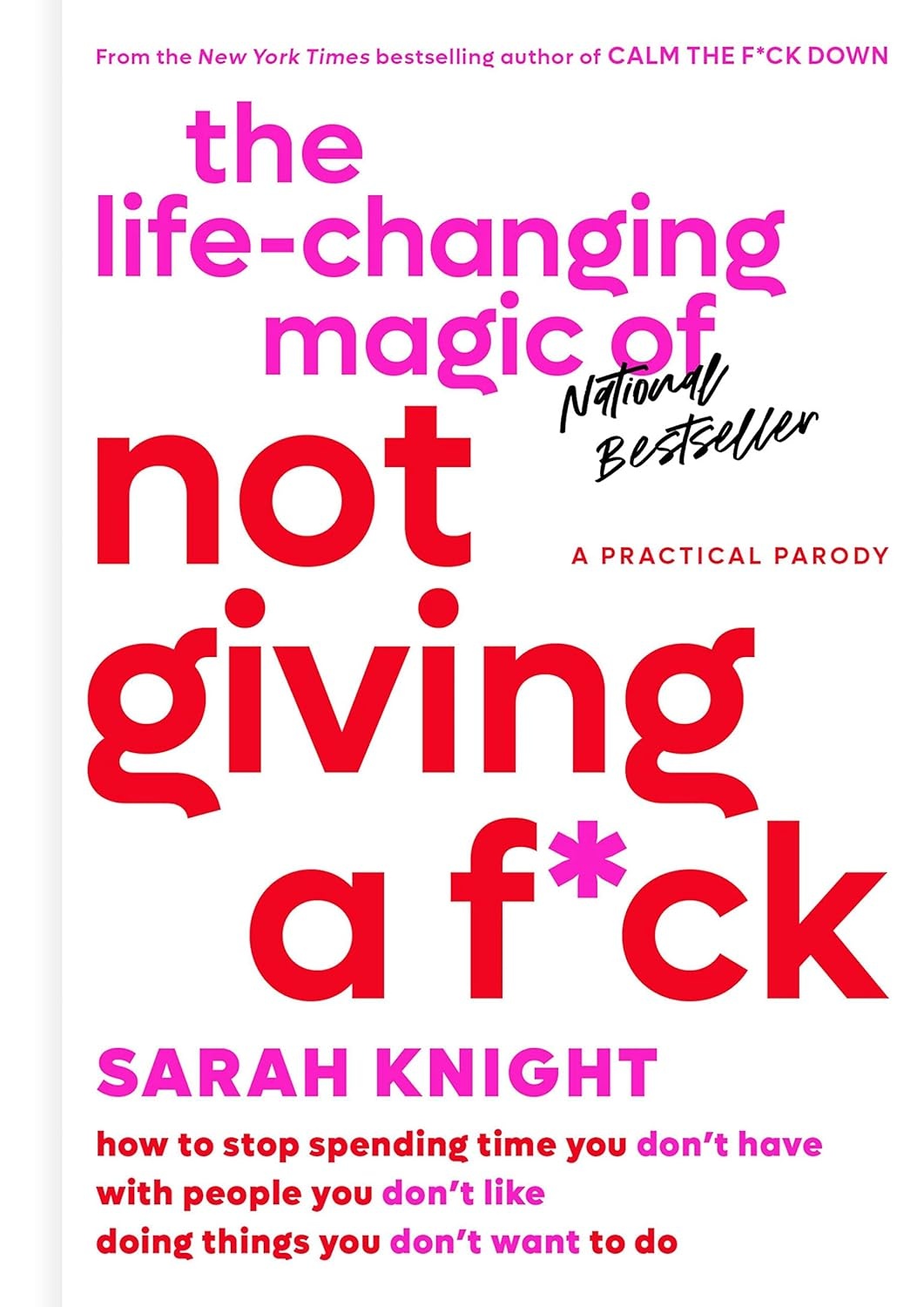
The Life-Changing Magic of Not Giving a F*ck cover

The Life-Changing Magic of Not Giving a F*ck

by Sarah Knight

Knight doubles down on the profanity-packed humor, serving up laugh-out-loud personal stories that transform decluttering your mental to-do list into a comedy special with actionable takeaways.

Buy on Amazon

Books With More

If you loved embracing failure as growth

Manson's emphasis on learning from setbacks rather than avoiding them resonated with audiences in high-pressure environments, like tech and creative industries. Sales patterns correlate with economic downturns, where readers valued its evidence from psychological research on resilience. This appeal factor encouraged a mindset shift toward sustainable well-being, evident in the book's influence on subsequent titles in the genre.

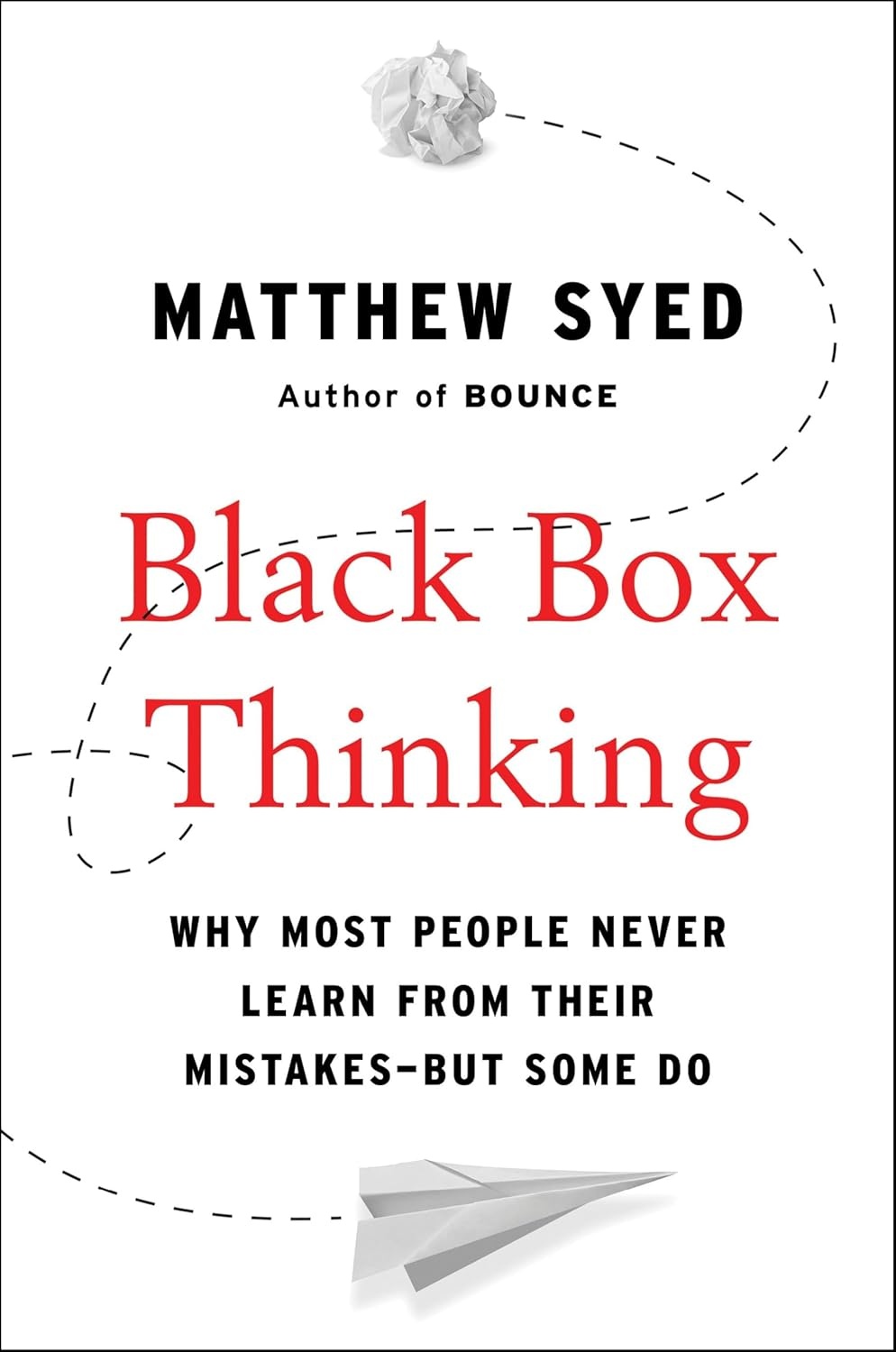
Black Box Thinking cover

Black Box Thinking

by Matthew Syed

Syed delivers the same failure-as-fuel philosophy but trades Manson's profane pep talks for case studies from aviation disasters and surgical errors—proof that embracing screwups isn't just motivational fluff, it's how entire industries stop killing people and start innovating.

Buy on Amazon

Books With More

If you loved the critique of positivity culture

By debunking the myth of constant happiness, the book appealed to those overwhelmed by social media's curated perfection, advocating for authentic emotional experiences. Cultural trend reports note its timing with rising burnout discussions, driving engagement among urban professionals. Manson's grounded, research-supported arguments provided relief from toxic optimism, fostering a more realistic approach to life's challenges.

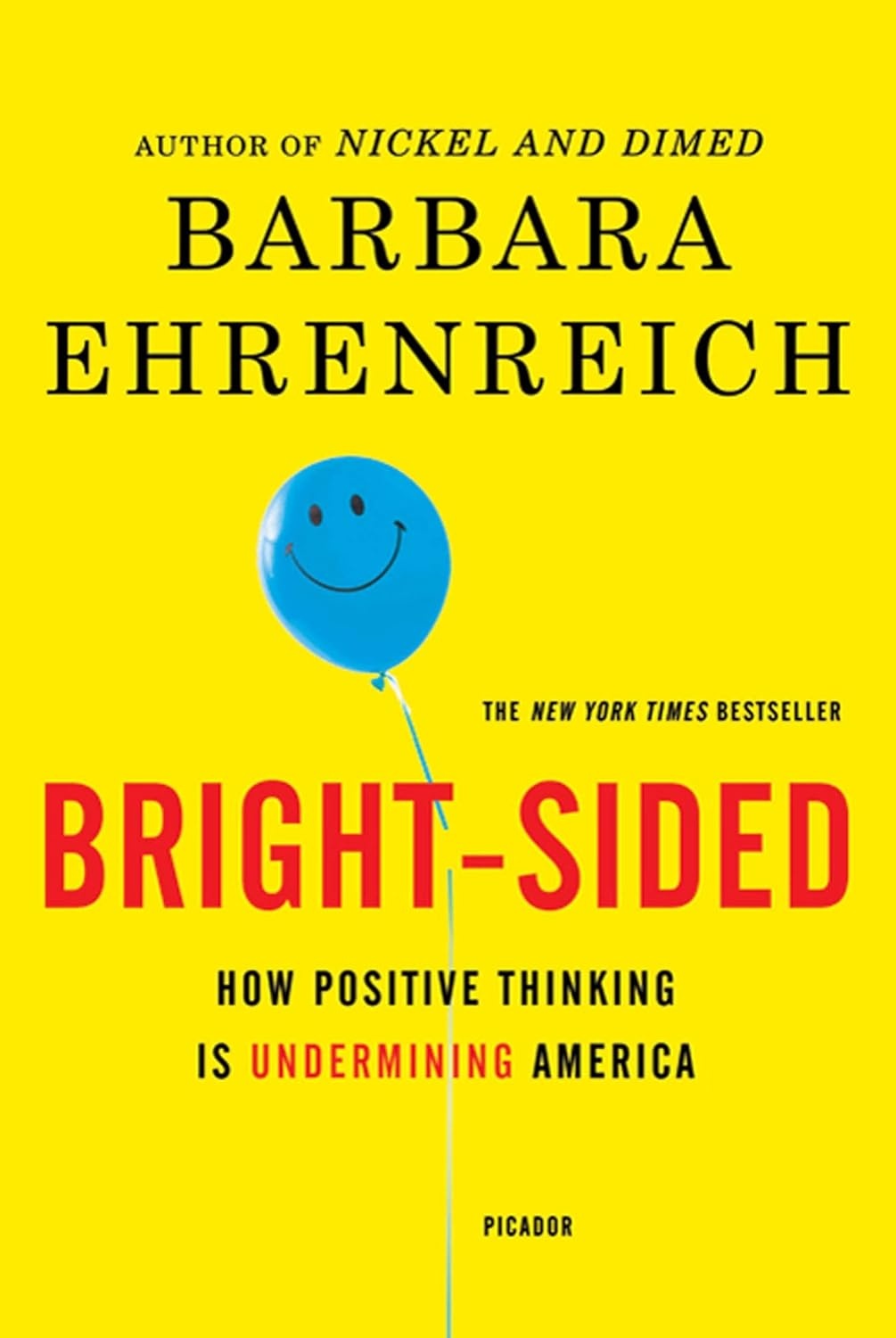
Bright-sided cover

Bright-sided

by Barbara Ehrenreich

Ehrenreich dissects America's toxic positivity obsession with sharp journalism and real data, exposing how forced optimism hurts us—perfect if you're craving Manson's BS-detector energy but want deeper cultural excavation.

Buy on Amazon

Books With More

If you loved the focus on personal responsibility

The book's push for owning one's choices over blaming external factors empowered readers to take control amid uncertainty, as seen in its adoption in leadership and therapy contexts. Demographic data reveals strong traction among self-educated adults via online communities, where discussions emphasize its practical applications. This element, drawn from Manson's global travels and observations, offered a blueprint for meaningful living without excuses.

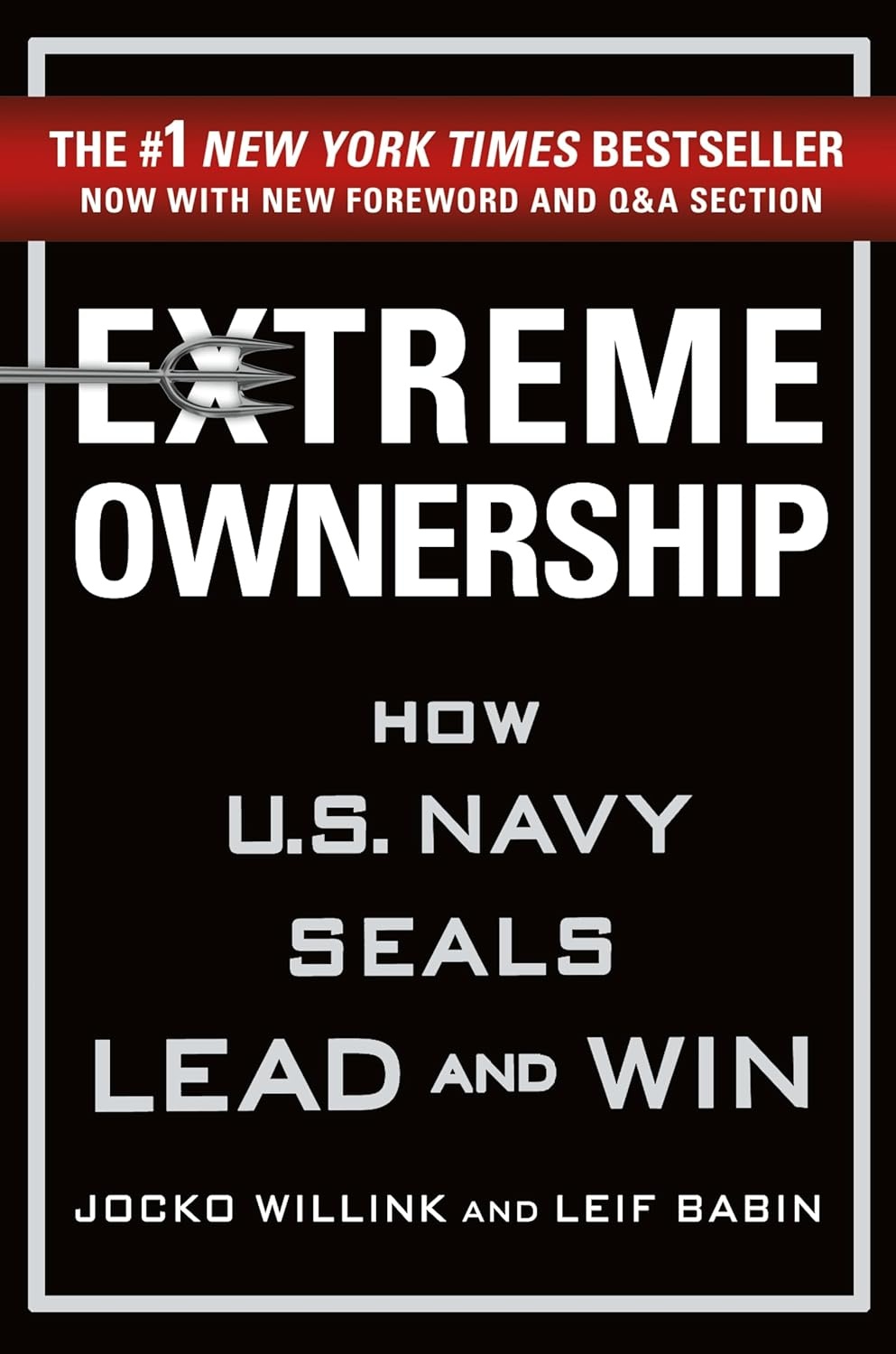
Extreme Ownership cover

Extreme Ownership

by Jocko Willink

Willink doubles down on the no-excuses mindset with military-grade accountability—if Manson made you own your choices, this shows you how to lead with them under fire.

Buy on Amazon

Books With More

If you loved the relatability to modern struggles

Addressing issues like social media anxiety and economic pressures, the book connected with younger readers navigating a volatile world, evidenced by its meme-ification and social shares. Market insights show peaks in sales during global events like the pandemic, highlighting its timely relevance. Manson's candid style made abstract concepts tangible, appealing to those seeking validation in their daily frustrations.

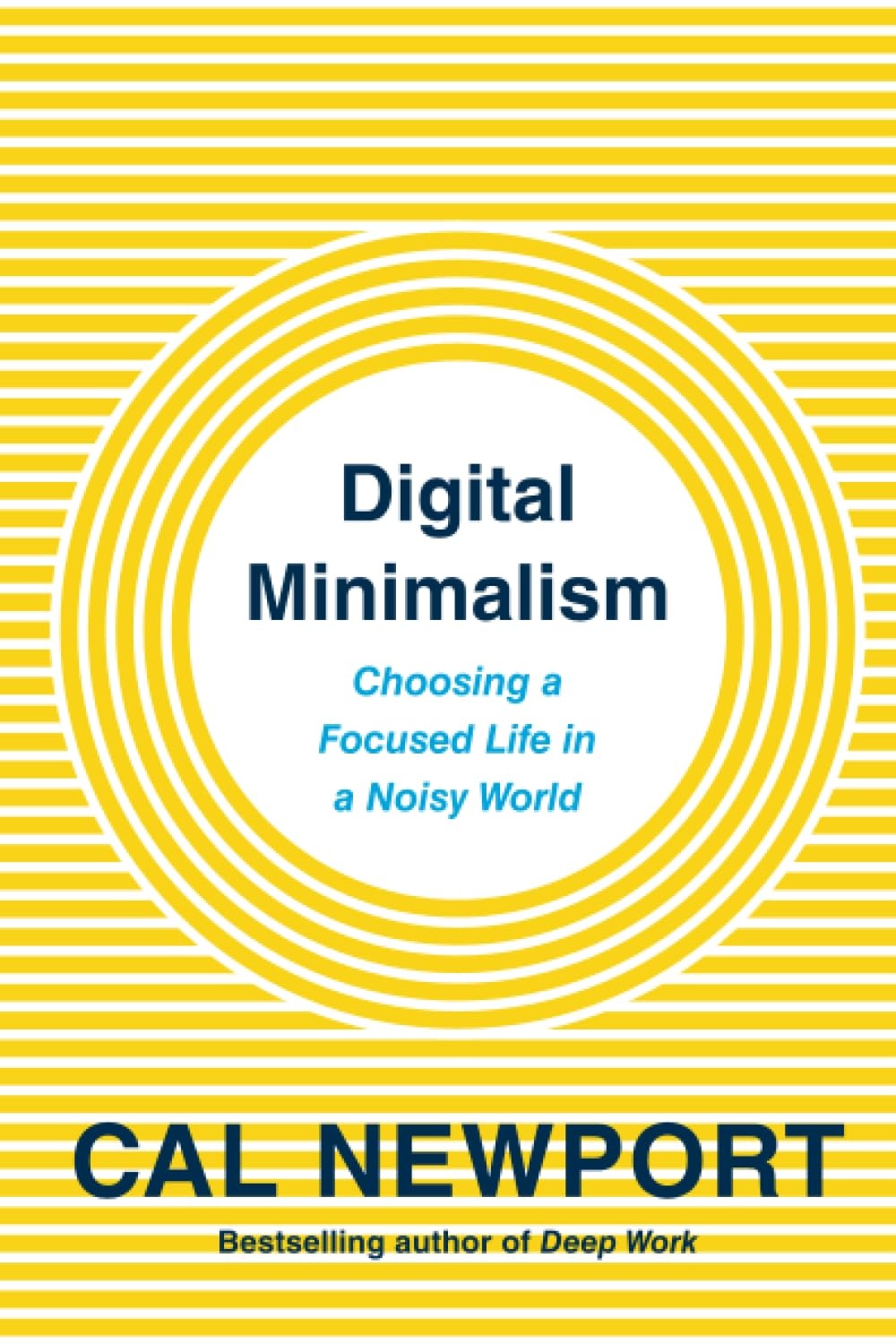
Digital Minimalism cover

Digital Minimalism

by Cal Newport

Newport diagnoses the exact modern plague—phone addiction, distraction spirals, FOMO—that's wrecking your focus and peace, then hands you a practical blueprint to reclaim your attention without the self-help BS.

Buy on Amazon

NextBookAfter participates in the Amazon Services LLC Associates Program, an affiliate advertising program designed to provide a means for sites to earn advertising fees by advertising and linking to Amazon.com. The site earns from qualifying purchases made through affiliate links.