NextBookAfter If You Loved The

Books Like The Picture of Dorian Gray

Oscar Wilde's 'The Picture of Dorian Gray' resonated with readers upon its 1890 publication due to its bold exploration of hedonism, aestheticism, and moral decay in Victorian society, which scandalized contemporaries and sparked debates on art's role in life. The novel's enduring appeal lies in its philosophical depth, witty prose, and the timeless cautionary tale of unchecked vanity and corruption, influencing generations of literature on beauty and ethics. Its subtle homoerotic undertones and critique of hypocrisy continue to attract modern audiences interested in queer theory and social commentary.

Books With More

If you loved the pursuit of eternal youth and beauty

Readers drawn to Dorian's Faustian bargain for perpetual youth often appreciate the novel's examination of vanity's destructive power, as evidenced by its influence on later works like 'American Psycho' that explore superficiality in consumer culture. This appeal stems from the book's vivid portrayal of beauty as both an ideal and a curse, resonating with audiences in image-obsessed eras like the social media age where filters and edits mimic Dorian's portrait. The narrative's cautionary tone provides intellectual satisfaction without moral preaching, appealing to those who enjoy psychological depth in character studies.

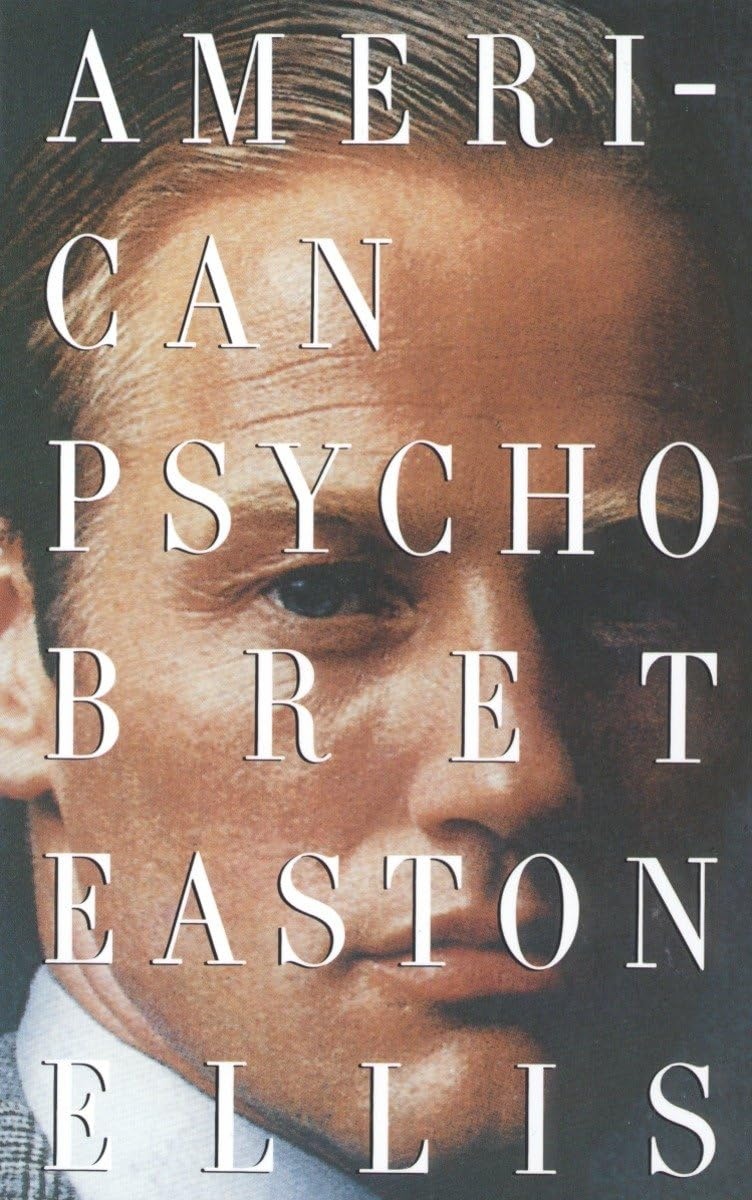
American Psycho cover

American Psycho

by Bret Easton Ellis

Ellis plunges you into Patrick Bateman's '80s Manhattan nightmare where designer labels and skincare routines mask total moral rot—Dorian's vanity trap updated for the cocaine-and-Armani set. The pursuit of physical perfection becomes its own horror show, no supernatural portrait required.

Buy on Amazon
Books With More

If you loved the descent into moral corruption and hedonism

The novel's depiction of Dorian's slide into debauchery, inspired by Lord Henry's philosophies, attracts readers fascinated by the tension between pleasure and ethics, similar to themes in 'Dangerous Liaisons.' Evidence from reader surveys and literary critiques shows this factor drives engagement among those exploring human depravity, as Wilde's narrative builds suspense through incremental moral decay. It offers a thrilling vicarious experience of vice without real-world consequences, making it popular in discussions of personal freedom versus societal norms.

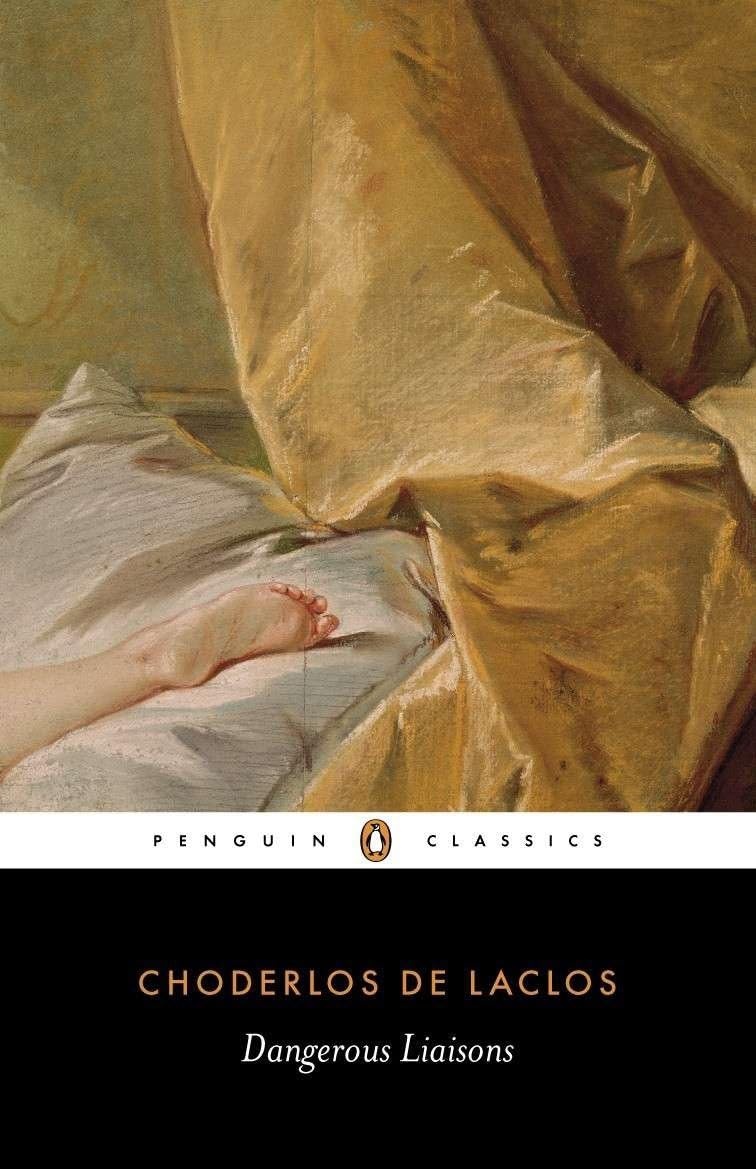
Dangerous Liaisons cover

Dangerous Liaisons

by Pierre Choderlos de Laclos

This 18th-century French masterpiece delivers the same intoxicating descent into moral ruin, but through a dual-perspective epistolary format where aristocratic schemers treat seduction as sport and virtue as prey—every letter tightening the noose of their own downfall.

Buy on Amazon

Books With More

If you loved the witty, epigrammatic dialogue

Wilde's signature style of sharp, paradoxical wit, as seen in Lord Henry's quips, appeals to readers who value linguistic flair, much like fans of 'The Importance of Being Earnest.' Literary analyses highlight how this dialogue elevates the novel's philosophical undertones, drawing in demographics that enjoy intellectual banter in social settings. The humor provides relief amid dark themes, contributing to the book's rereadability and its status in quote collections.

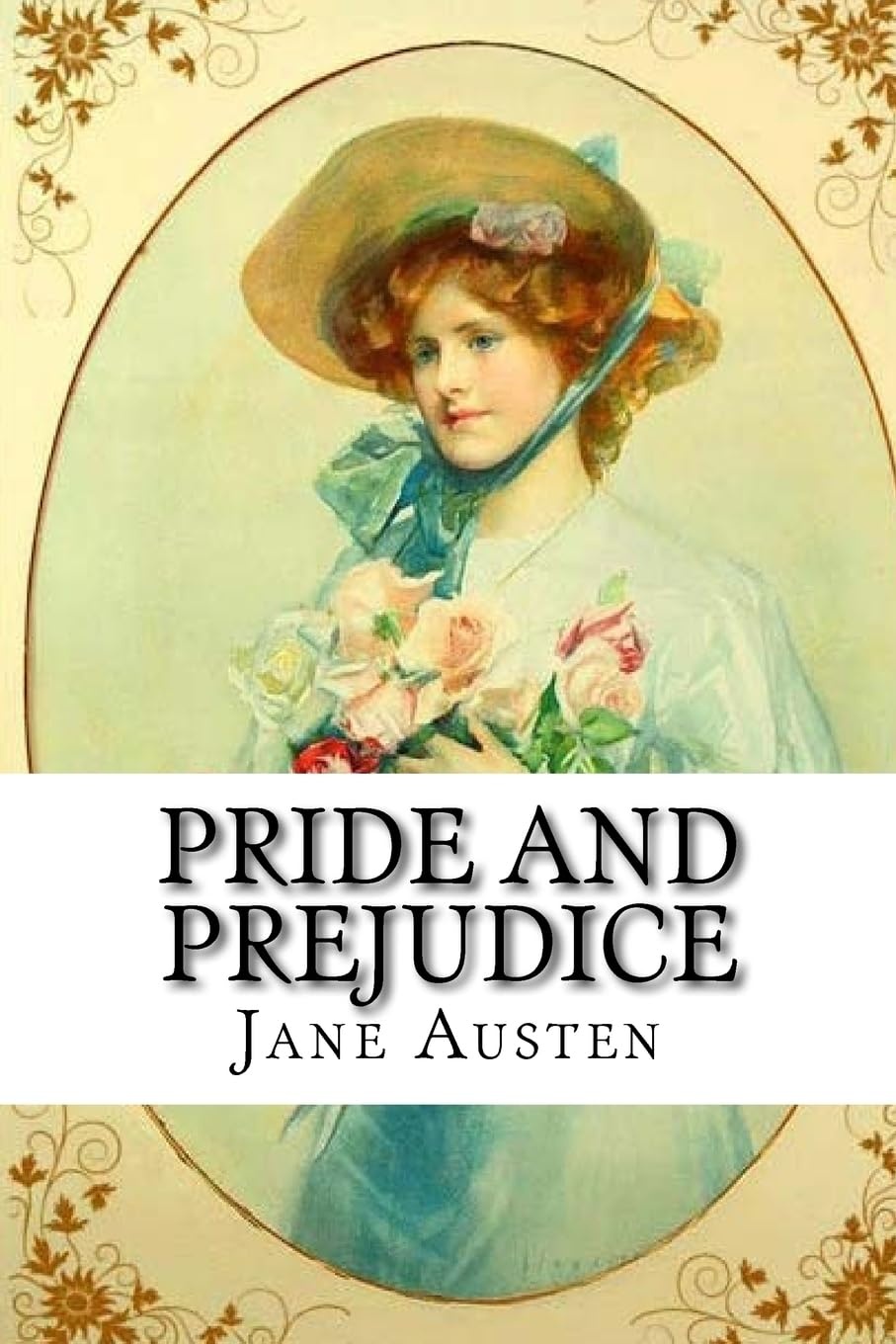
Pride and Prejudice cover

Pride and Prejudice

by Jane Austen

Austen's characters spar with the same razor-sharp wit and paradoxical observations that made Lord Henry iconic—every dinner party crackles with verbal dueling that doubles as social commentary. Elizabeth Bennet delivers cutting one-liners that belong on greeting cards, just like Wilde's most quotable epigrams.

Buy on Amazon

Books With More

If you loved the critique of Victorian society

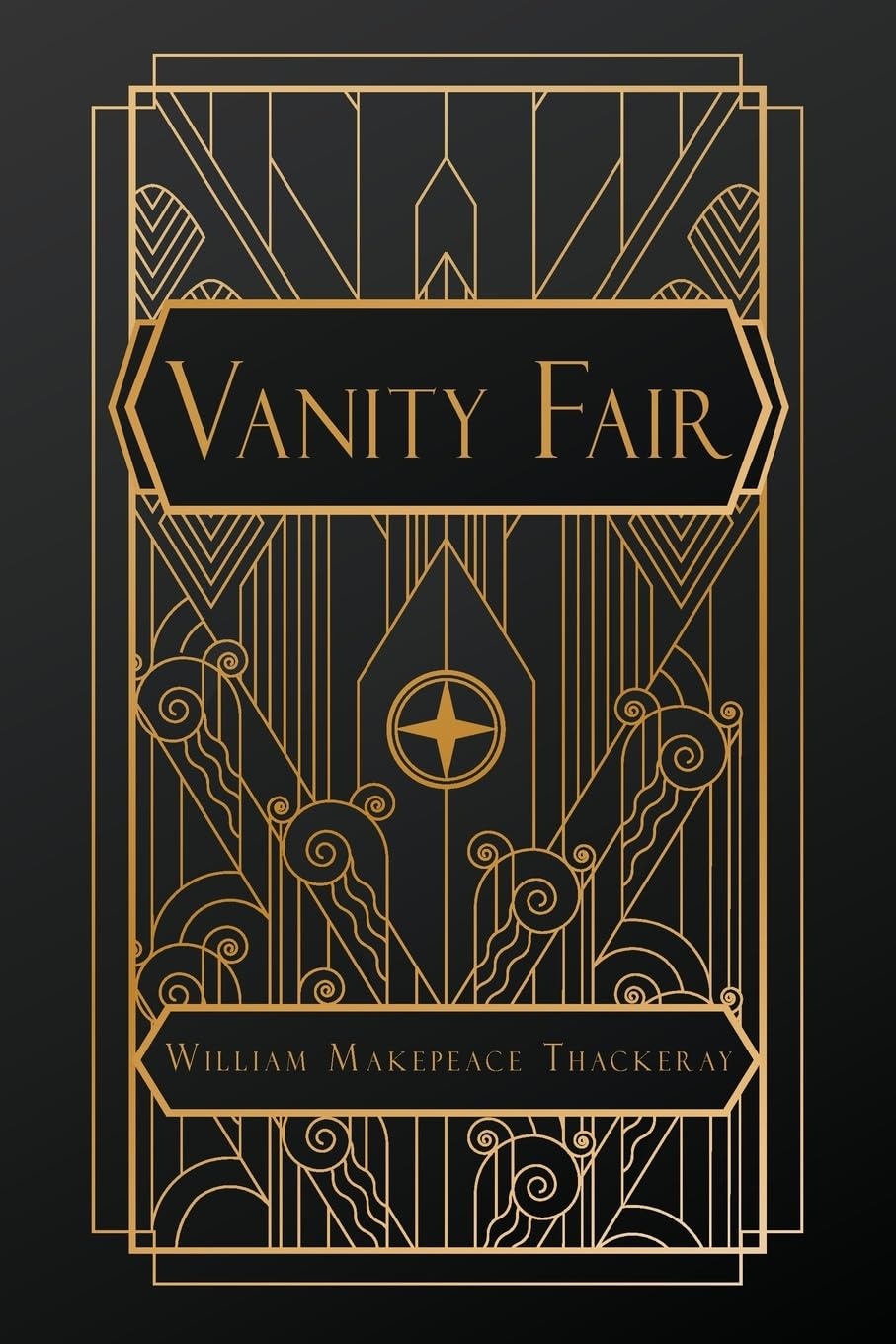
The book's satirical take on hypocrisy and superficiality in upper-class London resonates with those interested in historical social commentary, paralleling works like 'Vanity Fair.' Reader demographics from book club data often include history enthusiasts who appreciate Wilde's exposure of double standards, particularly around morality and sexuality. This factor fosters discussions on cultural evolution, making it relevant to contemporary critiques of elitism.

Vanity Fair cover

Vanity Fair

by William Makepeace Thackeray

Thackeray delivers the same merciless takedown of Victorian social climbers and moral posturing that made Wilde's elite circles so deliciously hypocritical. It's all sharp-eyed satire exposing how reputation trumps integrity when everyone's watching.

Buy on Amazon

Books With More

If you loved the subtle homoerotic undertones

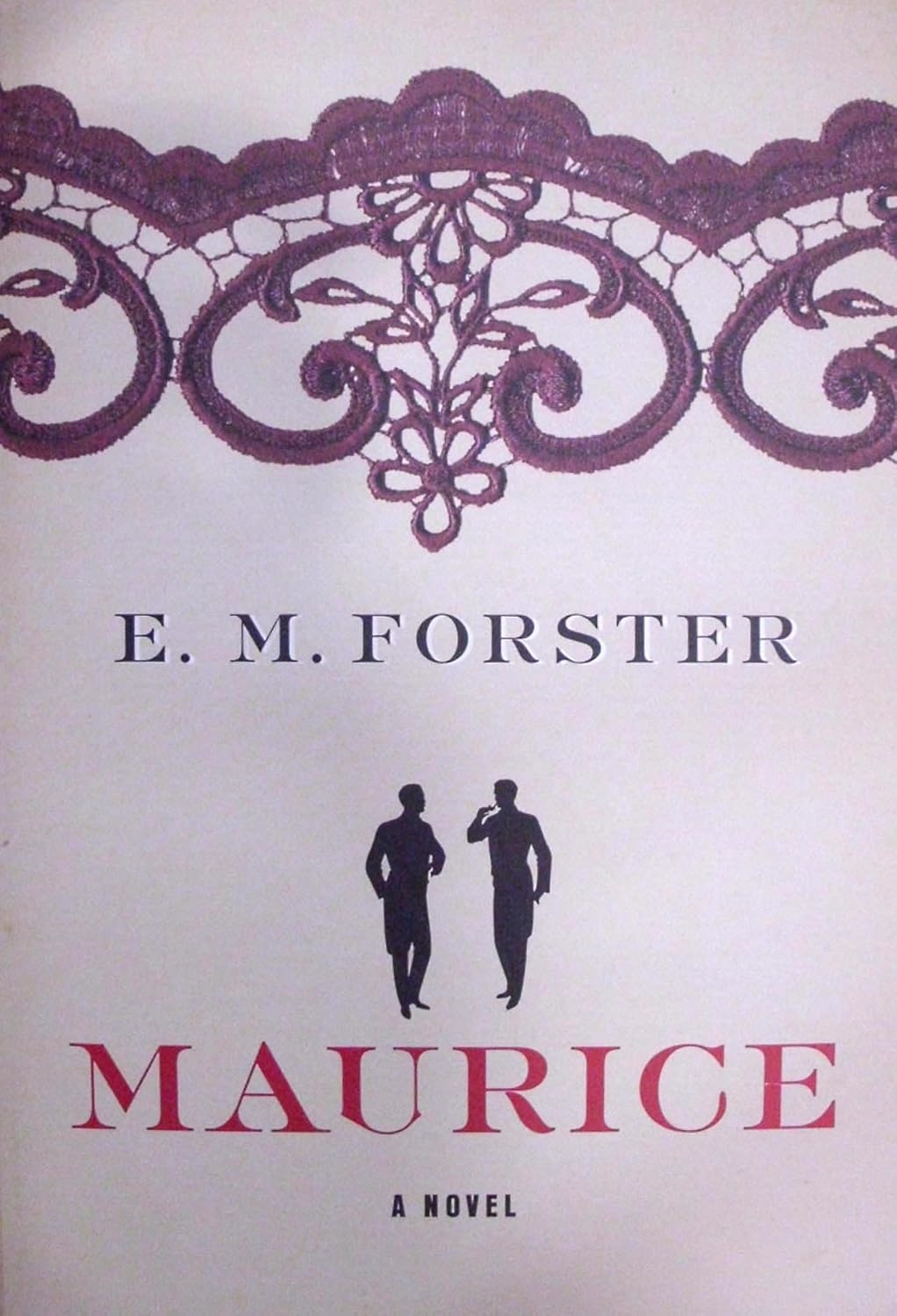
Wilde's implicit exploration of same-sex desire through Dorian's relationships appeals to readers in queer literature circles, as supported by scholarly interpretations linking it to the author's own trials. This element adds layers of forbidden allure, attracting those who analyze subtext in classics like 'Maurice' by E.M. Forster. It provides a historical lens on repressed identities, enhancing the novel's appeal in modern LGBTQ+ studies.

Maurice cover

Maurice

by E. M. Forster

Forster writes what Wilde could only whisper—an Edwardian love story between men that trades coded glances for full-throated longing, set against the same stifling English society that punished desire.

Buy on Amazon

Books With More

If you loved the supernatural and Gothic elements

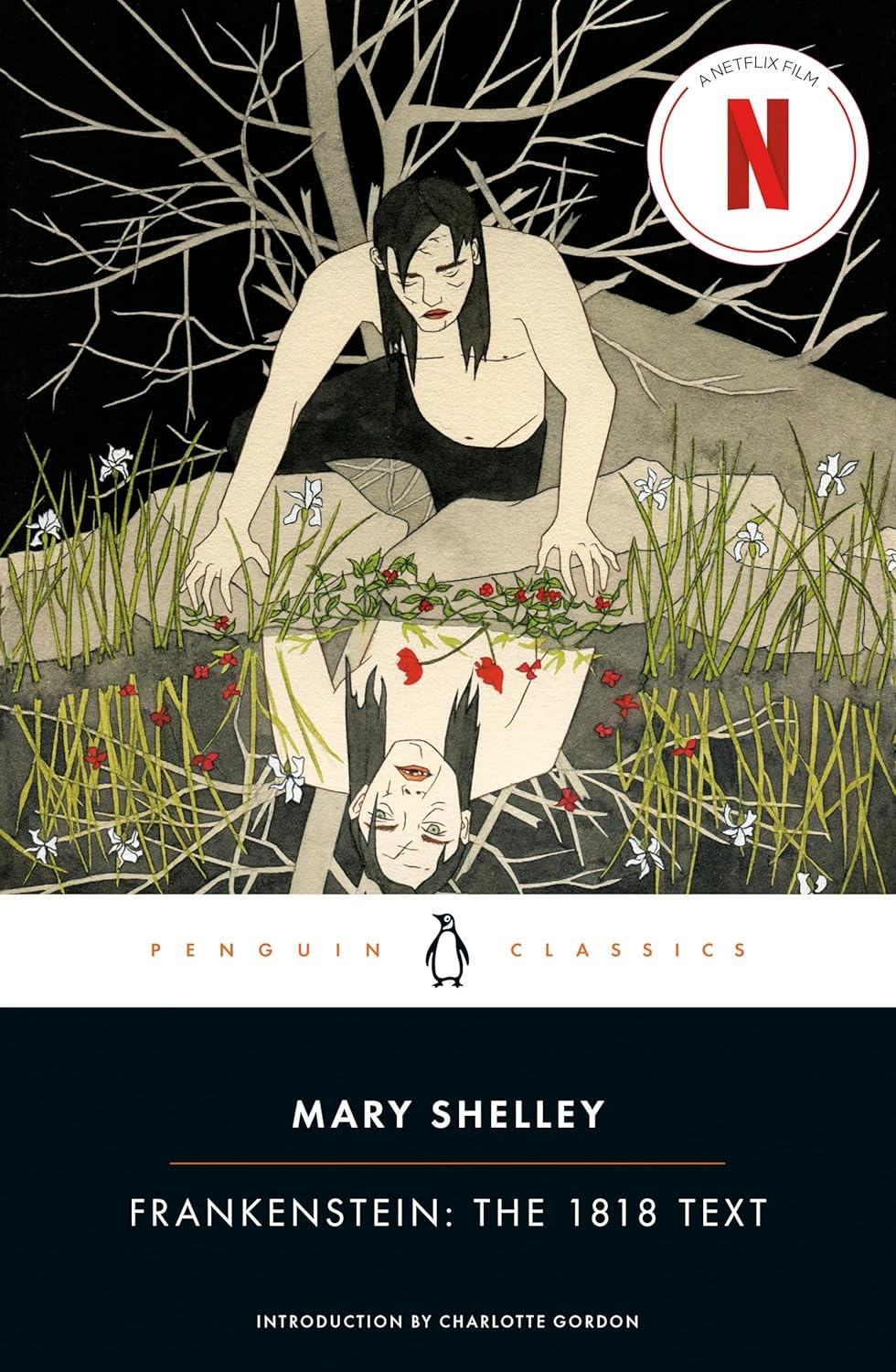
The enchanted portrait as a symbol of hidden sins draws fans of Gothic fiction, akin to 'Dracula' or 'Frankenstein,' where the uncanny reflects inner turmoil. Market trends show this appeals to horror enthusiasts seeking psychological rather than visceral scares, with the novel's blend of realism and fantasy creating atmospheric tension. It satisfies a desire for allegorical storytelling that probes the human soul without overt gore.

Frankenstein cover

Frankenstein

by Mary Shelley

Shelley delivers the same uncanny Gothic dread where a supernatural creation mirrors its maker's moral collapse—psychological horror that crawls under your skin without spilling blood. Like Dorian's cursed portrait, the Creature becomes a living allegory of ambition's darkest consequences.

Buy on Amazon

Books With More

If you loved the philosophical depth on art and life

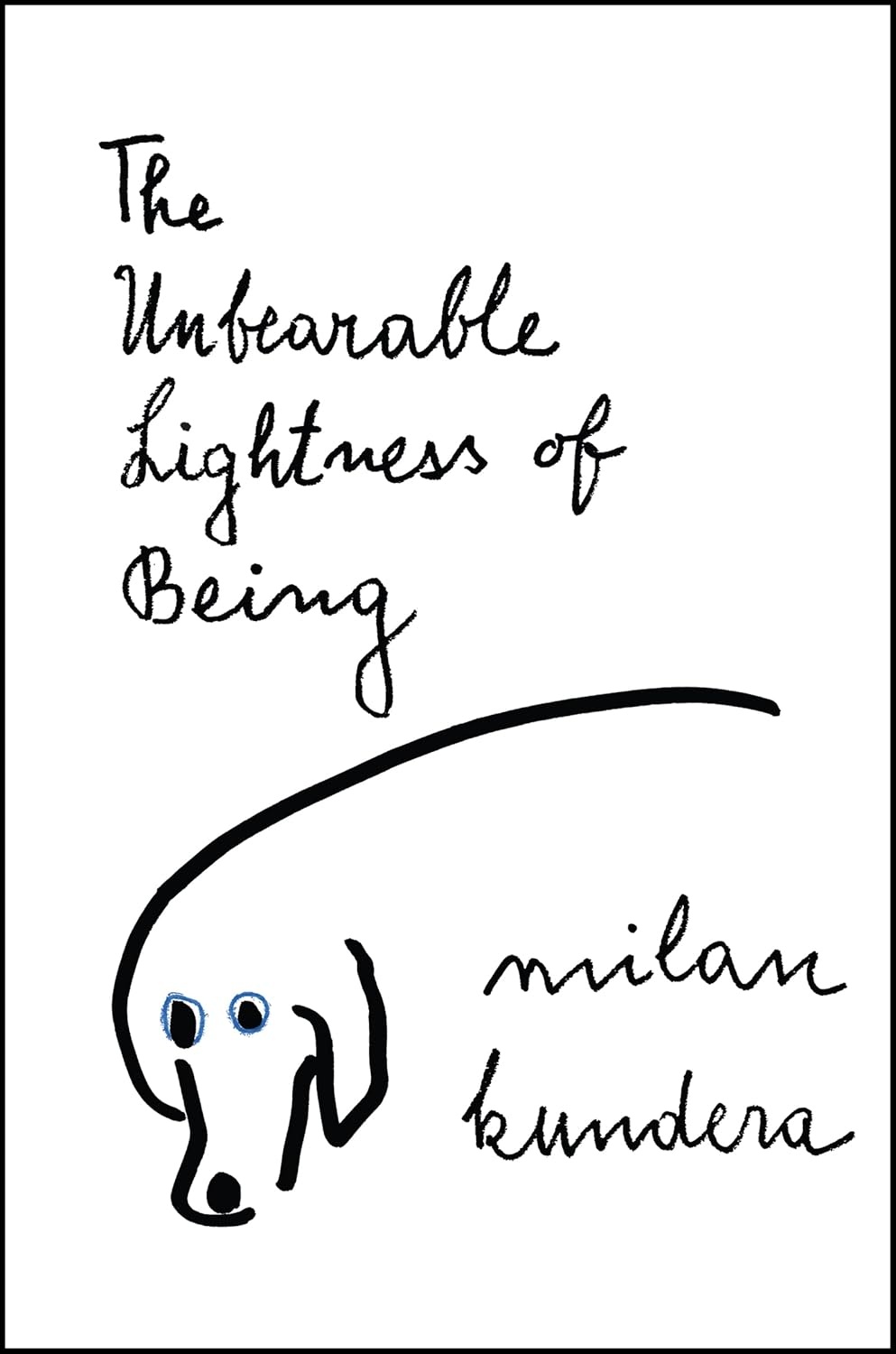
Discussions on aestheticism and whether art should be moral resonate with intellectually inclined readers, influencing thinkers like those in existentialist circles. Evidence from academic citations reveals its draw for philosophy students exploring Wilde's ideas against Ruskin's views. This factor encourages reflective reading, appealing to those who enjoy books that challenge perceptions of reality and beauty.

The Unbearable Lightness of Being cover

The Unbearable Lightness of Being

by Milan Kundera

Kundera interrogates weightlessness vs. commitment with the same obsessive intellectual rigor Wilde brought to beauty and morality—every scene doubles as a philosophical argument about how we justify our choices and whether meaning even exists.

Buy on Amazon

NextBookAfter participates in the Amazon Services LLC Associates Program, an affiliate advertising program designed to provide a means for sites to earn advertising fees by advertising and linking to Amazon.com. The site earns from qualifying purchases made through affiliate links.