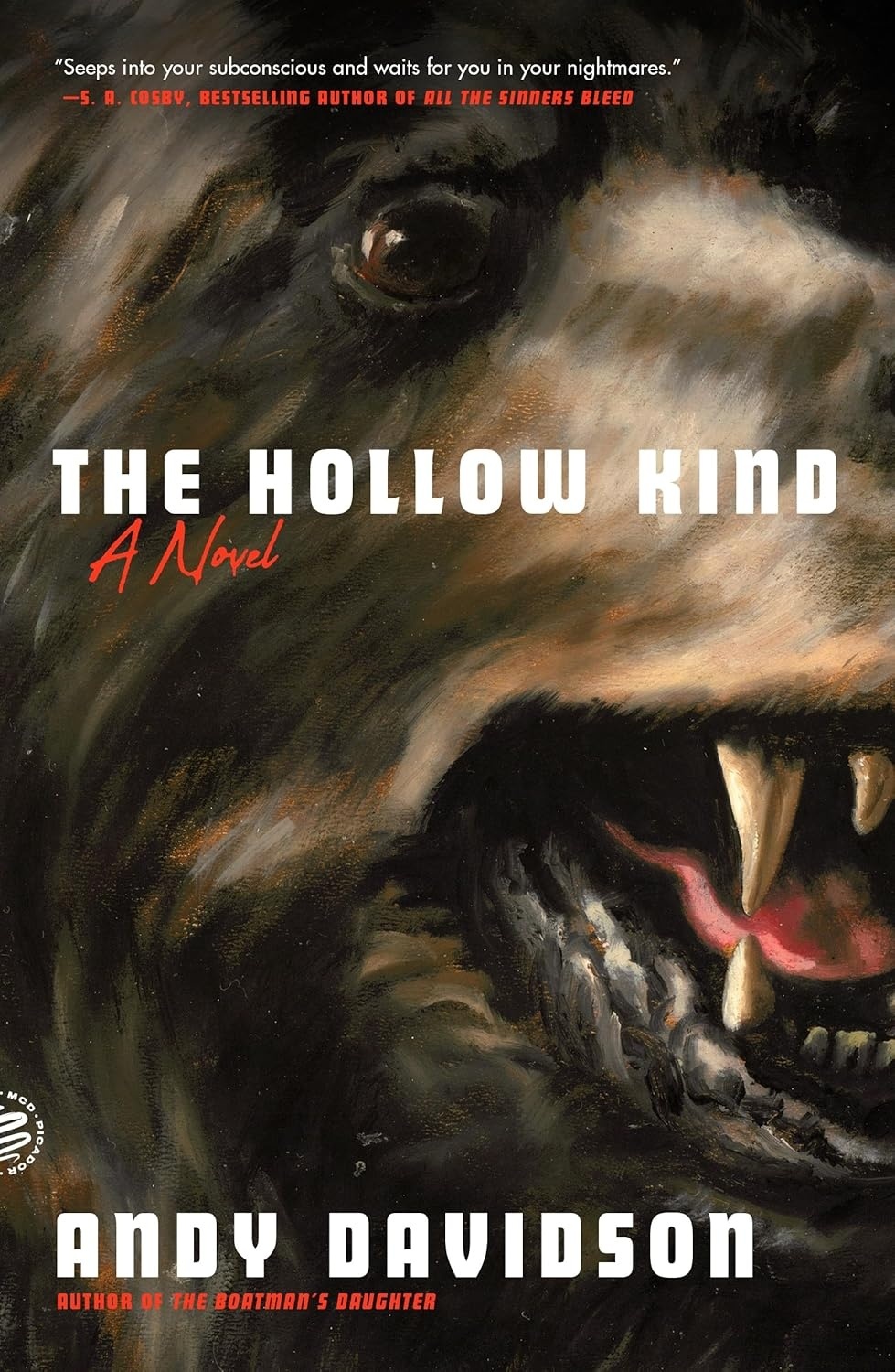
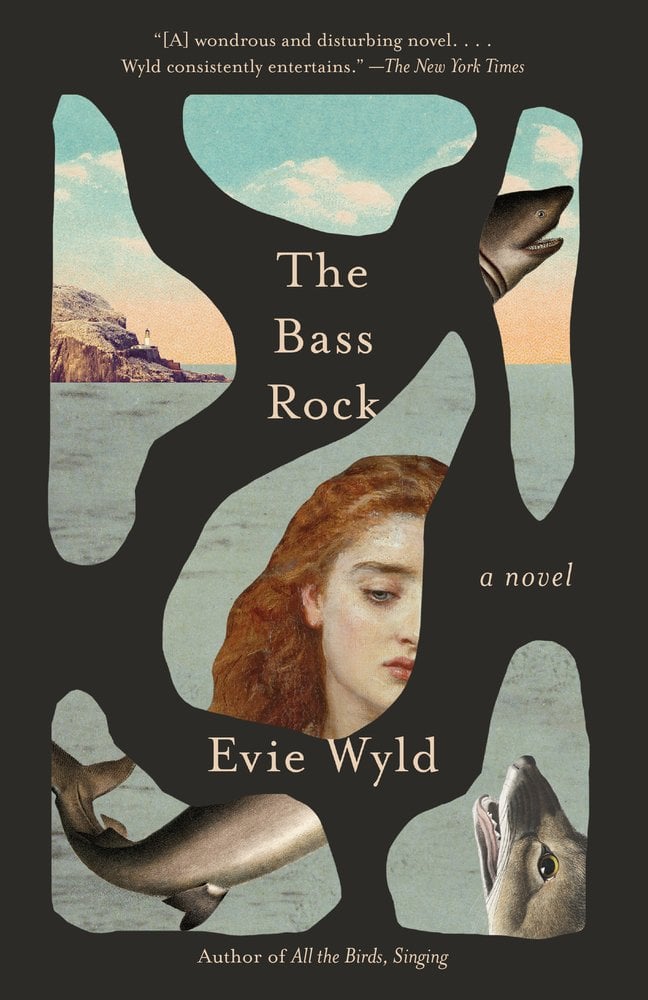
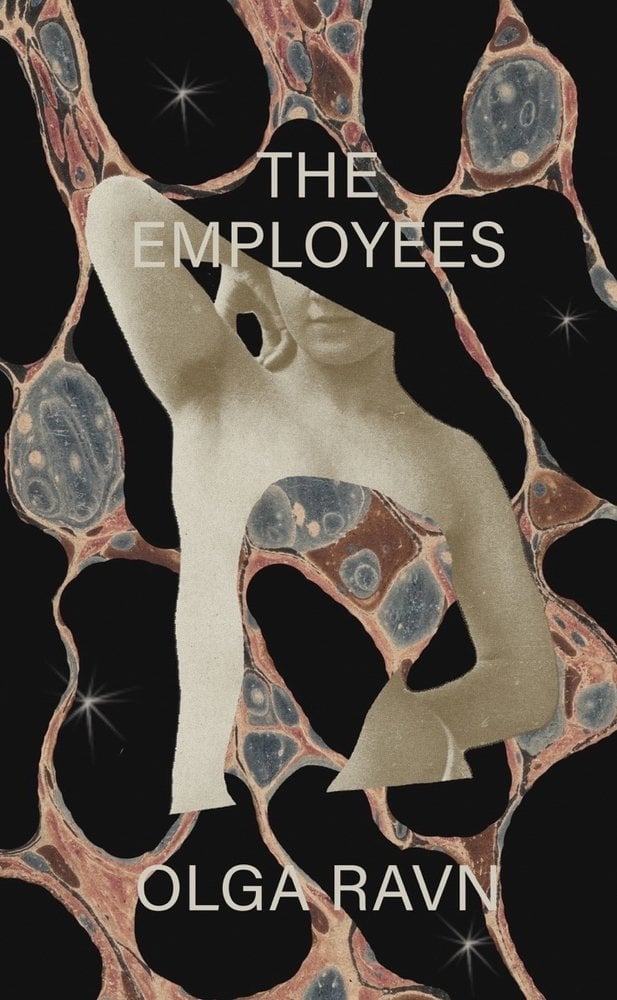
If The Hounding held you by turning a river valley into a weather system for fear, The Good People offers the rain-soaked inversion. Hannah Kent makes the damp cabins, herbs, milk, woodland, and river of 1825 County Kerry feel as immediate as the villagers' hunger for an explanation. Nóra, her young maid Mary, and the feared healer Nance draw together around a child the valley calls a changeling, while gossip, bad luck, religious authority, and desperate love steadily close off safer possibilities. The pleasure is again cumulative: physical detail becomes atmosphere, atmosphere becomes belief, and belief becomes something people can use to harm one another.
The fairies stay ambiguous; the harm does not.
Purvis keeps the Mansfield sisters tantalizingly outside her rotating viewpoints; Kent brings her three women closer, letting their grief, tenderness, fear, and certainty grind against one another. That shift sacrifices some enigmatic glamour, but it creates a more intimate moral claustrophobia. No explanation—fairy, medical, religious, or legal—can fully settle the valley's mysteries, even after the consequences become brutally clear.
Here, belief does the hounding.