 Editor's Pick
Buy on Amazon
Editor's Pick
Buy on Amazon
This is the book for readers who craved the physics of disconnection. Anderson's vision strips away the allegory and gives you pure, unflinching relativity—where time dilation doesn't just separate you from home, it separates you from the universe.
If you loved the time dilation effects
Editor's PickIf you loved watching soldiers become strangers to their own world via relativistic physics, Tau Zero cranks that isolation to cosmic extremes—a runaway starship accelerates until the crew outraces time itself, witnessing galaxies age while they remain frozen. Anderson delivers the same hard-science rigor and existential dread through Einsteinian mechanics that made The Forever War unforgettable.
Why it's your next read
- Relativity physics stretched to universe-ending scale
- Crew watches entire civilizations blink out instantly
- Hard SF that actually respects the math
- Isolation so profound you're exiled from time
However: The tone leans more toward awe-filled wonder than bitter anti-war commentary.
If you loved the gritty military action
 Steakley delivers the same powered-armor brutality and psychological realism you crave, dropping you into relentless bug battles where survival depends on tactical precision and mental endurance under impossible conditions.
Why it's your next read
- Powered armor combat that feels visceral & claustrophobic
- Protagonist's mental breakdown mirrored through brutal warfare
- Zero war glorification—just survival & consequences
- Hard SF tactics meet existential soldier exhaustion
However: The narrative structure splits between timelines, which may slow the combat momentum some readers expect.
If you loved the evolving future societies
 Le Guin drops you onto a frozen planet where everyone's ambisexual, shifting gender monthly—it's speculative sociology at its most radical, exploring how biology reshapes politics, relationships, and power in ways that'll rewire your assumptions about identity.
Why it's your next read
- Gender fluidity as alien biology NOT metaphor
- Political intrigue on ice > space battles
- Protagonist unlearning Earth's binary assumptions in real-time
- Culture shock that mirrors coming home post-war
However: It's slower and more philosophical than Haldeman's military pacing, trading combat for diplomatic intrigue.
If you loved the protagonist's alienation
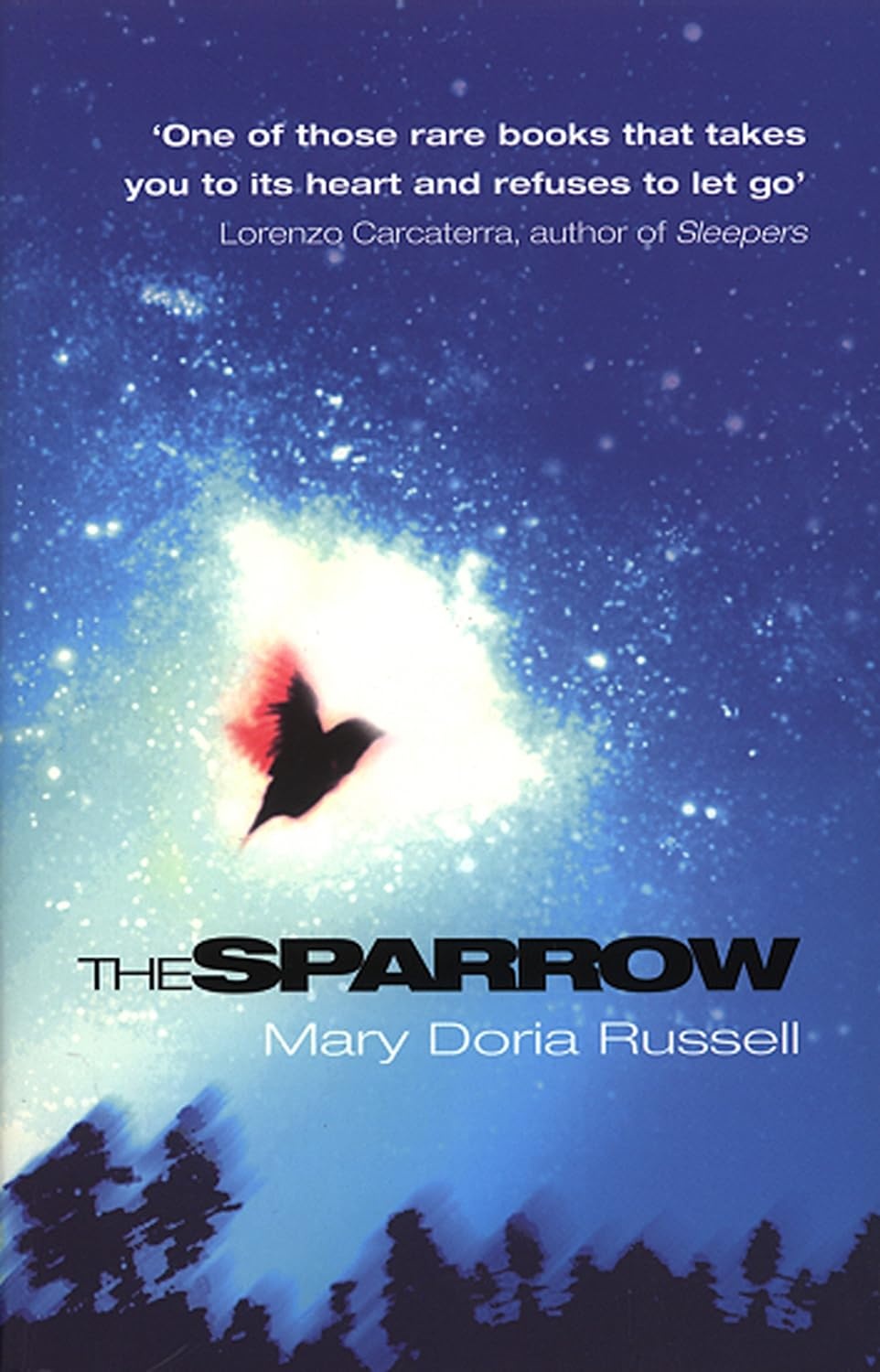 A Jesuit priest returns from first contact forever changed, grappling with trauma and a faith-shattered sense of belonging that mirrors Mandella's homecoming alienation—except the war here is theological, cultural, and devastatingly internal.
Why it's your next read
- First contact mission becomes spiritual massacre & betrayal
- Time jumps = everyone you loved moved on
- Hard SF meets Catholic guilt in deep space
- Protagonist returns broken, world doesn't recognize his sacrifice
However: This trades military SF's kinetic pacing for slower, grief-soaked character study and heavy theological debate.
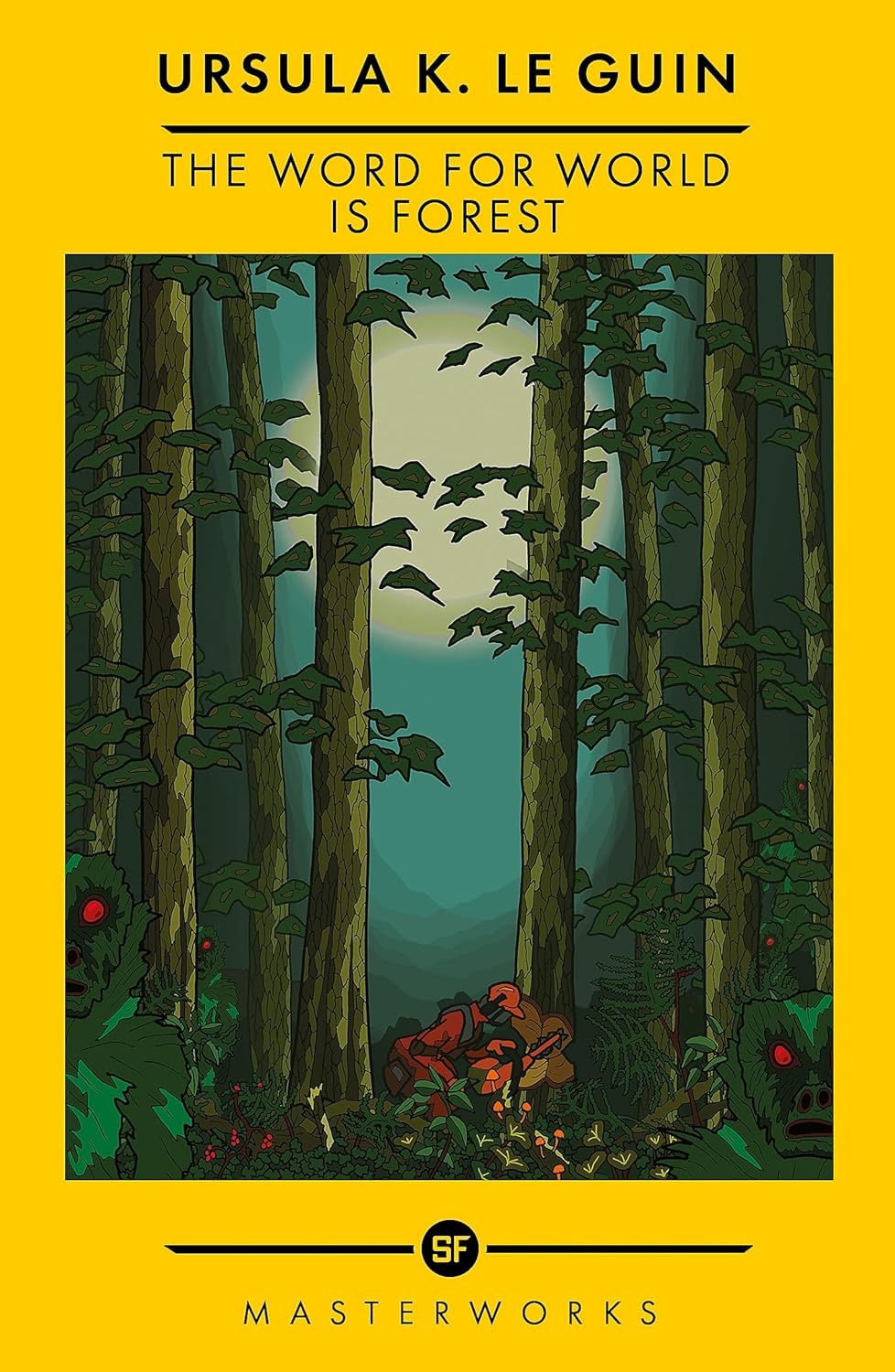 Le Guin weaponizes a colonial invasion of a forest planet into a scathing Vietnam allegory, delivering the same anti-interventionist fury that made Haldeman's war feel so pointlessly brutal. The military incompetence and cultural destruction hit with surgical precision.