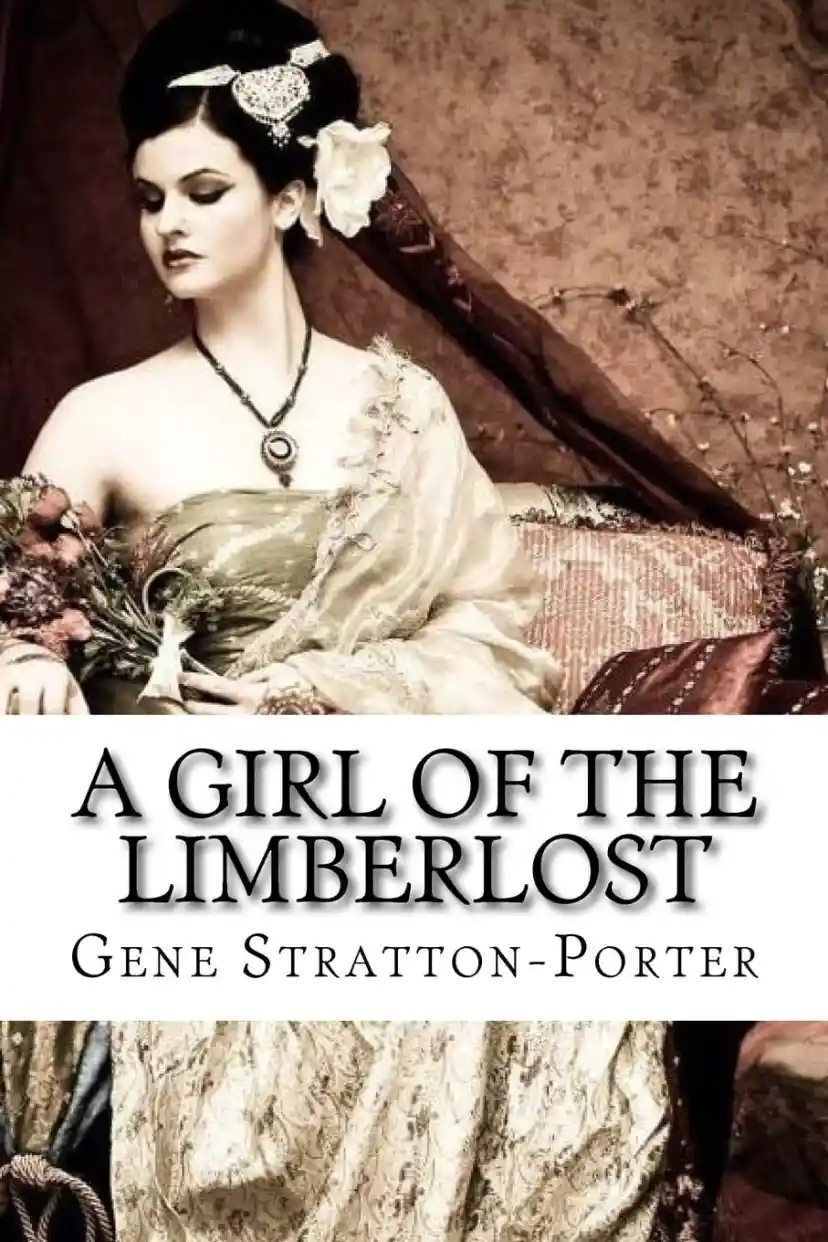
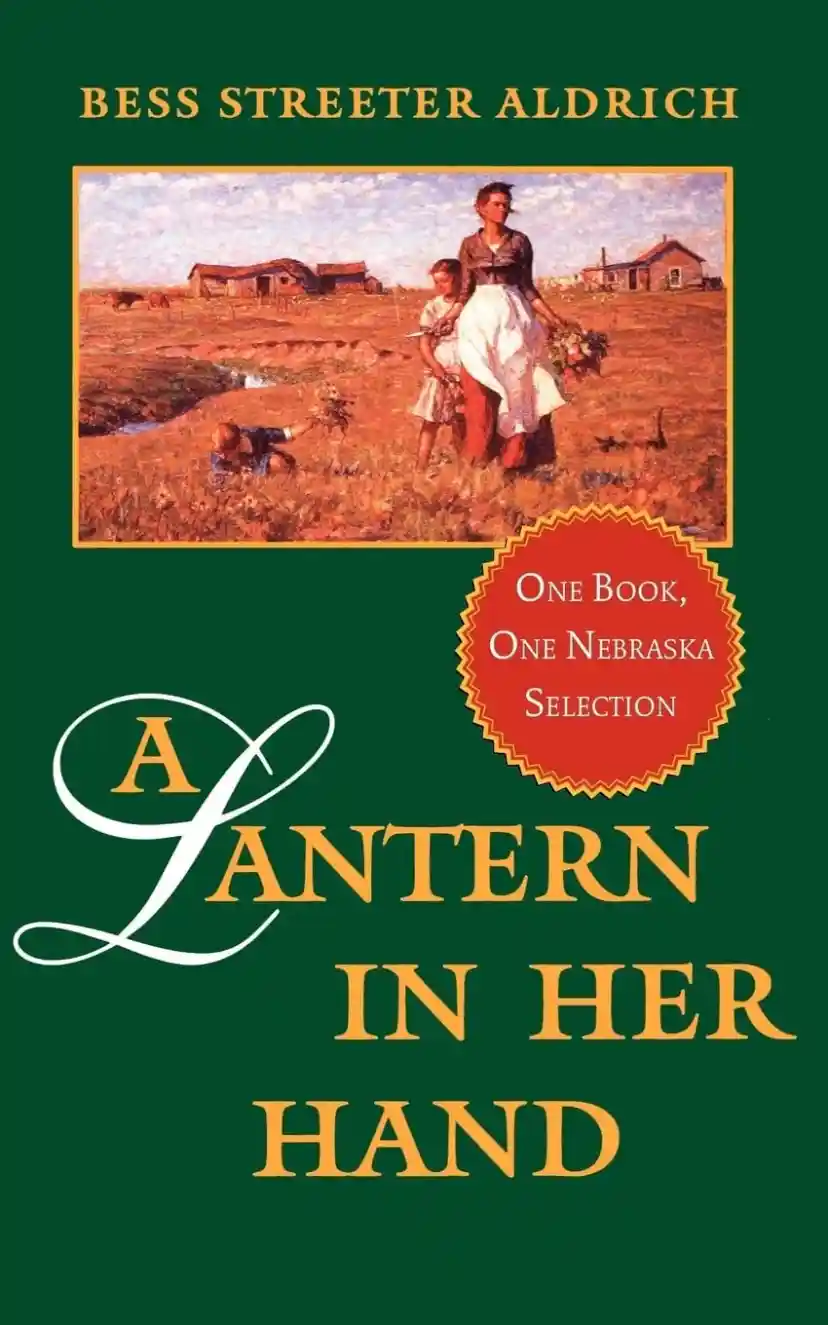
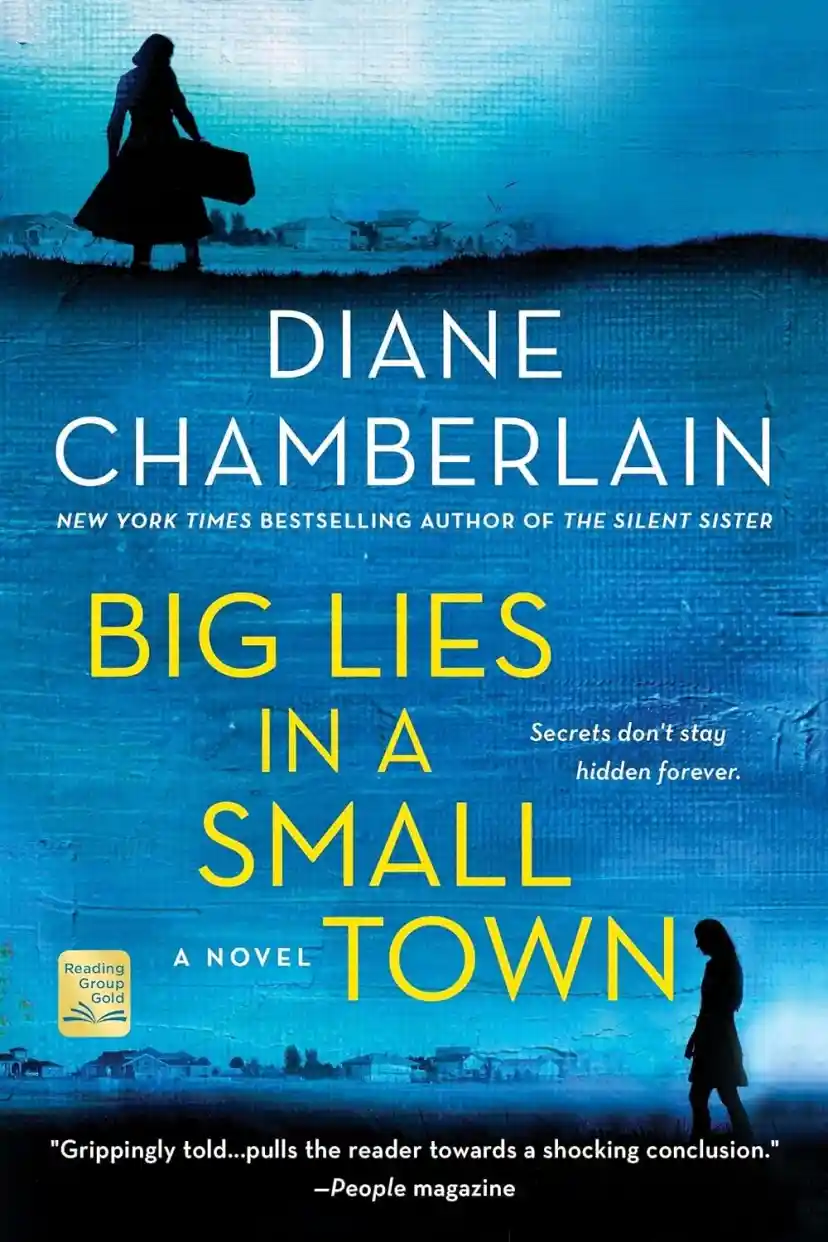
Just finished The Book Thief? Next up read The Dictionary of Lost Words…
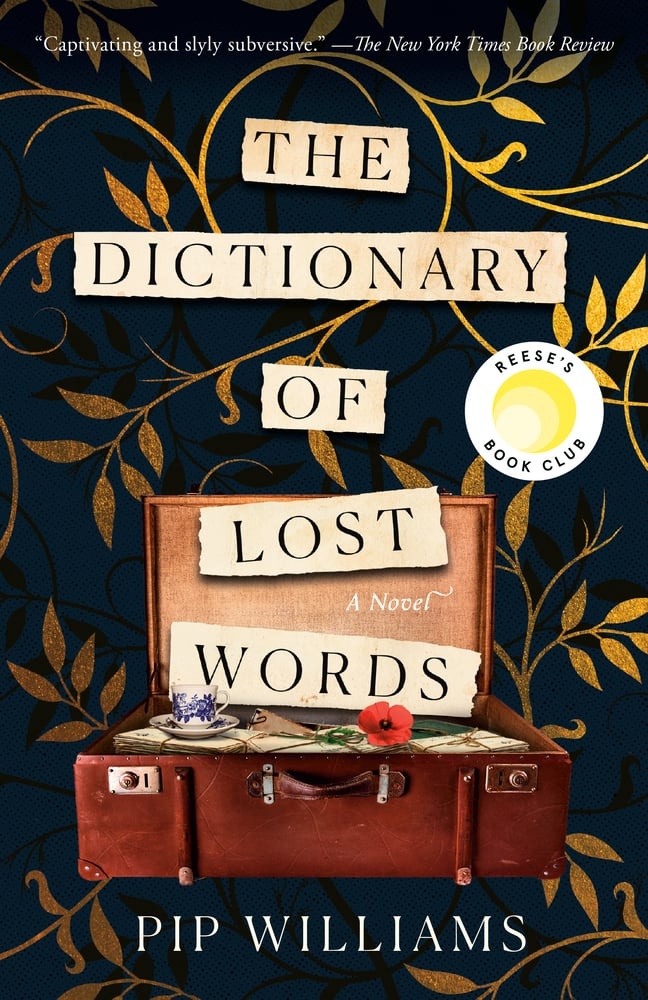
From Liesel Meminger's stolen books to Esme Nicoll's collected words, the thread connecting these two remarkable stories is the transformative power of language itself. Where The Book Thief showed us words as weapons of defiance against fascism, The Dictionary of Lost Words reveals them as tools of quiet rebellion against Victorian patriarchy.
Pip Williams crafts a narrative that feels both intimately personal and historically significant. Set against the backdrop of the Oxford English Dictionary's creation, young Esme discovers that the scholarly pursuit of cataloging language has systematically excluded women's voices and experiences. Her secret collection of "lost words" becomes an act of preservation—and resistance.
A Literary Kinship
What makes this transition so natural is the shared reverence for storytelling as an act of courage. Both novels understand that words can be revolutionary, whether hidden in a basement during air raids or tucked away in private notebooks. The atmospheric weight of each book—one shadowed by war, the other by rigid social hierarchies—creates worlds where small acts of defiance carry enormous meaning.
The genius of Williams' approach lies in grounding her fiction within authentic historical detail. The Oxford English Dictionary was indeed a monumental project, and the novel's portrayal of its creation—with its army of volunteer readers and meticulous scholars—feels remarkably lived-in. This attention to historical accuracy mirrors Zusak's careful research into wartime Germany, giving both novels their emotional authenticity.
Why This Book Matters Now
Like Liesel's stolen moments with books, Esme's journey celebrates the radical act of intellectual curiosity. The novel explores how women's experiences were systematically erased from formal record-keeping, making Esme's collection an act of historical preservation. It's a gentler rebellion than Liesel's, but no less significant—showing how every generation must fight to ensure marginalized voices are heard and remembered.
For readers who were moved by The Book Thief's exploration of found family and resilience, Williams offers a similarly textured emotional landscape. Esme's relationships with suffragettes, servants, and scholars create the same sense of chosen family that made Liesel's story so compelling. Both novels prove that in times of upheaval, words become both sanctuary and weapon—tools for survival and instruments of change.