Two motherless girls grow up side by side in 1950s Louisiana, then follow sharply diverging paths through college, marriage, danger, and the search for family. Alternating between their voices, the novel shows how distance, class, and buried grief strain a friendship that remains the truest home either woman has.
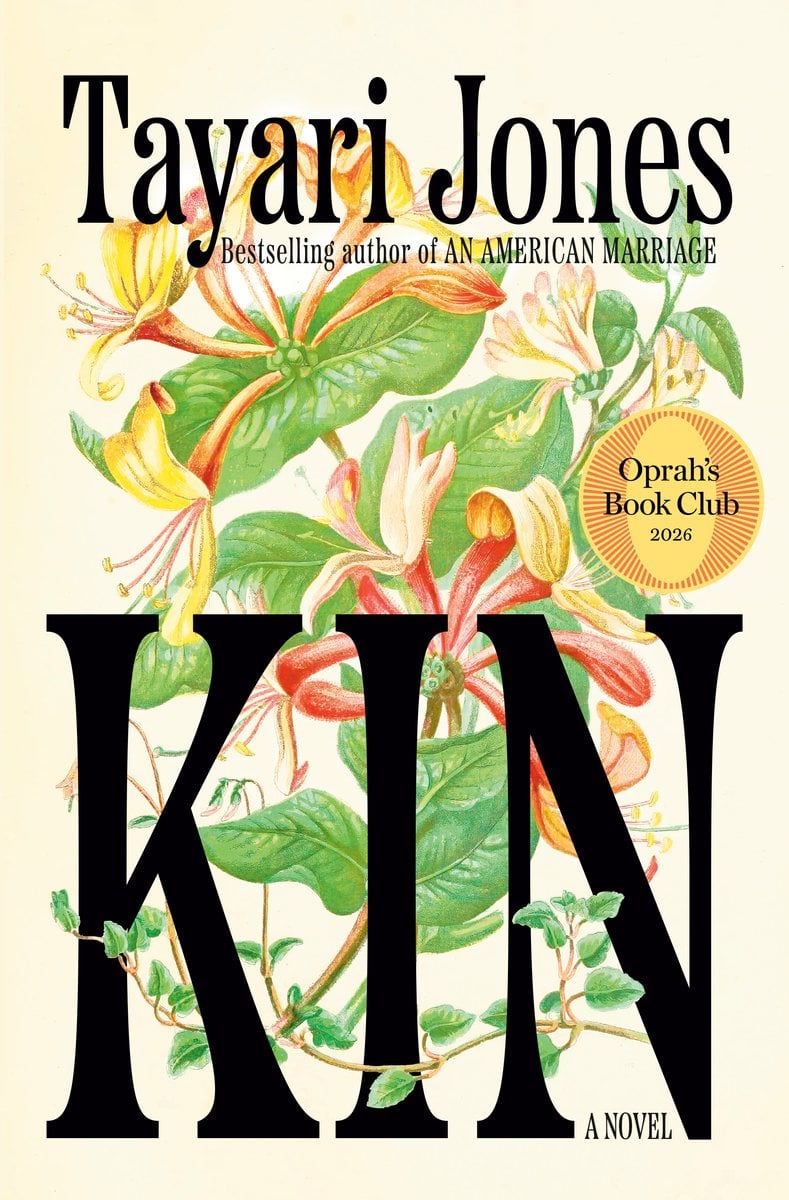
If Take What You Can held you inside Milly and Val's loving, unequal friendship by letting each woman's private hurt complicate the other's version, Kin offers an especially close emotional mechanism. Annie and Vernice begin as motherless cradle friends in Honeysuckle, Louisiana, then narrate alternating paths through danger, education, love, aspiration, and the Jim Crow South. Because both women speak for themselves, every separation carries two wounds, every choice acquires a second meaning, and letters across distance keep their bond present even when their daily lives sharply diverge.
Choose this for another friendship where love survives inequality without becoming simple.
Jones trades Coster's braided past-and-present motherhood crisis for a largely forward-moving historical sweep. The racial danger is more acute, and maternal absence rather than early caregiving supplies the deepest pressure. What remains beautifully recognizable is the intimate work of holding two women in sympathy at once: class and opportunity pull them apart, chosen family gathers around them, and warm, musical language makes their need for each other tangible without idealizing the friendship.
Two lives branch apart; the bond keeps speaking in both voices.