Science Fiction · Philosophical Undertones

6 hand-picked science fiction and philosophical undertones books curated by NextBookAfter.

Science FictionPhilosophical Undertones
Cover of Daemon

Daemon

You fell hard for Altered Carbon's neon-drenched dystopia, where sleeve-swapping tech amplifies inequality and moral decay, delivering anti-hero swagger amid visceral violence and philosophical punches. Daemon cranks that intensity with AI-fueled conspiracies tearing apart society, mirroring the raw critique of corporate overlords and human depravity that hooked you. It's the perfect follow-up for fans craving high-octane action in worlds where technology devours ethics without apology.
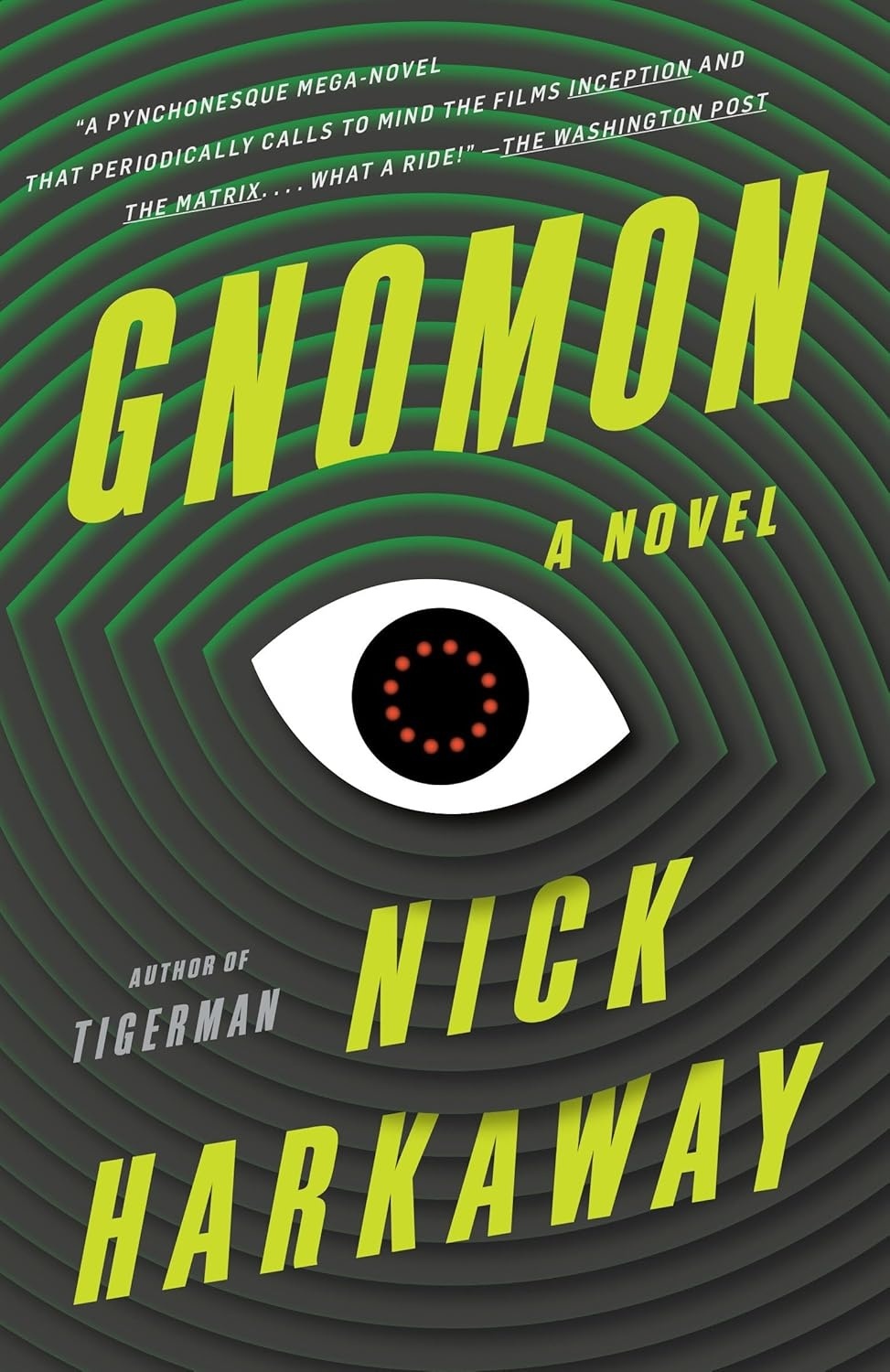
Cover of Gnomon

Gnomon

If Wolfe's colonial ghosts and nested liars made you distrust every narrator, Gnomon serves that same exquisite paranoia across four collapsing timelines. This is metafiction as weapon—surveillance dystopia meets consciousness puzzles where every perspective is a trapdoor into deeper philosophical quicksand, rewarding analytic hunger and punishing skimmers.

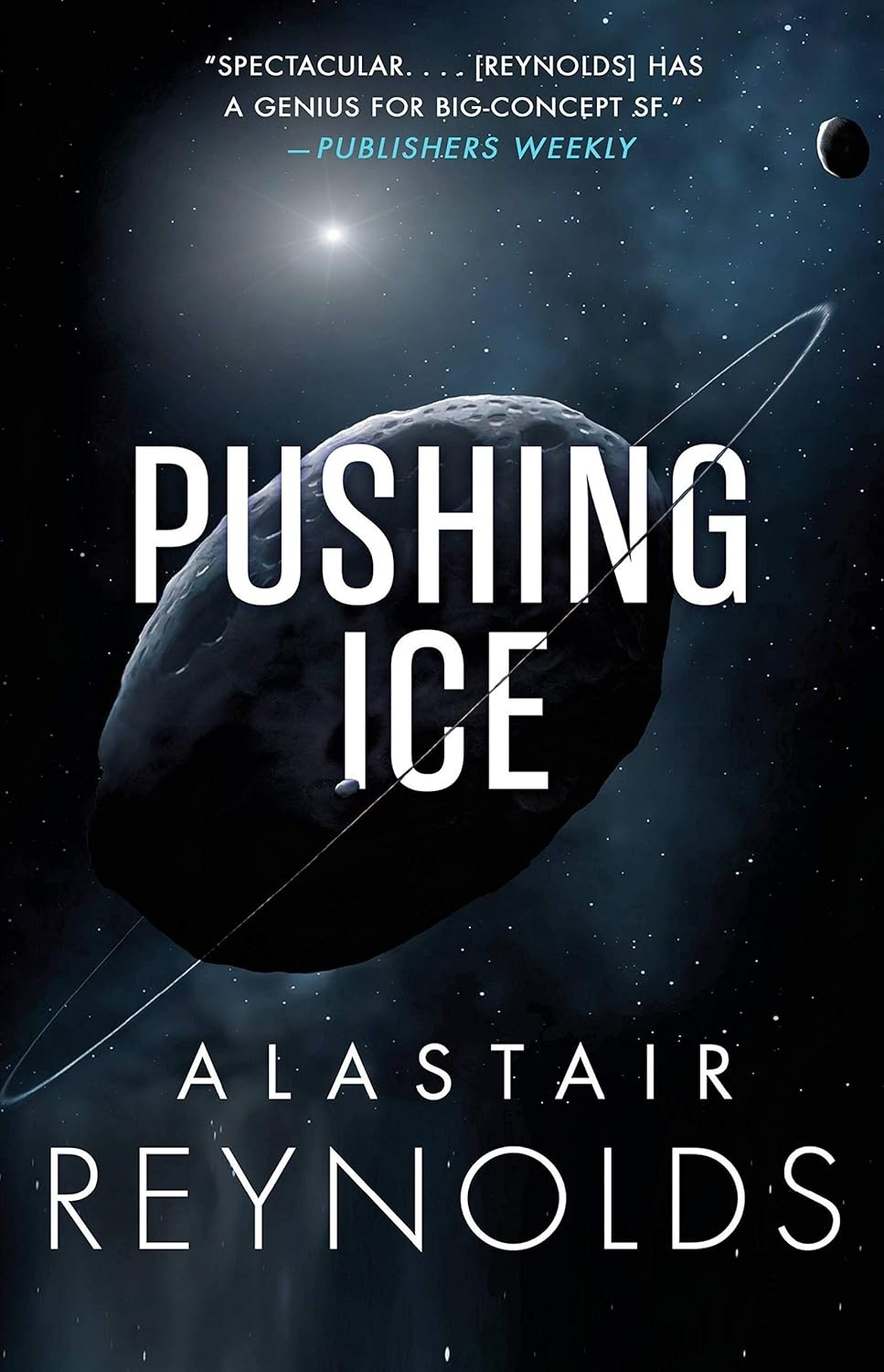
Cover of Pushing Ice

Pushing Ice

Tau Zero hooked you with relativity as destiny and a crew watching the universe age around them—raw physics driving cosmic isolation. Pushing Ice gives you that same unflinching hard SF: protagonists hurtling beyond reference points, trapped by time dilation, armed only with scientific grit against alien enormity that dwarf human comprehension.

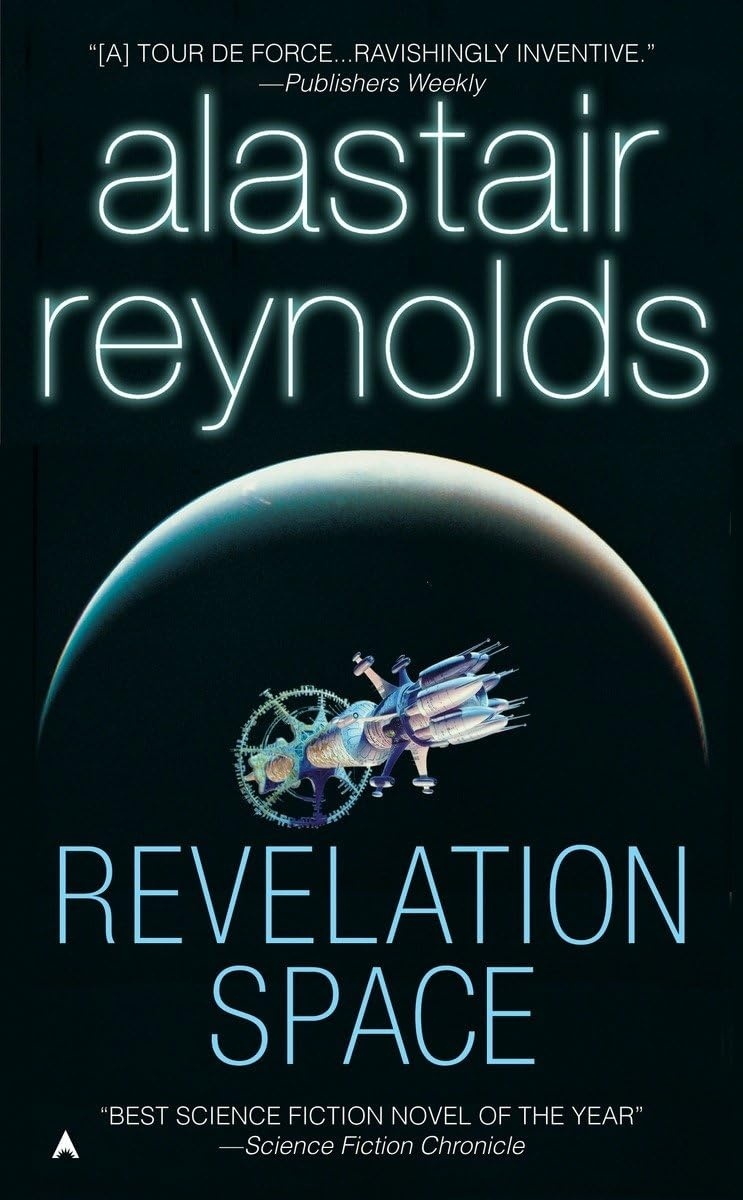
Cover of Revelation Space

Revelation Space

If Takeshi Kovacs' unapologetic cynicism got under your skin, Revelation Space serves the same moral vacuum with ancient alien horrors and flawed protagonists who make survival an art form. Corporate betrayal, existential paranoia, and brutal interstellar warfare collide in hard sci-fi world-building so gritty you'll feel the vacuum of space. Zero shiny knights allowed.

Cover of Tau Zero

Tau Zero

If The Paradox Men's time paradoxes and swashbuckling heroes left you breathless, Tau Zero delivers the same intellectual vertigo—a damaged starship hurtling past light-speed where fifty desperate crew members weaponize physics against cosmic collapse. Anderson fuses existential dread with triumphant ingenuity, rewarding your craving for audacious ideas and unrelenting momentum through collapsing universes.

Cover of The Death of Grass

The Death of Grass

You fell for The Day of the Triffids because its understated British catastrophe creeps in through everyday disruptions, turning ordinary folks into pragmatic survivors amid ethical chaos. That intellectual thrill of plausible collapse, blending horror with humanism and subtle social critique, hooked you hard—now imagine a follow-up like The Death of Grass that escalates the nightmare with a virus starving civilization, forcing unthinkable moral compromises. It's the raw, unromanticized resilience you crave, probing hubris and hope without the gore.