Politics/Current Affairs · Historical Context

4 hand-picked politics/current affairs and historical context books curated by NextBookAfter.

Politics/Current AffairsHistorical Context
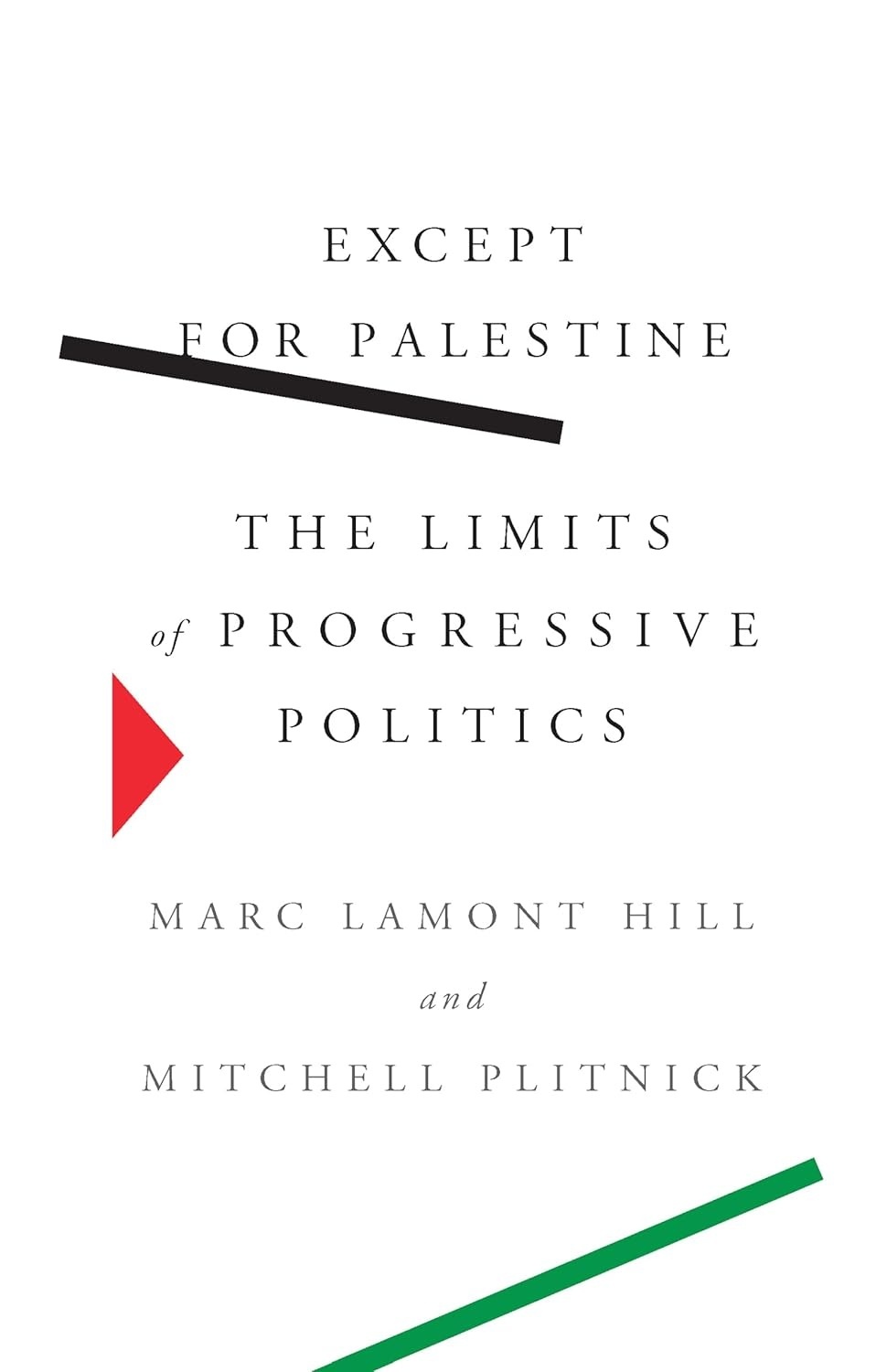
Cover of Except for Palestine: The Limits of Progressive Politics

Except for Palestine: The Limits of Progressive Politics

Peter Beinart's moral reckoning validated your alienation from mainstream narratives—that unflinching honesty that felt like intellectual therapy. For readers still grappling with the ethical inconsistencies in activism, there's a follow-up that names what you've sensed but couldn't articulate: why progressive politics carves out exceptions for Palestine. It's the rigorous, evidence-laden confrontation that transforms discomfort into clarity.


Cover of His Name Is George Floyd

His Name Is George Floyd

If Mother Emanuel taught you that journalism can document tragedy without sanitizing pain, you're ready for another book that refuses catharsis in favor of reckoning. The investigative rigor, the humanization of victims beyond sainthood, the refusal to let institutions off the hook—it's all here, connecting historical oppression to the violence still unfolding in our streets.

Cover of Preventable

Preventable

Fauci's On Call showed you the bureaucratic knife fights behind COVID from the scientist's desk. Now get the view from the policy trenches, where Andy Slavitt's Preventable dissects exactly how preventable deaths became inevitable when expertise met ego. Same insider granularity, same controlled fury—but this time, it's a full autopsy of institutional rot.

Cover of The Devil You Know: A Black Power Manifesto

The Devil You Know: A Black Power Manifesto

Black Moses captivated you with its unflinching portrait of flawed visionaries pursuing black autonomy against impossible odds—no sanitized heroism, just raw ambition colliding with systemic barriers. If you craved that unapologetic exploration of radical separatism and self-determination, you need a manifesto that trades historical archives for census data and treats integration skepticism as intellectual honesty, not controversy.