Get book recommendations that actually understand why you liked something. Built for readers who know why a book worked.

Memoir · Family Dysfunction

8 hand-picked memoir and family dysfunction books curated by NextBookAfter.

MemoirFamily Dysfunction
Cover of Heartland

Heartland

Hillbilly Elegy struck a nerve because it refused to romanticize poverty or apologize for hard truths about personal responsibility. Sarah Smarsh's Heartland delivers that same raw honesty from the Midwest—wheat country struggles, generational poverty, and the kind of resilience that doesn't wait for rescue. If you connected with Vance's refusal to sugarcoat dysfunction or play victim, this is your next read.
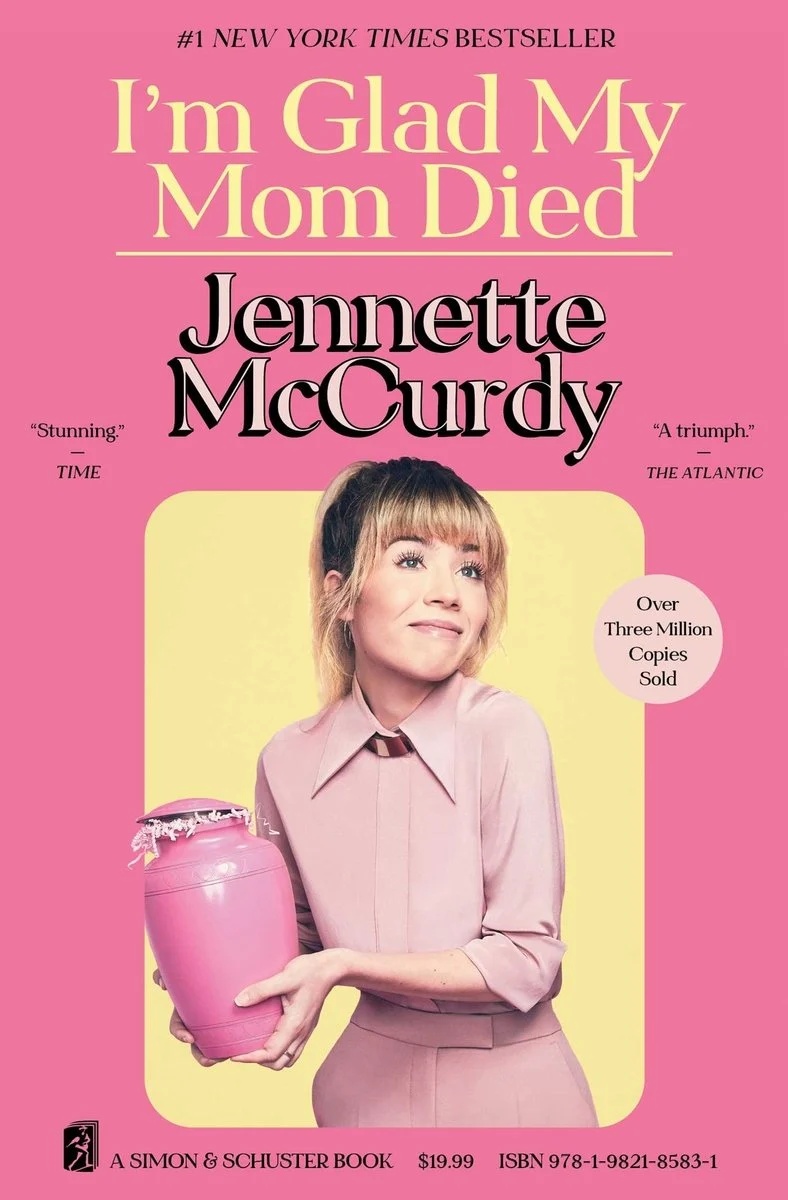
Cover of I'm Glad My Mom Died

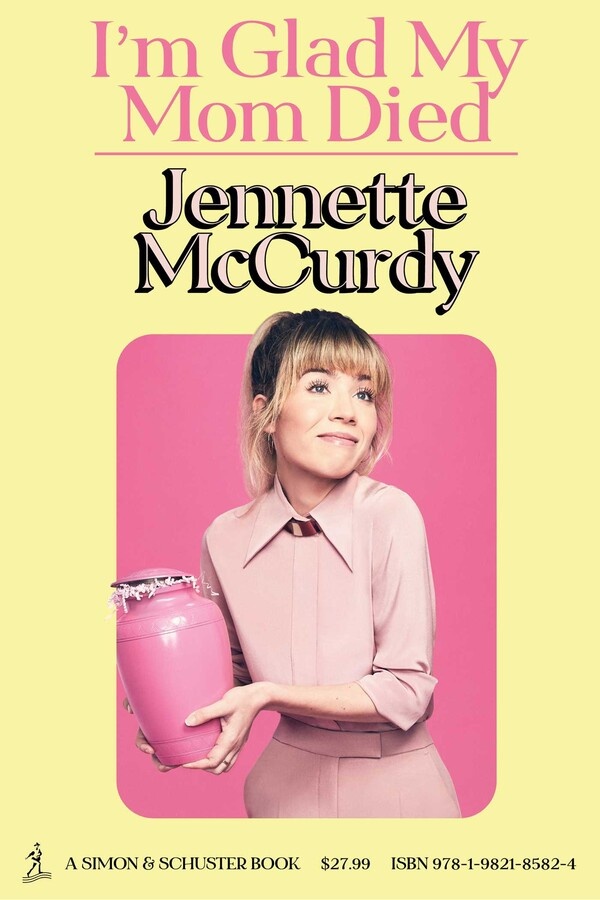
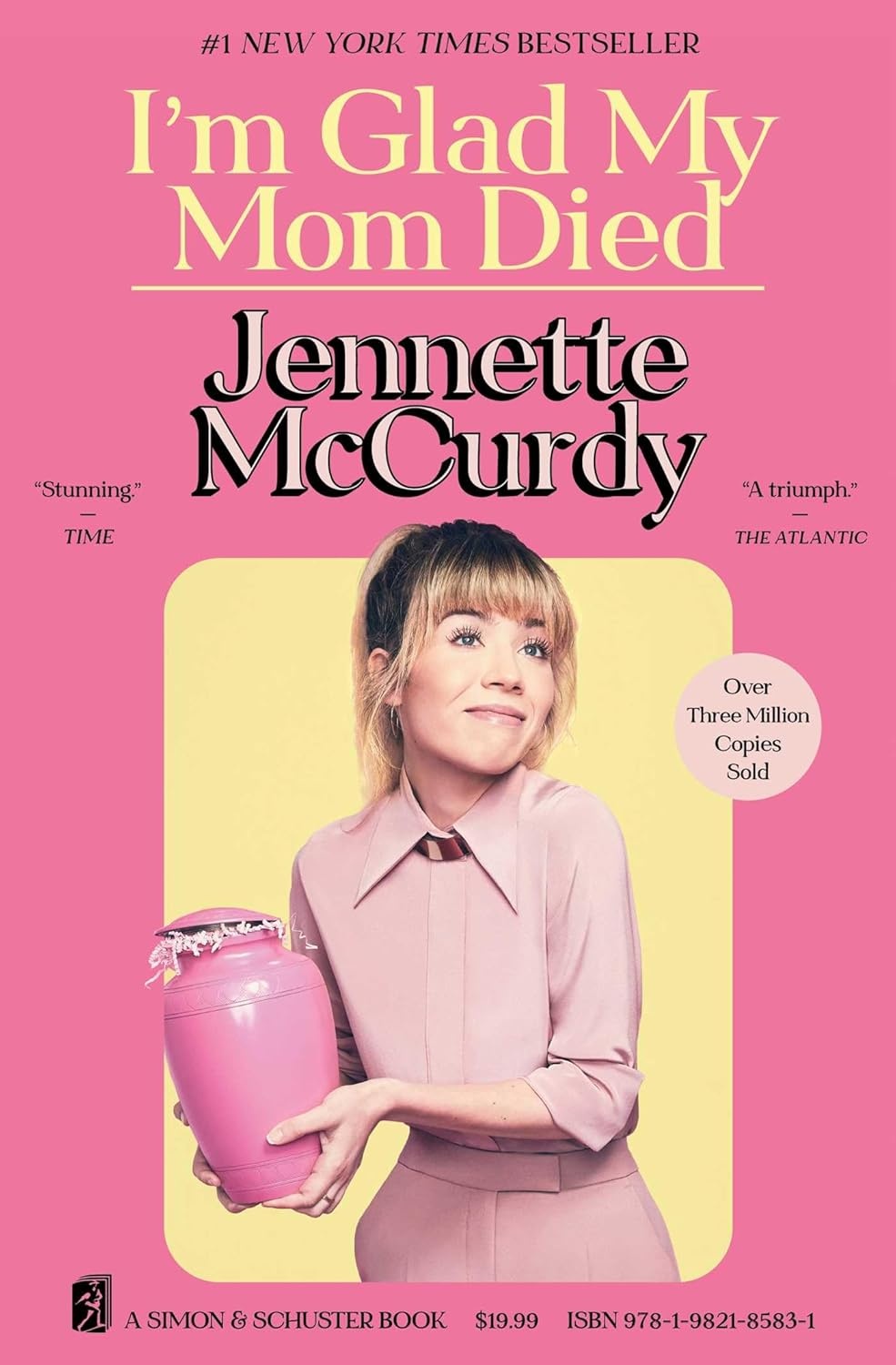
I'm Glad My Mom Died

Loved Ina Garten's refusal to pretend success was effortless? Jennette McCurdy delivers that same fierce honesty about building agency from wreckage, swapping Hamptons charm for Hollywood's brutal machinery. Another woman who chose herself when every system told her otherwise—with dark humor that makes you laugh before you realize you're learning something essential about resilience.

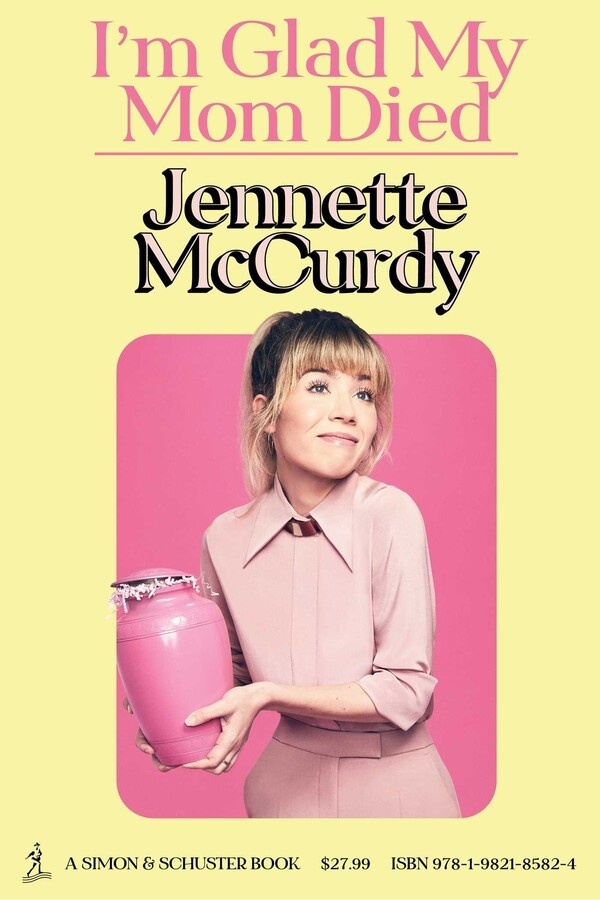
Cover of I'm Glad My Mom Died

I'm Glad My Mom Died

If you survived Jenny Lawson's chaotic therapy fails and taxidermied raccoons, Jennette McCurdy's weaponized dysfunction will feel like reuniting with your most unhinged friend. Same unfiltered honesty about anxiety spirals and eating disorders, same self-deprecating humor that makes your own disasters look reasonable—but this time the wreckage unfolds on Nickelodeon sets with a title that's already a confession.

Cover of I'm Glad My Mom Died

I'm Glad My Mom Died

If Kelly Bishop's 'The Third Gilmore Girl' hooked you with its no-holds-barred dive into TV stardom's underbelly and family dysfunction, Jennette McCurdy's 'I'm Glad My Mom Died' delivers even more unflinching truths about abuse survival and industry sexism. Relish the dark humor and female resilience that mirror Bishop's empowering tales of overcoming personal traumas. It's the perfect follow-up for fans craving cathartic, gossip-fueled escapes from Hollywood's harsh realities.

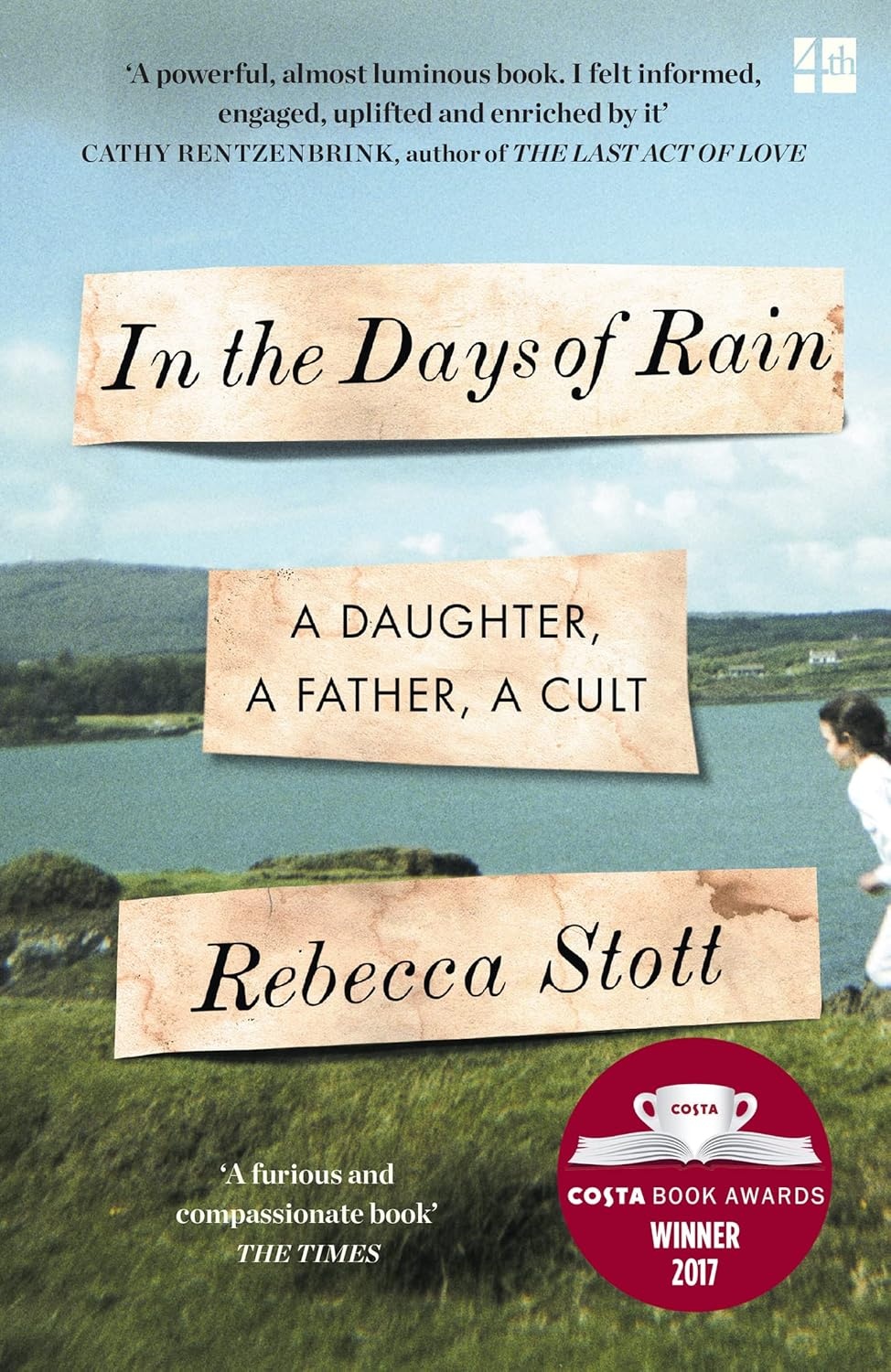
Cover of In the Days of Rain

In the Days of Rain

Christine Brown Woolley pulled back the curtain on polygamous chaos with zero filter—the jealousy, the patriarchal stranglehold, the spiritual justifications for emotional wreckage. Rebecca Stott does the same for the Exclusive Brethren, where devotion and doubt wage war in every interaction, and leaving means losing everything. This is insider testimony that refuses to sanitize the cost of belonging.

Cover of Sure, I'll Join Your Cult

Sure, I'll Join Your Cult

If Jennette McCurdy's refusal to soften toxic family dynamics hit you where it hurts, Maria Bamford's memoir delivers that same cathartic honesty—swapping stage moms for the cults of self-help, showbiz, and impossible expectations. Bamford turns breakdowns and career precarity into darkly comedic gold, wielding wit as survival tool through mental health crises that refuse inspirational polish. This is for readers who've outgrown feel-good nonsense and crave the messy, validating truth of surviving your brain and the people who shaped you.

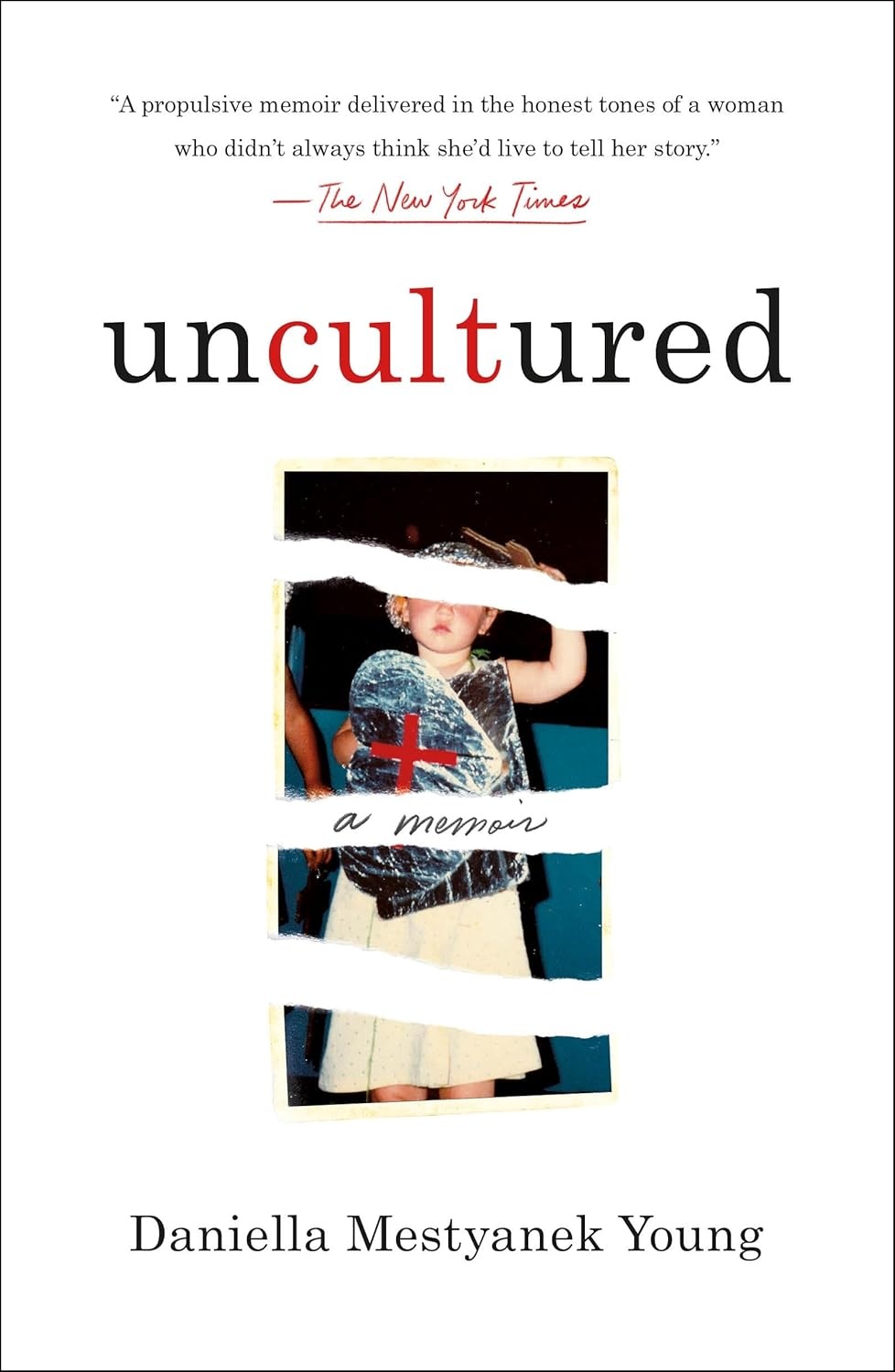
Cover of Uncultured

Uncultured

If Shari Franke's takedown of religious control masquerading as family values left you electrified, this is your next read. Daniella Mestyanek Young rips apart cult machinery with the same unflinching precision—no sanitized recovery, no mandatory forgiveness, just raw truth about faith weaponized and bystanders who architect trauma. The rebellion you craved? Sharpened to a blade.

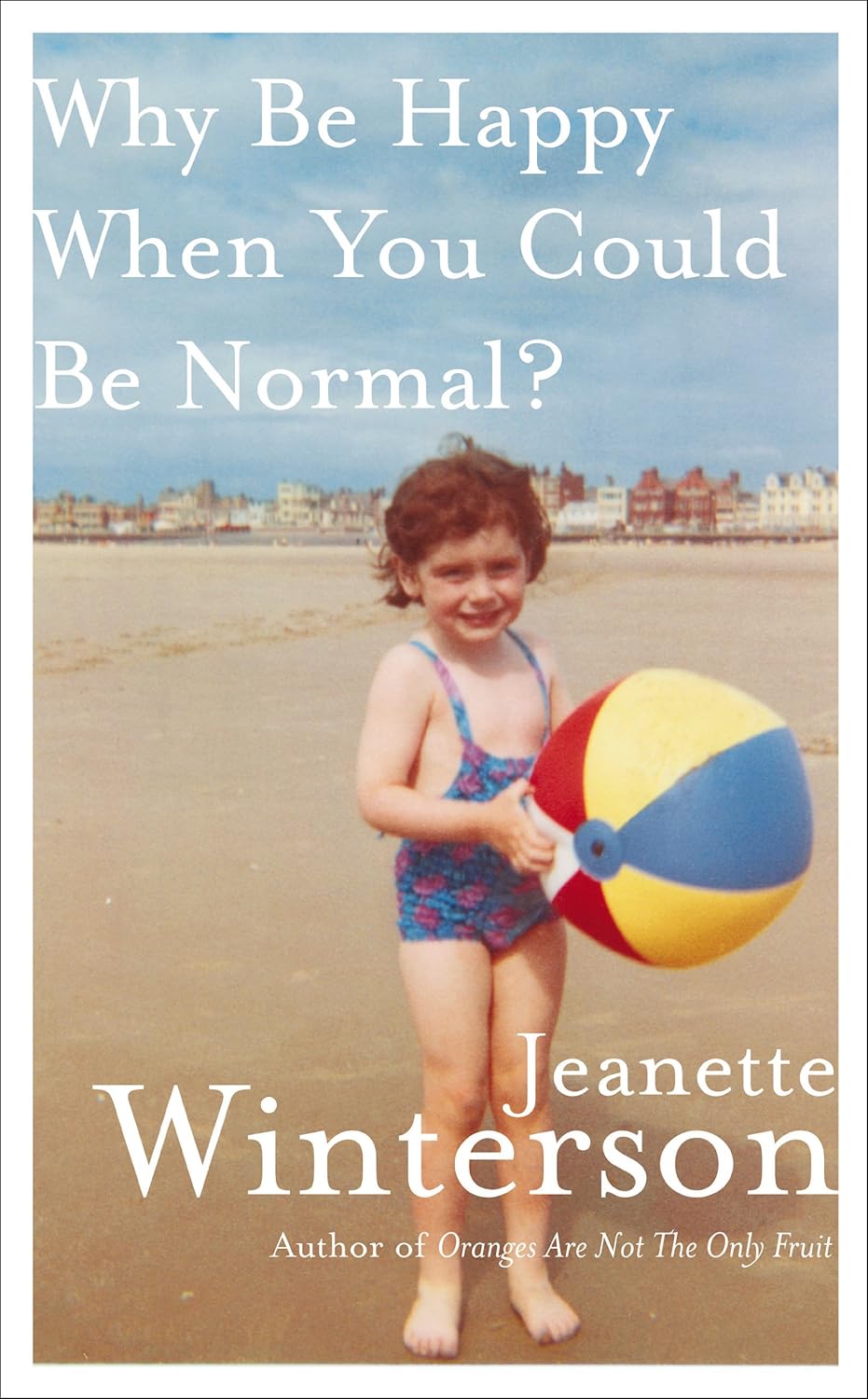
Cover of Why Be Happy When You Could Be Normal?

Why Be Happy When You Could Be Normal?

If Tove Ditlevsen's raw confessions in The Copenhagen Trilogy left you aching for more unflinching honesty about personal turmoil and societal oppression, Why Be Happy When You Could Be Normal? by Jeanette Winterson delivers that same blade-sharp gaze into flawed lives and mental breakdowns. Her gritty portrayal of working-class struggles and codependent family ties mirrors Ditlevsen's underbelly of poverty and artistic frustration, offering no tidy redemptions—just messy, cathartic truth. Perfect for brooding readers who romanticize misery and crave minimalist prose that dissects emotions without mercy.