Memoir · Emotional Vulnerability

10 hand-picked memoir and emotional vulnerability books curated by NextBookAfter.

MemoirEmotional Vulnerability
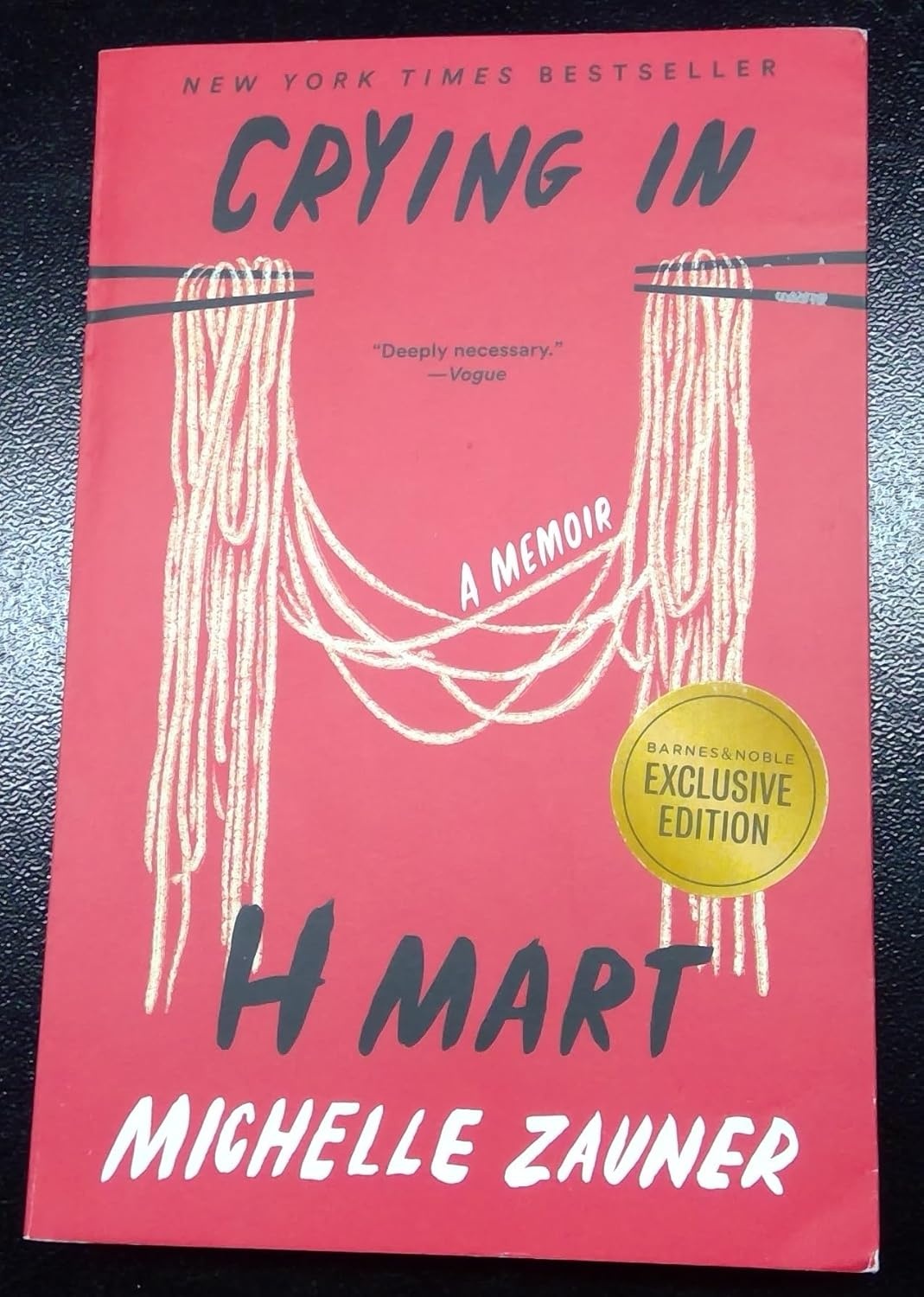
Cover of Crying in H Mart

Crying in H Mart

If you loved how John Green turned disease into a meditation on human fragility, Michelle Zauner does the same with Korean food and mother-loss—memoir as cultural archaeology, where every recipe becomes a reckoning with belonging. Sharp, unvarnished, and bracingly intimate without a single maudlin moment.
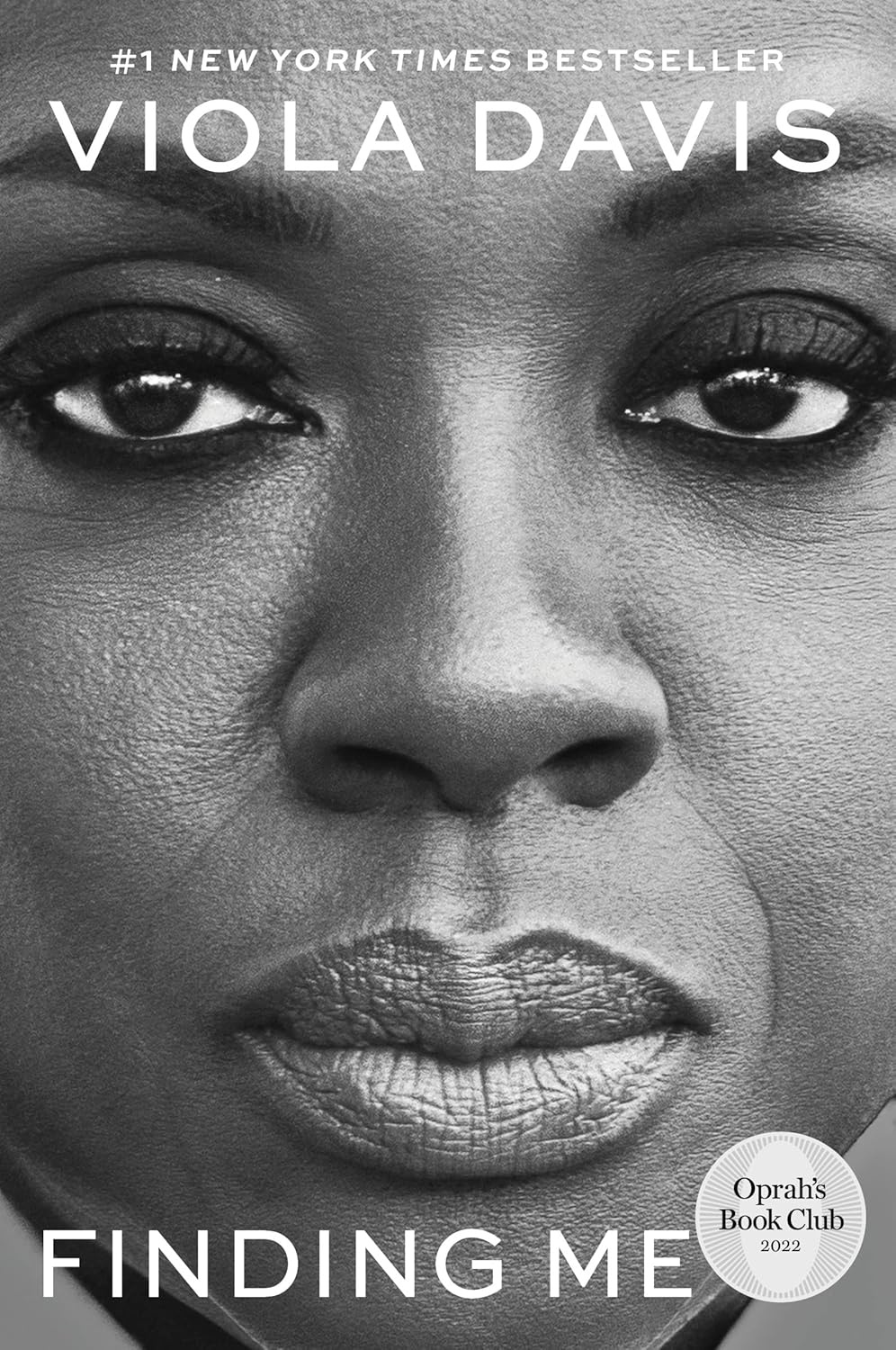

Cover of Finding Me

Finding Me

If Ketanji Brown Jackson's refusal to shrink in elite spaces left you breathless, Viola Davis excavates the same truth in Finding Me—poverty, prejudice, and the relentless cost of proving your right to exist in rooms that weren't built for you. This is Black excellence stripped of platitudes, where Hollywood's glitter can't hide the South Carolina dirt that shaped an icon.

Cover of High School

High School

Brandi Carlile made you feel seen with her unfiltered queer awakening in rural America—now Tegan and Sara Quin double down on that gut-punch honesty. High School chronicles twin sisters carving out identity in a Canadian prairie town that demanded silence, blending sibling rivalry, first acid trips, and the salvation of making noise into a memoir that reads like their best album liner notes come to life.

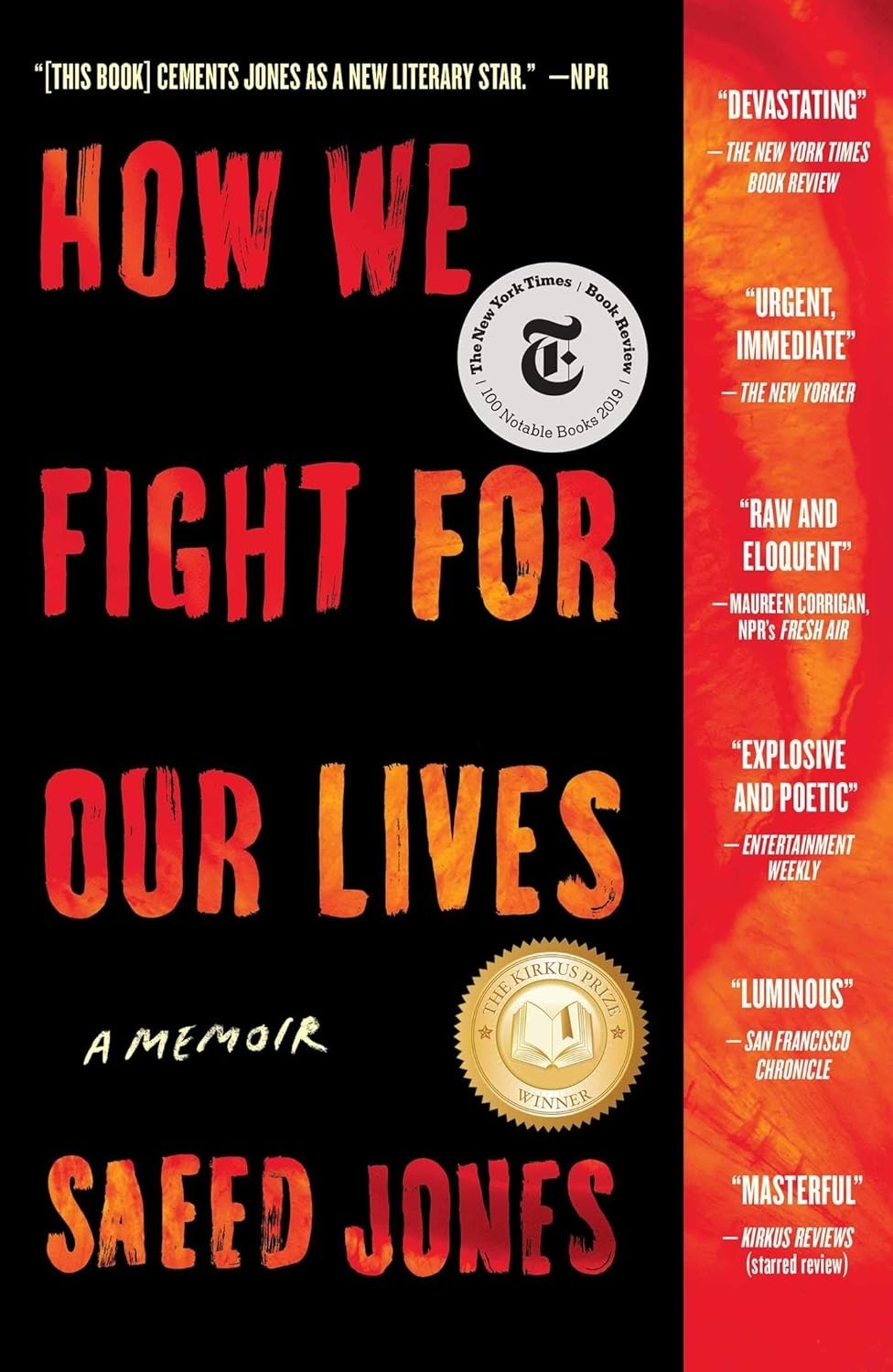
Cover of How We Fight for Our Lives

How We Fight for Our Lives

If Heavy's refusal to sugarcoat trauma hit you where you live, Saeed Jones brings that same weaponized vulnerability—this time dissecting black queer identity in the South with poetic brutality. No tidy endings, no performative polish, just the exhausting truth of staying alive when silence is expected. Read it for unmarketable honesty that validates your rage.

Cover of In the Dream House

In the Dream House

If The Argonauts hooked you with its bold blend of memoir and philosophy, exploring queer love, gender fluidity, and feminist critique through unflinching vulnerability, you're in for a treat. In the Dream House by Carmen Maria Machado echoes that magic, weaponizing literary tropes to dissect abuse in same-sex relationships with intellectual rigor and emotional rawness. It's the perfect follow-up for fans craving stories that dismantle clichés and affirm chaotic, transformative identities.

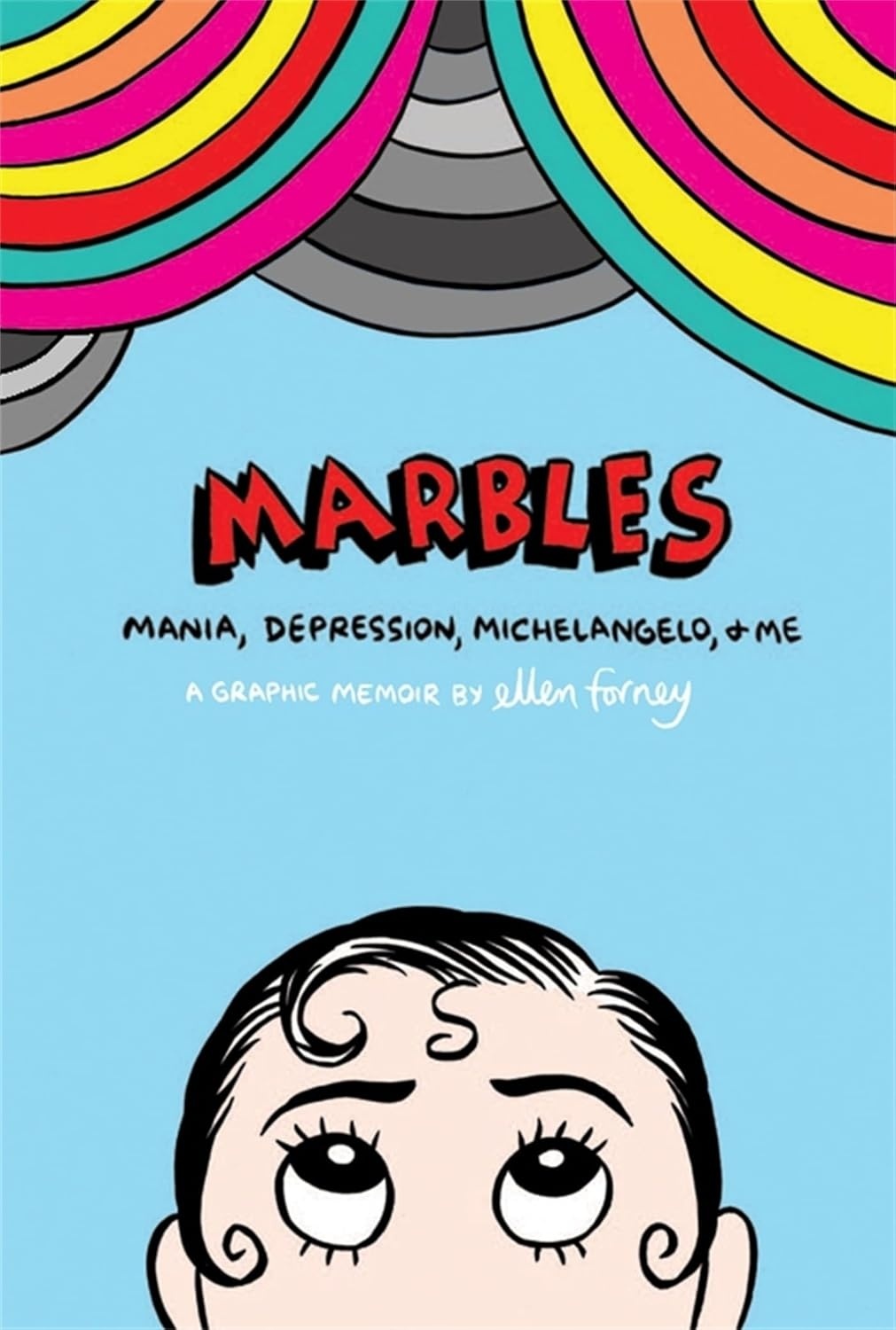
Cover of Marbles: Mania, Depression, Michelangelo, and Me

Marbles: Mania, Depression, Michelangelo, and Me

If Allie Brosh's Hyperbole and a Half had you cackling through your own mental meltdowns with her crude drawings and brutal honesty about flawed coping, you're not alone in that chaotic vibe. Ellen Forney's Marbles amps up the mayhem with bipolar twists, turning artistic spirals into hyperbolic sagas of vulnerability and dark comedy. It's the perfect follow-up for quirky overthinkers who laugh at life's dumpster fires.

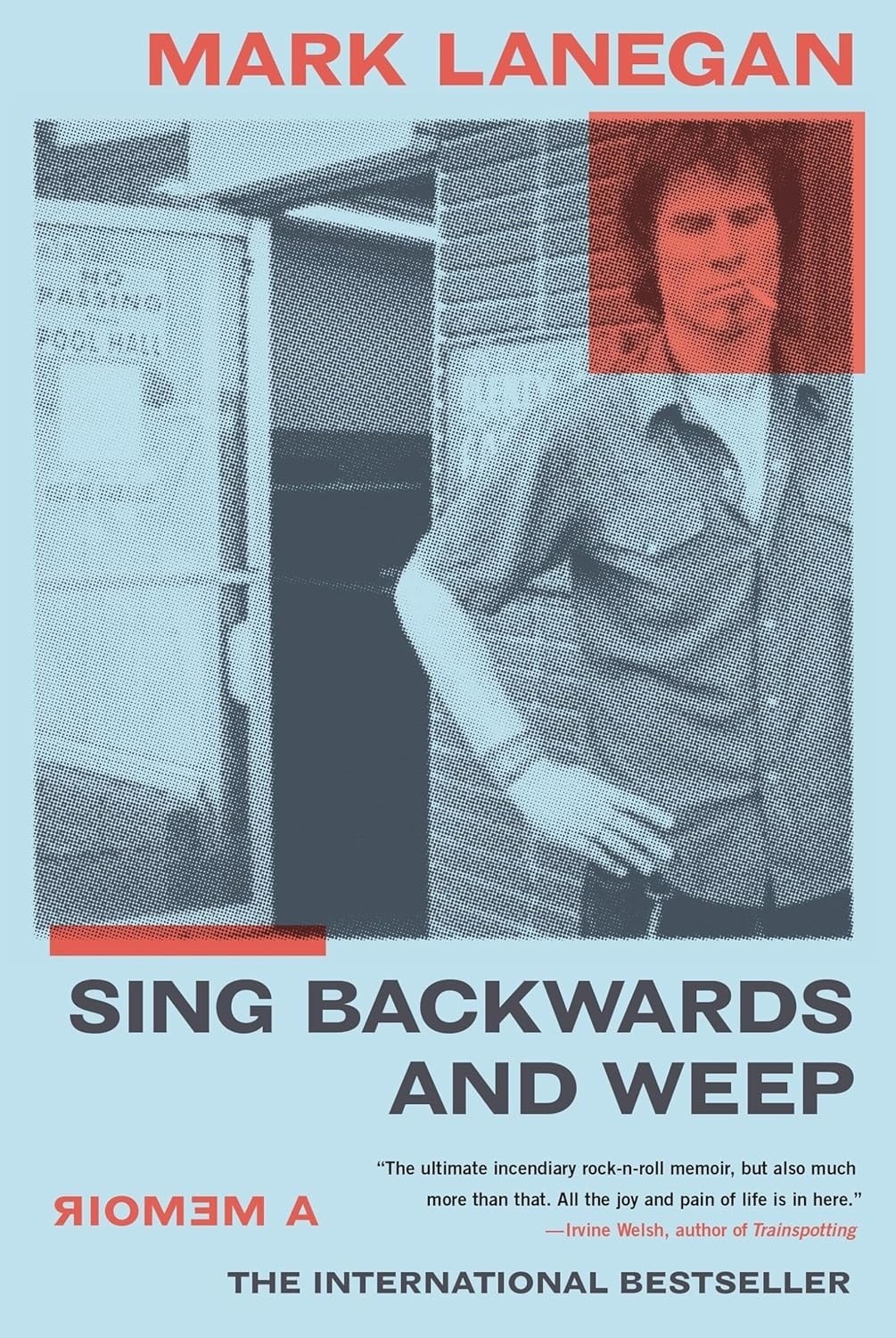
Cover of Sing Backwards and Weep

Sing Backwards and Weep

If Layne Staley's 'This Angry Pen of Mine' hooked you with its unflinching plunge into heroin's grip and the music industry's hypocritical rot, brace for more. Mark Lanegan's 'Sing Backwards and Weep' mirrors that Pacific Northwest shadow, blending dark humor with visceral confessions of fame's wreckage. It's the raw extension grunge fans crave—no sugarcoating, just pure cathartic truth.

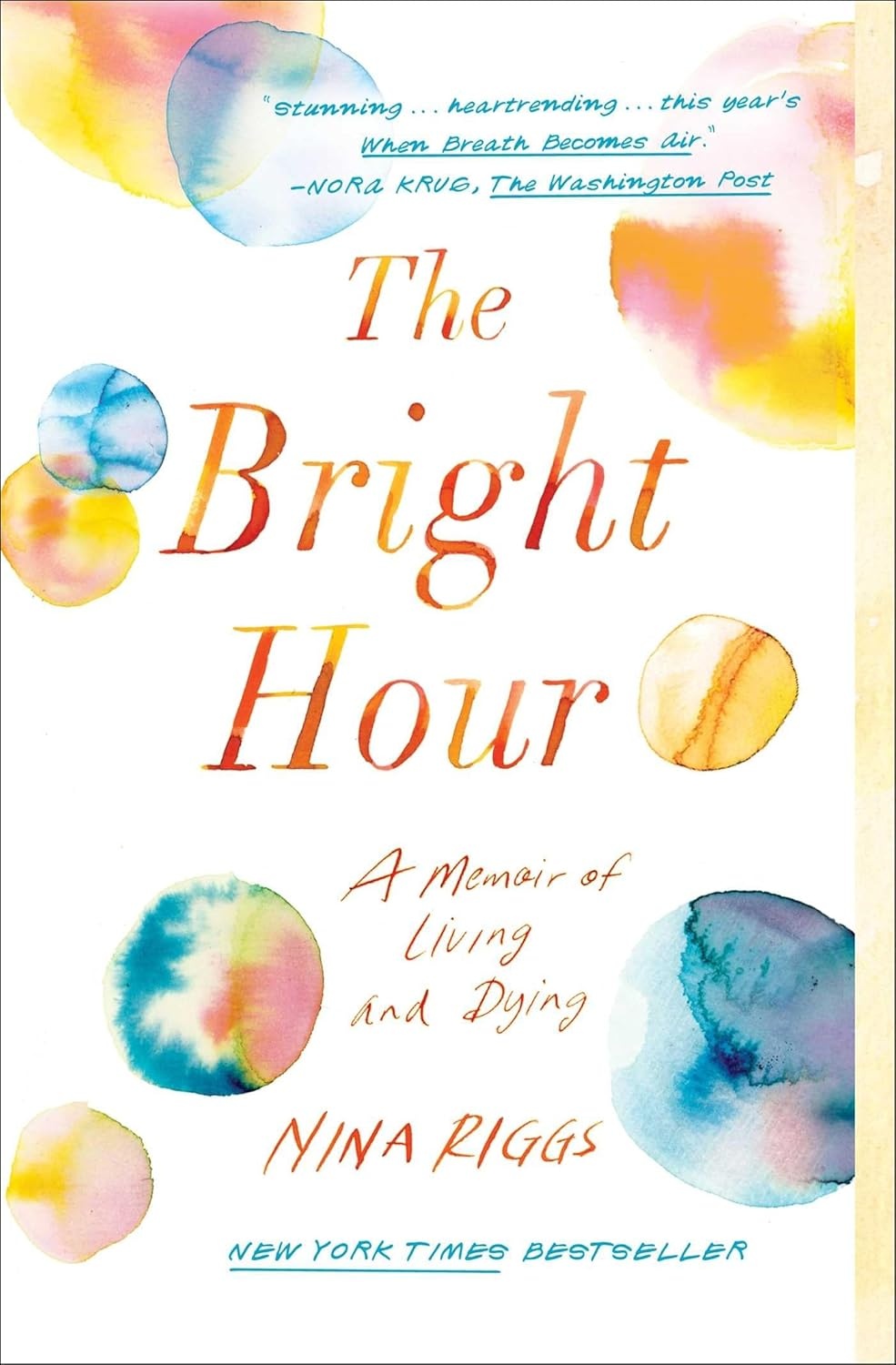
Cover of The Bright Hour

The Bright Hour

Paul Kalanithi's 'When Breath Becomes Air' hit hard with its neurosurgeon's unflinching stare into death's abyss, blending clinical precision with profound philosophical insights that make you question life's meaning. Fans adored the raw vulnerability of a high-achiever humbled by cancer, turning personal despair into a universal meditation on resilience and impermanence. For those seeking more of that intellectual catharsis, 'The Bright Hour' by Nina Riggs echoes it perfectly—poetic, witty, and brutally honest in facing mortality as a mother and writer.

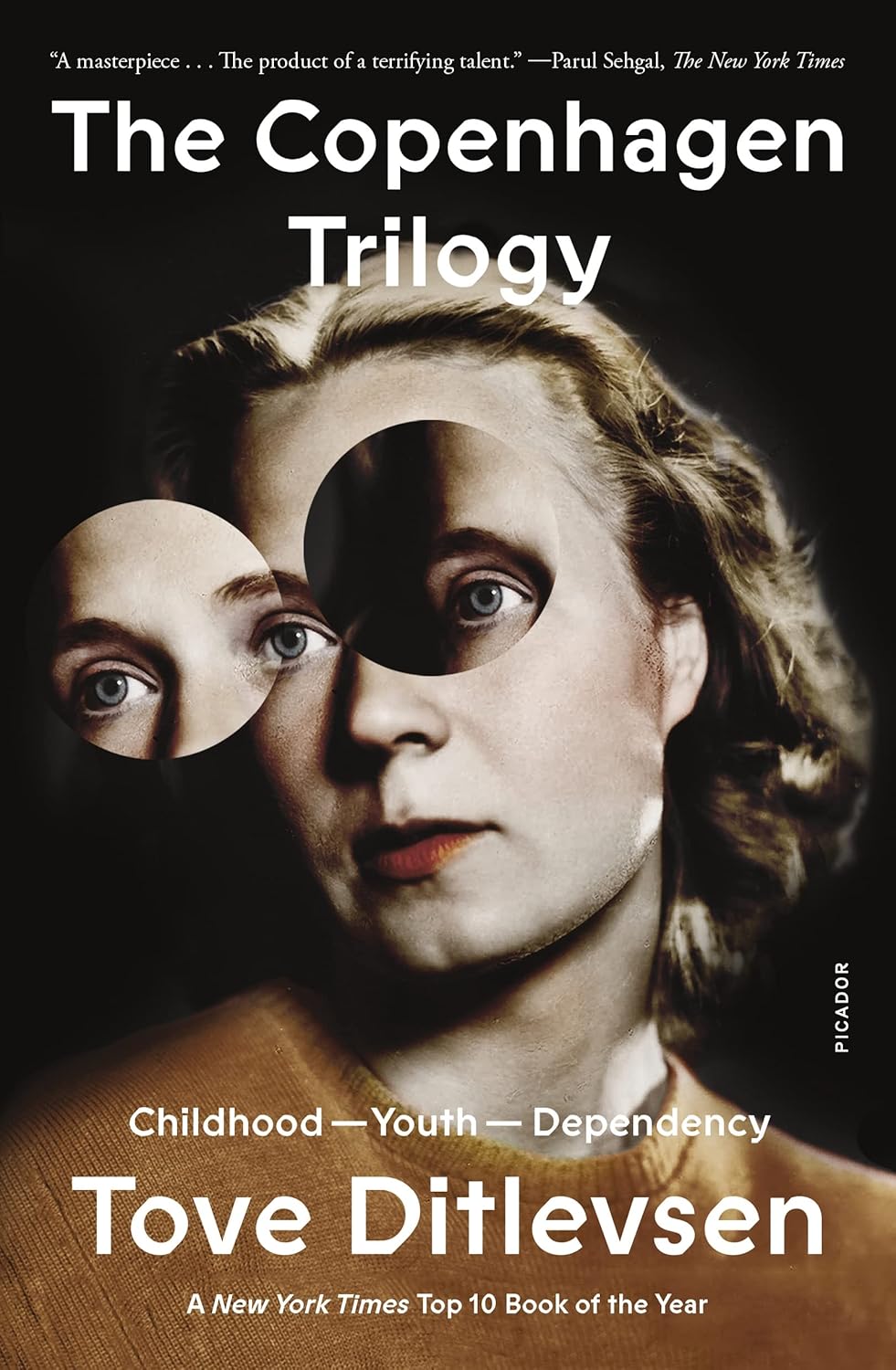
Cover of The Copenhagen Trilogy

The Copenhagen Trilogy

If Patti Smith's Bread of Angels pulled you into her world of mystical musings on loss, love, and countercultural rebellion, you'll devour The Copenhagen Trilogy's sharp Nordic reckoning with addiction, poverty, and creative defiance. Tove Ditlevsen mirrors Smith's bohemian edge in fragmented, poetic vignettes of urban outsider life, blending raw vulnerability with spiritual seeking. It's the unflinching follow-up for aging free spirits craving validation of their faded dreams as timeless journeys.

Cover of You Could Make This Place Beautiful

You Could Make This Place Beautiful

Anne Lamott's Somehow gave you permission to sit in the wreckage without fixing it—just wise-cracking through the grief with someone who gets it. Maggie Smith's poetic memoir does the same excavation work: dismantling a marriage with unflinching honesty, self-deprecating wit, and zero interest in selling you easy answers. It's hope earned through mess, not manufactured from motivational quotes.