Literary Fiction · Urban Alienation

4 hand-picked literary fiction and urban alienation books curated by NextBookAfter.

Literary FictionUrban Alienation
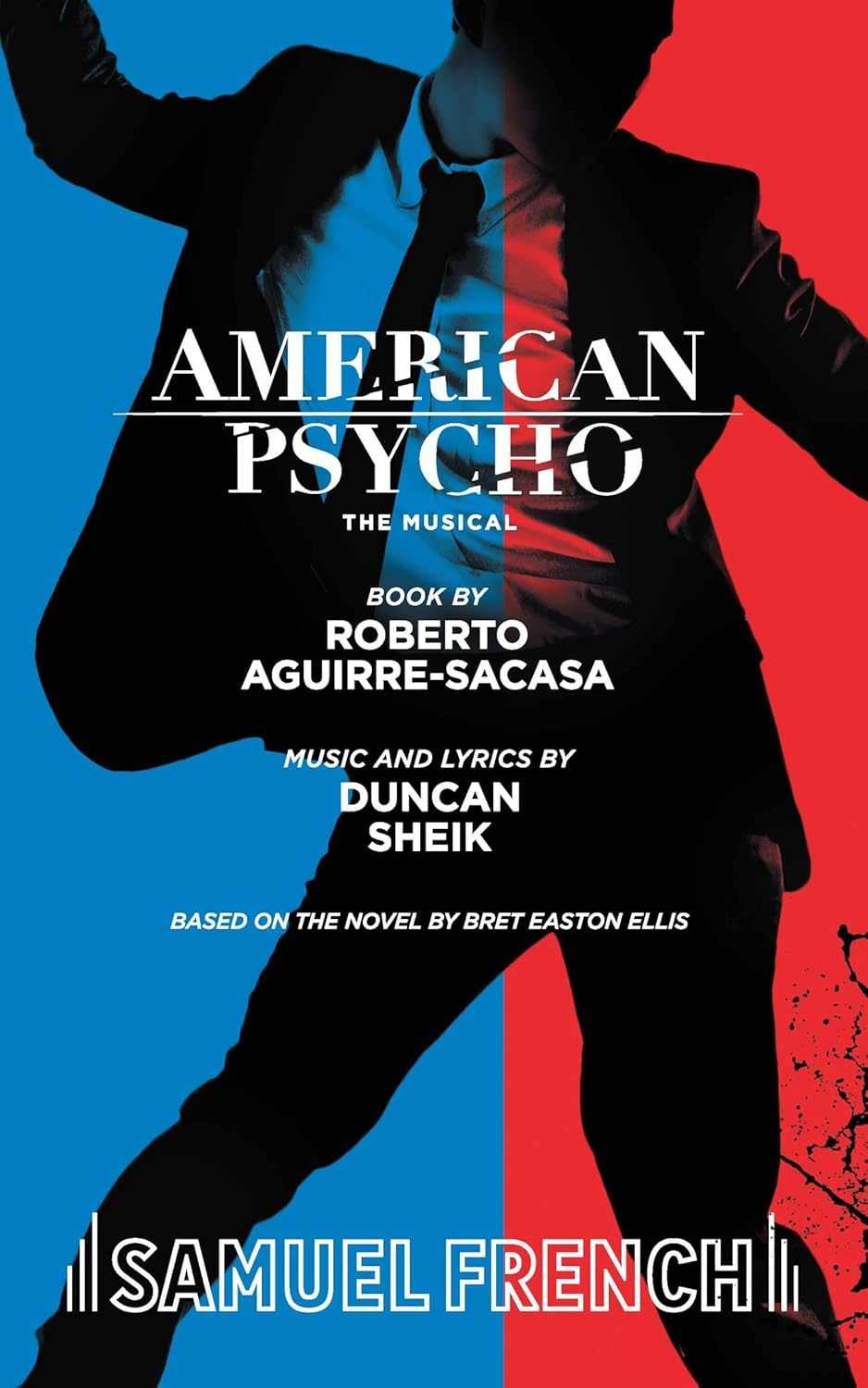
Cover of American Psycho

American Psycho

High-Rise stripped middle-class civility to reveal tribal savagery in a luxury tower. American Psycho does the same for 1980s Wall Street—same clinical voyeurism, same ritualistic violence erupting from consumerist voids, same refusal to offer moral guardrails. Ellis dissects yuppie excess with Ballard's detached precision, leaving you in the judgmental void you've been craving.
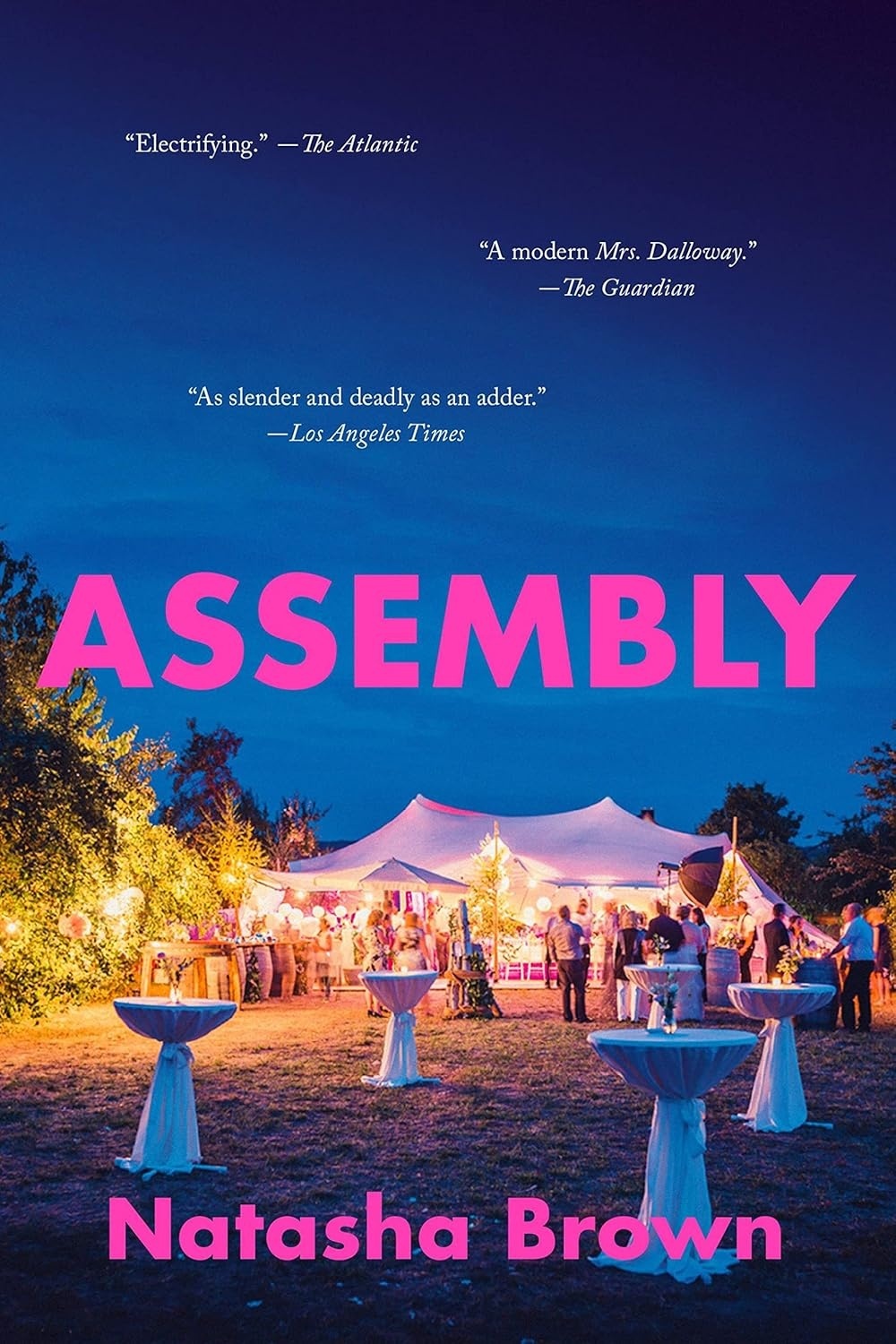
Cover of Assembly

Assembly

If Lonely Crowds hit you with its unflinching take on urban isolation and the emotional burnout of chasing capitalist dreams in a diaspora haze, you're not alone—readers rave about its dark humor slicing through social media facades and family judgments. This follow-up echoes that raw authenticity, diving deeper into identity crises and mental health struggles with cynical wit that calls out societal bullshit. Get ready for a narrative that feels like a mirror to your own alienated ambitions, no easy answers included.

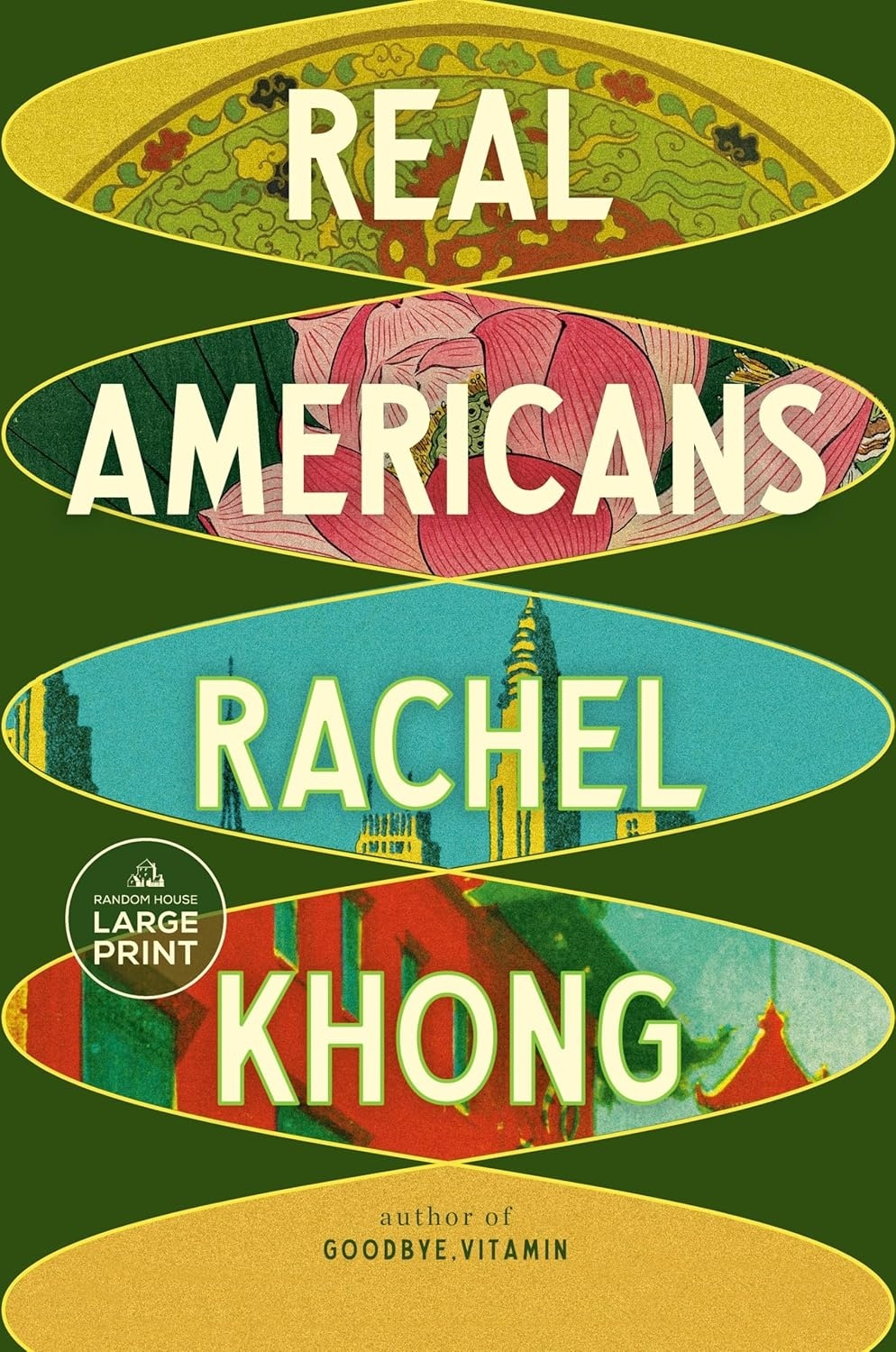
Cover of Real Americans

Real Americans

If The Tokyo Suite hooked you with its unflinching dissection of class warfare and morally messy protagonists navigating exploitation in chaotic urban sprawls, Rachel Khong's Real Americans amps up that intensity by tracing economic divides across generations and borders. Fans loved Madalosso's dark humor slicing through privilege's absurdities without easy outs—Khong delivers the same satirical edge on racial identity and the American Dream's illusions. Dive into this for characters as flawed and cities as oppressively alive, challenging your complacency with zero moral hand-holding.

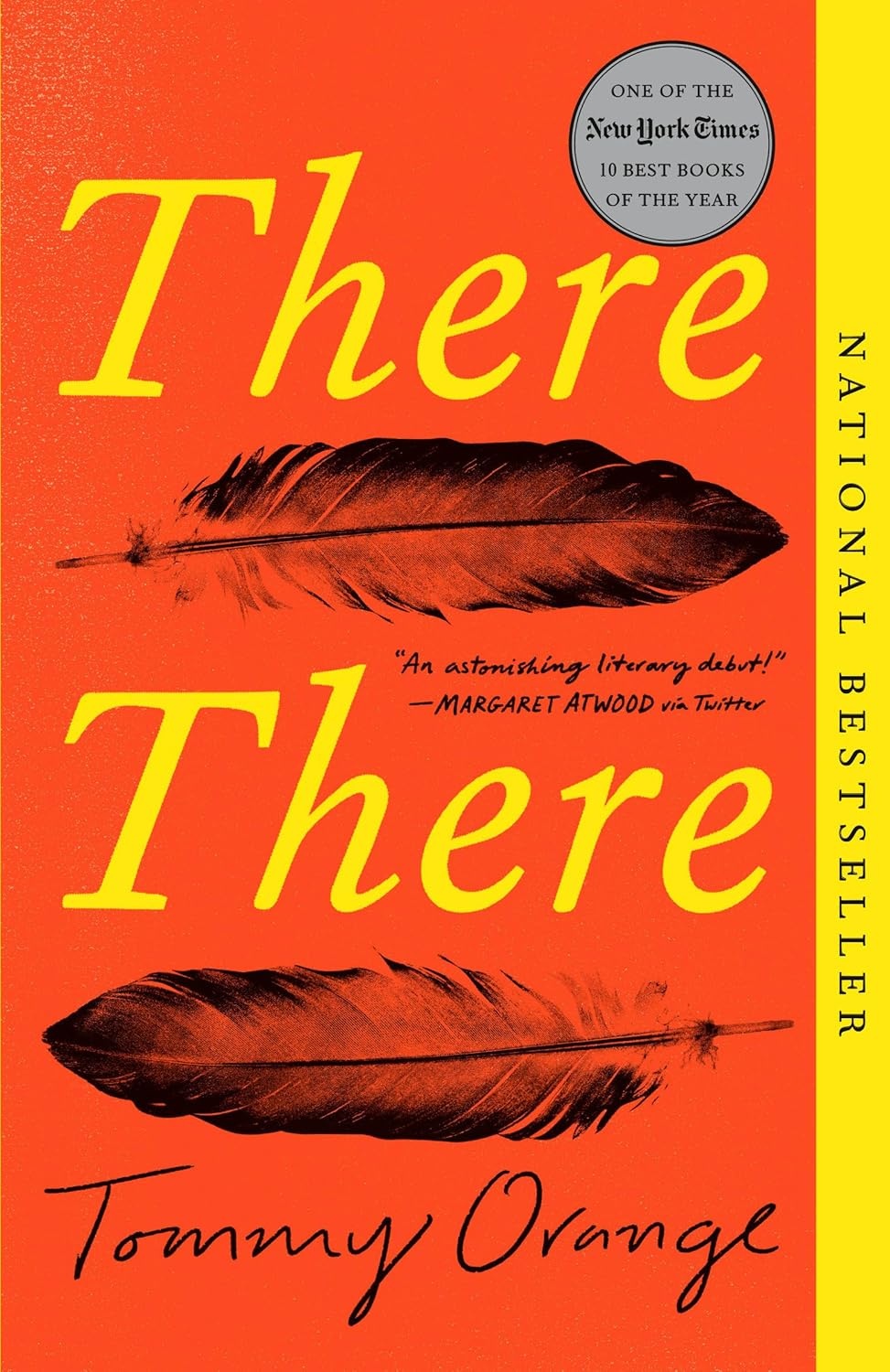
Cover of There There

There There

If A Visit from the Goon Squad hooked you with its mosaic of interconnected lives, razor-sharp satire on modernity, and emotional punches of regret and ambition, you're in for a thrill. Tommy Orange's There There delivers that same intellectual puzzle, blending wry irony with profound sorrow in a multigenerational drama of cultural erasure and urban alienation. It's the explosive follow-up that weaponizes voice and trauma for readers craving narrative innovation and deep human entanglements.