Literary Fiction · Themes Of Loss

4 hand-picked literary fiction and themes of loss books curated by NextBookAfter.

Literary FictionThemes Of Loss
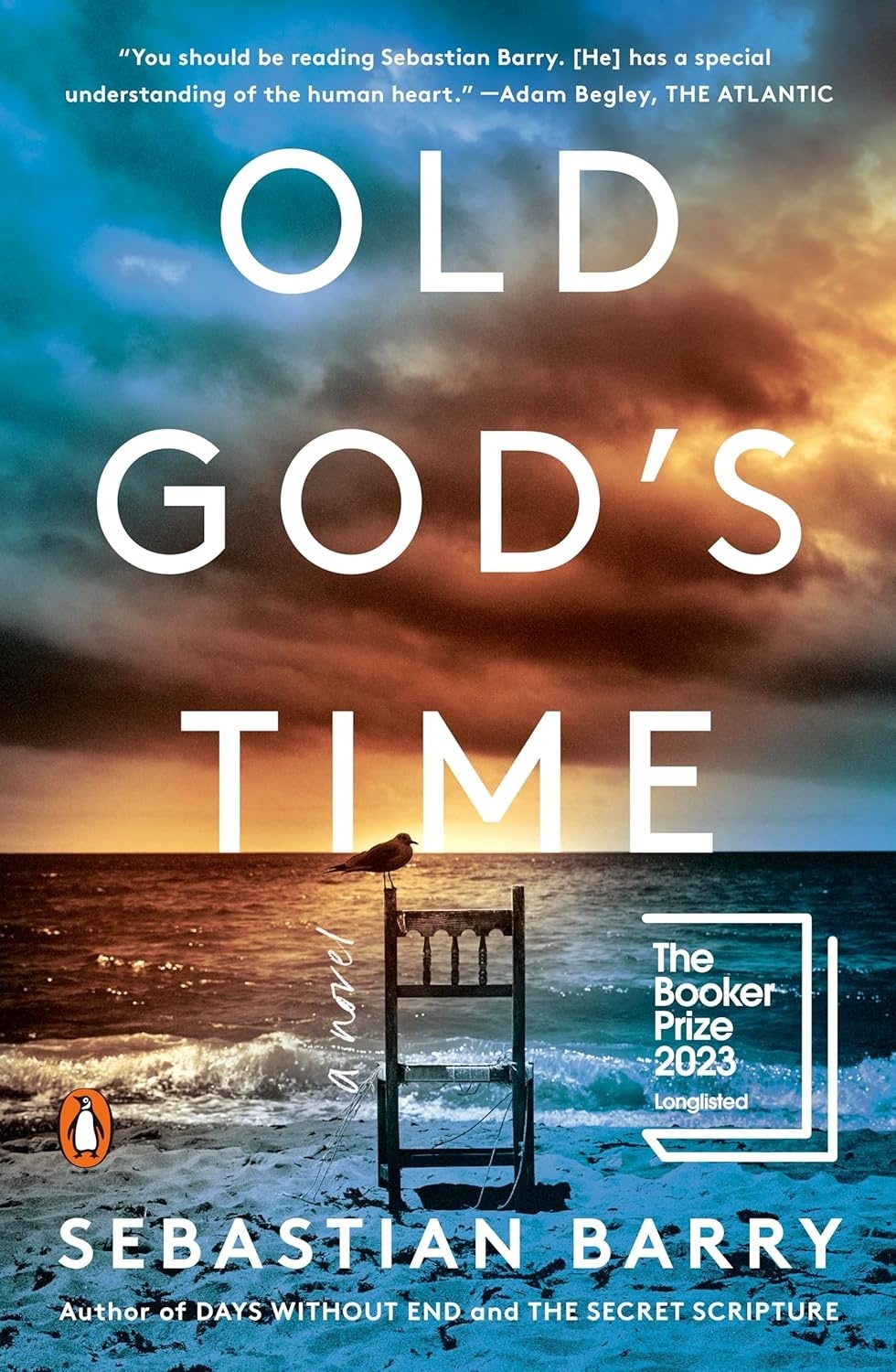
Cover of Old God's Time

Old God's Time

If Flesh by David Szalay hooked you with its spare prose stripping illusions from aging flesh and male fragility, Old God's Time by Sebastian Barry delivers that same merciless mirror to human entropy. Revel in the dark humor of men battling obsolescence and suppressed fears, where physical decay meets emotional isolation without false hope. It's the cathartic truth-telling you need to confront life's unvarnished horrors head-on.
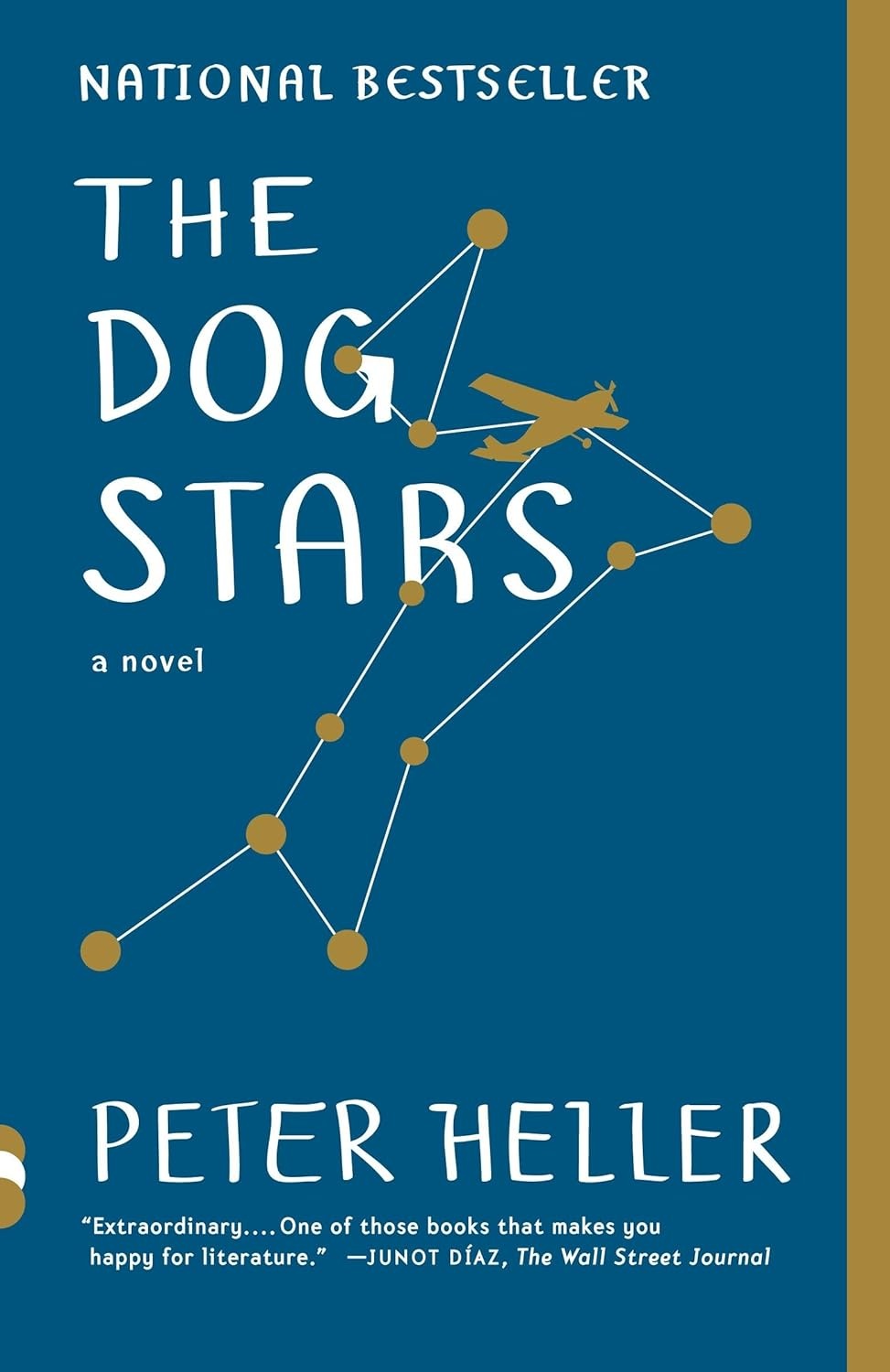
Cover of The Dog Stars

The Dog Stars

You stayed for Cronin's vampires because they weren't just monsters—they were metaphors wrapped in dread, and the humans fighting them earned your tears as much as your adrenaline. The Passage taught you to crave apocalypse that's both intellectually ambitious and viscerally devastating, where philosophical depth meets gut-punch survival. If you're hunting for that same fusion of literary prose and existential threat, we've found the post-pandemic odyssey that will wreck you in all the right ways.

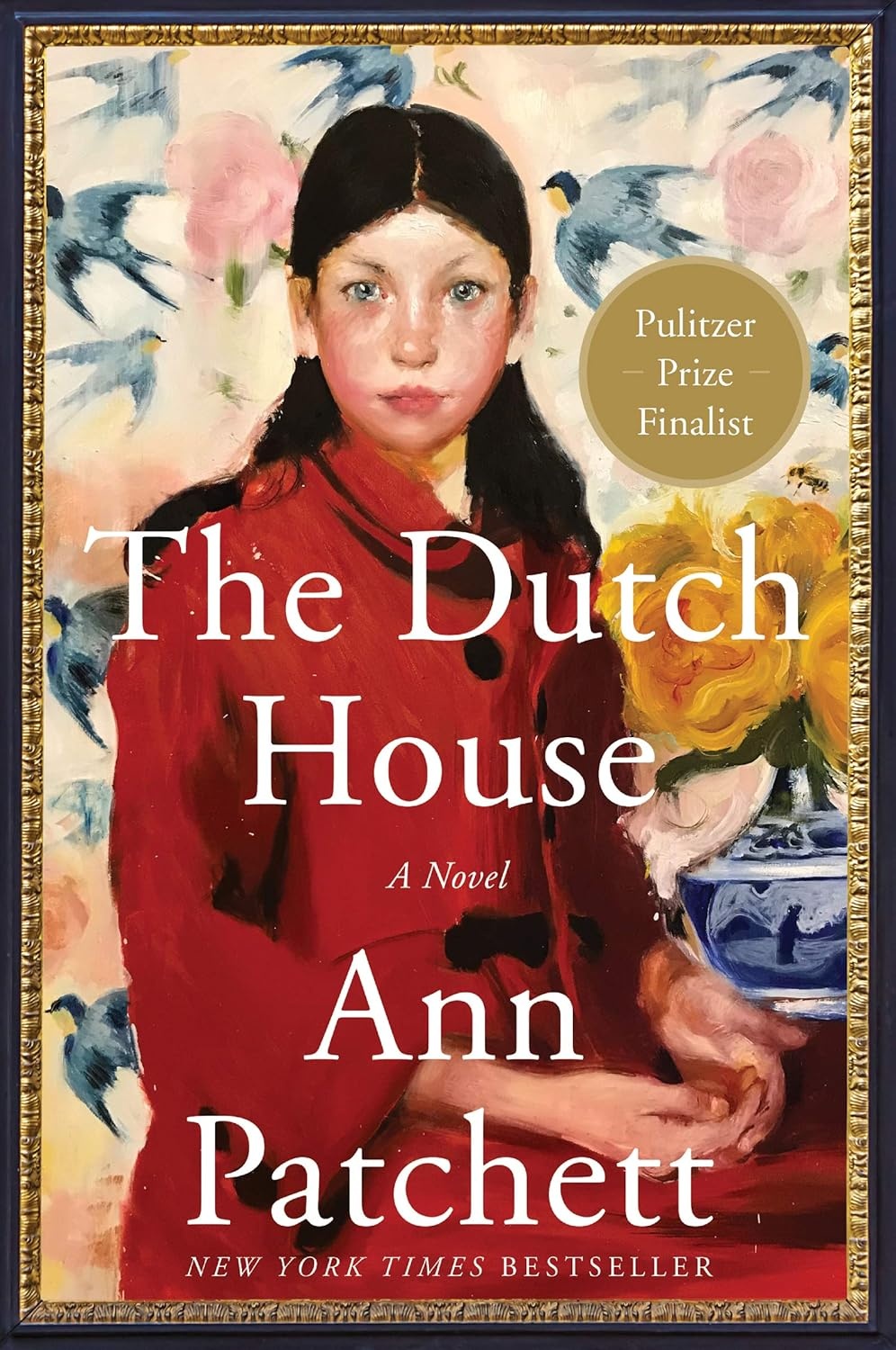
Cover of The Dutch House

The Dutch House

If The Goldfinch rewired your expectations for what literary fiction could accomplish—Dickensian sprawl meeting psychological precision, moral ambiguity rendered in museum-quality prose—then The Dutch House is your next obsession. Patchett commands the same epic, multi-decade scope, tracing sibling bonds warped by inheritance and loss, while her lush, sensory language builds a world so textured you'll taste the privilege and feel the betrayal in your bones.

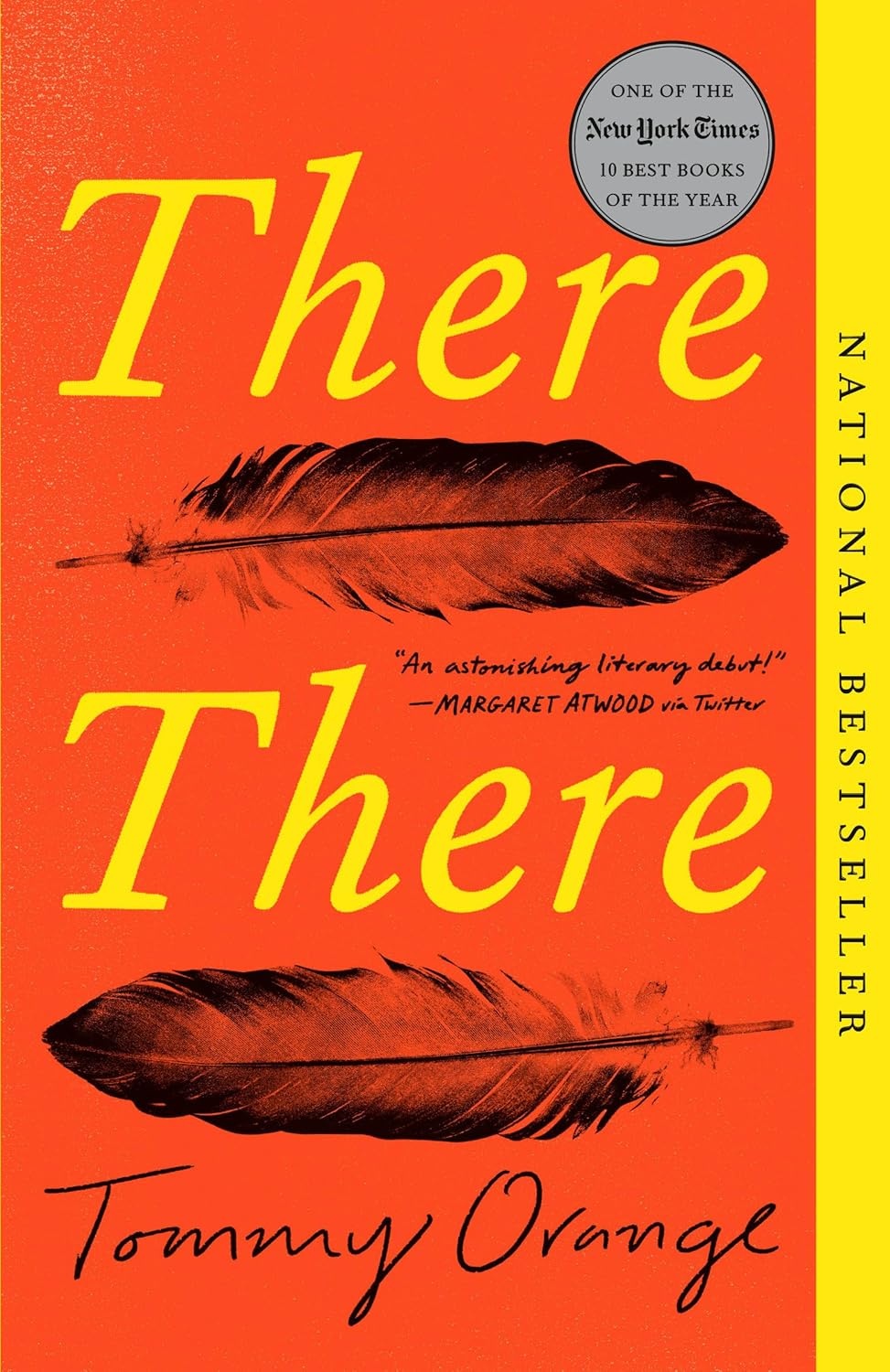
Cover of There There

There There

If A Visit from the Goon Squad hooked you with its mosaic of interconnected lives, razor-sharp satire on modernity, and emotional punches of regret and ambition, you're in for a thrill. Tommy Orange's There There delivers that same intellectual puzzle, blending wry irony with profound sorrow in a multigenerational drama of cultural erasure and urban alienation. It's the explosive follow-up that weaponizes voice and trauma for readers craving narrative innovation and deep human entanglements.