Literary Fiction · Psychological Depth

12 hand-picked literary fiction and psychological depth books curated by NextBookAfter.

Literary FictionPsychological Depth
Cover of Behold the Dreamers

Behold the Dreamers

If Betrayal gutted you with its refusal to romanticize immigrant survival, this is your next bruising truth. Watch African dreamers collide with America's gleaming lies—where every promise fractures into exploitation, where cunning trumps hope, and where the moral compromises cut uncomfortably close to real life. No uplift. Just the reckoning.

Cover of Cleanness

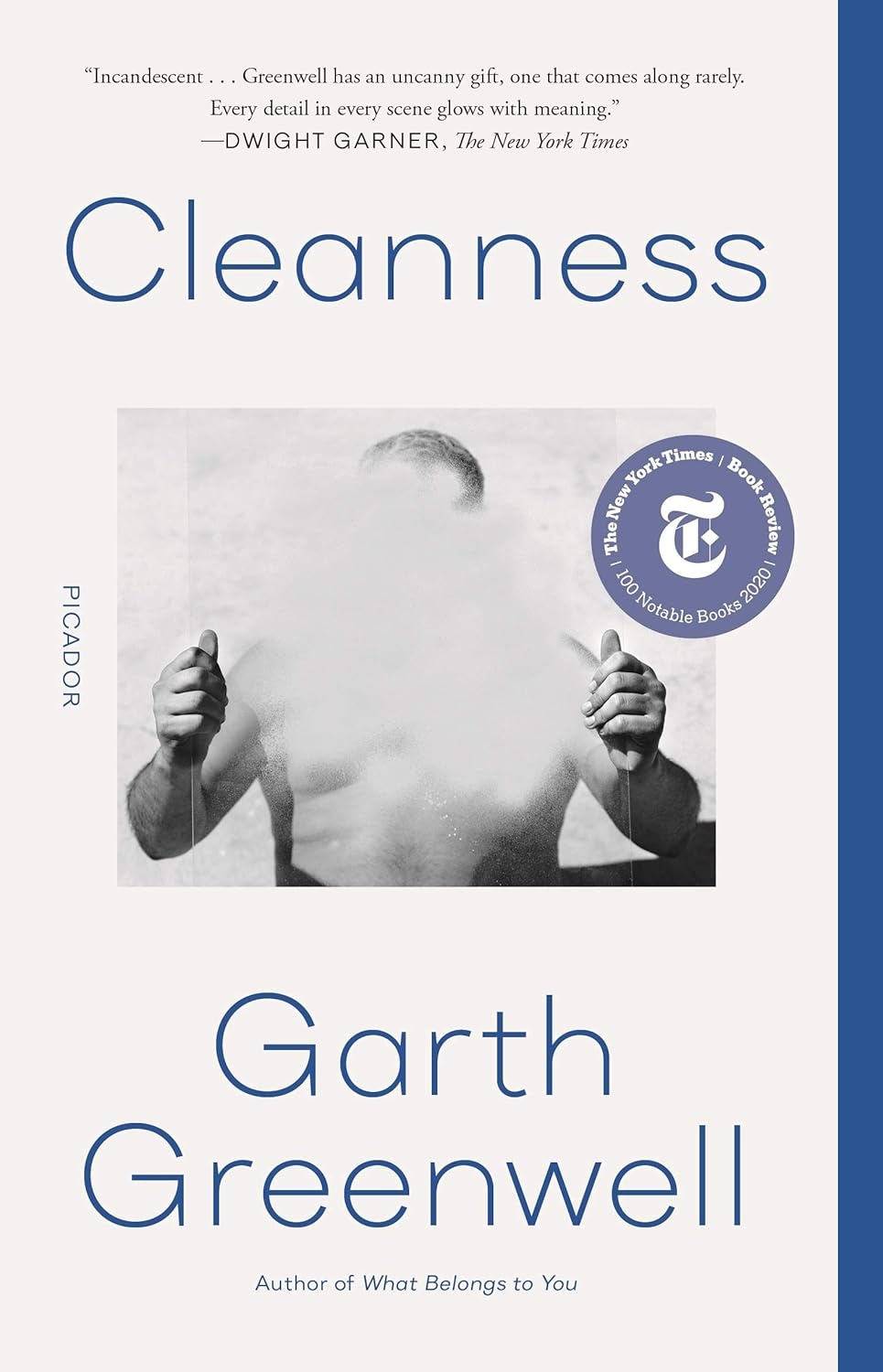
Cleanness

If Outline's episodic confessions revealed identity through strangers' voices, Cleanness dissects selfhood through desire's fleeting encounters. Garth Greenwell delivers the same elegant restraint and psychological precision, transforming banality into revelation without saccharine resolution. This is fiction for readers who crave intellectual emotionalism over plot-driven comfort.

Cover of Crossroads

Crossroads

If Playworld hooked you with its brutal honesty about modern masculinity and the absurdity of urban pretensions, you're craving more stories that skewer societal hypocrisies through flawed protagonists spiraling into existential crises. The dark humor and psychological depth that made Ross's novel a cathartic escape from sanitized narratives echo in Crossroads by Jonathan Franzen, delivering the same unapologetic probe into family power struggles and moral ambiguity. This is for readers tired of polite fiction—dive into the mess of human frailty and cultural critiques that refuse easy resolutions.

Cover of Hurricane Season

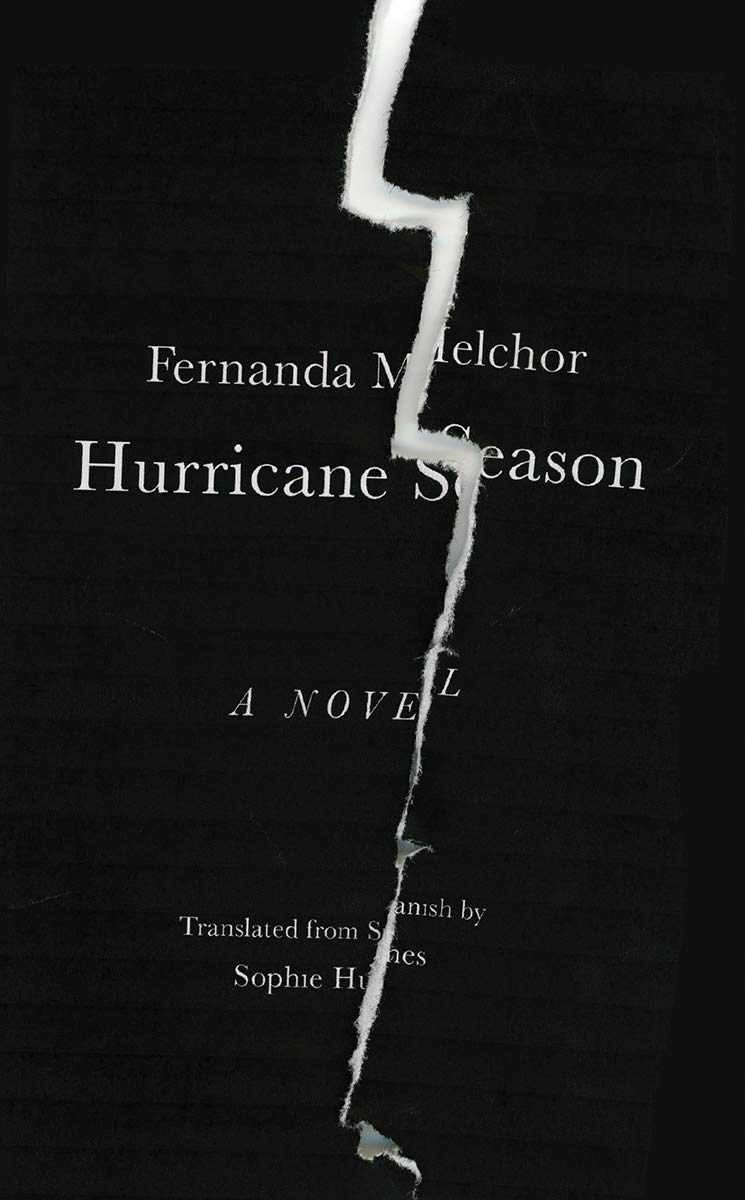
Hurricane Season

Lapvona fans who loved Moshfegh's medieval depravity as unflinching diagnosis of human baseness: Melchor's Mexican village delivers the same clinical dissection, where superstition and brutality corrode community with surgical precision. Grotesque horror isn't shock—it's the scalpel exposing what faith and power leave behind, served with the dark humor and pathetic resilience you can't stop watching.

Cover of Kim Jiyoung, Born 1982

Kim Jiyoung, Born 1982

Kawakami stripped away the gloss on women's bodies and class wounds—Cho Nam-Joo does the same through Seoul's crushing gender machinery. This is the unglamorous feminist fiction that catalogues microaggressions into structural rage, testimony without therapy-speak, where a woman's entire biography becomes evidence against the culture that shaped her.

Cover of Liars

Liars

All Fours gave you permission to be messy, horny, and disillusioned in midlife—to refuse the script of graceful aging and marital contentment. If July's motel detour felt like a confession you'd been waiting to hear, you're ready for fiction that doubles down on domestic rage and the dailiness of erasure. Raw, fragmented, and unapologetically truthful: this is literature for women who've stopped performing gratitude.

Cover of The Makioka Sisters

The Makioka Sisters

You devoured Dream of the Red Chamber for its sprawling Jia clan drama, where tea ceremonies masked deeper existential dread and romantic entanglements exposed societal hierarchies. The Makioka Sisters delivers that addictive immersion into a fading elite family, weaving sibling rivalries and marital negotiations with subtle reflections on tradition versus modernity. It's the ultimate follow-up for fans hooked on psychological fragility, aristocratic decay, and unflinching critiques of gender roles in a changing world.

Cover of The Most Fun We Ever Had

The Most Fun We Ever Had

Commonwealth hooked you because it refused to pretty up family dysfunction—just sprawling timelines, simmering resentments, and characters too flawed to play hero. You loved how Patchett traced infidelity's long shadows without moralizing, letting childhood wounds echo into messy adulthoods with wry humor cutting through the heartache. That hunger for truthful, multi-generational chaos deserves more.

Cover of The Vanishing Half

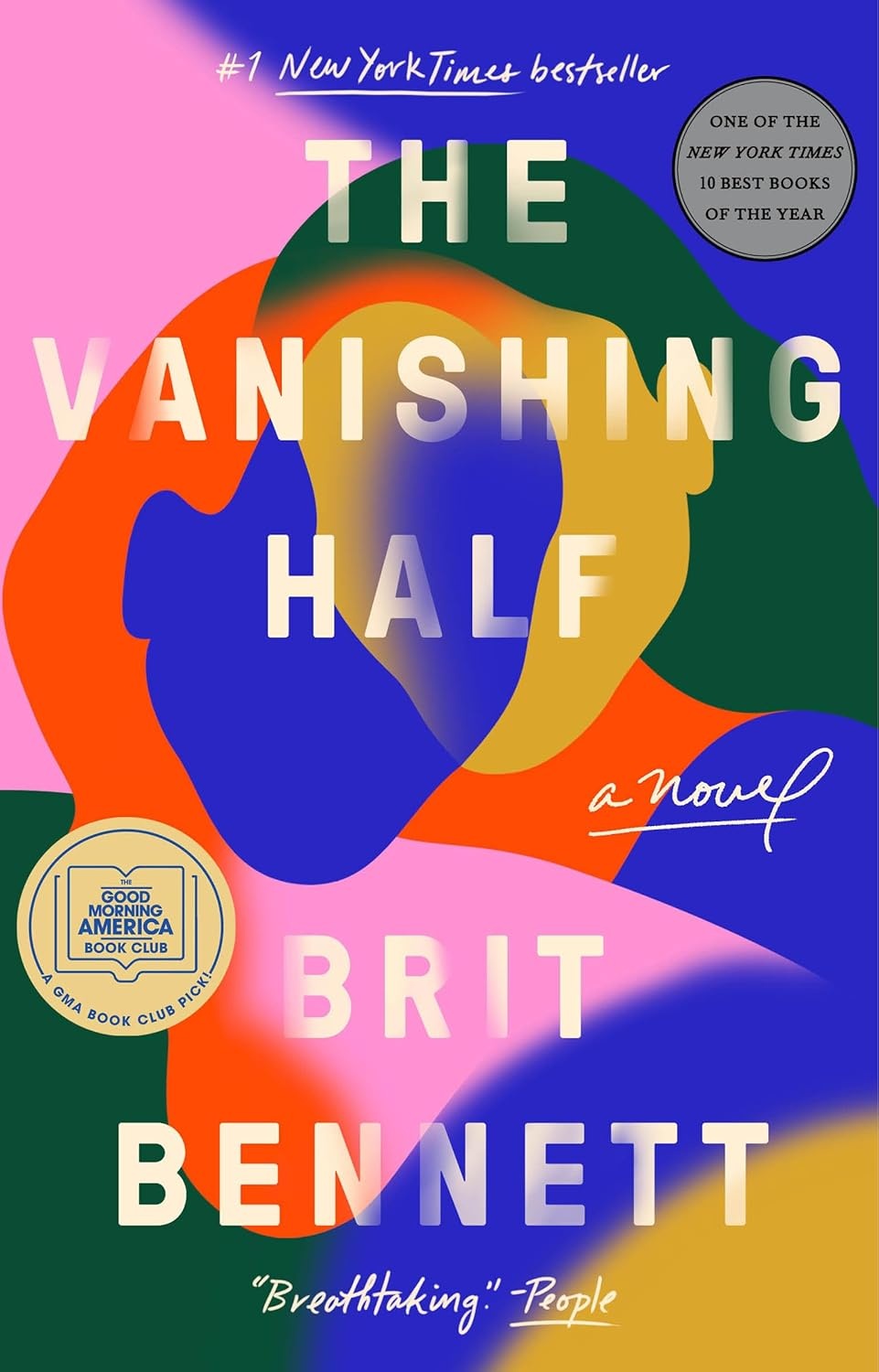
The Vanishing Half

You fell for the savage intimacy of Elena and Lila because it refused to sanitize female bonds—the envy, the devotion, the intellectual warfare that felt like survival itself. You craved prose that dissected class betrayal and ambition without flinching, where brilliance in women became both weapon and wound. If that fever-pitch intensity left you hungry for more stories that expose the raw cost of reinvention and loyalty, you're not done yet.

Cover of Trust

Trust

If Careless People's unflinching dissection of how ambition corrodes idealism left you hungry for more—its dark humor puncturing elite hypocrisy, its refusal to offer tidy moral verdicts—you need narratives that turn financial empires into psychological crime scenes. Books that dare you to sort truth from spin while watching characters rationalize their way from principles to power, all rendered with the wit and intellectual thrill that made you fall for Wynn-Williams' no-holds-barred critique.

Cover of Trust

Trust

If Benjamín Labatut's 'When We Cease to Understand the World' hooked you with its feverish fusion of historical fact and speculative madness, probing the dark psyches of flawed geniuses without judgment, then Hernan Diaz's 'Trust' will electrify you with nested narratives that blur reality and invention in the world of financial titans. Feel that same lingering philosophical unease as moral ambiguities unfold through unreliable voices, turning economic empires into a mesmerizing labyrinth of power and illusion. It's the ultimate fix for readers who thrive on intellectual rigor and narrative surprises that challenge everything you thought you knew.

Cover of Waiting for the Barbarians

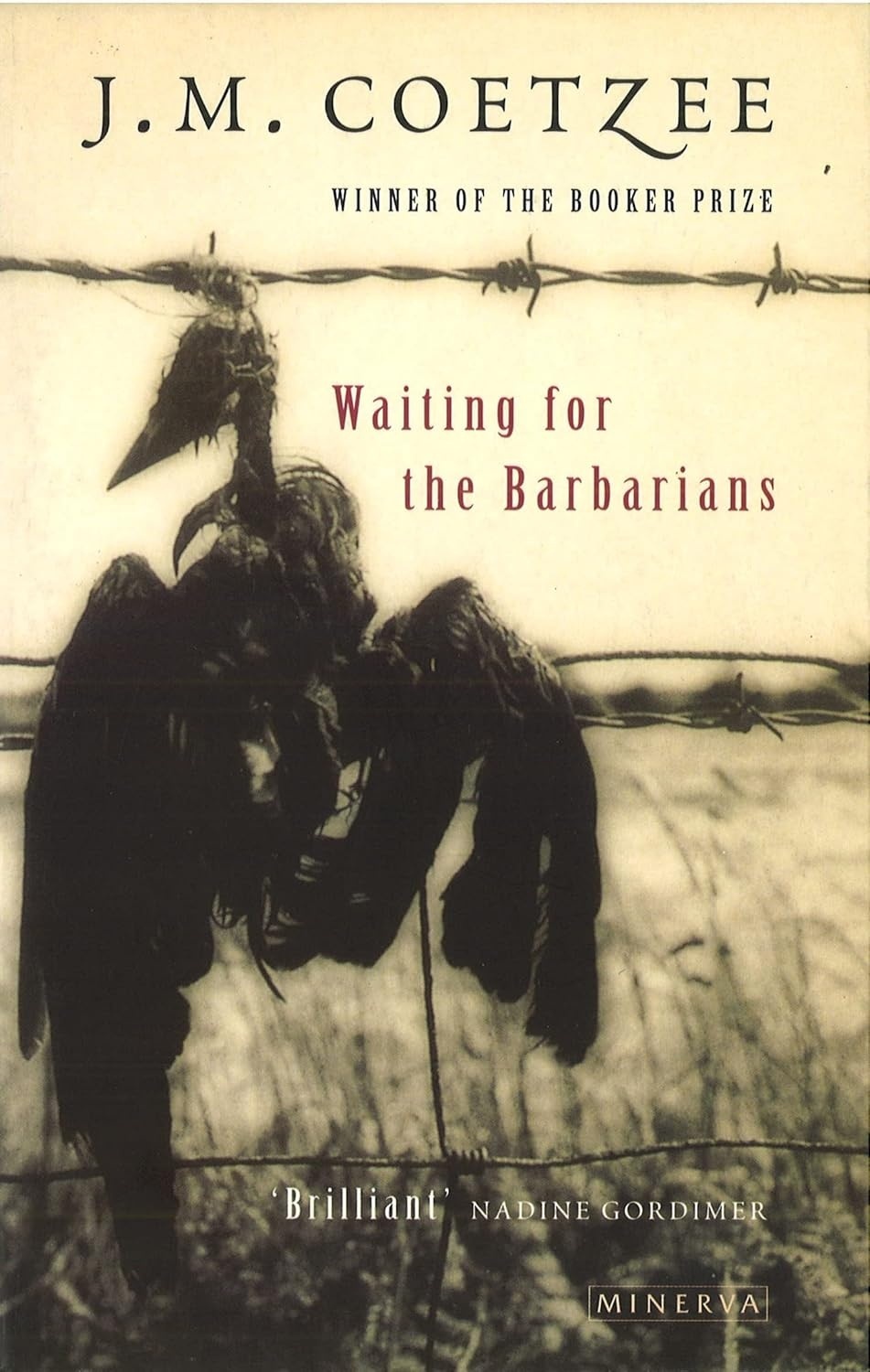
Waiting for the Barbarians

Graham Greene's The Quiet American captivated you with its raw exposure of ideological clashes, where cynical detachment meets naive idealism amid colonial turmoil and human betrayal. Fans crave that blend of atmospheric prose and ethical dilemmas, stripping away illusions of empire without easy answers. For a haunting follow-up, J.M. Coetzee's Waiting for the Barbarians echoes this with a magistrate's torment in a frontier of hypocrisy, amplifying the critique of power's folly.