Get book recommendations that actually understand why you liked something. Built for readers who know why a book worked.

Essays/Criticism Book Recommendations

Browse 24 hand-picked essays/criticism book recommendations matched by tone, themes, pacing, character dynamics, and what to read next after books you already love.

Essays/Criticism
Cover of Everything's Trash, But It's Okay

Everything's Trash, But It's Okay

If you loved Arsenio Hall's refusal to polish over contradictions and his insider gossip delivered with perfect comedic timing, Phoebe Robinson gives you that same after-the-cameras-cut energy in punchy essay form. You'll get quick pivots from nostalgia to sharp cultural critique, the kind of frank race-and-identity conversations that don't flinch, and bingeable chapters that replicate that one-more-segment compulsion—all while balancing laugh-out-loud moments with genuinely reflective reckonings about what pop culture actually costs.


Cover of Hood Feminism

Hood Feminism

You loved Untamed's permission to stop performing—now Hood Feminism hands you the blueprint for what comes after. Mikki Kendall dismantles glossy book-club feminism with the same unflinching honesty Doyle brought to breaking cages, but here the wild animal is intersectional rage that centers food insecurity, healthcare deserts, and survival—not just self-actualization. This is empowerment as infrastructure, not aesthetic.

Cover of I Dream of Dinner (So You Don't Have To)

I Dream of Dinner (So You Don't Have To)

Alison Roman's 'Something from Nothing' hooked you with its snarky rebellion against kitchen pretensions, turning humble pantry staples into impressive feasts for busy lives. Now, 'I Dream of Dinner (So You Don't Have To)' by Ali Slagle amps up that irreverent vibe with quick, eco-smart recipes that validate your chaotic schedule and make weeknight meals a fun, guilt-free win. It's the ultimate follow-up for anti-elitist foodies craving more relatable cynicism and effortless bold flavors.

Cover of Minor Feelings

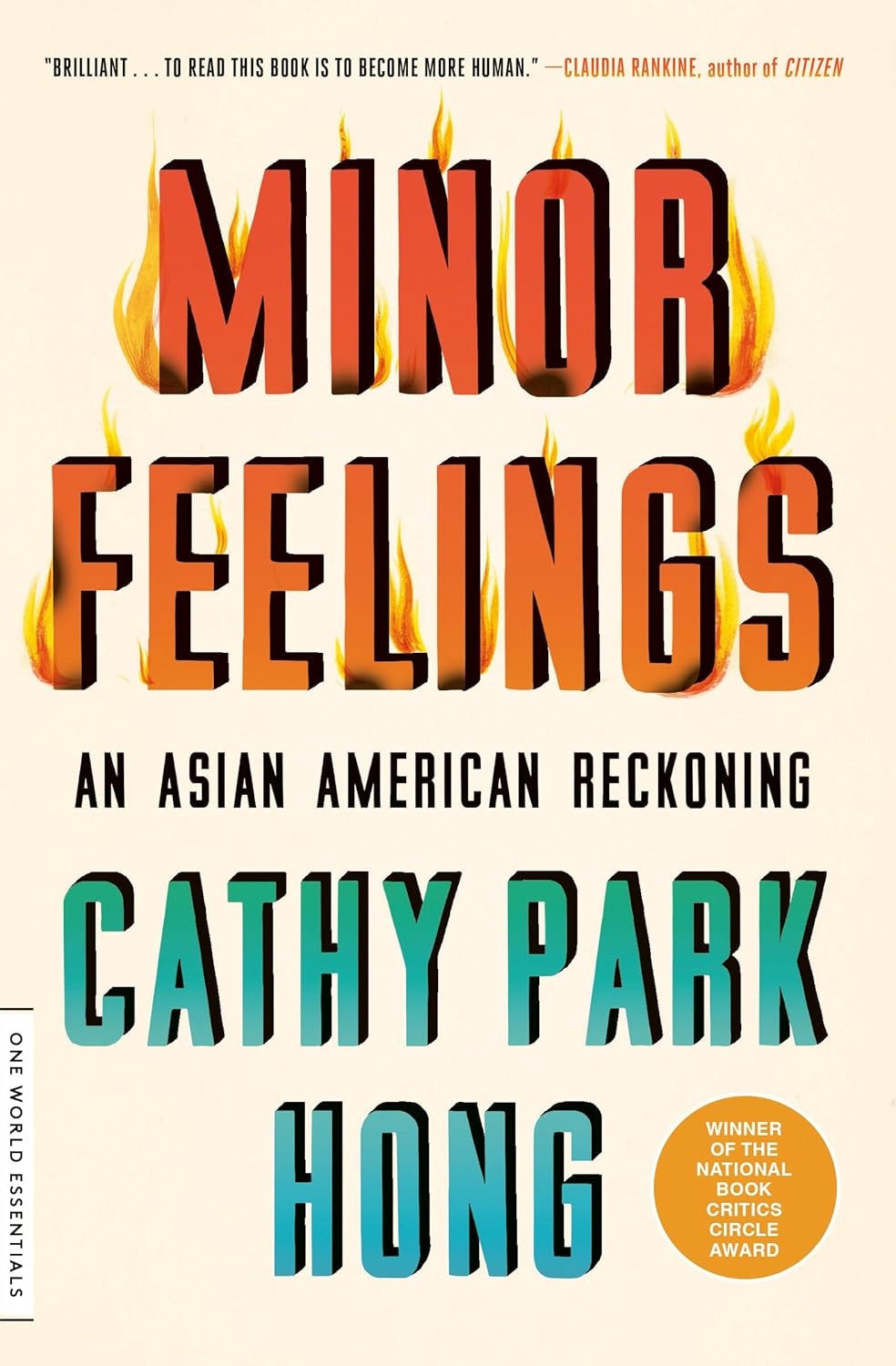
Minor Feelings

Crying in H Mart gutted you with its unflinching portrait of grief, kalbi as memory, and the specific loneliness of straddling two worlds. If you're still craving that bicultural vertigo—the kind that names what immigrant families won't say out loud—these essays weaponize art and poetry the same way Zauner wielded banchan: as anchors for displacement, generational fractures, and the invisibility that festers beneath model minority myths.

Cover of Monsters

Monsters

If Nemhauser's dive-bar confessions felt like the only honest voice in a world drunk on performative outrage, Dederer doubles down with essays that eviscerate our worship of broken geniuses. She dissects our hunger for monsters—Polanski, Picasso, Michael Jackson—with the same deadpan brutality you craved, refusing redemption arcs or moral comfort while admitting we stream the predator's film anyway, laughing at our own hypocrisy without begging forgiveness.

Cover of People Love Dead Jews

People Love Dead Jews

If When We See You Again gave you permission to rage at a world that mourns dead Jews while abandoning living ones, Dara Horn delivers the essay collection that names every betrayal you've swallowed in silence. She dismantles the fetishization of Jewish suffering with Talmudic precision and maternal fury, exposing how progressives, institutions, and even fellow Jews prefer their Judaism museumified, tragic, and conveniently past-tense.

Cover of Postcolonial Love Poem

Postcolonial Love Poem

Amanda Gorman showed you poetry could be both wound and anthem. Natalie Diaz proves it can also be hunger—where desire and dispossession collide, where colonialism's violence becomes fierce reclamation through language that refuses to let you look away. This is the book for readers who want their hope laced with urgency.

Cover of Quantum Criminals

Quantum Criminals

John & Paul taught you that the best creative partnerships are messy love affairs played out in chord progressions. You devoured Leslie's refusal to sanitize the jealousy, rivalry, and emotional turbulence that fueled Beatles genius. Now you need another unflinching portrait of two flawed icons who channeled intimacy and volatility into untouchable art.

Cover of Quietly Hostile

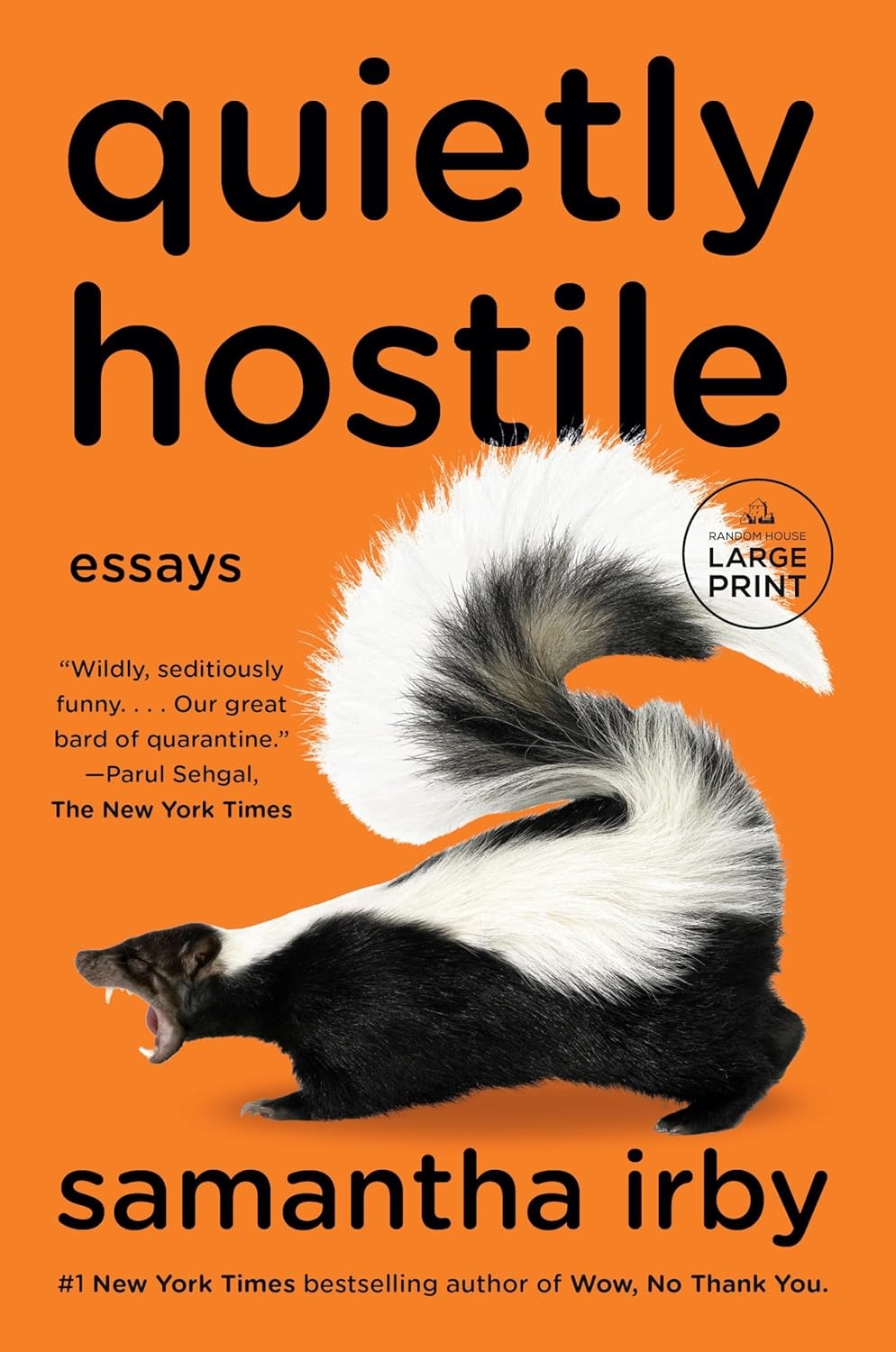
Quietly Hostile

Tanqueray hooked you with its no-holds-barred dive into chaos, scandal, and survival—stories that refused to apologize or polish up the mess. Samantha Irby delivers that same defiant energy with essays that turn social disasters and bodily failures into raunchy comedic gold, swapping inspirational fluff for bar-stool confessions that punch you with truth and make you laugh until you ugly-cry.

Cover of The Book of Delights

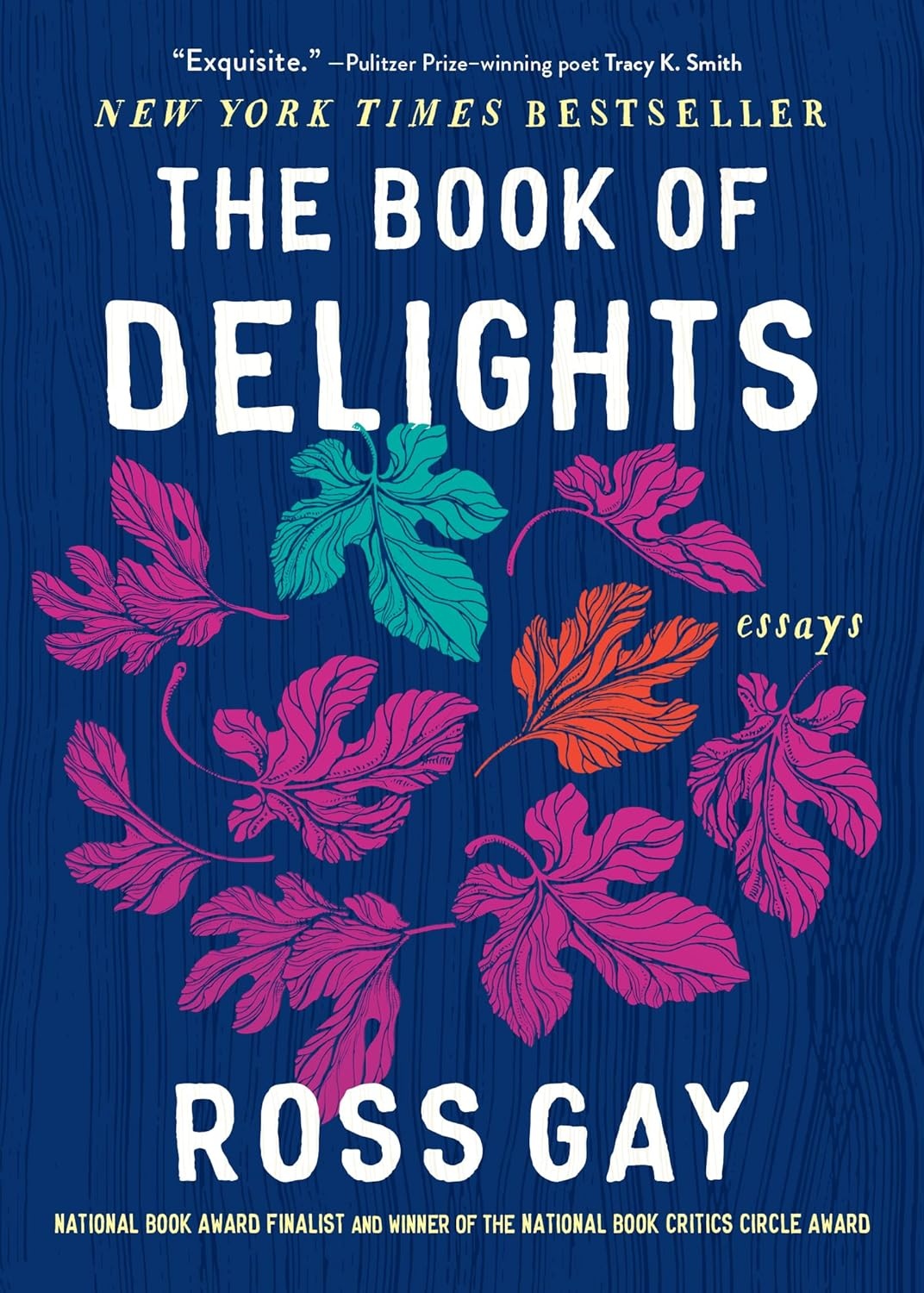
The Book of Delights

John Green taught you to rate the mundane with whimsical precision, finding profundity in trivial subjects while confronting the Anthropocene's contradictions with humor and raw vulnerability. You loved those late-night-conversation essays that made anxiety feel less isolating, that intellectual curiosity without the lecture, that refusal to offer easy answers while making you feel deeply seen in the chaos.

Cover of The Collected Schizophrenias

The Collected Schizophrenias

Loved the gut-wrenching fear of losing your mind in 'Brain on Fire: My Month of Madness'? 'The Collected Schizophrenias' by Esmé Weijun Wang echoes that terror through intimate essays on schizophrenia's mysteries, blending sharp psychological insights with critiques of institutional stigma. It's a resilient, unflinching dive into vulnerability and empowerment that anxious readers crave.

Cover of The I Hate to Cook Book

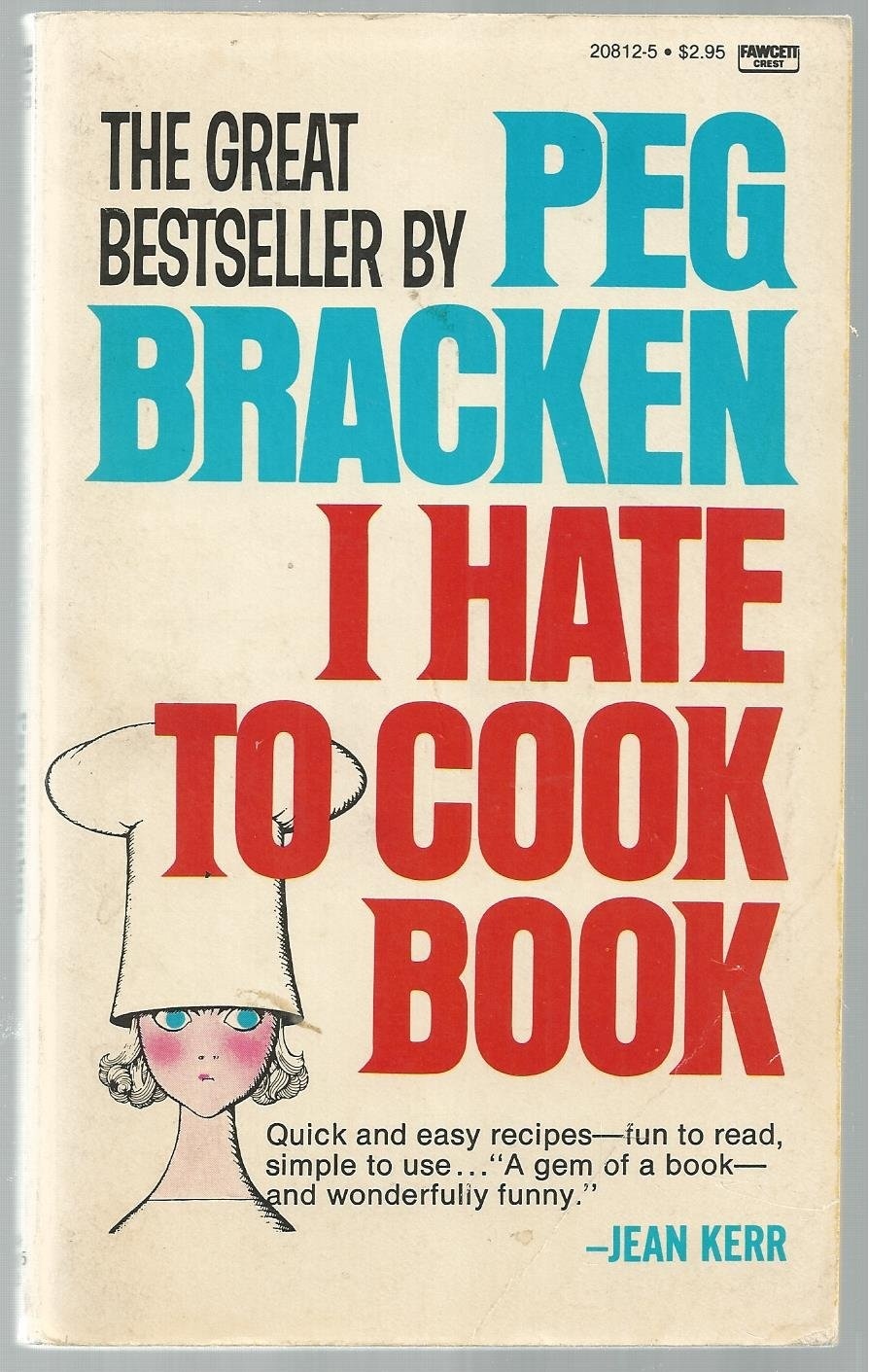
The I Hate to Cook Book

You fell hard for the straightforward, no-fuss recipes in Better Homes and Gardens New Cook Book that turned everyday ingredients into family triumphs, evoking that cozy mid-20th-century kitchen magic. It reinforced those traditional gender roles with witty advice for reluctant cooks, celebrating simple meals that resist fancy trends and promise household harmony. Now, extend that heartwarming humor with The I Hate to Cook Book, a satirical gem packed with easy recipes and domestic satire for your inner nostalgic homemaker.

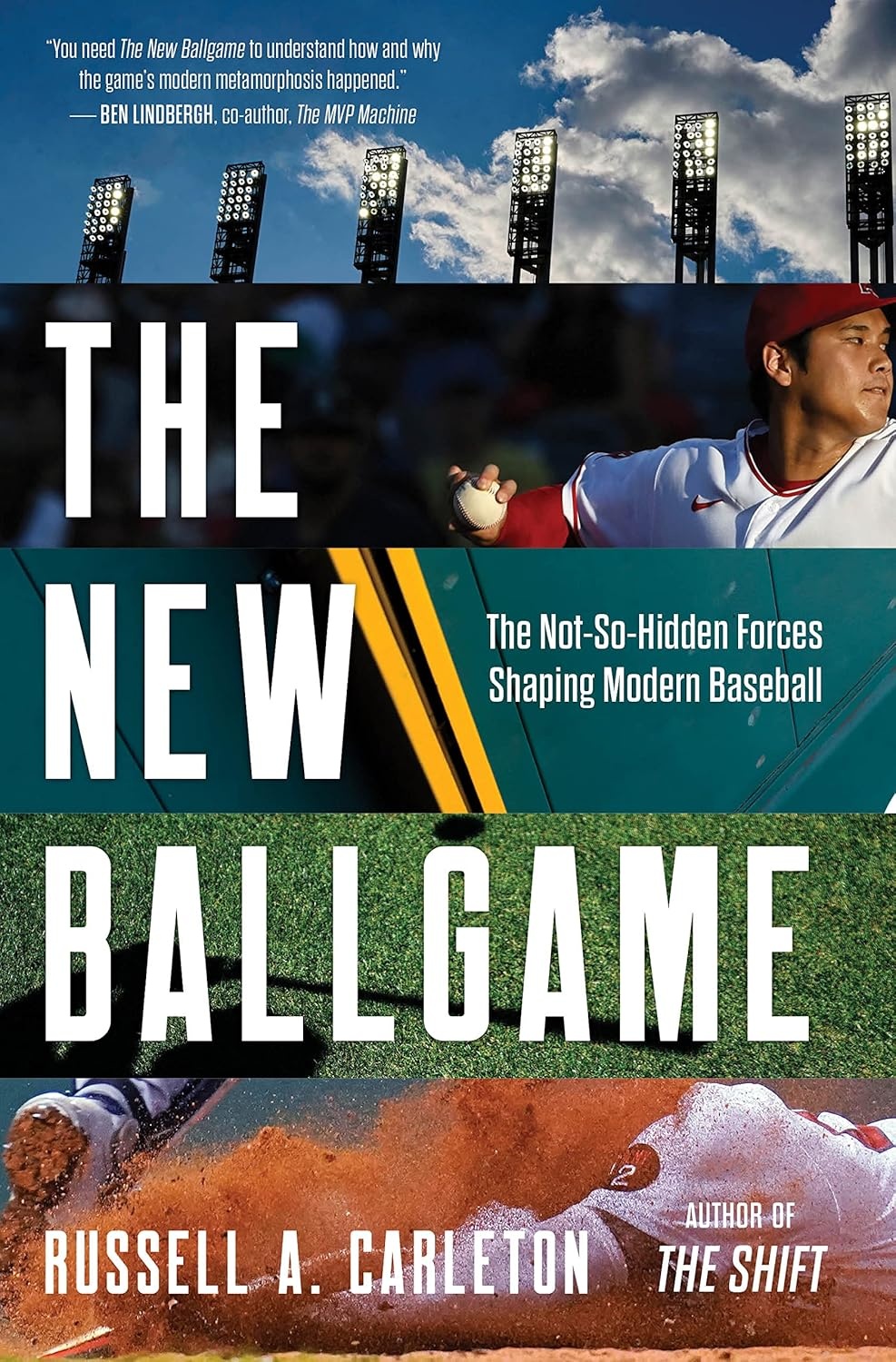
Cover of The New Ballgame

The New Ballgame

If you loved Football's contrarian brilliance—holding the tension between tactical evolution and cultural decline—The New Ballgame does the same for baseball's rule revolution. Pitch clocks, shift bans, and bullpen math dissected with Klosterman-level skepticism, then zoomed out to ask whether optimization is killing the spectacle it was meant to save. Adult, testable, bracingly honest about where the game is heading.

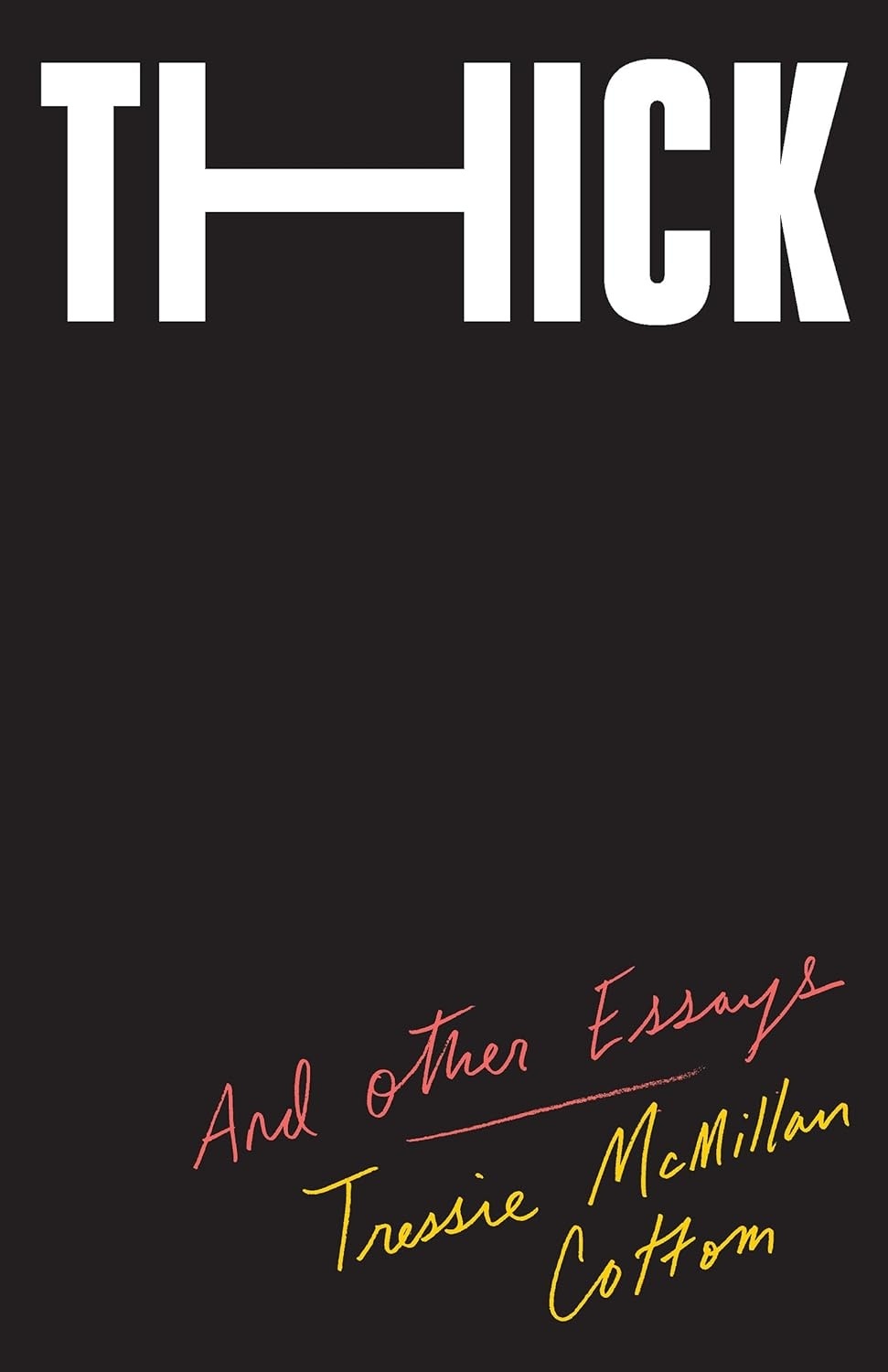
Cover of Thick: And Other Essays

Thick: And Other Essays

If Citizen made you crave literature that refuses comfort, Thick delivers that same visceral punch. Tressie McMillan Cottom dissects beauty politics, capitalism's lies, and systemic violence through essays that fuse academic rigor with gut-level emotion—genre-defying, unflinching, and impossible to shake.

Cover of This Chair Rocks

This Chair Rocks

Aronson diagnosed the broken system; Applewhite hands you the crowbar to dismantle it. This Chair Rocks takes the same clinical rigor and humane fury you craved in Elderhood and weaponizes it into an activist manifesto—naming ageism's intersections with race, class, and gender, then giving you concrete language and strategies to challenge it in families, workplaces, and policy. It's galvanizing, research-backed, and refuses to let anyone off the hook.

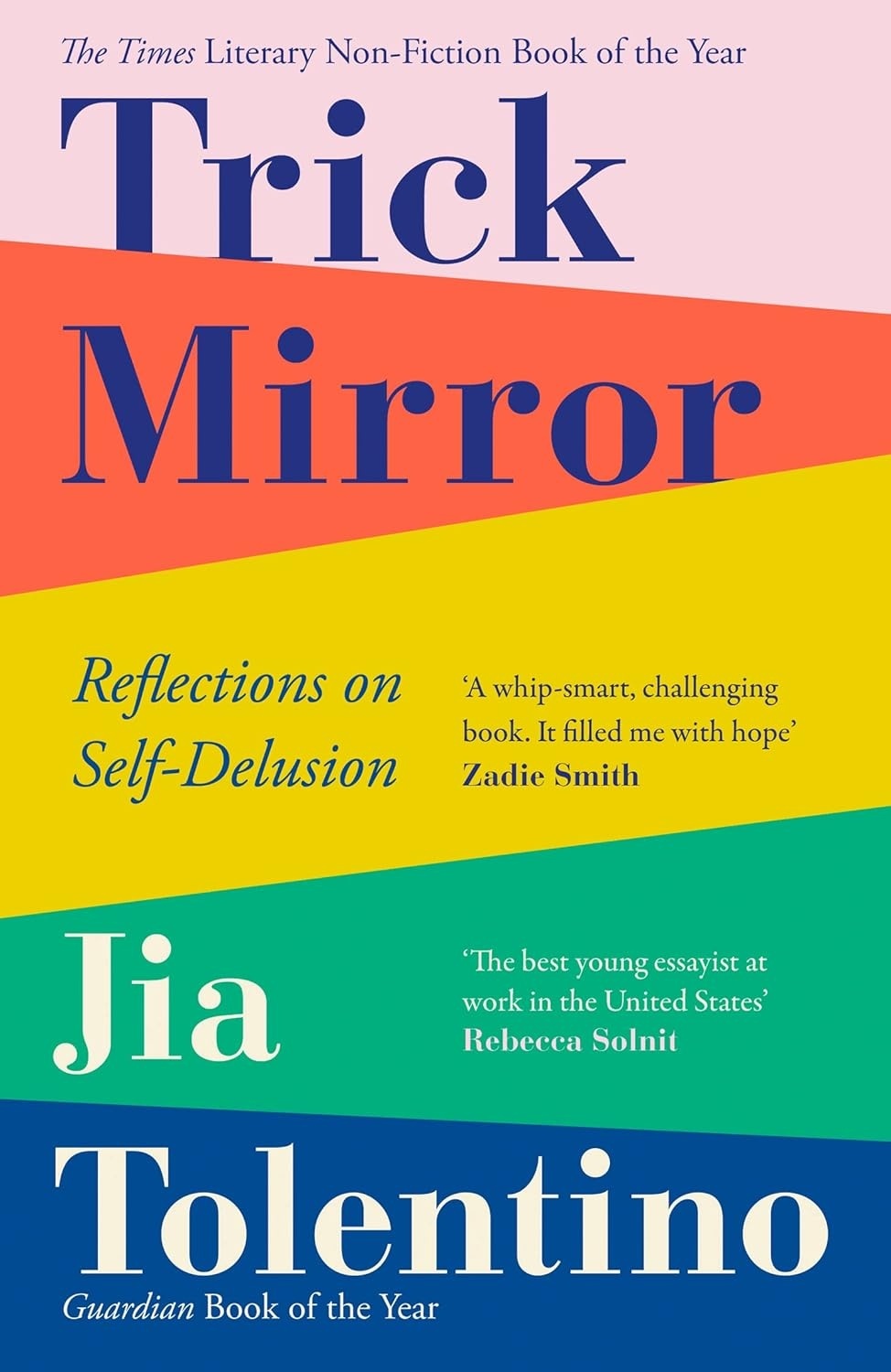
Cover of Trick Mirror

Trick Mirror

Ruby Tandoh gave you permission to reject diet culture's lies and embrace food's chaotic joy. Now find that same righteous fury applied to Instagram fakery, boutique fitness cults, and the self-optimization traps we can't escape—all with the intimate honesty of a 2 a.m. text from your wittiest friend who sees through every scam.

Cover of Trick Mirror

Trick Mirror

If you craved how Atwood refused to romanticize progress or sugarcoat patriarchal undercurrents, dissecting personal history with wry precision and zero fluff—you're ready for essays that turn the same surgical blade on our digital delusions. The fragmented honesty, the intellectual bite, the validation of quiet rebellion against borrowed ideals: all here, aimed at the absurdities we curate in the age of performative wokeness.

Cover of Unlikable Female Characters: The Women Pop Culture Wants You to Hate

Unlikable Female Characters: The Women Pop Culture Wants You to Hate

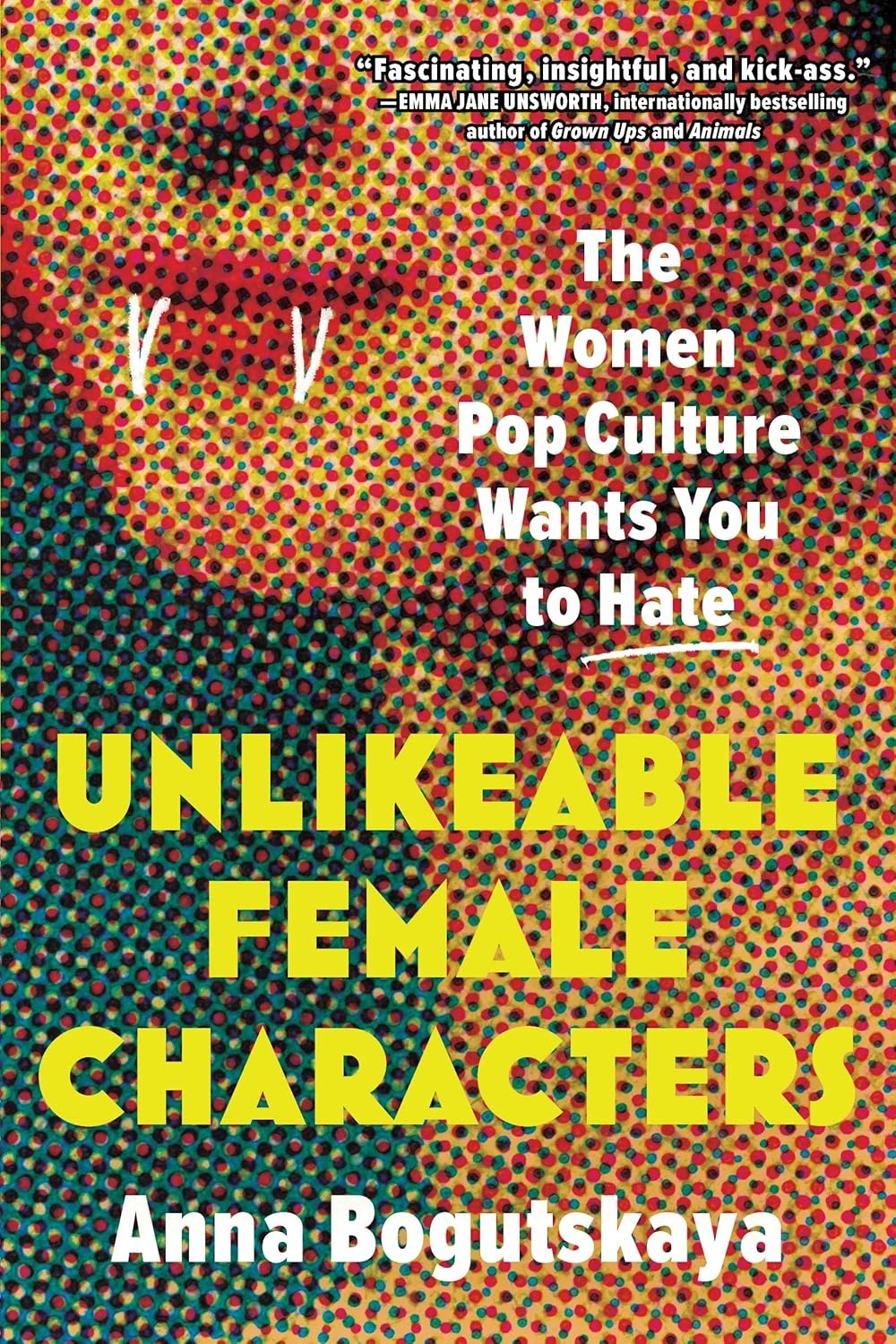
Sophie Gilbert showed you how pop culture weaponizes women against each other—now go deeper. If you craved that fearless takedown of rom-com mean girls and reality TV rivalry factories, you need the book that excavates every archetype designed to make ambitious, angry, or complicated women unbearable. It's the same no-sacred-cows energy, the same cathartic fury, with zero empowerment fluff.

Cover of Usual Cruelty

Usual Cruelty

If Framed made you rage at wrongful convictions, Usual Cruelty shows you the routine horrors hiding in every bail hearing and plea deal. A civil rights lawyer's essays strip away the veneer of justice with the same raw honesty and investigative rigor—except here you're exposed to the mundane brutality that doesn't make headlines but destroys lives daily. This is what institutional rot looks like from the inside.

Cover of Wanting

Wanting

If Want let you eavesdrop on anonymous fantasy, Wanting extends the permission—but the voices sign their names. A chorus of essayists swap shock for forensic honesty, exploring why they crave what they crave: aging bodies, kink grammar, poly-curious reflections, and domestic ache across queer, trans, and cis experience. Same nonjudgmental container, same mosaic you can binge, but with prose that gives you language for private wants you didn't know you could speak aloud.

Cover of We Learn Nothing

We Learn Nothing

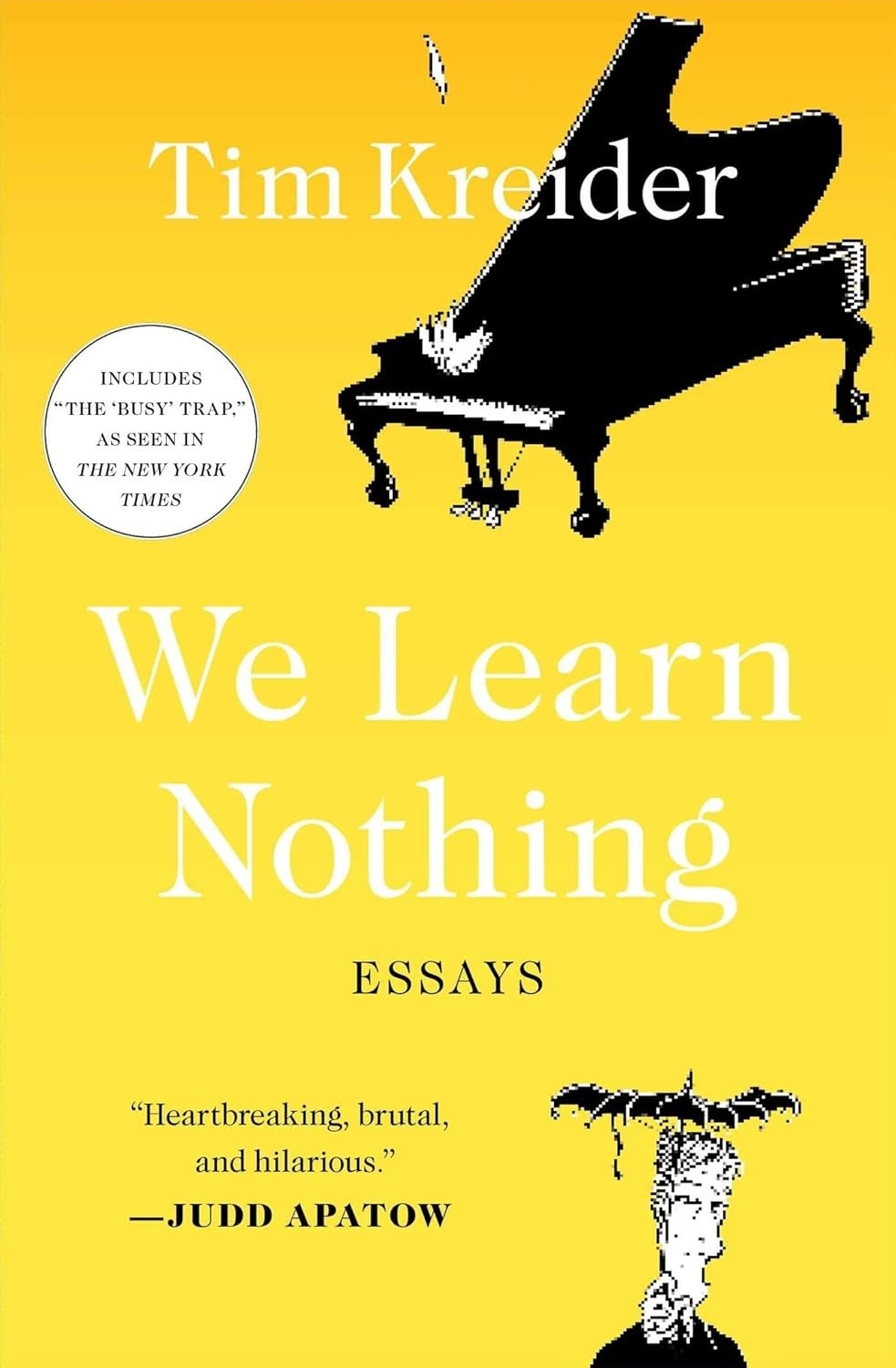
Pulphead hooked you with Sullivan's sharp dives into American absurdity, blending wry humor and eccentric characters in overlooked cultural corners. Tim Kreider's We Learn Nothing echoes that magic, turning personal failures and societal quirks into mythic, melancholy tales with self-deprecating wit. Perfect for overeducated underachievers craving non-preachy insights on identity and irony.

Cover of Wow, No Thank You

Wow, No Thank You

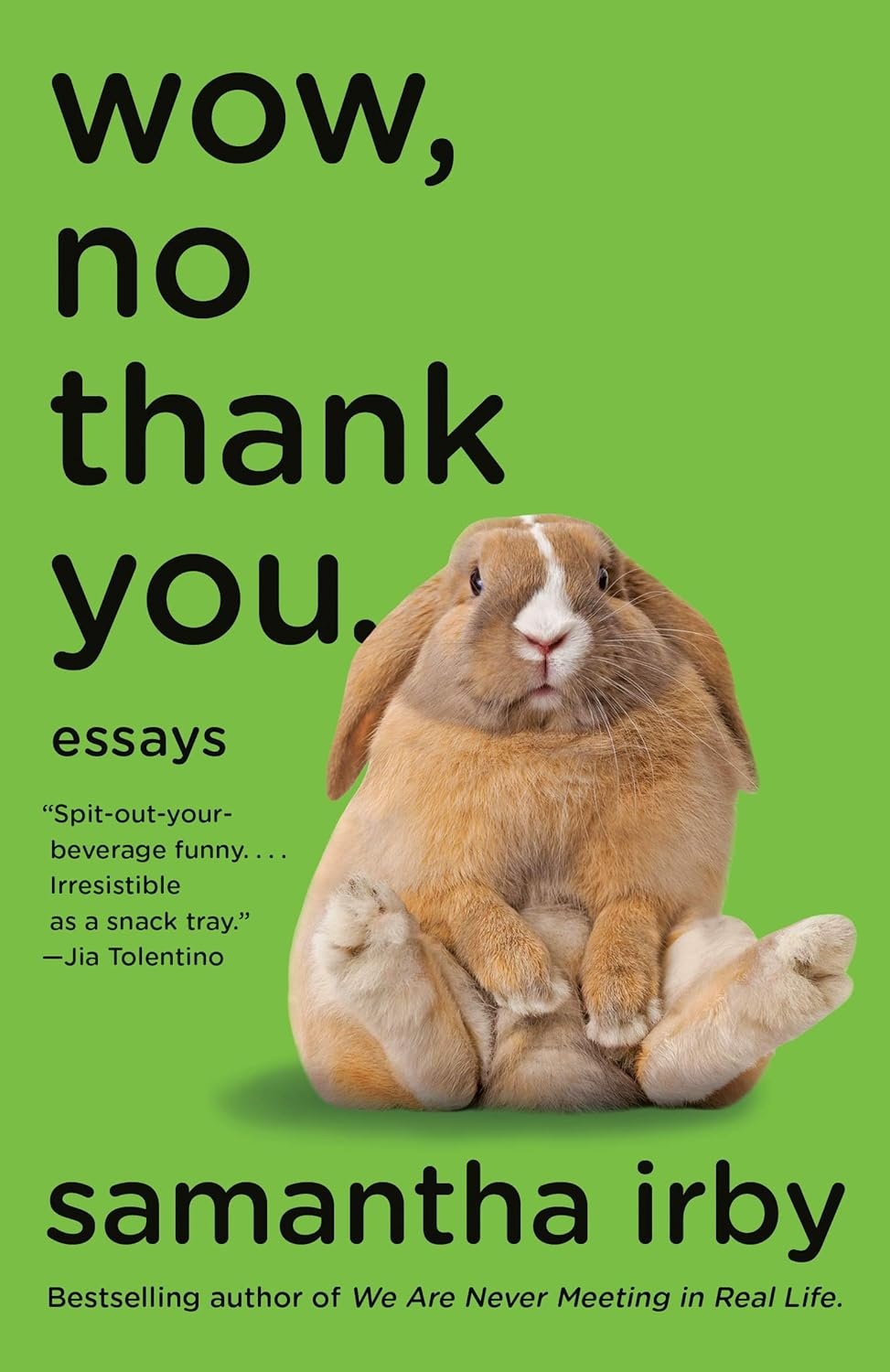
If Dolly Alderton made you feel seen in your messiest romantic disasters and quarter-life spirals, Samantha Irby will validate every chaotic decision you've survived with the same unflinching honesty about bodies, bad dates, and the friendships that actually show up when love implodes. This is brutally funny personal wreckage that celebrates platonic bonds over romantic delusions, skewering millennial anxieties without pretending therapy fixed everything or adulthood means having answers instead of better jokes.

Cover of Wow, No Thank You.

Wow, No Thank You.

If David Sedaris's Naked had you cackling at unflinching self-exposure and family oddballs, you'll adore this follow-up's raw dive into personal neuroses and awkward urban mishaps. Samantha Irby's Wow, No Thank You. mirrors that episodic charm with eccentric characters and biting sarcasm skewering suburbia's absurdities. It's the perfect cathartic laugh for self-loathing intellectuals craving dark comedy without the preachiness.

Cover of Wow, No Thank You.

Wow, No Thank You.

If Elyse Myers' 'That's a Great Question, I'd Love to Tell You' had you ugly-laughing at relatable failures and mental health hiccups, you're in for a treat with books that echo that self-deprecating vibe. Dive into hilarious takes on bad dates, body image woes, and millennial adulting that feel like venting to your best friend. These recommendations turn everyday disasters into empowering comedy gold, proving the hot mess life is totally valid.