Science Fiction Meets Science
Each reading path is curated by NextBookAfter Editors around tone, themes, pacing, character dynamics, and the specific reader payoff that carries from one book to the next. Read the recommendation methodology.
1. For Cosmic Strategy With Teeth
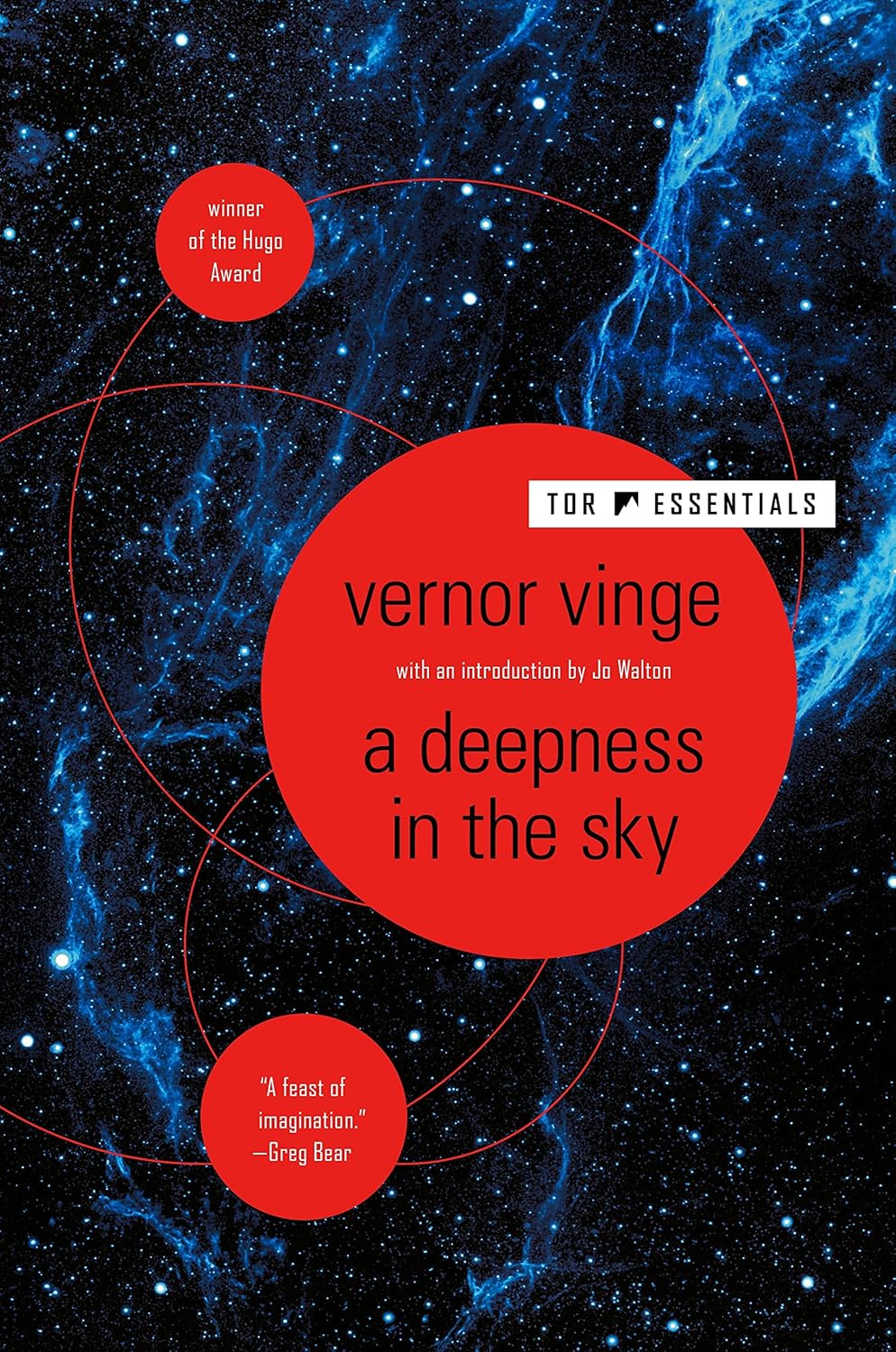
A Deepness in the Sky is an easy recommendation if The Dark Forest fans land here first: Vernor Vinge understands that the most frightening thing in space is often a patient mind with enough data. The novel turns first contact, trade, and orbital logistics into a tense study of strategic intelligence under pressure, which scratches the same cold, analytic itch without merely replaying Liu Cixin's moves.
What keeps it lively is the human mess folded into all that rigor. You get interstellar conflict, reluctant geniuses, and problem-solving that feels earned rather than conveniently cinematic, all while the book keeps nudging at the same bleak question: what does survival cost when the universe is not remotely sentimental?
- Cold strategy
- First contact
- Big-idea dread
2. For Readers Who Like Their Space Opera Overqualified
A Deepness in the Sky also works beautifully after The Dreaming Void, especially if what you loved was the sense that every technological assumption had been argued through before it hit the page. Vinge builds a universe of interstellar politics, cryosleep economics, and alien complexity that feels less like hand-waving and more like world-building with a slide rule.
It is a long book, yes, but not in the baggy way. The payoff comes from watching morally compromised people make clever, awful, and occasionally admirable choices inside a system that is much larger than they are, which is precisely the sort of scientific imagination that can carry an epic narrative without losing its nerve.
- Epic rigor
- Space politics
- Alien mystery
3. For Xenobiology With a Mean Streak
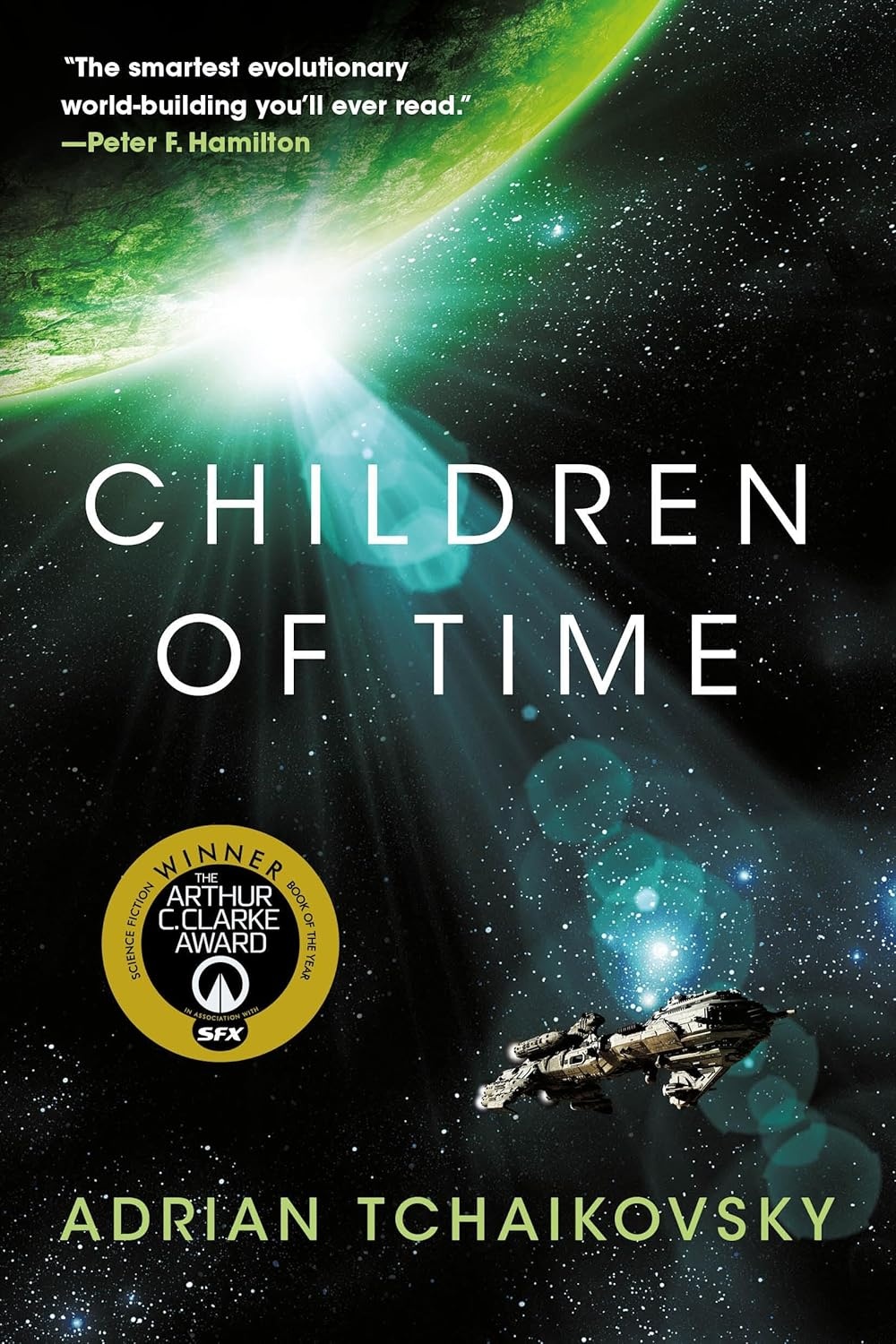
Children of Time is the obvious move after Blindsight if you are chasing that queasy thrill of realizing intelligence may not look, think, or value anything like us. Adrian Tchaikovsky trades Watts's surgical chill for evolutionary sweep, but the appeal is the same: science used to dismantle human exceptionalism, one unnerving revelation at a time.
The book is brisk where Blindsight can be deliberately punishing, yet it never cheapens the ideas. Instead, it turns xenobiology, adaptation, and long-view speculation into a story with real momentum, making it perfect for readers who want philosophical depth and cosmic unease without giving up narrative propulsion.
- Alien minds
- Evolutionary awe
- Philosophy first
4. For Slow-Burn Mystery on a Biological Clock
Children of Time is also a smart handoff from Revelation Space, because both books understand the pleasure of uncovering a cosmos that has been busy becoming strange without asking our permission. Tchaikovsky shifts the emphasis from Reynolds's vast archaeological dread toward evolution and emergence, but the through-line is wonderfully clear: human hubris meets systems that do not care.
That makes this recommendation feel less like a genre pivot and more like a refinement. You still get existential scale, alien intelligence, and a slow accumulation of oh-no implications, only here the science focus lands in life systems and inherited consequences rather than purely relativistic machinery.
- Cosmic awe
- Human hubris
- Slow mystery
5. For Wit, Bureaucracy, and Very Bad Galactic Timing
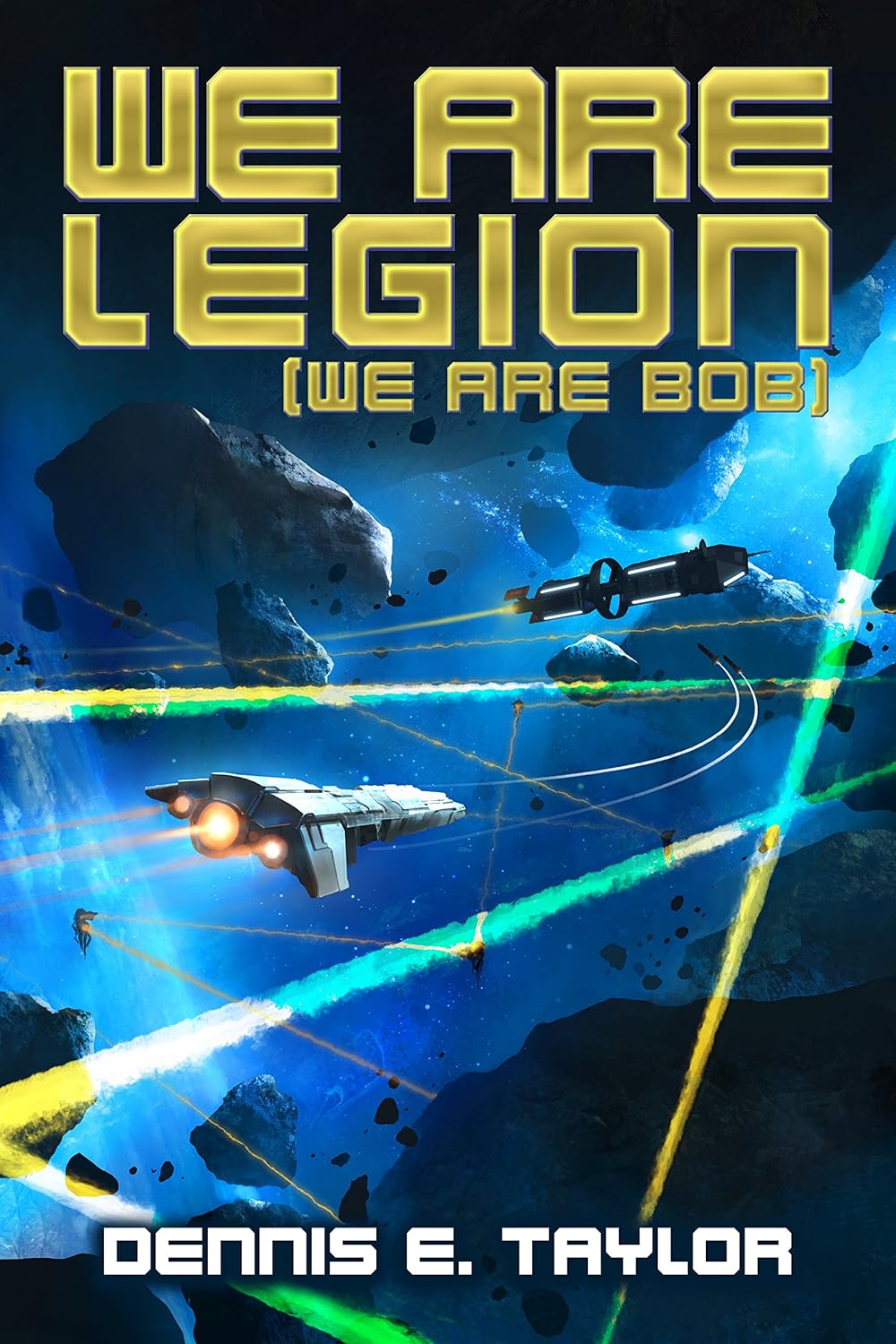
We Are Legion (We Are Bob) is what to pick after The Last Colony when you want the science-fiction ideas to stay sharp but the tone to stop glaring at you across the room. Dennis E. Taylor keeps the space-opera scale, ethical quandaries, and institutional absurdity, then adds an AI protagonist whose running commentary gives the whole enterprise a welcome jolt of problem-solving with a smirk.
That lighter voice is not a dodge. It is part of why the engineering, exploration, and replicating-into-trouble premise works so well: the book stays accessible while still delivering enough real technical texture to satisfy readers who like their fun with at least a passing nod to physics.
- Snarky science
- AI adventure
- Fast pacing
6. For Competence-Porn With Orbital Mileage
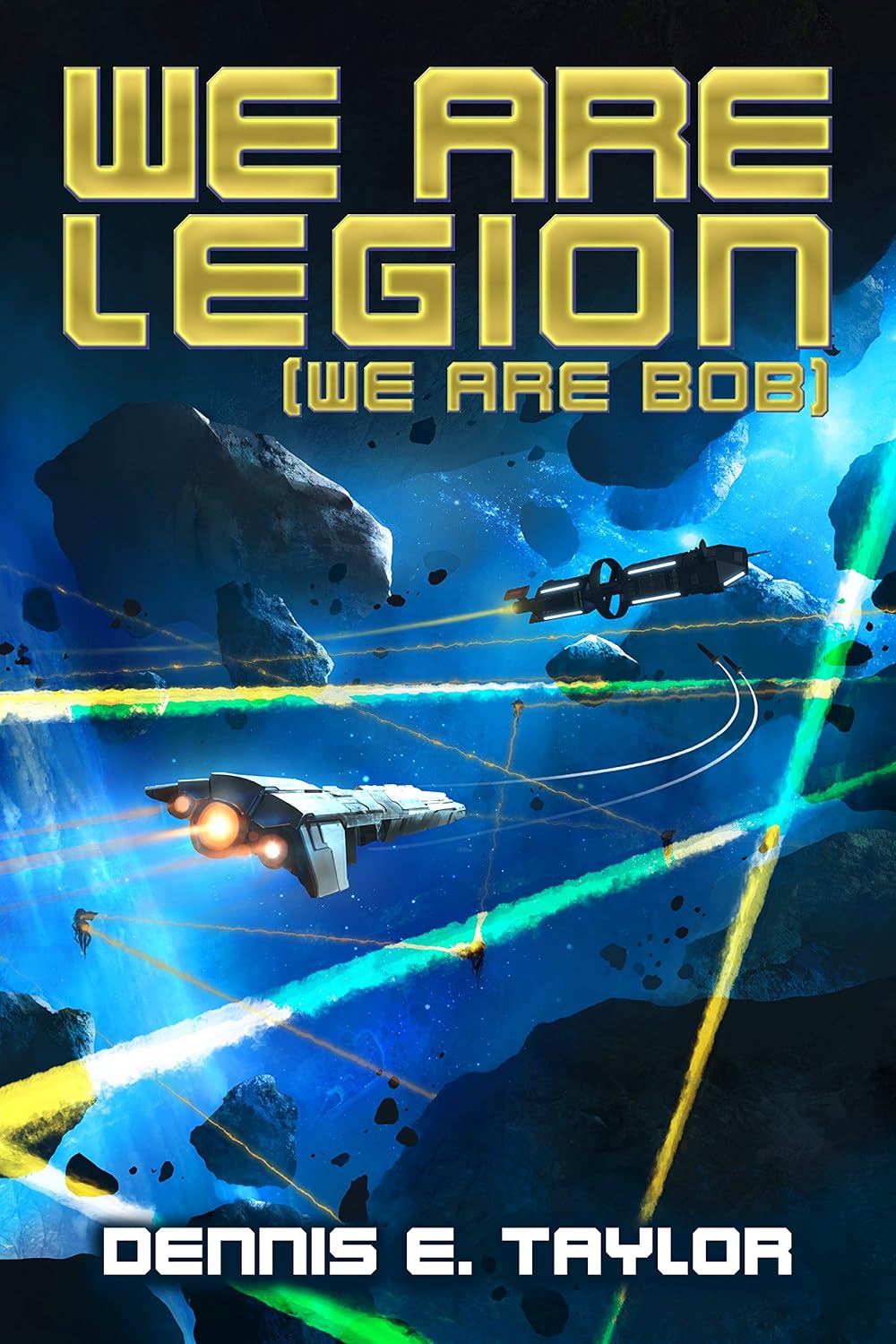
We Are Legion (We Are Bob) makes perfect sense after The Martian because both books know that a resourceful narrator can make technical detail feel like entertainment rather than homework. Taylor takes Andy Weir's love of clever fixes and pushes it outward into interstellar exploration, giving you engineering-minded optimism at cosmic scale.
It is a warmer finish for this list, but not a softer one. The science still matters, the jokes still arrive under pressure, and the pleasure still comes from watching intelligence improvise its way through impossible constraints, which is really the through-line of this whole little shelf of books.
- Witty voice
- Tech triumphs
- Optimistic scope
Want more of this exact flavor: hard science, strange minds, and plots powered by clever people making dubious but fascinating decisions? Follow the catalog links above to compare tones, tags, and adjacent picks without starting from scratch.