Literary Fiction Meets Psychological
Each reading path is curated by NextBookAfter Editors around tone, themes, pacing, character dynamics, and the specific reader payoff that carries from one book to the next. Read the recommendation methodology.
Sunburn: identity as scorched earth
Sunburn picks up where The Adult dared to leave you: inside the fever dream of queer becoming where every joke hides a bruise. Chloe Michelle Howarth lets Natalie misread every room, wielding dark humor and unreliable narration until desire itself feels like a hallucination.
The pull? Watching self-deception play chicken with tenderness while the coastal Irish backdrop goes from postcard to pressure cooker. That raw exposure primes you for family secrets simmering beneath the next stop.
- Lesbian Desire
- Psych Drama
- Dark Humor

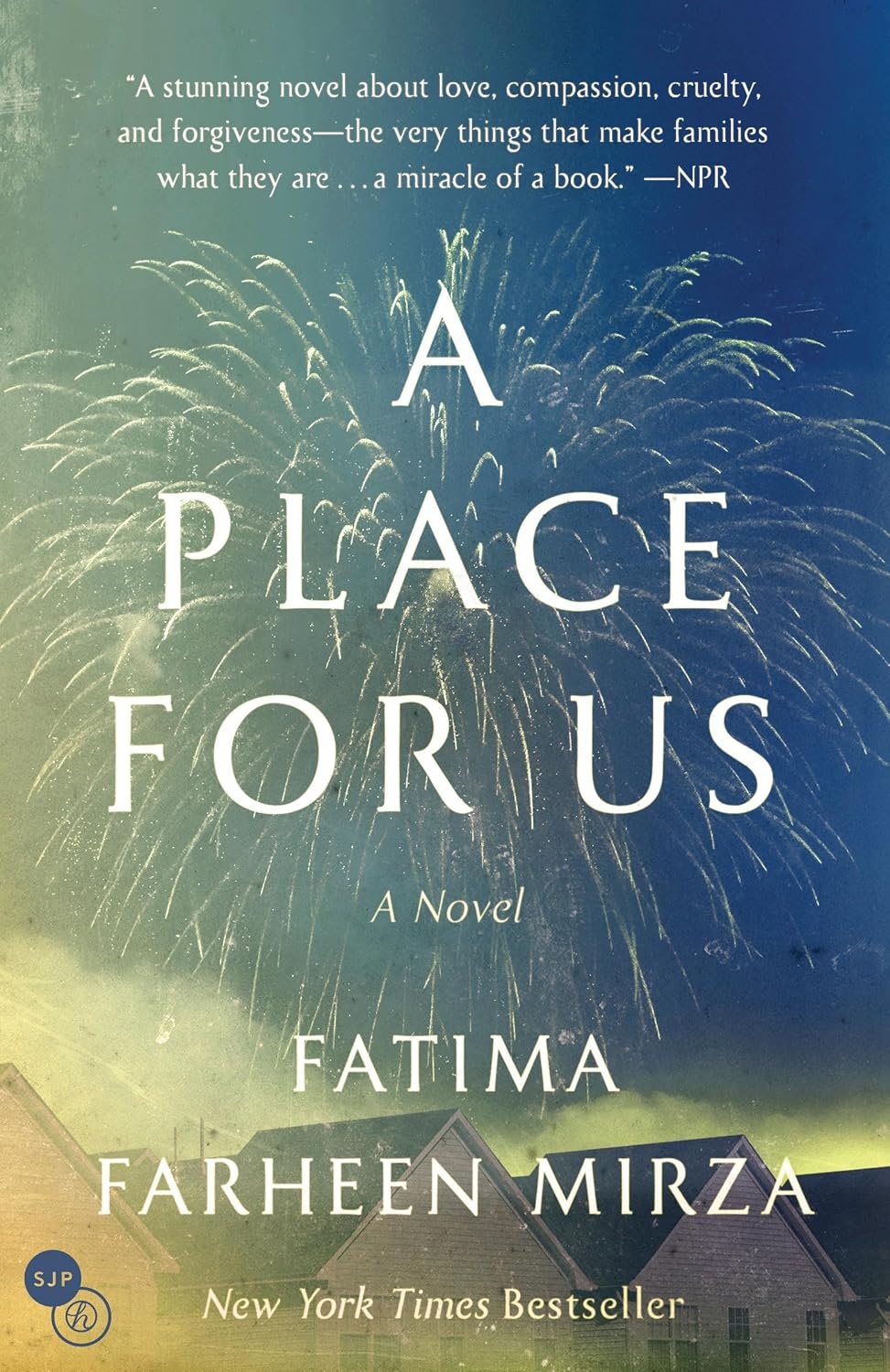
A Place for Us: the hush between generations
A Place for Us sits on our catalog for Everything I Never Told You readers who crave quiet implosions. Fatima Farheen Mirza lets each sibling narrate their own fracture, mapping immigrant expectations onto suburban cul-de-sacs with surgical tenderness.
You hear prayer beads clicking in the background while parental love misfires, and the emotional realism makes every apology feel late. When you’re ready to swap communal grief for deeply interior chaos, the next narrator is waiting.
- Family Saga
- Faith vs Self
- Slow Reveal
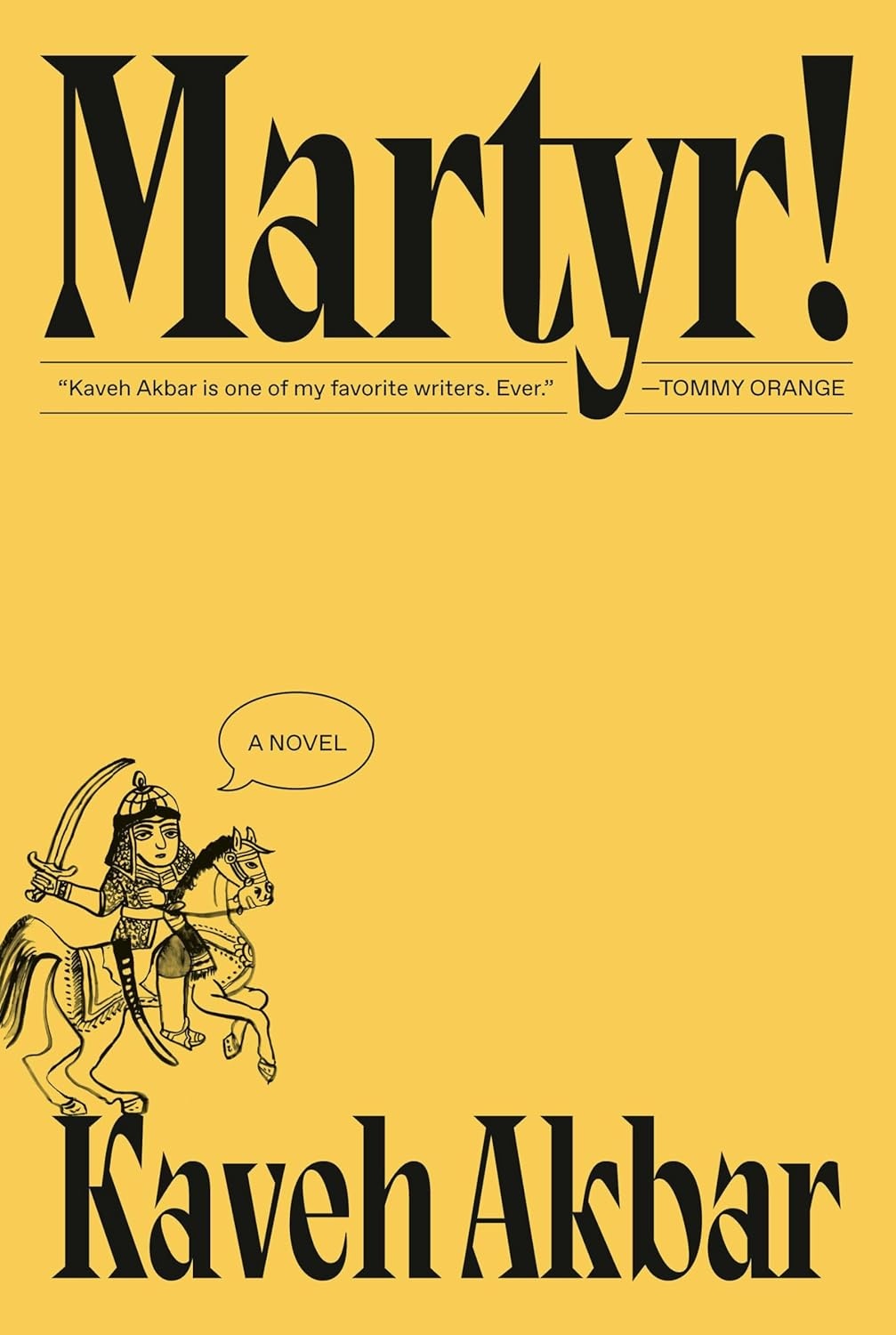
Martyr!: anxious humor in freefall
Martyr! is why our Worry devotees keep refreshing NextBookAfter; Kaveh Akbar delivers another self-sabotaging brain running reconnaissance on its own grief. The prose is lush, wickedly funny, and uninterested in pretending addiction arcs are tidy.
Sara’s search for meaning ricochets between art museums and AA meetings, a meditation on faith that still laughs at itself. That mix of intellect and dread makes the jump to elite conspirators in the next pick deliciously inevitable.
- Wry Angst
- Addiction Lens
- Existential Drift
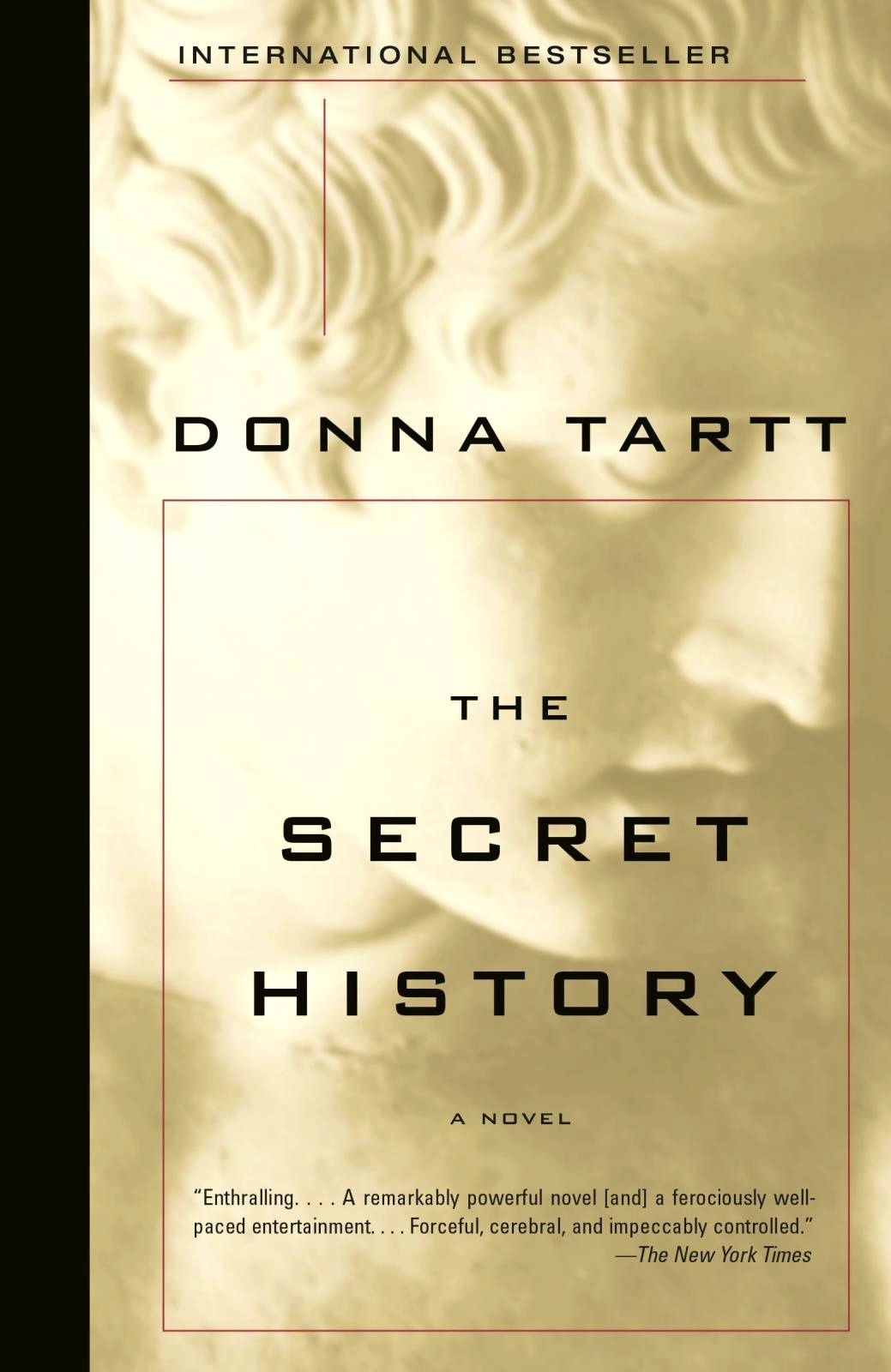
The Secret History: crime scene in seminar form
The Secret History lives on our Crime and Punishment pathway because Tartt understands that guilt sounds different in Latin recitation. She swaps St. Petersburg alleyways for Vermont snowdrifts but keeps the claustrophobic moral calculus front and center.
Every confession feels like a thesis defense, every friendship pact a philosophical dare. Once you’ve tasted that academic menace, why not explore the Nabokovian mirror it throws next?
- Dark Academia
- Moral Spiral
- Philosophy Noir
The Secret History (again): Nabokovian echo
The Secret History also anchors our Annotated Lolita follow-up because Tartt channels Nabokov’s polished dread. She gives us narrators who charm while confessing, and a clique whose obsession with forbidden knowledge feels like Humbert’s literary heir.
Instead of motel rooms, we get Greek translations and sacrificial rites, yet the queasy glamor remains. That meditation on identity-as-mask sets up the final leap into reinvention writ across decades.
- Unreliable Elite
- Forbidden Lore
- Group Obsession
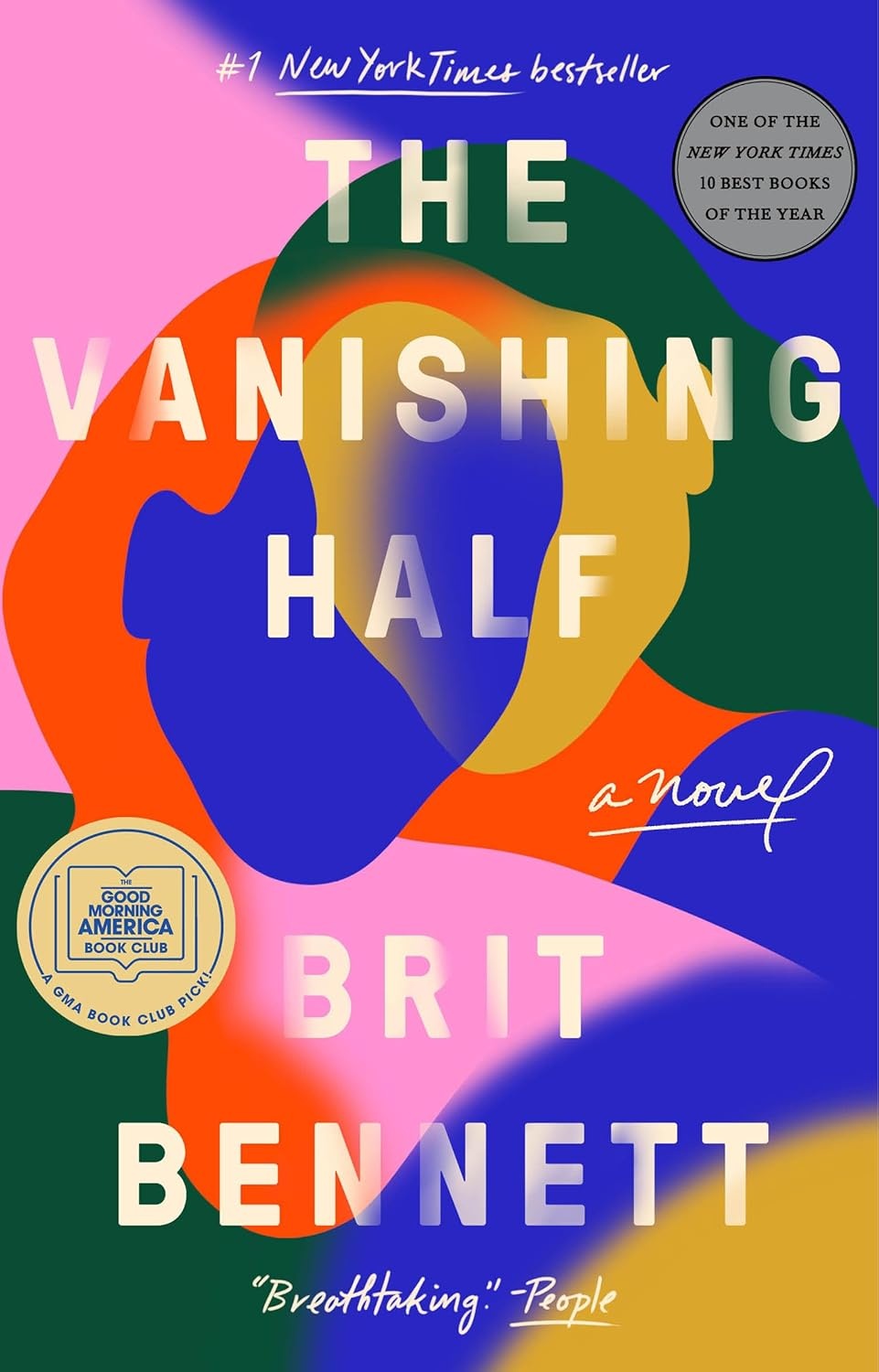
The Vanishing Half: reinvention as survival
The Vanishing Half caps this route for our My Brilliant Friend crowd because Brit Bennett understands how identity is a costume you pay for in blood. Twin sisters resist, abandon, and re-script their lives, giving you the psychological cat-and-mouse Ferrante readers crave.
The novel toggles between small-town gossip and metropolitan passing, revealing how reinvention warps memory and kin. It’s a finale that loops back to Sunburn’s rawness while expanding the canvas to generations.
- Sisterhood Heat
- Racial Passing
- Emotional Intel
Tell NextBookAfter your last obsession and we’ll queue the next literary mind-bender before your kettle boils—no algorithms, just curators steeped in narrative chaos.