If You Loved The Fraud, But Want Unreliable Narrators
Each reading path is curated by NextBookAfter Editors around tone, themes, pacing, character dynamics, and the specific reader payoff that carries from one book to the next. Read the recommendation methodology.
STOP 1 · VICTORIAN MASKS
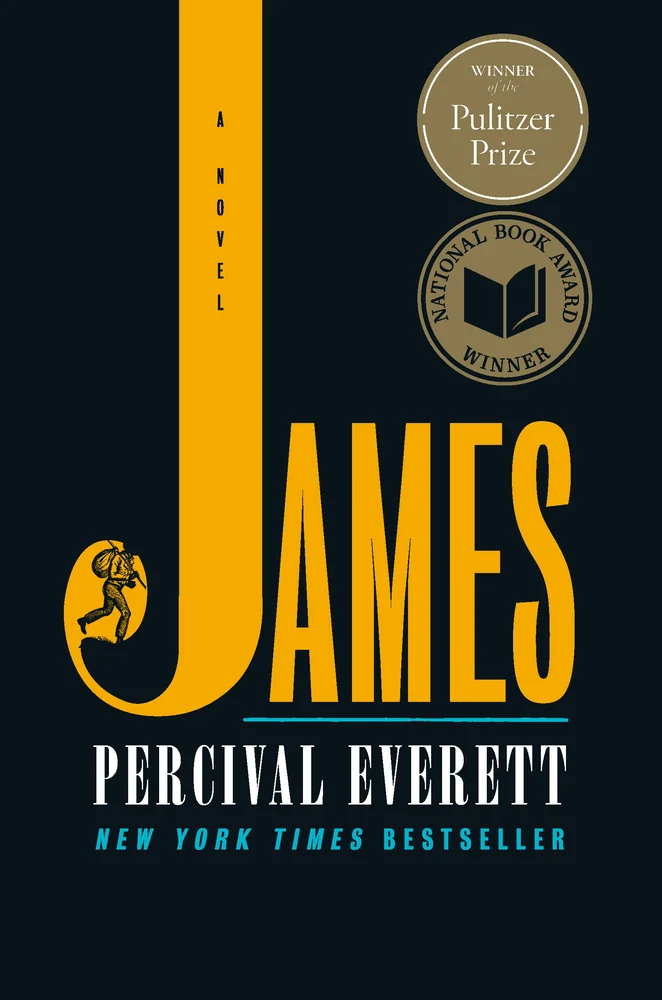
James sidles up to Zadie Smith’s The Fraud with a narrative grin, letting Jim masquerade as Huck’s sidekick while his interior monologue slices through antebellum myth with razor-wire satire. Everett keeps you toggling between outrage and delight, and every sly aside dares you to question which version of freedom you’re willing to believe.
Because James treats the classics like wet clay, you can keep savoring how clever storytellers rearrange canon while interrogating who gets to speak. That irreverent energy primes you for our next pick’s self-conscious storytelling, where the slippery narrator watches himself perform the narrative in real time.
- Race Lens
- Sharp Satire
- Hidden Truths
STOP 2 · META WEATHER
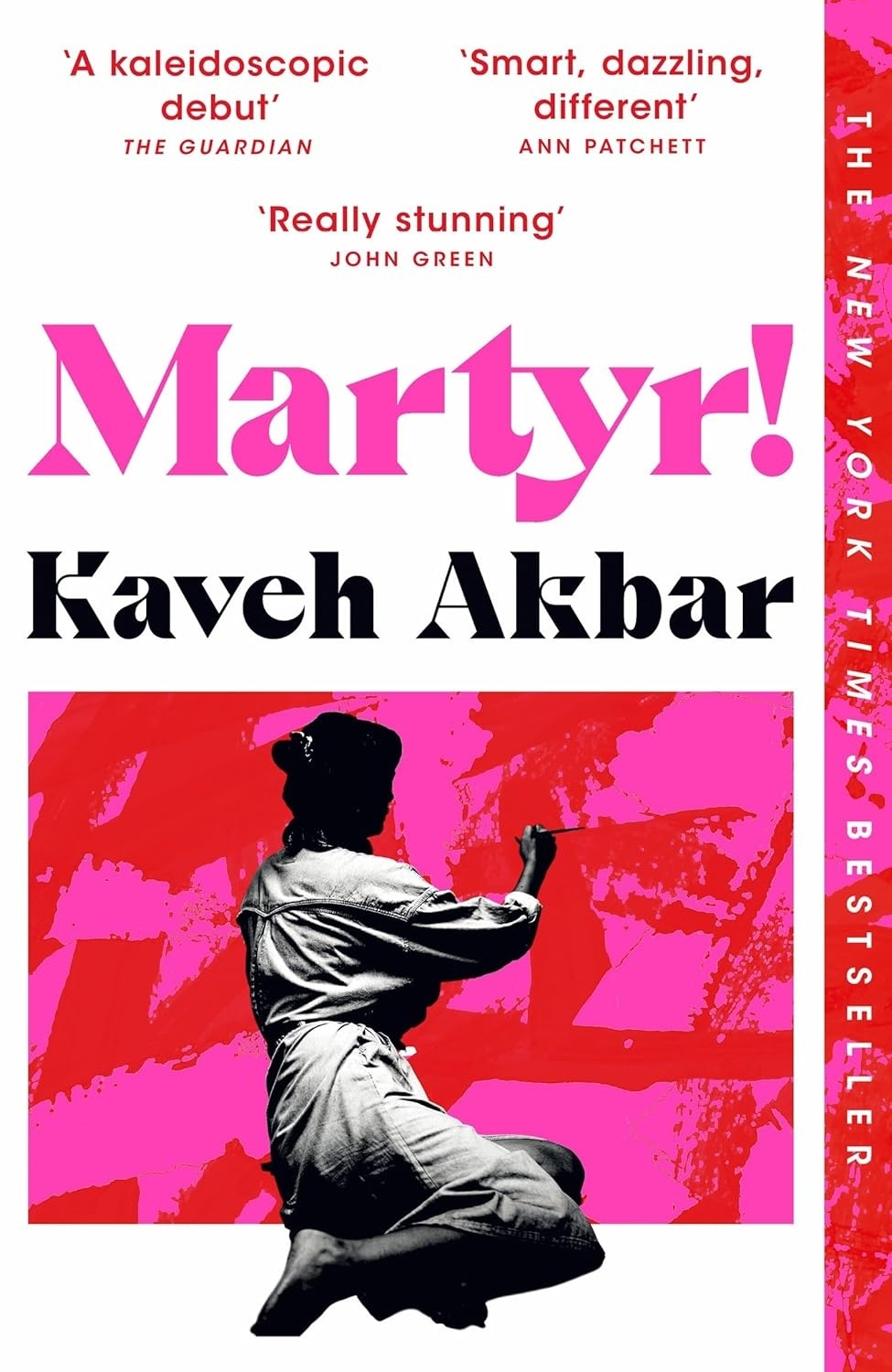
Martyr! greets fans of Ben Lerner’s 10:04 with a poet who fears his own mythology, confessing and revising in sentences that feel like rain slicking down a brownstone. Akbar’s unreliable voice is tender, self-scorching, and laced with gallows wit, remixing autofiction into a prayer for second chances.
Every detour into art history or addiction spirals back to the hunger for belief, making you question whether the narrator’s reinvention is salvation or another mask. That longing for transcendence through shaky testimony sets up a graceful glide into the next stop—where memory itself is a maze and trust is a lantern you must carry.
- Art Life
- Existential
- Dark Humor
STOP 3 · LABYRINTH WHISPERS
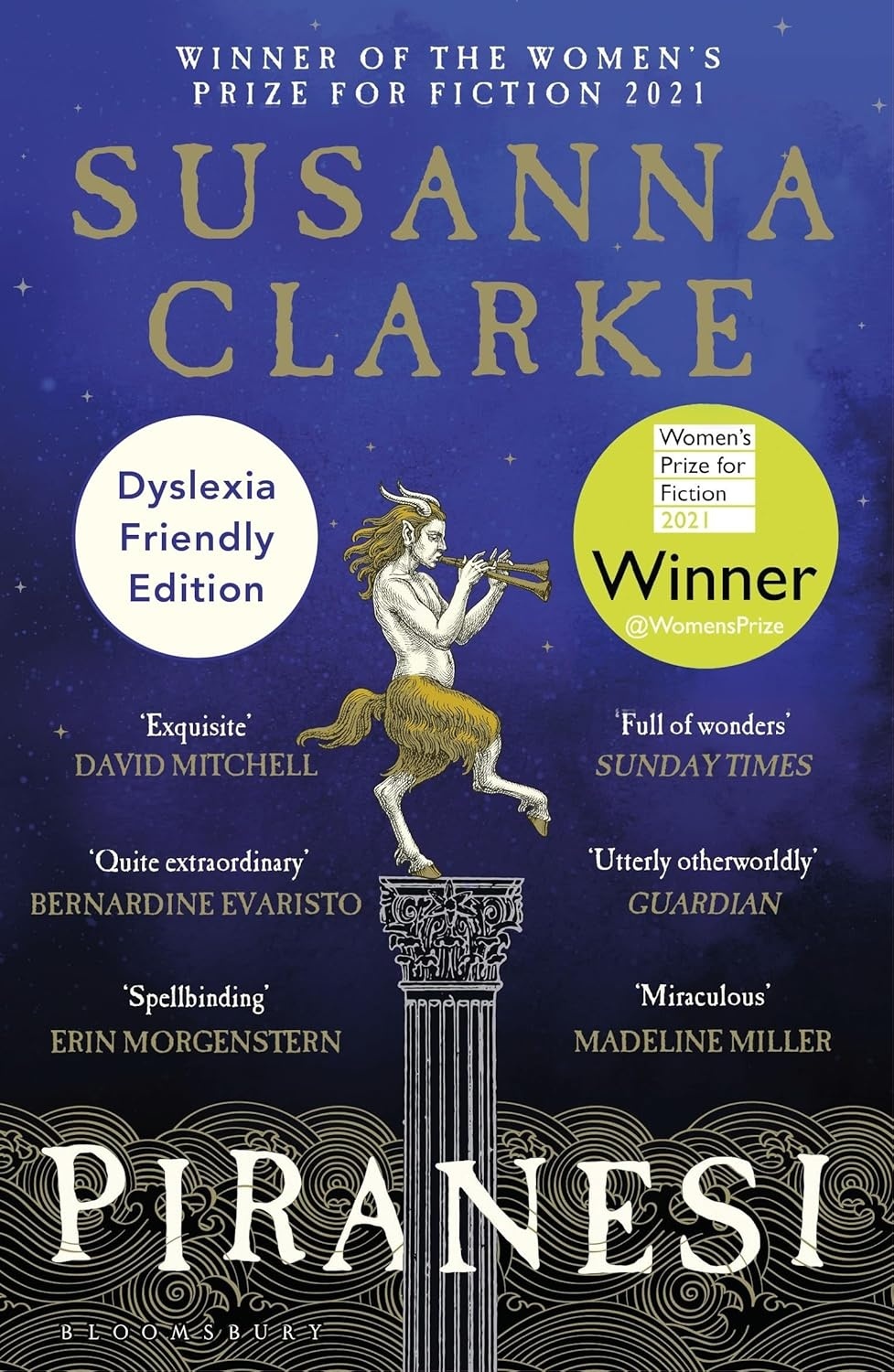
Piranesi escorts Engine Summer fans into a marble labyrinth where the narrator’s devotion to the House feels pure—until you realize every journal entry is an unreliable echo. Clarke layers awe with unease, letting misplaced certainty become the breadcrumb trail that guides you through foggy memory and myth.
As Piranesi trusts tidal charts more than his fractured past, the reader becomes the investigator, reconstructing truth from gracious fragments. That act of decoding prepares you to confront a narrator who wields allegory like a blade, leading us toward a cosmos where penitence and power blur beneath gothic suns.
- Atmospheric
- Memory Maze
- Quiet Wonder
STOP 4 · COSMIC PENANCE
The Book of the New Sun hands Dante devotees a torturer-turned-monk who recounts his saga as scripture, editing memory to elevate his own resurrection. Gene Wolfe’s prose glows with allegorical misdirection, and Severian’s supposedly perfect recall becomes the very reason you mistrust him.
Across the decaying Urth, mentors speak in riddles, miracles crackle with science, and salvation depends on whether you believe Severian understands his own sins. Once you’ve navigated that moral fog, you’re primed to re-enter a labyrinth—this time with echoes of state erasure—and watch how gentler unreliable narrators question the cost of forgetting.
- Epic Quest
- Moral Fog
- Theological

STOP 5 · ERODED MEMORIES
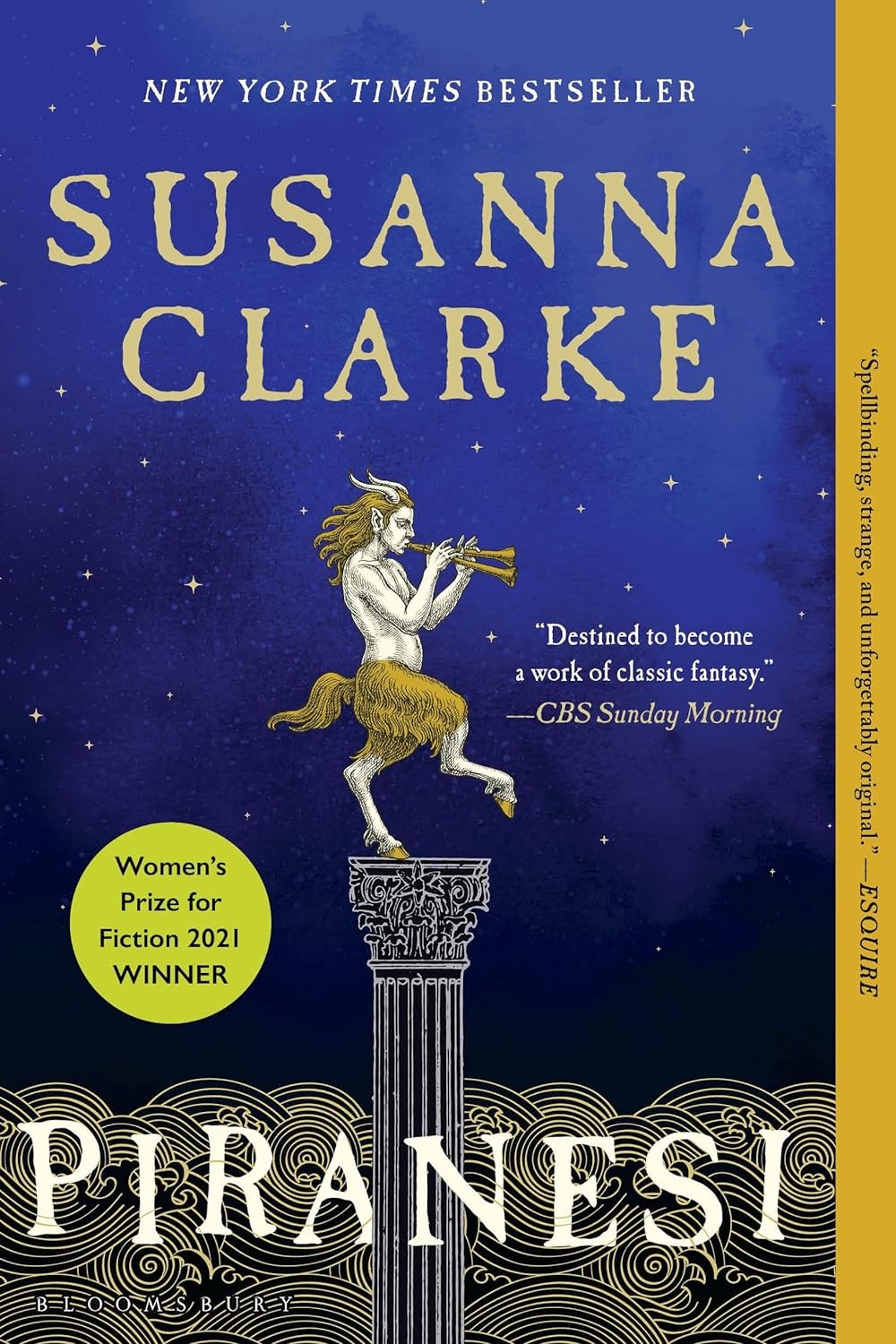
Piranesi mirrors The Memory Police’s gentle dread, inviting you into an infinite House where objects vanish and diaries bear witness even as truth slips away. Clarke’s narrator believes his solitude is noble, yet each missing clue exposes how tenderly he stores what the regime wants destroyed.
This stop leans into the quiet grief of losing language, making you consider how unreliable narration can also be protective, a way to cradle fragile knowledge. That tension between secrecy and revelation sets the stage for our final pick’s ferocious psychological warfare, where silence itself becomes the ultimate lie.
- Haunting Calm
- Memory Loss
- Quiet Rebellion
STOP 6 · SILENCED TRUTHS
The Silent Patient lures fans of Lisbeth Salander into a therapy suite where a painter’s refusal to speak makes every diary entry a loaded weapon. Michaelides spins a cage match between trauma and obsession, and the therapist’s confessions wrap around the case with serpentine misdirection.
As motives flip and the final journal reveals who controls the narrative, you’ll recognize how unreliable voices keep us interrogating power—whether in Stockholm boardrooms or London art circles. Close the pathway here, then revisit the NextBookAfter catalog to keep excavating narrators who hide and seek in equal measure.
- Mind Games
- Dark Secrets
- Vengeance

Subscribe to our Sunday Plot Twist letter for fresh unreliable narrators, annotated quotes, and pairing ideas pulled straight from the NextBookAfter vault.