Family Secrets: Trope Spotlight
Each reading path is curated by NextBookAfter Editors around tone, themes, pacing, character dynamics, and the specific reader payoff that carries from one book to the next. Read the recommendation methodology.
1. The Heart's Invisible Furies by John Boyne
The Heart's Invisible Furies is the pick when you want family secrecy to feel structural, not decorative. Across decades of Irish life, John Boyne turns concealed parentage, social shame, and private compromise into the machinery of a life, which makes it a sharp match for readers arriving from The Bee Sting and still craving fractured kinship with bite.
What lingers is the tonal balance: bruising, funny, and unsentimental about the stories families tell to survive themselves. The secrets here do not sit politely in the corner; they warp identity, redirect love, and leave everyone pretending the damage is merely weather.
- Irish fallout
- Hidden identity
- Darkly funny

2. Heavy: An American Memoir by Kiese Laymon
Heavy: An American Memoir takes the trope out of drawing-room fiction and puts it where it hurts: inside a mother-son relationship shaped by expectation, hunger, and the cost of telling the truth. If Men We Reaped left you wanting more intergenerational damage with moral clarity, Kiese Laymon delivers it without varnish.
Its power comes from how openly it examines what families conceal even while loving one another fiercely. The revelations are intimate rather than twisty, but they land harder for that very reason, turning private knowledge into social commentary that never feels abstract.
- Raw memoir
- Southern scars
- Family reckonings

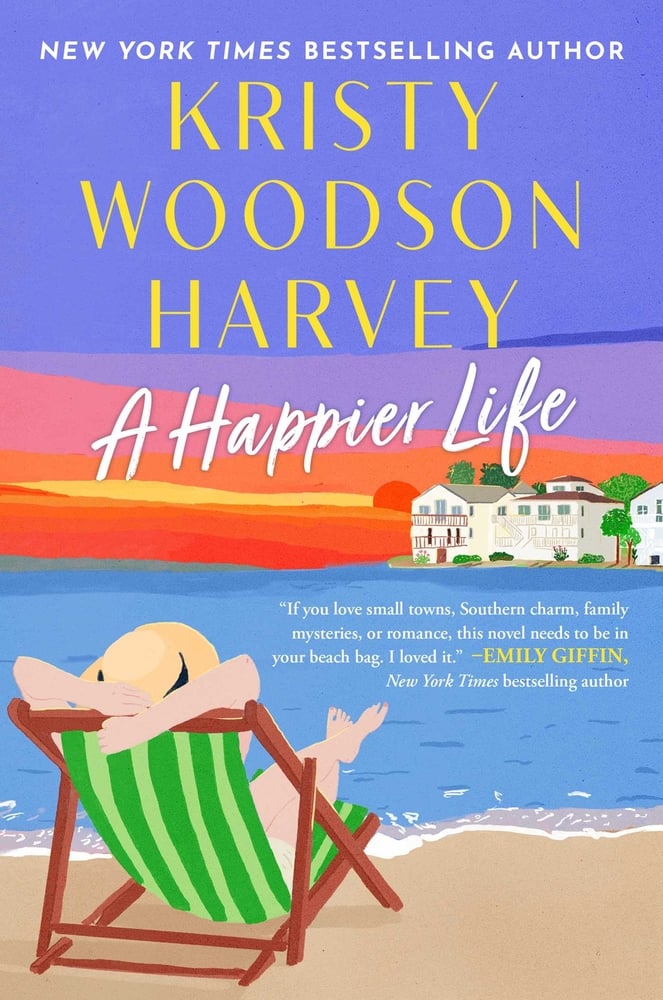
3. A Happier Life by Kristy Woodson Harvey
A Happier Life proves that family secrets can thrive perfectly well among pretty views, polished manners, and the sort of social life that looks effortless from across the water. Readers who came through Swan Song for ensemble intrigue will find the same glamour hiding emotional mess, only with a warmer Southern pulse.
Harvey keeps the pages moving, but the emotional hook is the way buried history complicates who gets to belong, forgive, and begin again. It is escapist, yes, though not silly enough to forget that old family stories have excellent survival skills.
- Coastal drama
- Social intrigue
- Warm redemption
4. The Storyteller's Secret by Sejal Badani
The Storyteller's Secret is for readers who like their revelations braided through generations, migrations, and the uneasy inheritance of a family narrative half-preserved and half-avoided. As a follow-on from Summer Island, it leans hard into forgiveness through recovered history.
Badani uses dual timelines and cultural memory to show that a secret is rarely one person’s burden for long; it becomes atmosphere, then expectation, then fate unless somebody finally names it. That gives the book its real pull: the sense that emotional repair may be possible, but never tidy.
- Generational saga
- Cultural memory
- Earned healing

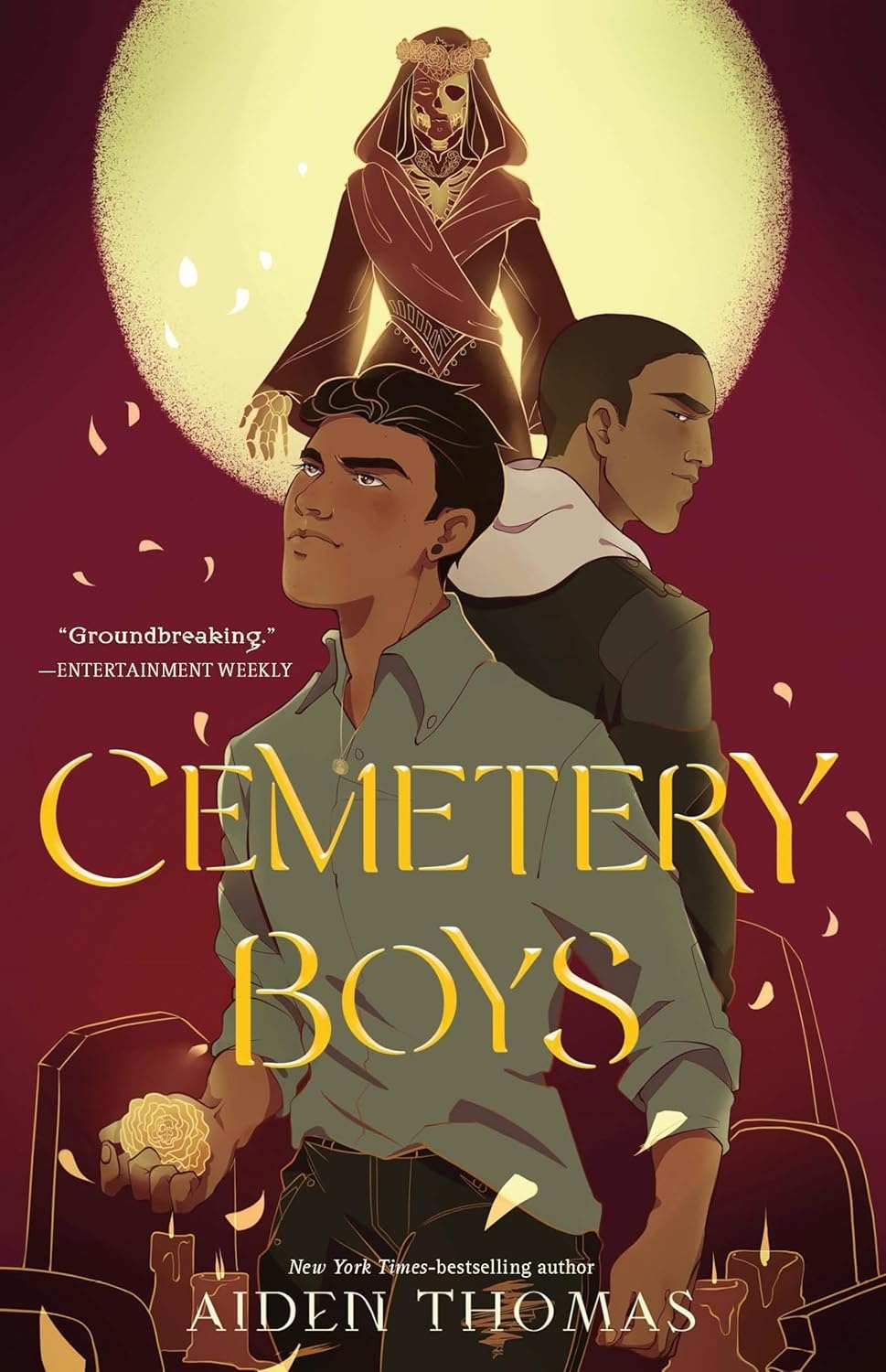
5. Cemetery Boys by Aiden Thomas
Cemetery Boys brings a welcome reminder that family secrets can be tender, frustrating, and supernatural all at once. If Logafjöll worked because myth and menace exposed buried truths, this novel offers identity revelation through ritual and kinship with more heart and just enough danger.
Aiden Thomas keeps the paranormal mystery lively, but the real engine is Yadriel’s struggle to be seen clearly by the people meant to know him best. That makes the book an especially satisfying entry in this trope: the secret is not just what the family hides, but what it refuses to understand until the story forces the issue.
- Queer magic
- Ghost mystery
- Chosen truth
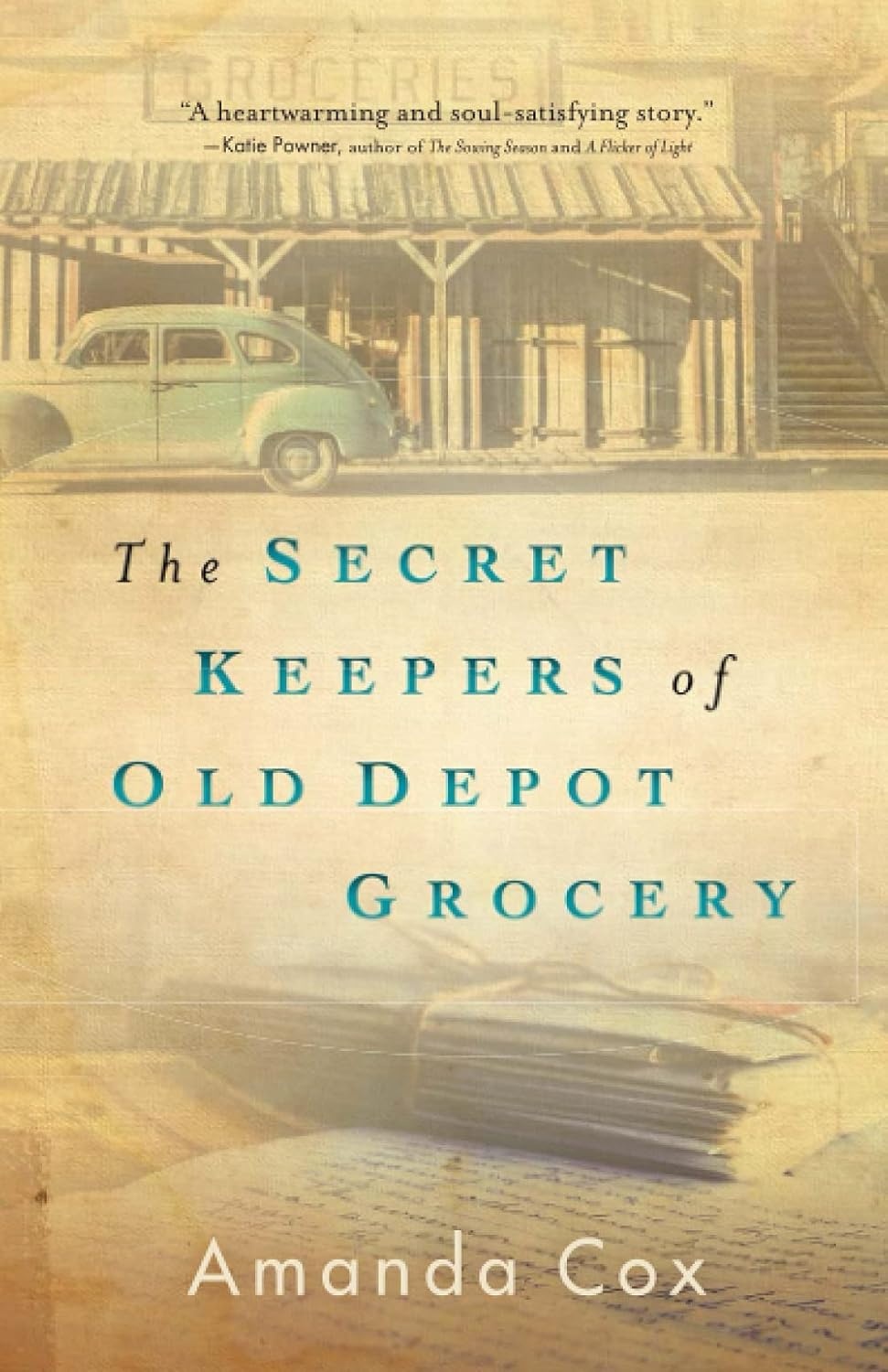
6. The Secret Keepers of Old Depot Grocery by Amanda Cox
The Secret Keepers of Old Depot Grocery settles into the quieter register of the trope: the kind where a town’s memory, a family’s omissions, and one old building hold more than anyone says aloud. Readers arriving from Theo of Golden will recognize the appeal of community grace meeting buried pain.
The novel’s strength is its patience. Rather than staging a single grand reveal, it lets hidden histories surface through relationship, place, and moral consequence, which gives the eventual clarity a sturdy, lived-in feeling.
- Small-town heart
- Dual timeline
- Quiet reckonings
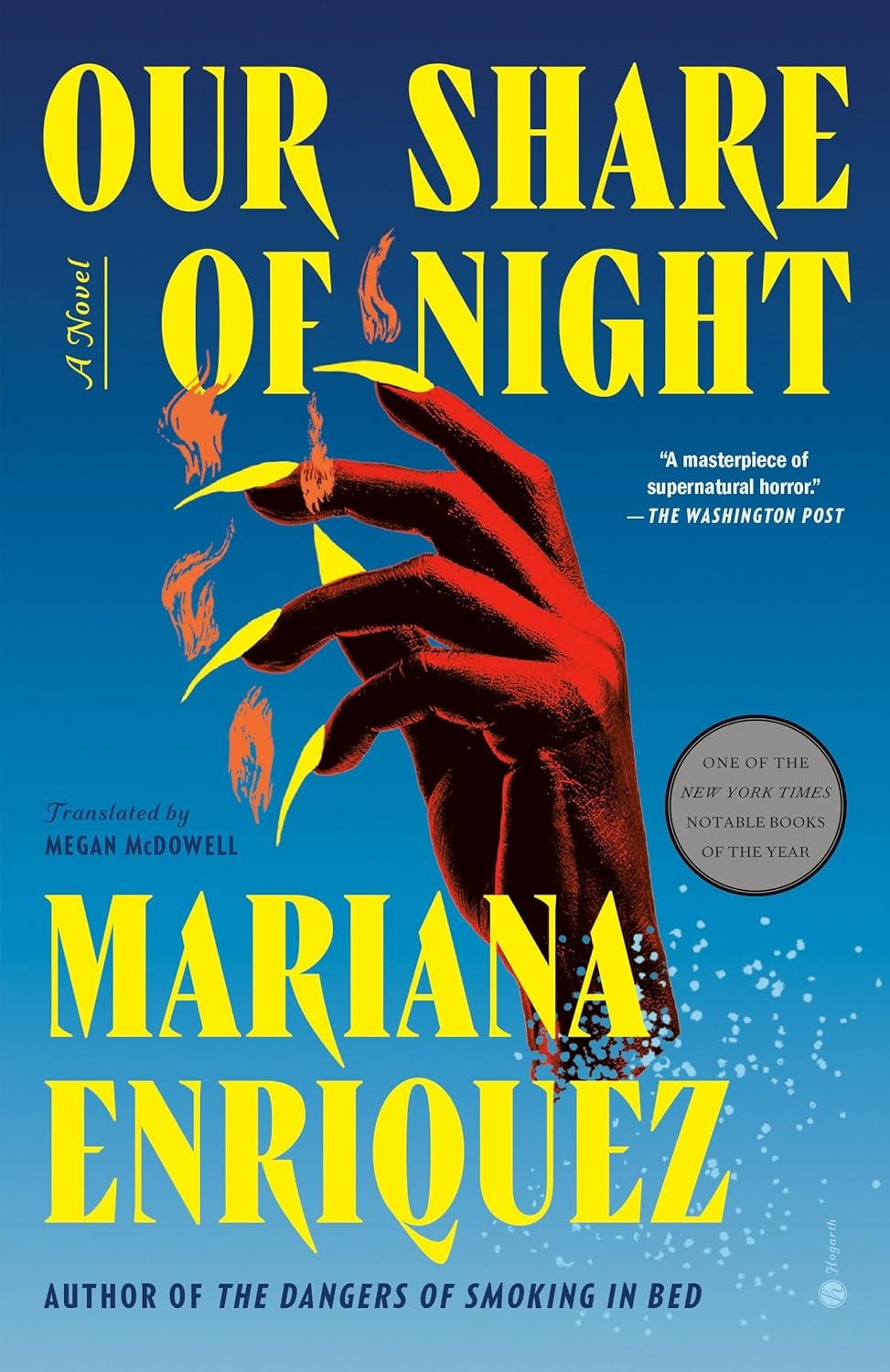
7. Our Share of Night by Mariana Enríquez
Our Share of Night is the pick for readers who hear “family secret” and reasonably ask, yes, but what if it ruined several generations and involved a cult. For anyone moving over from Ink Blood Sister Scribe, this is inherited darkness with political and emotional weight.
Enríquez scales the trope up without losing its intimacy: occult legacy, father-son fracture, and national trauma all feed the same central question of what parents pass down and what children are forced to carry. It is intense, sprawling, and exactly right if you want your secrets to feel less like plot devices and more like bloodlines.
- Occult legacy
- Gothic dread
- Inherited trauma
Browse the full recommendation pages for deeper comps, cover art, and vibe checks, or head back into the NextBookAfter catalog when you know the feeling you want but not the title yet.