Why Everyone's Talking About A Revolution of Common Sense — And What to Read Next
Each reading path is curated by NextBookAfter Editors around tone, themes, pacing, character dynamics, and the specific reader payoff that carries from one book to the next. Read the recommendation methodology.
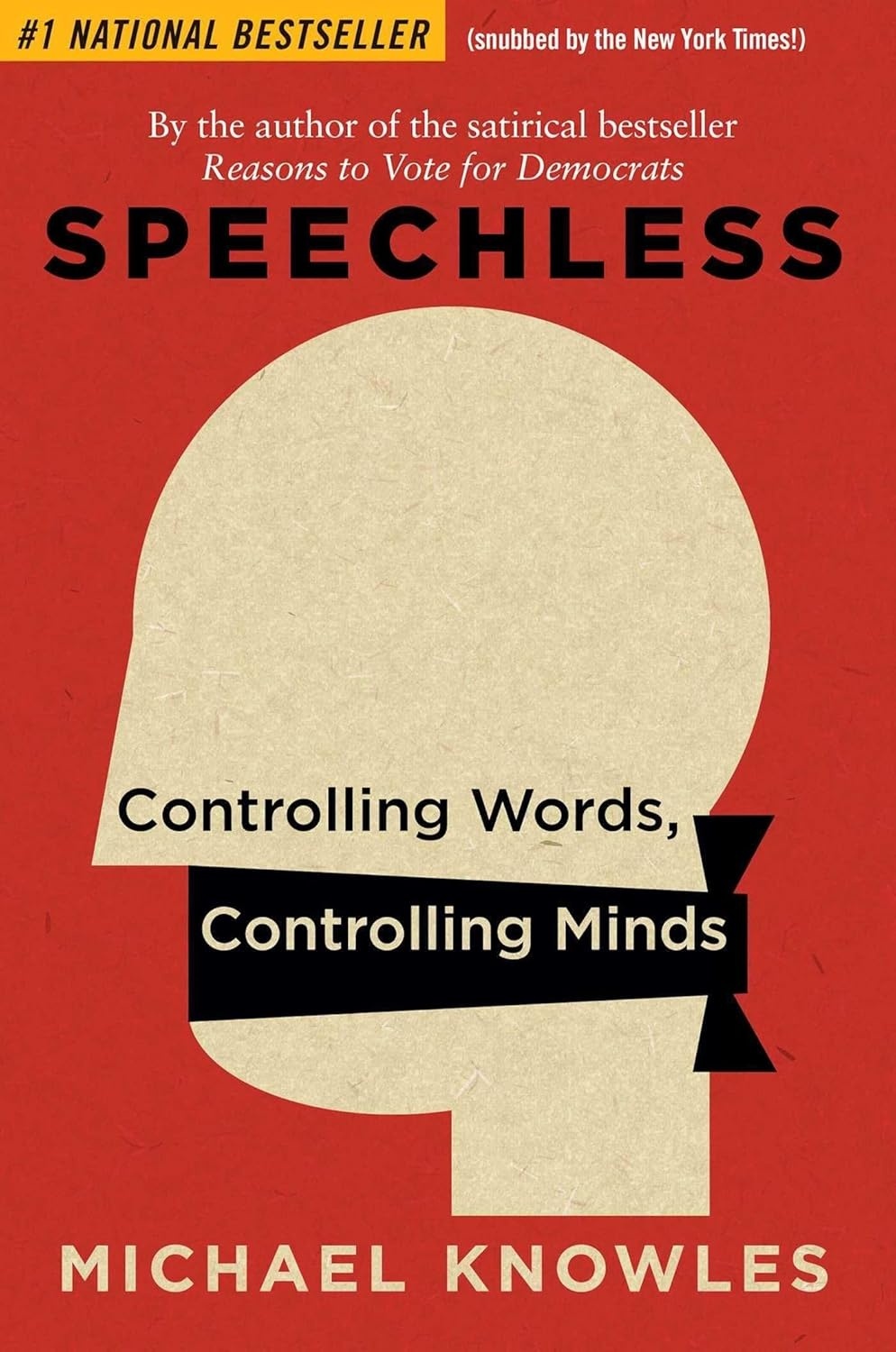
Primary Echo · Speechless: Controlling Words, Controlling Minds
Speechless: Controlling Words, Controlling Minds takes the Jennings playbook and annotates every euphemism that makes common sense feel contraband. Knowles turns the /a-revolution-of-common-sense/ rallying cry into a field manual, tracing how linguistic gatekeeping muzzles the porch-talk honesty that drew you to Jennings in the first place.
He threads humor through case studies of campus tribunals and bureaucratic buzzwords, nudging you to ask: who benefits when we retire plain speech? Fold in his insider campaign stories and you get actionable debate ammo without surrendering to cynicism.
- Sharp Rhetoric
- Trad Values
- Culture Clash
Echo Stop · The Dying Citizen
The Dying Citizen keeps the torch lit by mapping how technocratic drift chips away at the civic muscle Jennings praises. Hanson’s catalog note at /to-rescue-the-american-spirit/ spotlights historical cycles where elites sidelined local agency, so every anecdote reads like a cautionary telegram.
Instead of rage-bait, he offers tight analyses of class, clan, and tribe that clarify why main-street voters feel ghosted. The tone stays urgent yet studious, ideal for readers who crave receipts when they say “this isn’t the America my dad knew.”
- Civic Alarm
- History Lens
- Middle-Class

Echo Stop · Invisible Child: Poverty, Survival & Hope in an American City
Invisible Child: Poverty, Survival & Hope in an American City threads investigative empathy through the same systemic frustrations Jennings rails against. Our /evicted-poverty-and-profit-in-the-american-city/ entry highlights Elliott’s day-by-day reporting, making abstract policy debates painfully personal.
Yes, the politics lean progressive, but that’s the point: knowing how the other half narrates hardship sharpens your own arguments. Elliott’s focus on resilience over despair keeps the emotional current steady, so you leave with questions about what fixes actually help instead of just scoring points.
- Poverty Lens
- Urban Pulse
- Human Story

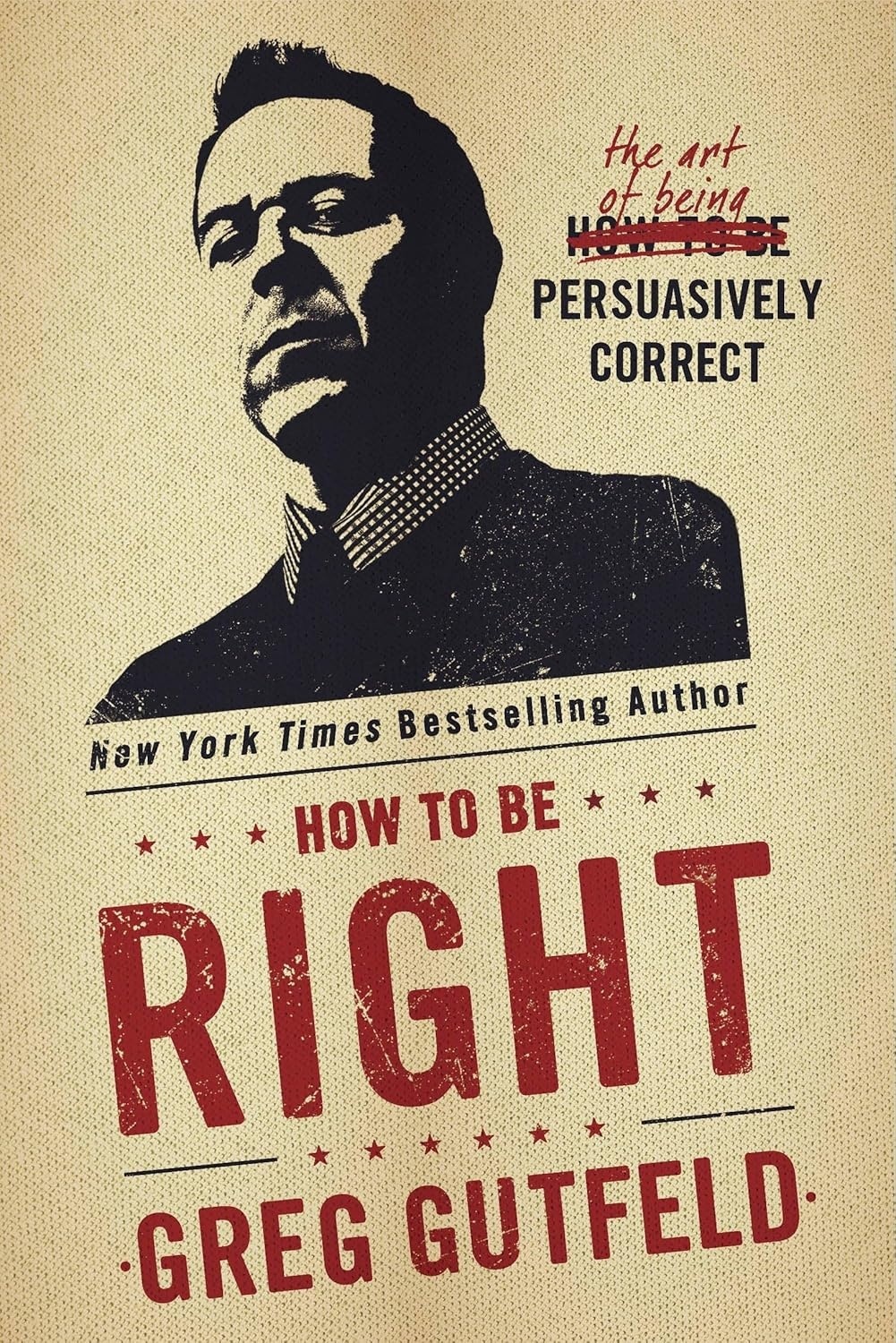
Echo Stop · How to Be Right: The Art of Being Persuasively Correct
How to Be Right: The Art of Being Persuasively Correct closes the loop with Gutfeld’s late-night smirk turned tactical guide. On /how-to-test-negative-for-stupid-and-why-washington-never-will/ we call it a laugh-out-loud decoder ring for media gaslighting, and that’s still the best elevator pitch.
He spikes every joke with a debate takeaway, reminding you that charm can carry the same conviction Jennings channels through earnestness. Feeling weary? Let this one coach you to answer snark with sharper snark—then invite friends back to the catalog to keep the conversation nimble.
- Wry Humor
- Anti-Elite
- Debate Fuel
Bookmark your favorite slug, then hit bin/spool to add the next rabble-rouser—our catalog stays sharp when you keep feeding it lived experience and new titles.