NextBookAfter If You Loved Practical

Books Like Atomic Habits: An Easy & Proven Way to Build Good Habits & Break Bad Ones

Atomic Habits resonated widely due to its accessible framework for personal development, emphasizing small, incremental changes that lead to significant results, supported by psychological research and real-world examples. Readers appreciated its departure from vague motivational advice, instead providing a structured system based on four laws of behavior change that make habit formation feel achievable and sustainable. The book's popularity surged amid growing cultural interest in productivity and self-optimization, particularly during times of economic uncertainty and remote work trends, where individuals sought practical tools to regain control over their lives.

Books With More

If you loved practical habit frameworks

The book's appeal lies in its straightforward, implementable systems like the two-minute rule and habit stacking, which demystify behavior change for everyday readers. Drawing from behavioral science studies, it offers tools that readers can apply immediately, leading to measurable improvements in areas like fitness and productivity. This resonated with demographics prioritizing efficiency, such as busy professionals, as evidenced by its high sales in self-help categories during peak productivity app trends.

The Power of Habit cover

The Power of Habit

by Charles Duhigg

Duhigg delivers the same science-backed, immediately actionable habit frameworks you craved in Clear's work, breaking down the cue-routine-reward loop with case studies spanning personal transformation to corporate turnarounds. You'll get that same 'aha moment' clarity about why habits stick—and exactly how to rewire them.

Buy on Amazon
Books With More

If you loved science-backed insights

Clear integrates research from fields like psychology and neuroscience, providing evidence for why habits stick or fail, which appeals to analytically minded readers seeking credibility over fluff. Studies cited, such as those on cue-response-reward loops, build trust and differentiate it from unsubstantiated self-help books. This factor drove its popularity among educated urban audiences, reflected in its endorsements by influencers in tech and wellness sectors.

Thinking, Fast and Slow cover

Thinking, Fast and Slow

by Daniel Kahneman

Kahneman delivers the neuroscience and behavioral psychology behind why we make decisions—and why our brains sabotage us—with Nobel Prize-winning research that makes Atomic Habits look like the warm-up act.

Buy on Amazon

Books With More

If you loved real-life stories

Anecdotes from athletes, artists, and ordinary people illustrate habit principles, making abstract concepts relatable and inspiring. These narratives, grounded in verifiable examples like Olympic training regimens, enhance engagement without relying on fiction. The approach appealed to narrative-driven readers, boosting its presence in book clubs and podcasts focused on personal growth.

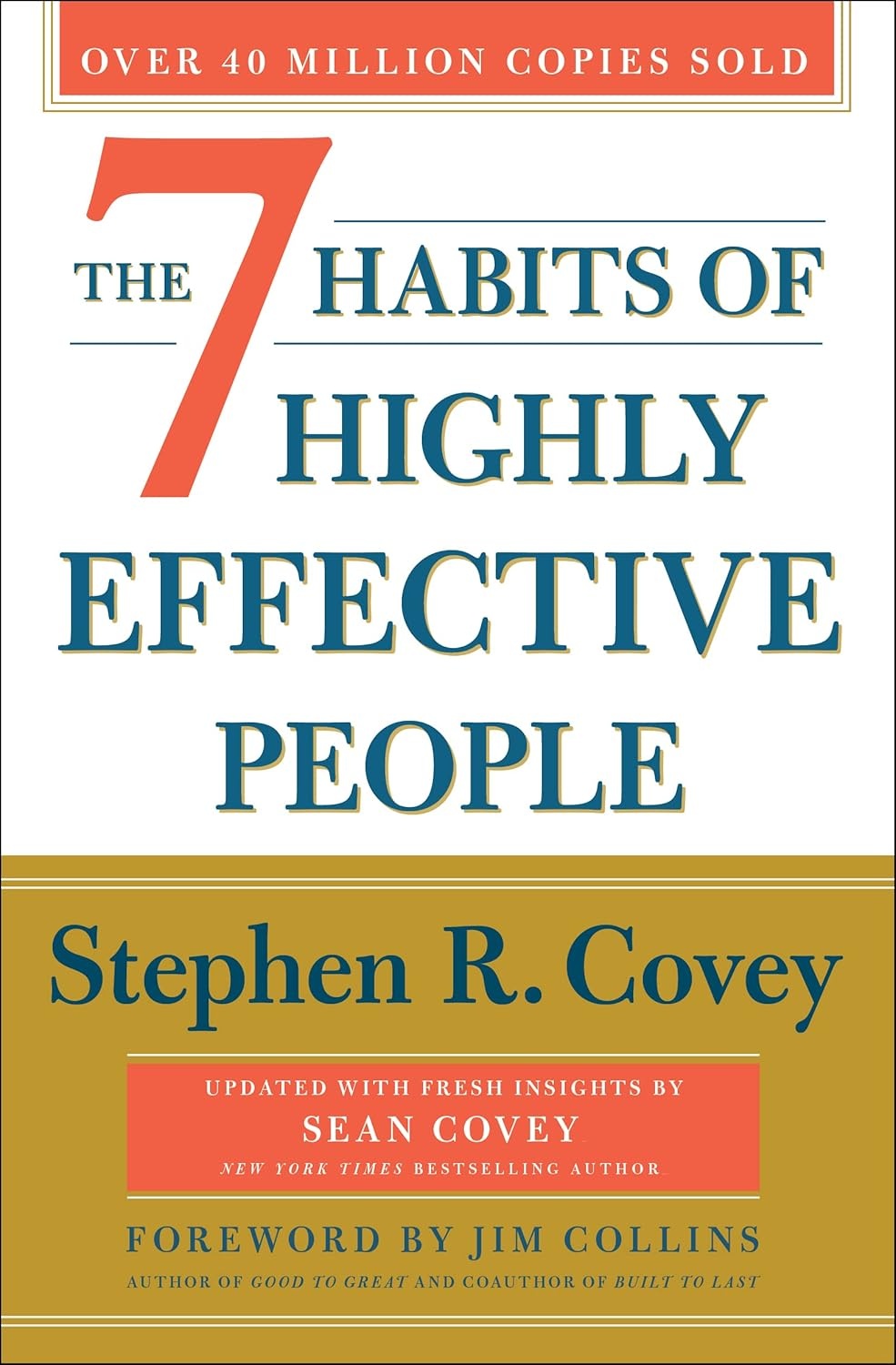
The 7 Habits of Highly Effective People cover

The 7 Habits of Highly Effective People

by Stephen R. Covey

Covey weaves real-world case studies from business leaders, families, and professionals into timeless effectiveness principles—mirroring Clear's athlete-and-artist storytelling to ground big ideas in lived experience.

Buy on Amazon

Books With More

If you loved incremental change philosophy

The emphasis on atomic, or tiny, adjustments counters the all-or-nothing mindset prevalent in diet culture and goal-setting trends, promoting sustainable progress. Backed by data on compounding effects, it attracts those frustrated with failed resolutions, like New Year's gym-goers. This resonated in markets with high burnout rates, such as among millennials facing work-life balance challenges.

Tiny Habits cover

Tiny Habits

by BJ Fogg

BJ Fogg's Tiny Habits doubles down on the power of microscopic behavior shifts, teaching you to anchor new routines to existing ones so change feels inevitable rather than exhausting. Where Clear gives you the architecture of habit loops, Fogg hands you the starter kit—celebrating tiny wins until momentum becomes self-sustaining.

Buy on Amazon

Books With More

If you loved breaking bad habits

Strategies for inverting good habit laws to dismantle negative ones, such as making cues invisible, provide a balanced view often missing in positivity-focused books. Evidence from addiction recovery studies supports these methods, appealing to readers dealing with procrastination or unhealthy routines. It gained traction in wellness communities, where data shows rising interest in mental health tools post-pandemic.

The Willpower Instinct cover

The Willpower Instinct

by Kelly McGonigal

McGonigal flips the willpower script with neuroscience-backed strategies for dismantling self-sabotage, teaching you to spot triggers and rewire autopilot behaviors—perfect for readers who want the un-doing toolkit Clear only hints at.

Buy on Amazon

Books With More

If you loved productivity optimization

Clear's techniques align with cultural shifts toward life hacking, offering ways to maximize output in minimal time, which suits fast-paced lifestyles. References to high-performers like CEOs underscore its applicability, driving sales among entrepreneurial demographics. This appeal is evident in its crossover success with business books, amid trends in remote work productivity.

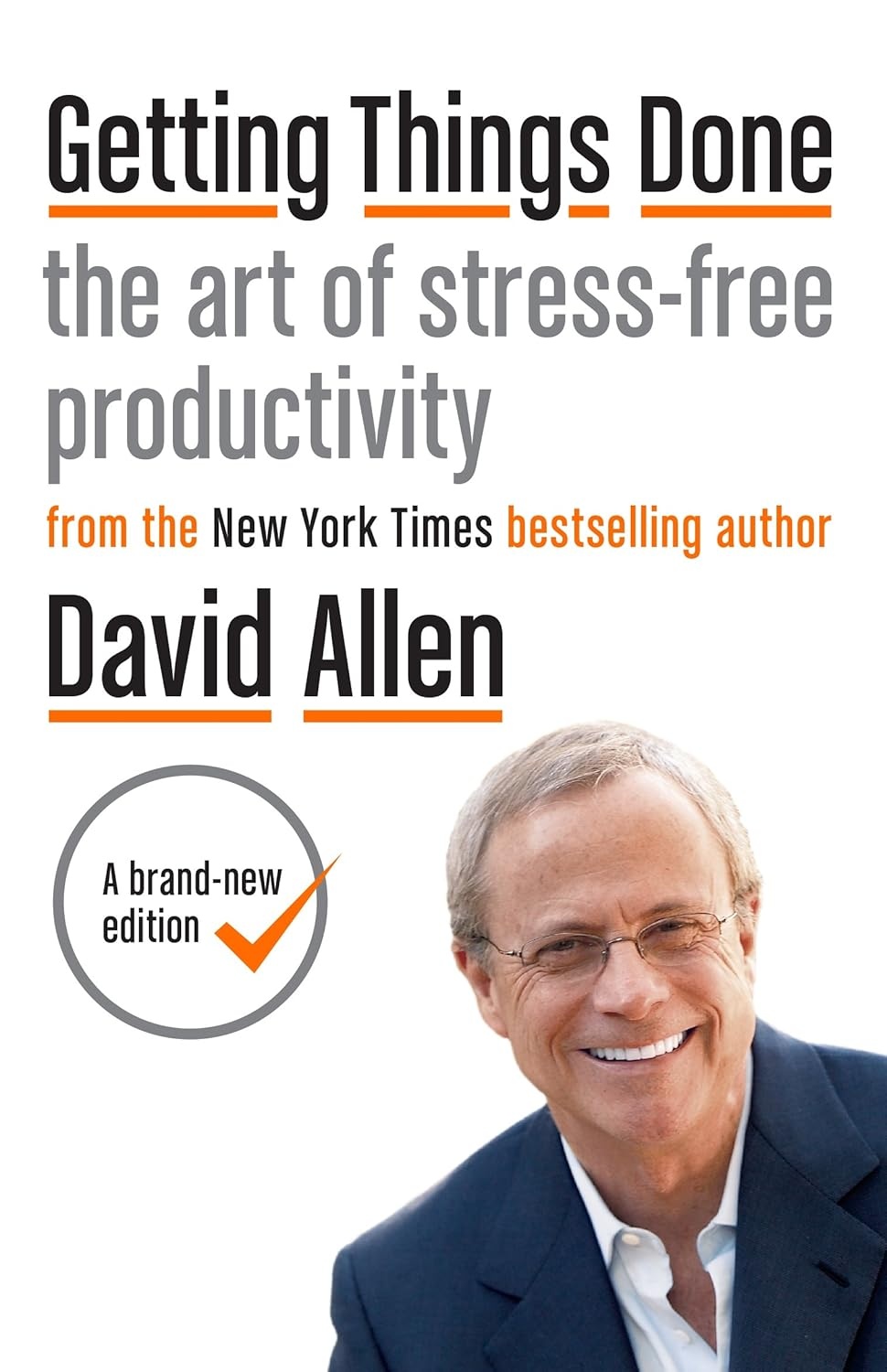
Getting Things Done cover

Getting Things Done

by David Allen

Allen's legendary GTD system delivers the same systematic productivity obsession you loved in Clear, with ruthlessly efficient workflows that help high-performers capture, organize, and execute everything on their plate. It's the OG life-hack manual that inspired a generation of productivity apps and remains the gold standard for entrepreneurs drowning in tasks.

Buy on Amazon

Books With More

If you loved accessible writing style

The book's clear, conversational tone avoids academic density, making complex ideas digestible for a broad audience without prior knowledge. Short chapters and summaries facilitate quick reading, appealing to time-strapped readers like parents or commuters. Its widespread adoption in educational settings highlights how this style broadens appeal across age groups and literacy levels.

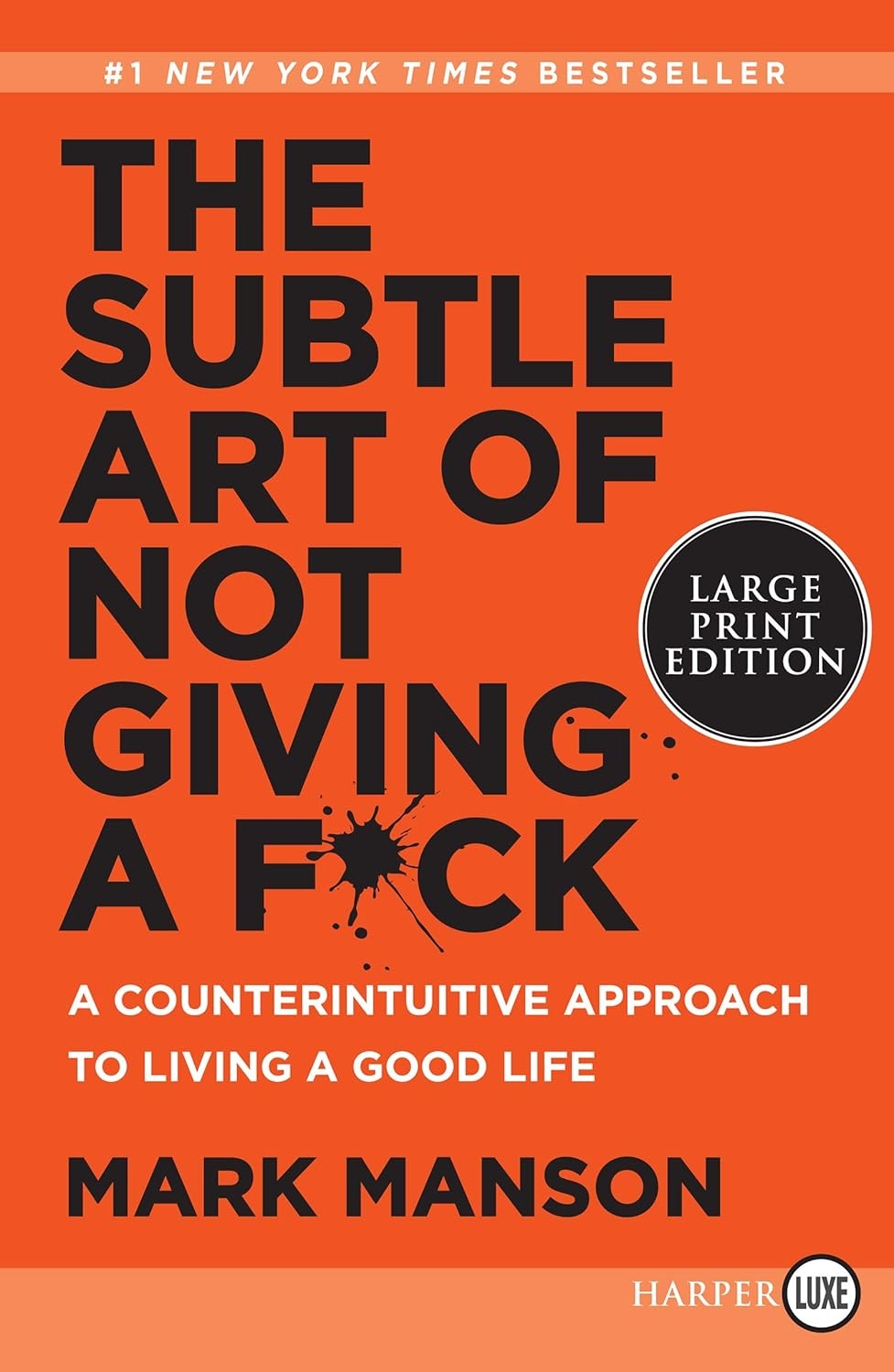
The Subtle Art of Not Giving a F*ck cover

The Subtle Art of Not Giving a F*ck

by Mark Manson

Manson delivers life advice in bite-sized, profanity-laced chapters that cut through self-help fluff with the same no-BS clarity and conversational punch that made Clear's framework so addictive.

Buy on Amazon

Books With More

If you loved motivational yet realistic advice

Balancing inspiration with pragmatism, it motivates without overpromising, using data on habit success rates to set realistic expectations. This counters the hype of viral self-help trends, resonating with skeptical readers who've tried and failed other methods. Popularity spikes during resolution seasons underscore its draw for those seeking grounded encouragement.

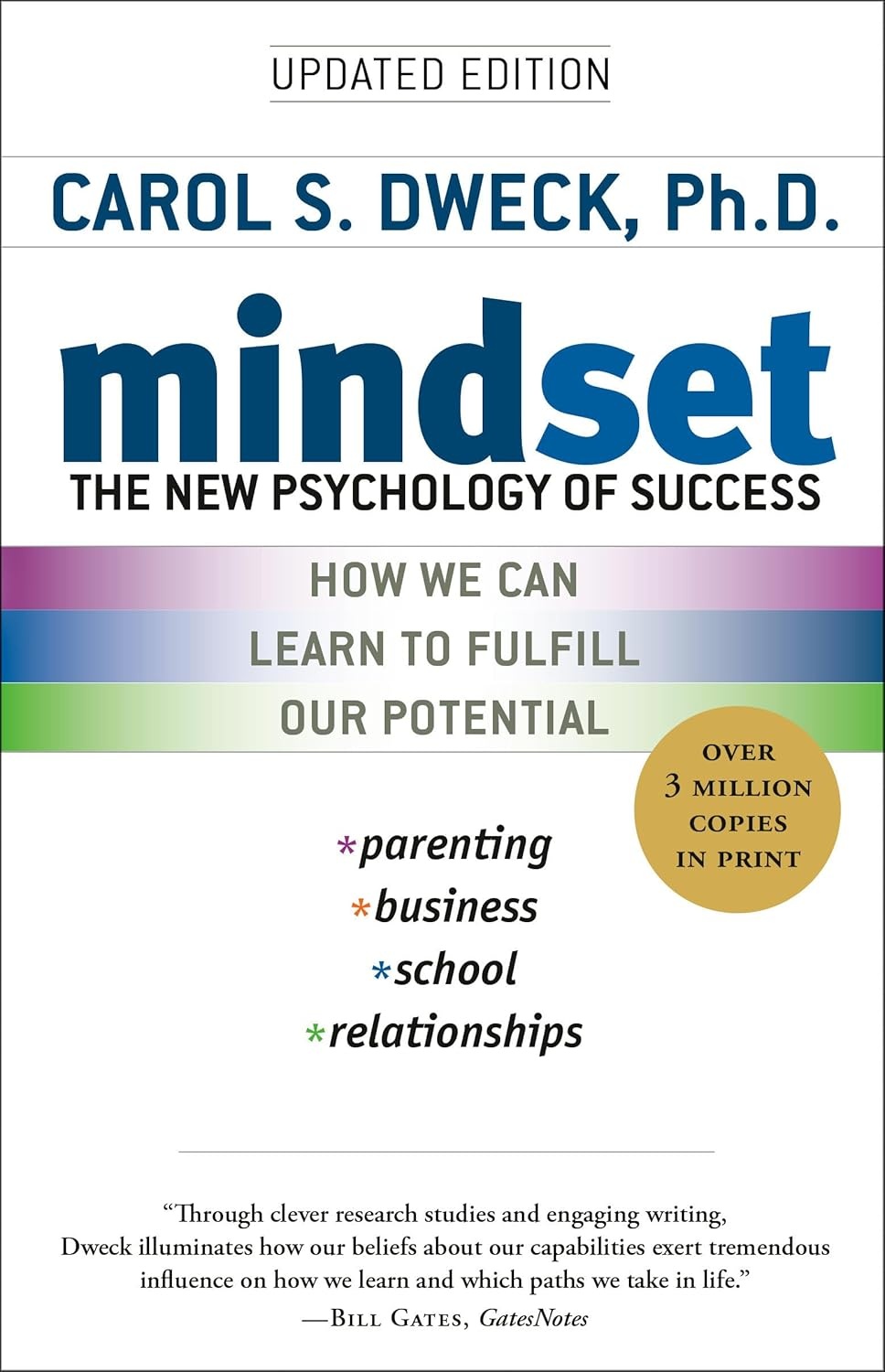
Mindset cover

Mindset

by Carol S. Dweck

Dweck grounds you in research-backed mindset shifts that feel doable, not delusional—perfect for readers who want inspiration anchored in psychology, not empty hype. It's motivation with receipts, ideal for anyone burned by quick-fix promises.

Buy on Amazon

NextBookAfter participates in the Amazon Services LLC Associates Program, an affiliate advertising program designed to provide a means for sites to earn advertising fees by advertising and linking to Amazon.com. The site earns from qualifying purchases made through affiliate links.